
John Manjiro: The Kochi Fisherman Who Changed Japan’s History
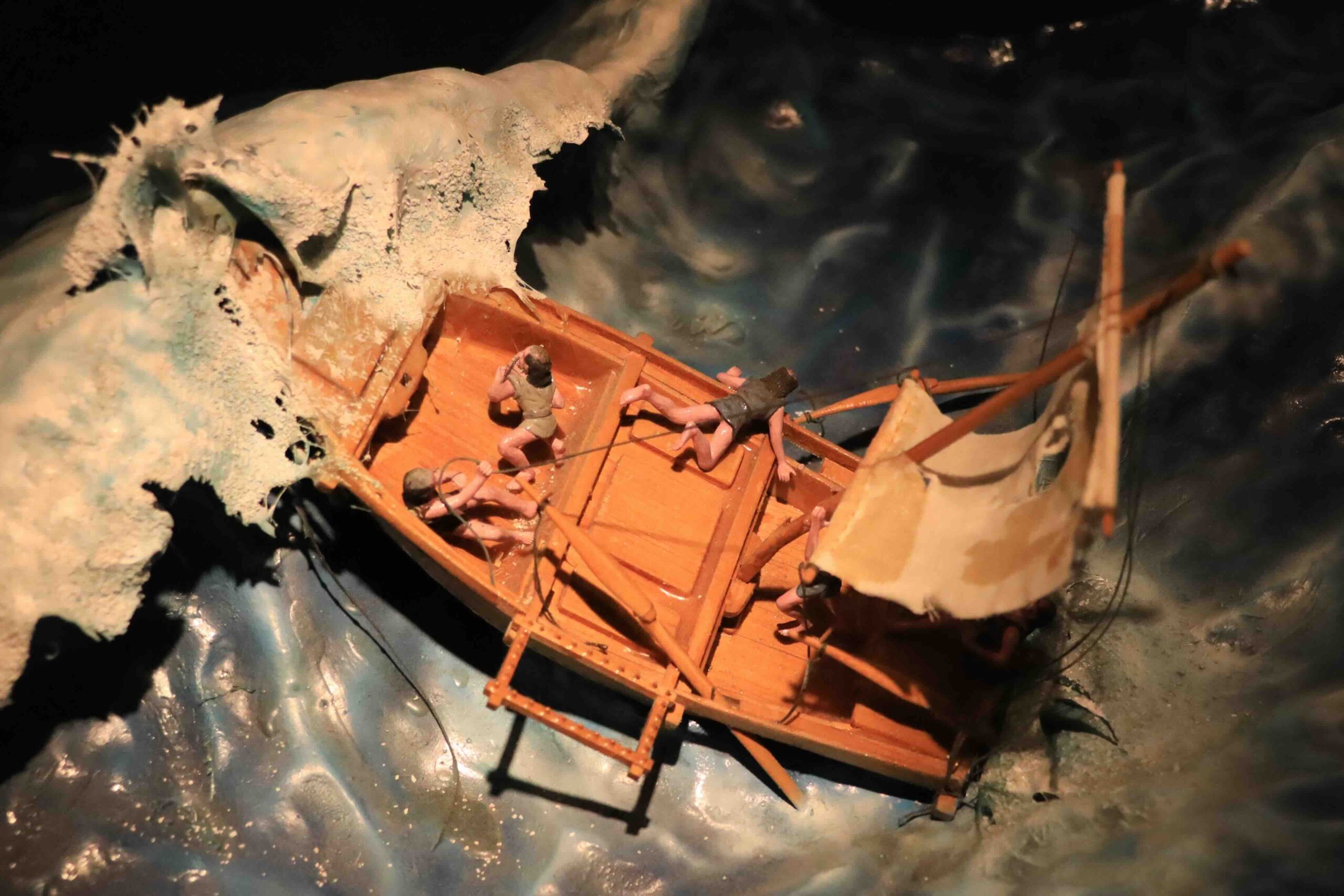
In 1841, a 14-year-old fisherman from a small village in what is now Kochi Prefecture was caught in a storm while fishing off Cape Ashizuri. His boat was swept off course and wrecked. He and four companions drifted for days before washing ashore on an uninhabited island far out in the Pacific Ocean.
Most people never escape a situation like that. Manjiro not only survived — said he went on to become the first Japanese person ever to live in the United States, learned English fluently, studied navigation and surveying, worked on an American whaling ship, joined the California Gold Rush, and eventually returned to Japan, where he became one of the most important figures in the opening of Japan to the outside world.
His story is one of the most remarkable in all of Japanese history. And it begins right here, in Kochi.
Who Was John Manjiro?
Nakahama Manjiro was born in 1827 in Nakahama village, a small fishing village in what is now Tosashimizu City in western Kochi Prefecture. His family was poor, and he began working as a fisherman at a young age to help support them.
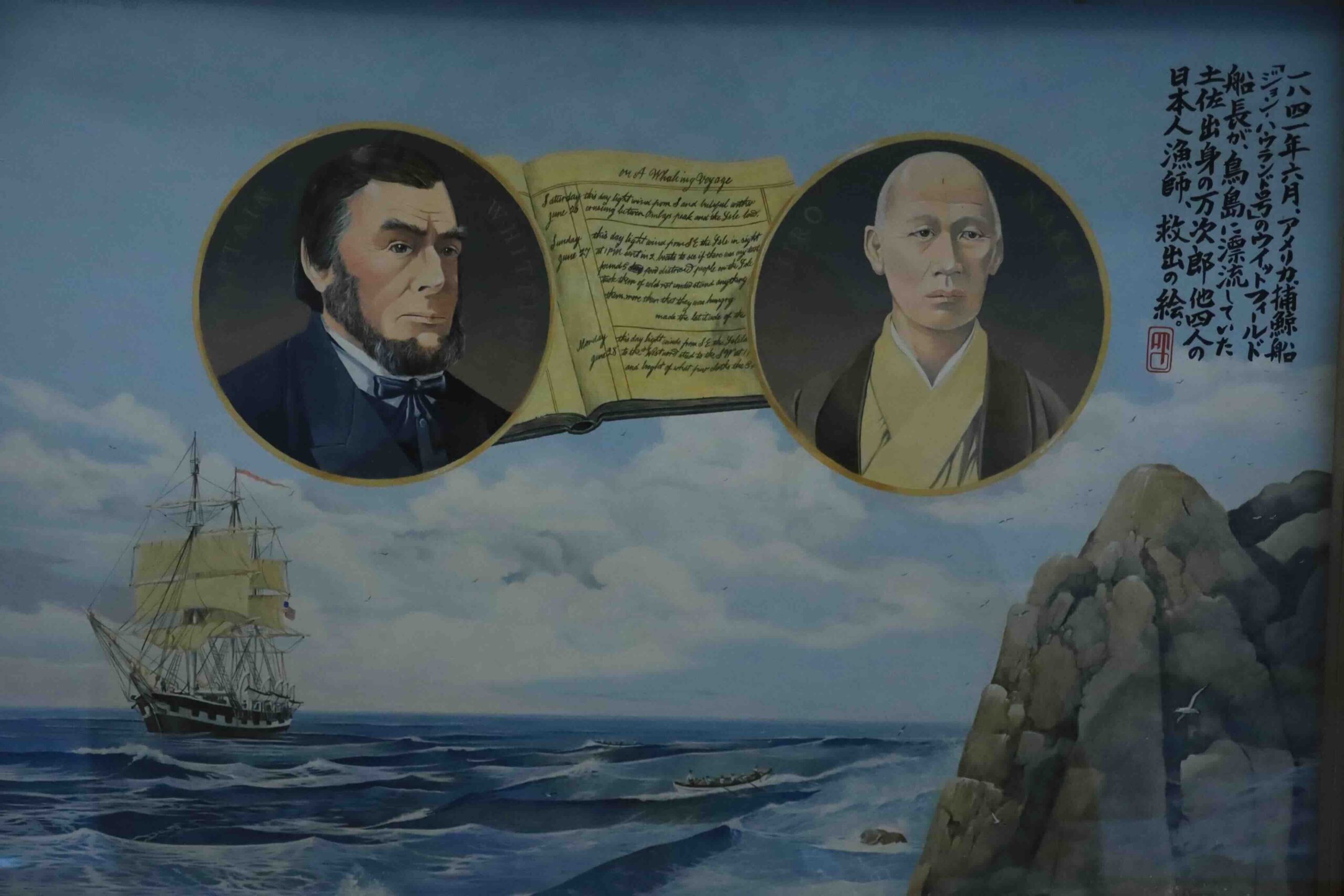
The storm that wrecked his boat in January 1841 changed everything. After drifting for about 5 months, Manjiro and his four companions were rescued by the American whaling ship John Howland, captained by William Whitfield. The captain took an immediate liking to the quick-minded young fisherman. While the other survivors were dropped off at a port in Hawaii, Whitfield brought Manjiro back to his home in Fairhaven, Massachusetts — making Manjiro the first Japanese person known to have lived permanently in America.
A Life Unlike Any Other
In America, Manjiro attended school, learned to read and write in English, and studied navigation, surveying, and shipbuilding. He was given the name John Mung — a nickname that stuck for the rest of his life. He became skilled enough as a sailor to join whaling voyages that crossed the Pacific and Indian Oceans, eventually covering almost the entire globe.
When the California Gold Rush began in 1848, Manjiro joined thousands of others heading to San Francisco to seek his fortune. He earned enough money to pay for passage back toward Japan — which was still closed to foreigners and to Japanese people who had left the country, under penalty of death.
He landed in the Ryukyu Islands(Okinawa) in 1851 and eventually made his way back to Tosa Province — today’s Kochi Prefecture — where he was questioned by authorities for months. But instead of being executed as the law required, his extraordinary knowledge of the outside world made him too valuable to punish. He was brought to Edo, where he became an interpreter, a teacher, and an adviser to the Tokugawa government during one of the most critical periods in Japanese history.
The John Mung Museum
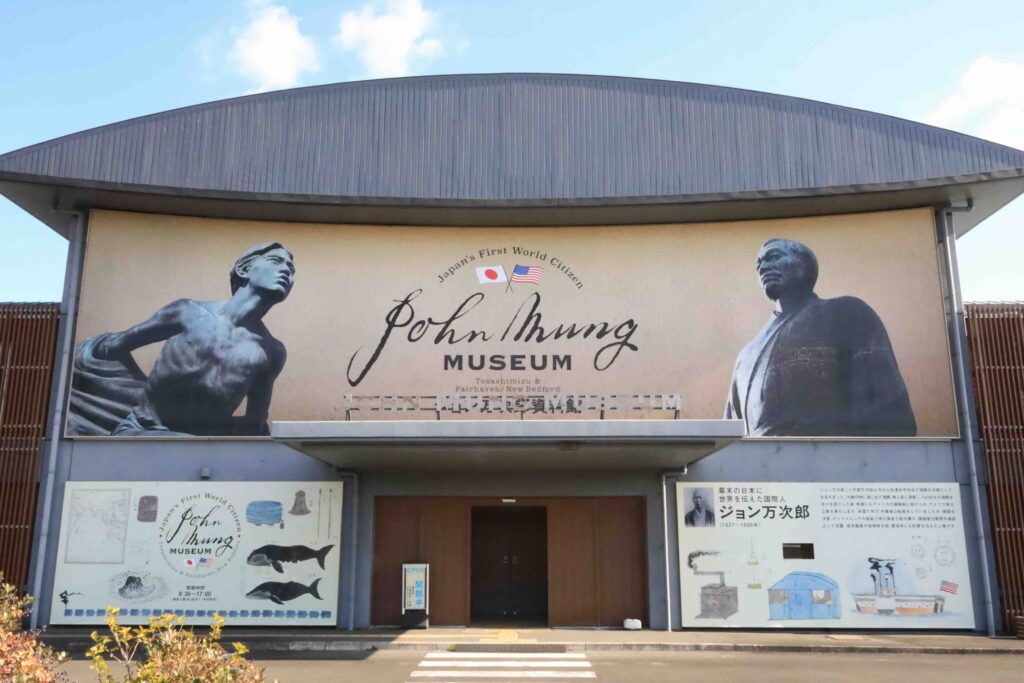
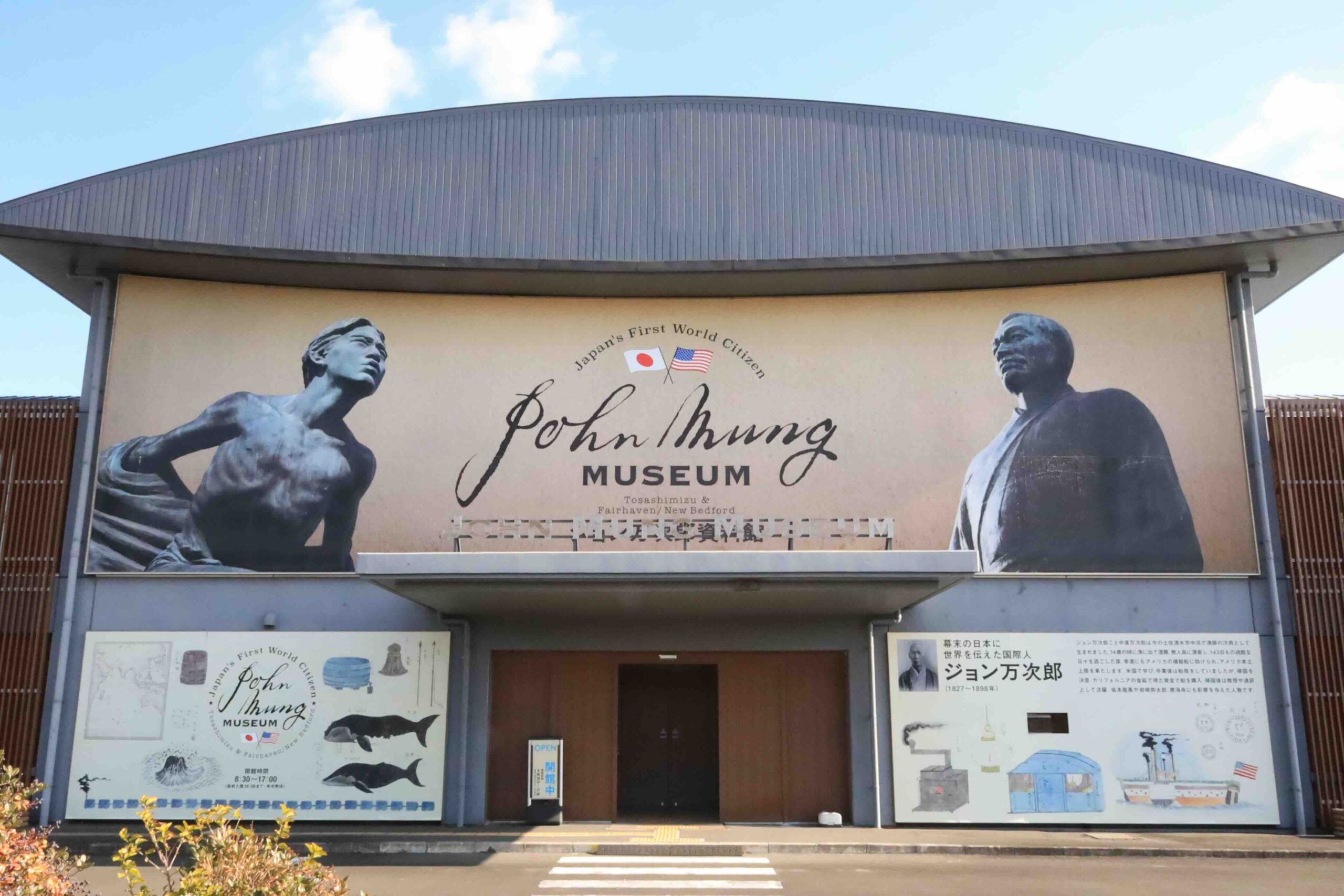
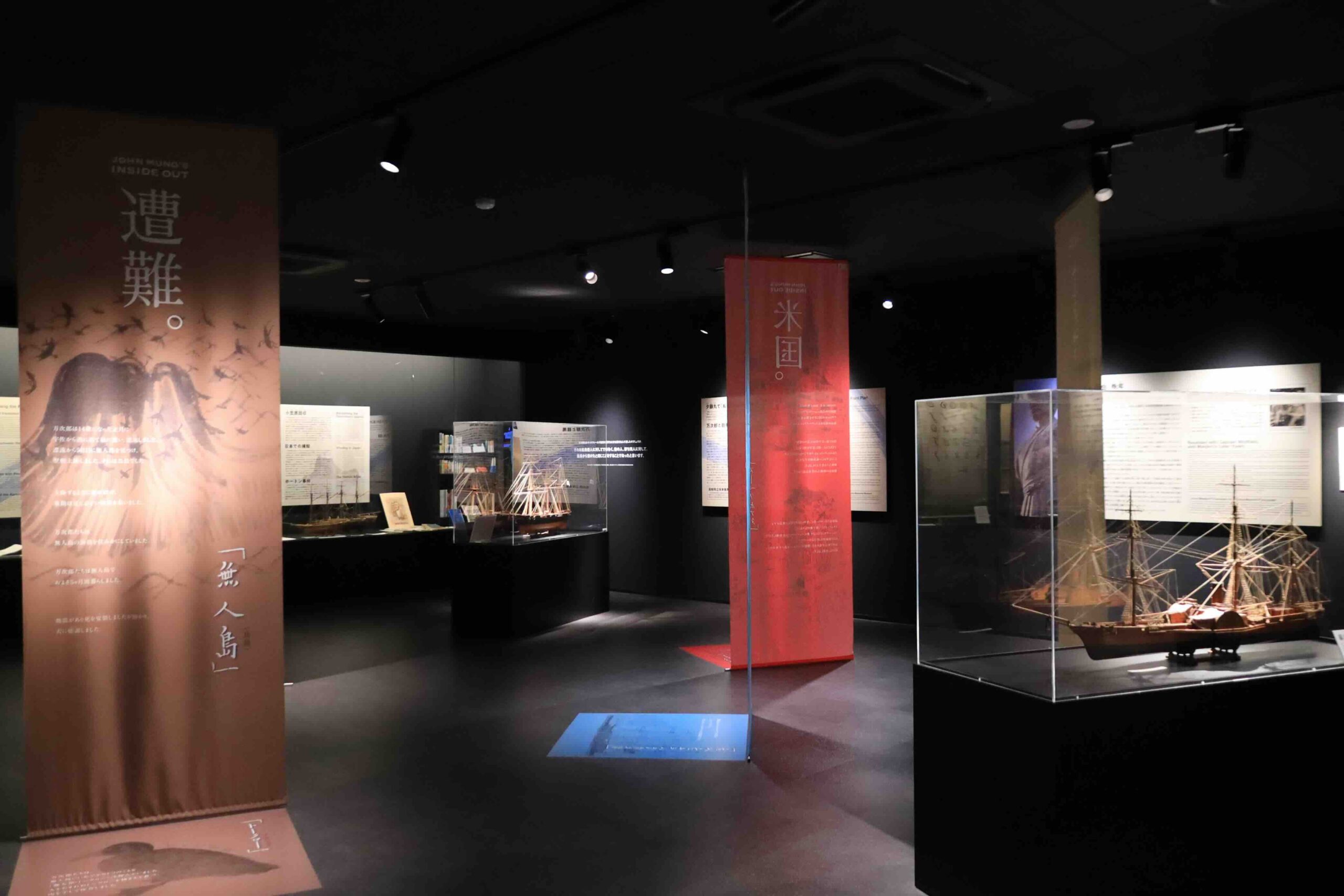
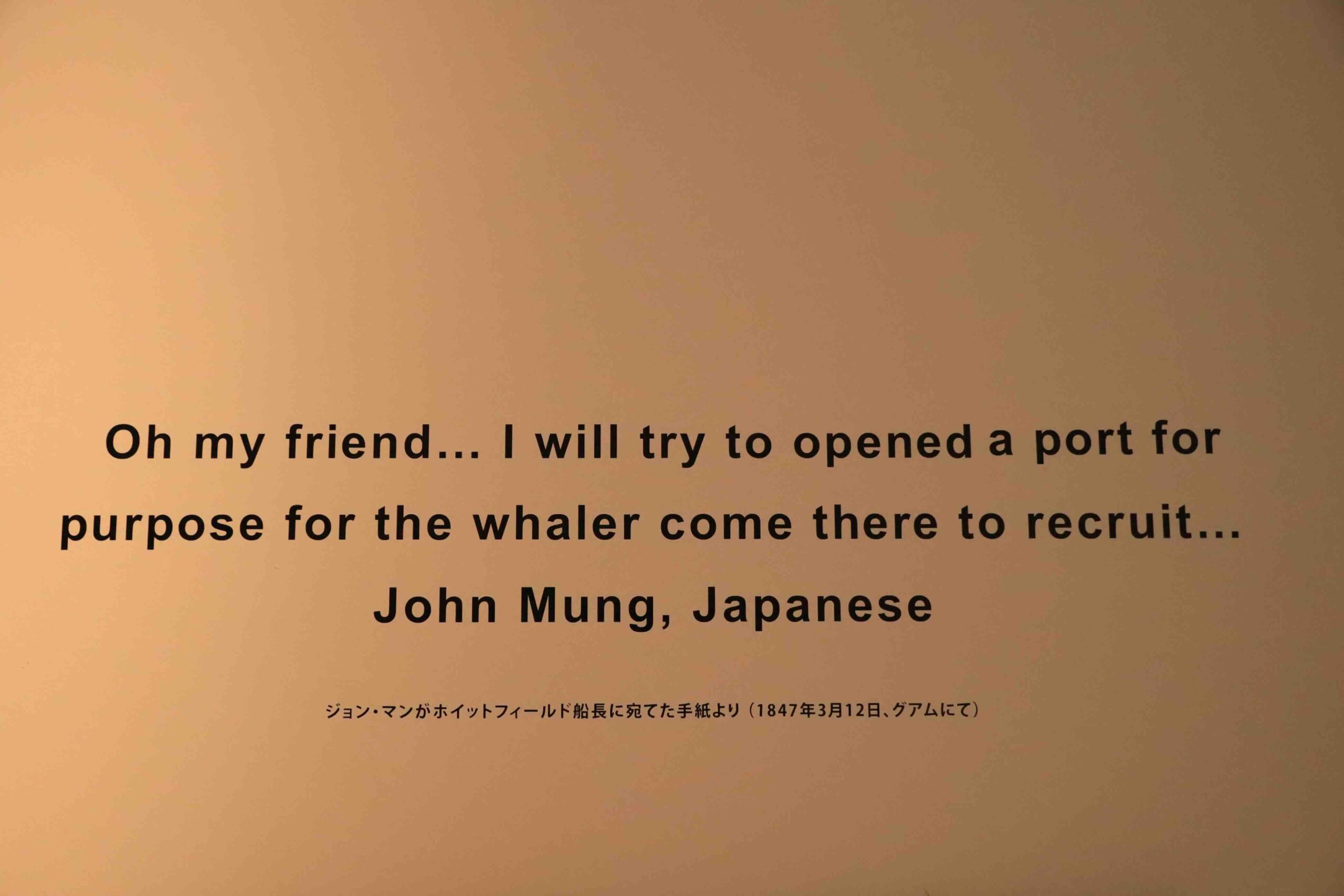
The John Mung Museum in Tosashimizu City tells Manjiro’s complete story through a rich collection of exhibits, documents, models, and artifacts. The museum is well-designed and has strong English-language explanations throughout, making it one of the most accessible historical museums in Kochi for international visitors.
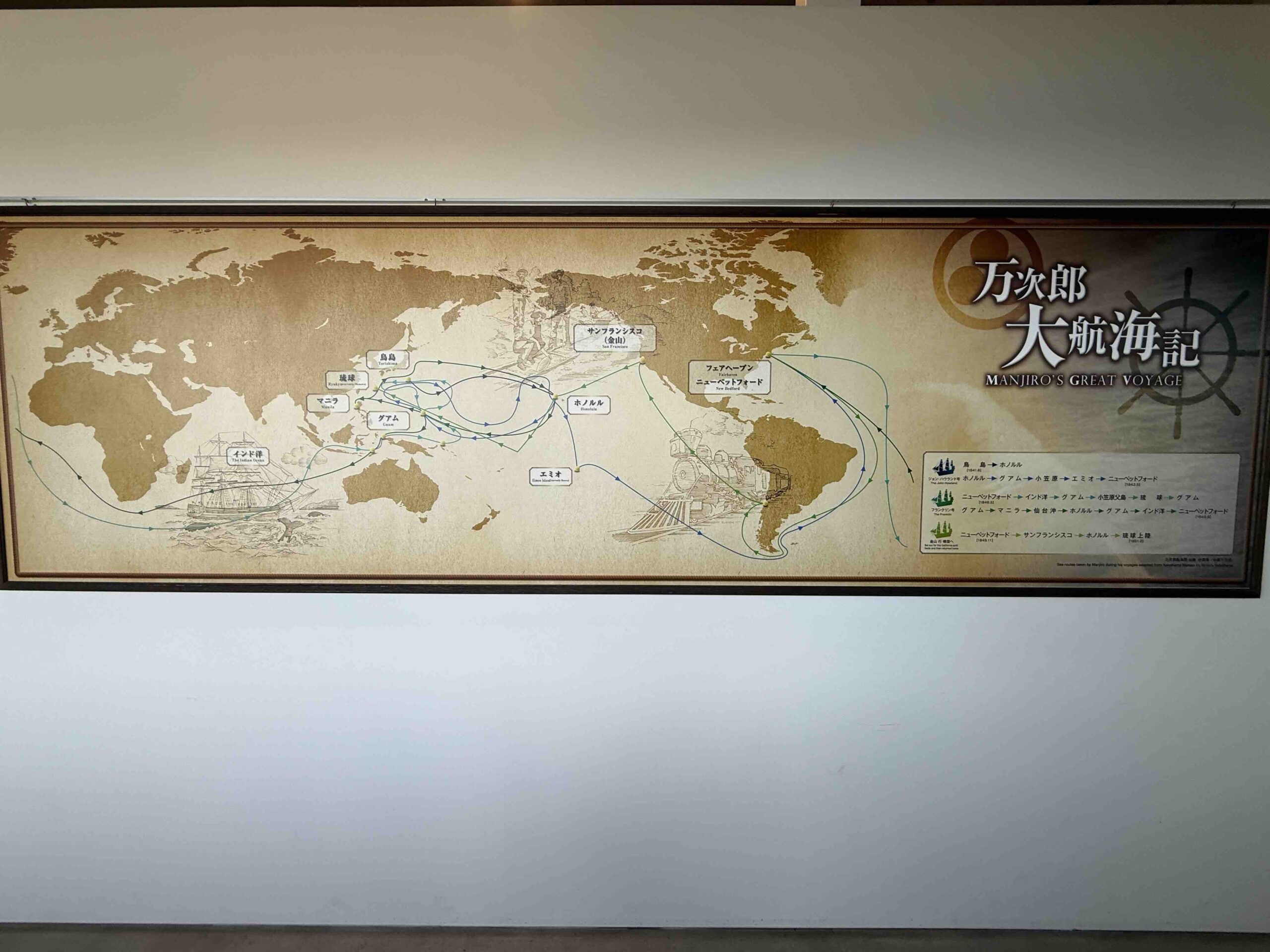
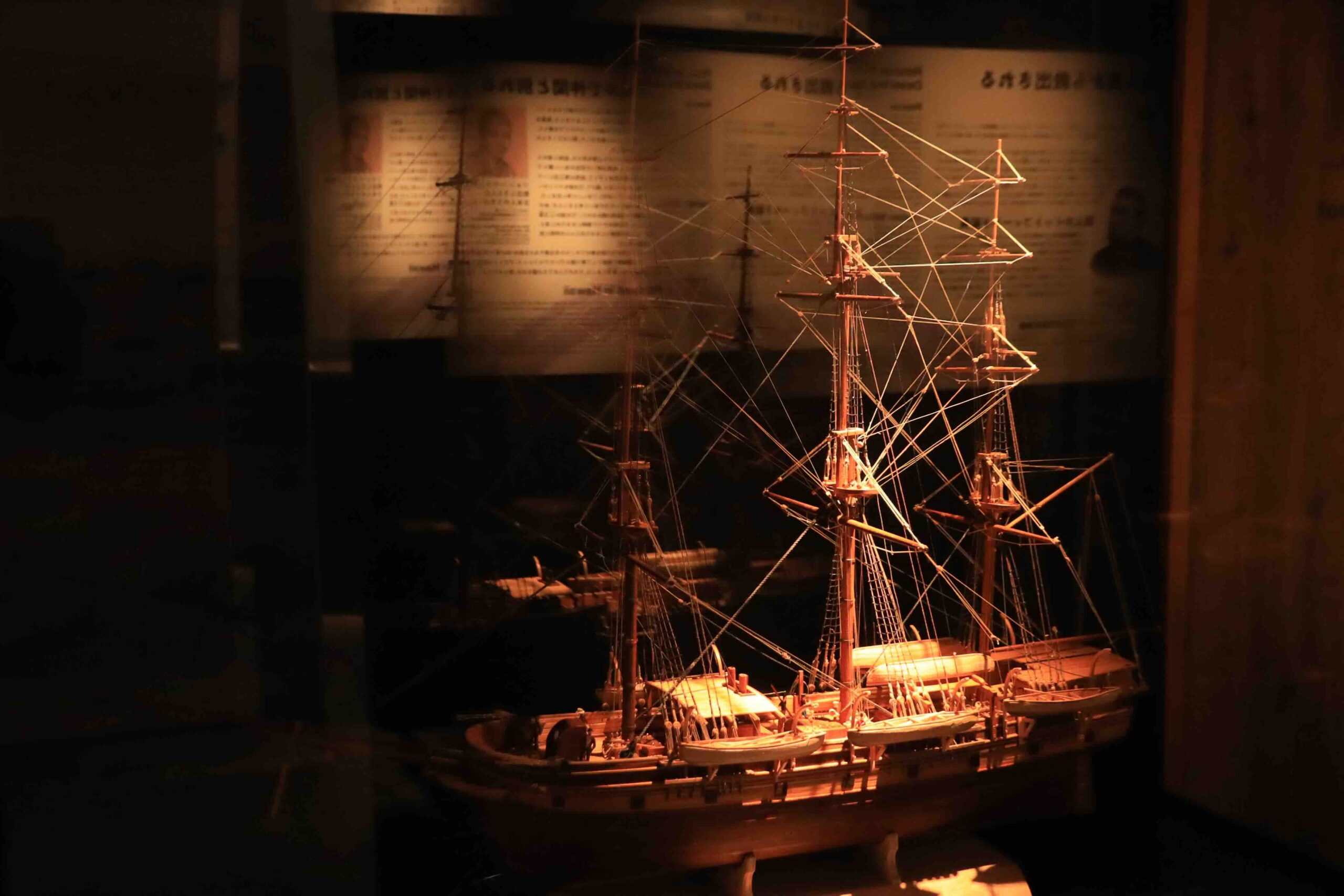
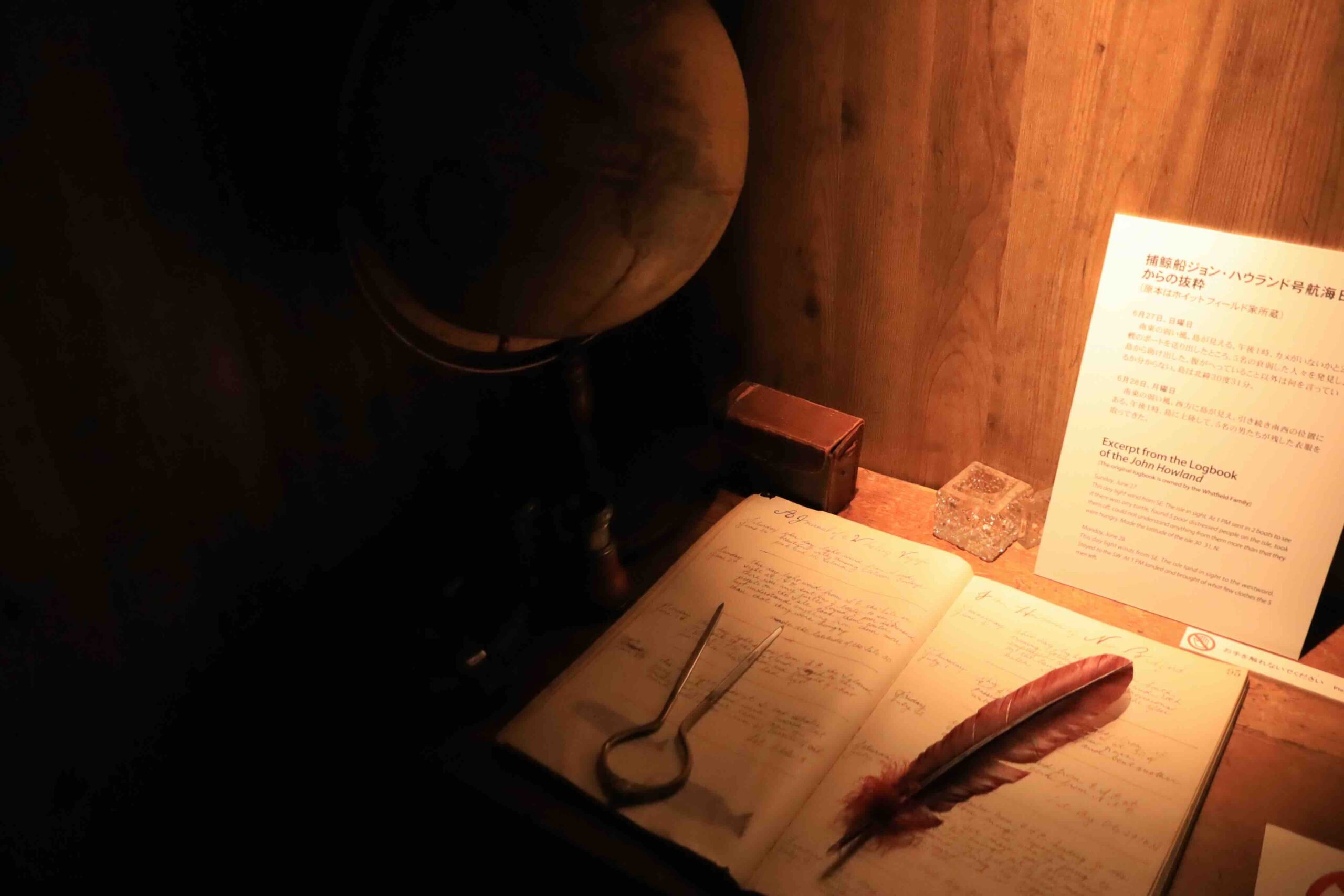
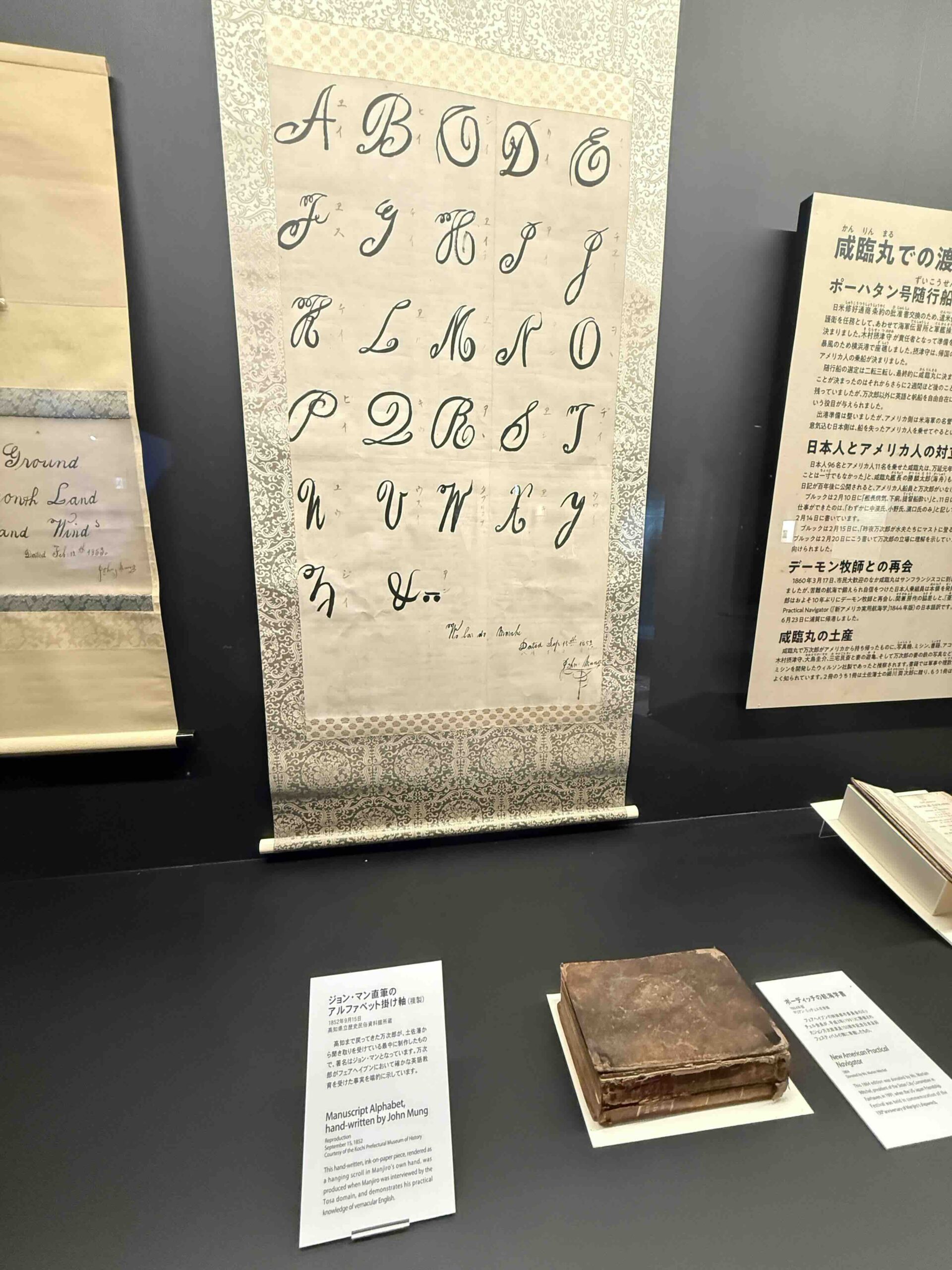
Highlights of the collection include a detailed model of the John Howland whaling ship, a reproduction of the ship’s logbook from the day of the rescue, and a stunning display of Manjiro’s personal handwritten alphabet scroll — evidence of just how determined he was to master the English language. One wall features a large world map tracing all the voyages he made during his lifetime, which is remarkable in its scope even by modern standards.
The Birthplace: Where It All Started
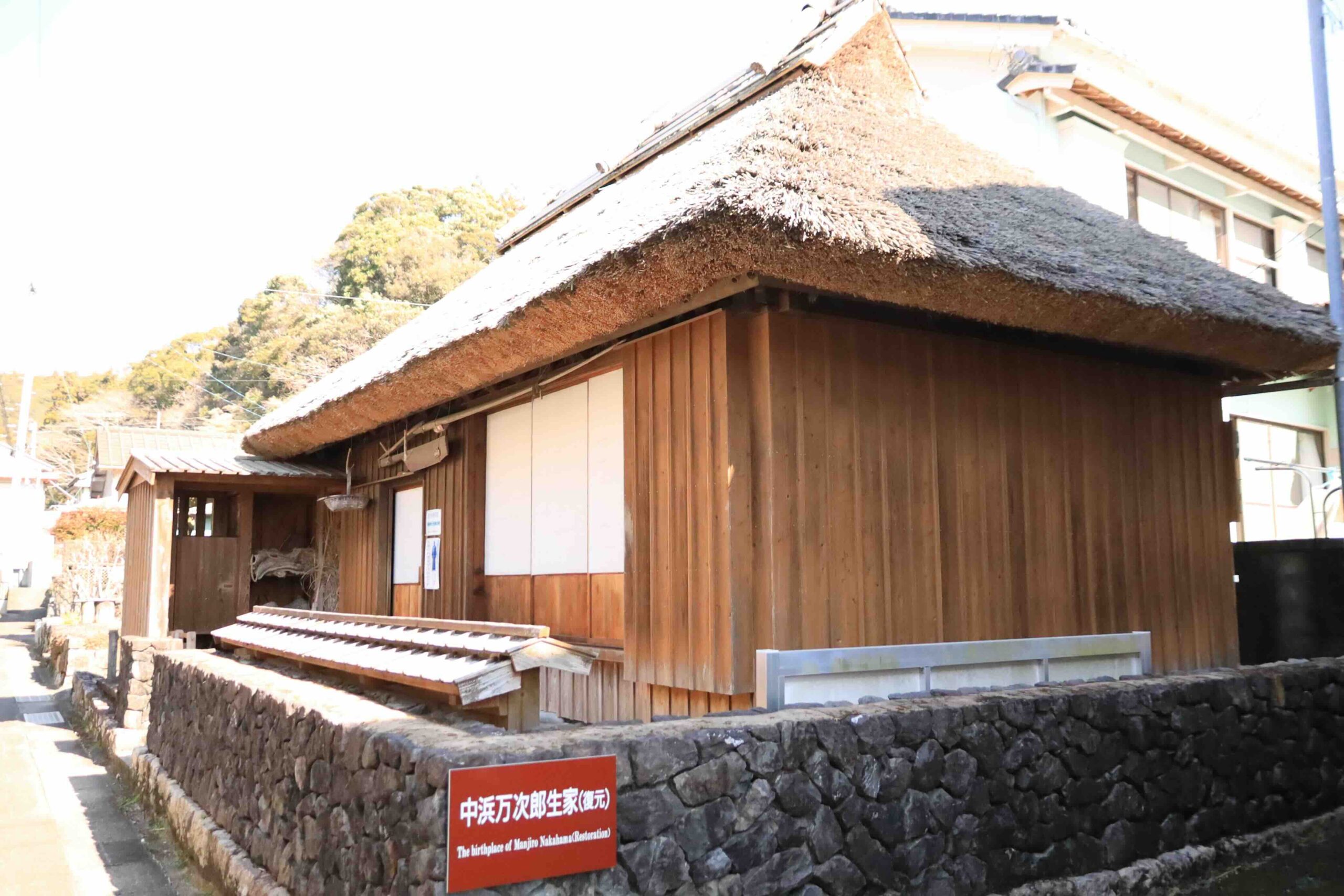
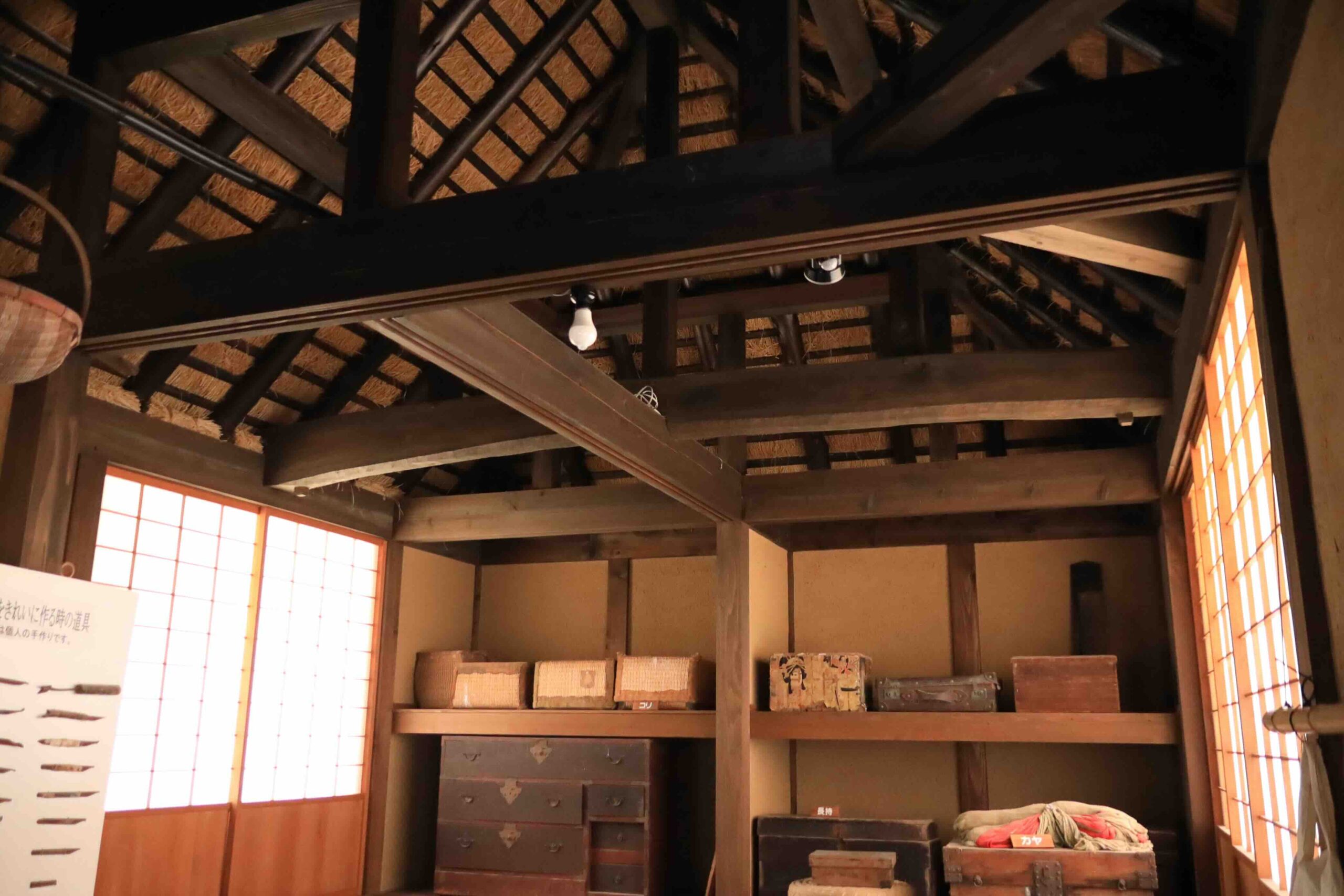
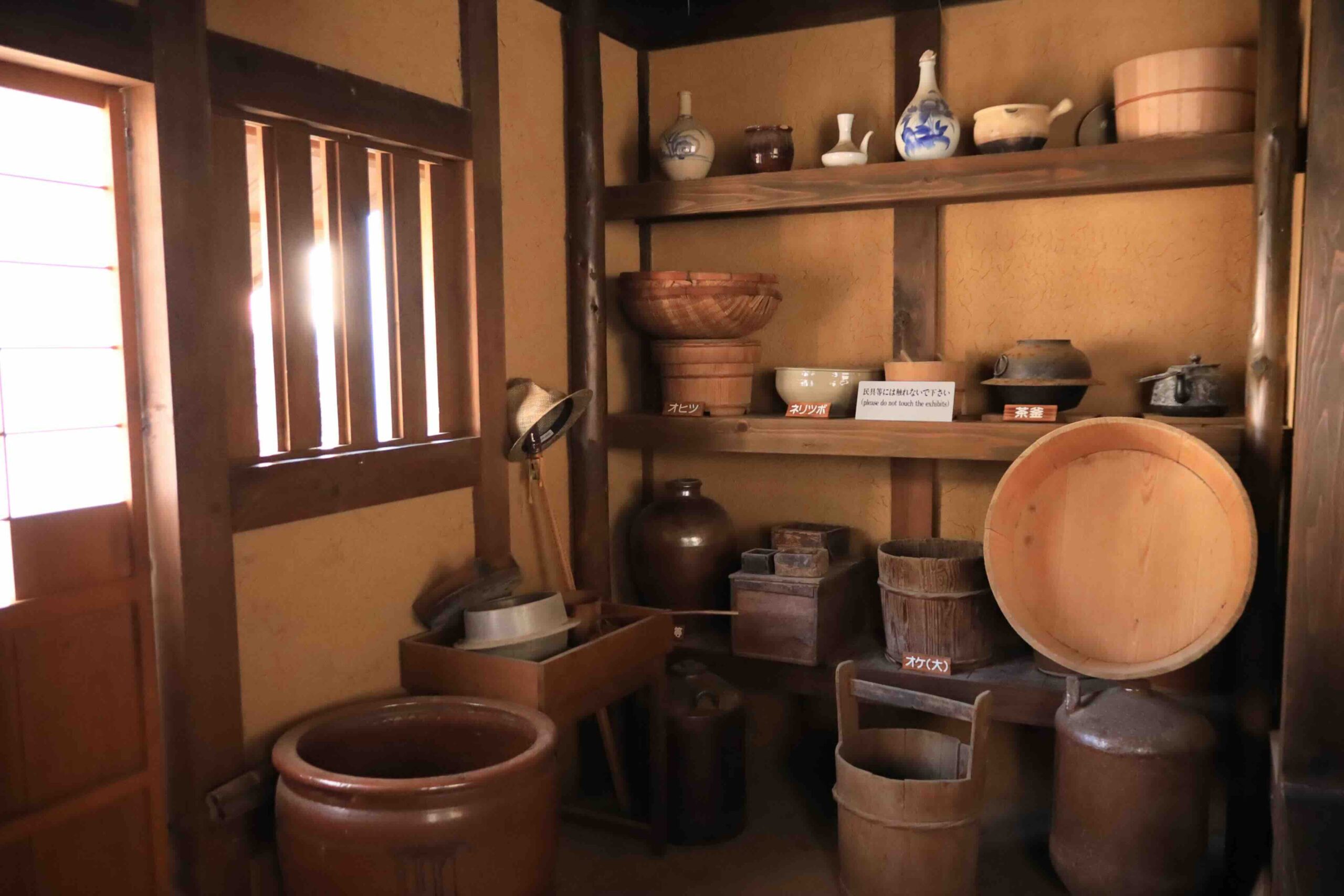
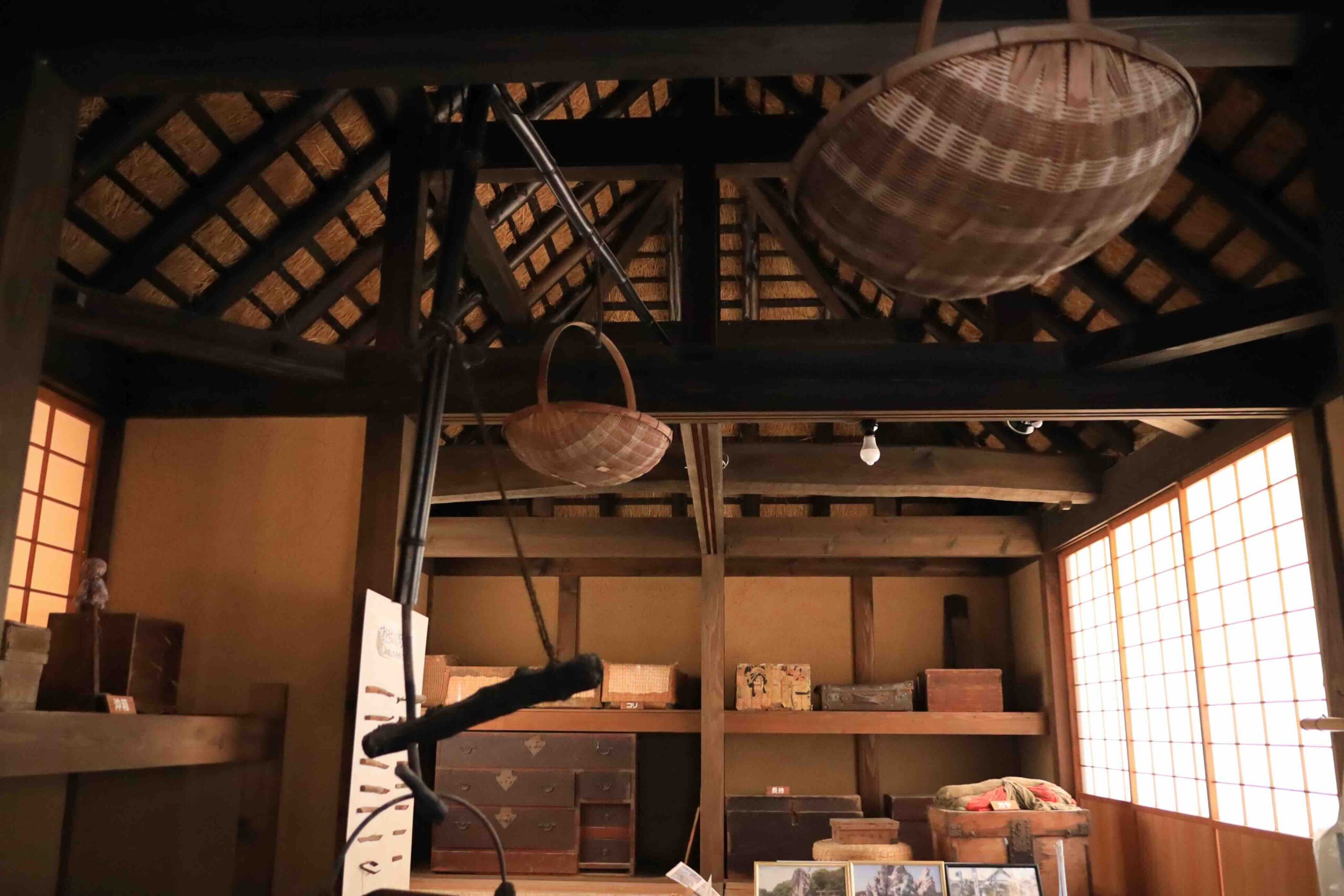
A short drive from the museum, the restored birthplace of Manjiro is preserved in the village of Nakahamamura. The small thatched farmhouse gives a vivid sense of just how humble his origins were — a modest coastal fishing family, living simply, in a house that looks much as it would have in the 1830s. Inside, the rooms are furnished with period household items: old wooden chests, ceramic jars, bamboo baskets, cast iron pots — the everyday objects of a rural Japanese family from nearly 200 years ago.
A Personal Note from Your Guide
I grew up in Usa Town in Tosa City — the very harbor from which Manjiro and his companions set out on that fateful fishing trip in 1841. As a child, I never thought much about it. But since becoming a licensed tour guide, I have had the chance to study Manjiro’s story deeply, and I find it genuinely moving every time I visit this museum.
The place I used to pass every day as a child was the starting point of one of the most extraordinary lives in Japanese history. That connection — between an ordinary harbor town and a man who changed the relationship between two nations — is exactly the kind of thing that makes guiding in Kochi so meaningful to me.
Perfect for Cruise Ship Passengers
Arriving in Kochi by cruise ship? The John Mung Museum is located in Tosashimizu City in western Kochi, and makes an ideal destination for passengers with a particular interest in history or in the relationship between Japan and America. We will handle all the logistics and ensure you are back to the port on time.
Flexible timing options:
- ⏰ 6-hour highlights tour (museum + birthplace)
- ⏰ 8-hour full day (museum + birthplace + Cape Ashizuri)
All tours include comfortable private transportation and make sure you get back to the port in good time.
Explore Kochi’s Remarkable History on Our Highlights Tour
- Private transportation from Kochi cruise port
- Expert English-speaking licensed guide
- Small group experience with no crowds
- Flexible itinerary based on your interests
- Plenty of buffer time to return to the ship