
How to Visit Chikurinji Temple: A Complete Guide for Kochi Shore Excursion
What would you do if you had just a few hours in Kochi, Japan? For many cruise ship passengers, the answer is simple — visit a place that feels truly different from anything back home. Chikurinji Temple is exactly that kind of place. It is one of the most beautiful temples in all of Shikoku, and it sits right in the heart of Kochi city, just a short drive from the cruise terminal.
You don’t need to know anything about Buddhism or Japanese culture to enjoy this place. But knowing a few simple customs will make your visit more meaningful — and more fun. This guide walks you through everything, step by step.
What Is Chikurinji Temple?
Chikurinji is Temple Number 31 on the famous Shikoku Pilgrimage — an 1,200-kilometer walking route that visits 88 temples across the island of Shikoku. This pilgrimage was created in honor of Kobo Daishi, a Buddhist monk who lived more than 1,000 years ago. He is one of the most important figures in Japanese history, and people in Kochi still deeply respect him today.
The temple was founded over 1,300 years ago. It sits on top of a small hill called Godaisan, surrounded by thick forest. When you arrive, you will notice how quiet it feels — even on a busy day. The sound of birds, the smell of incense, and the sight of ancient stone lanterns create a very special atmosphere.
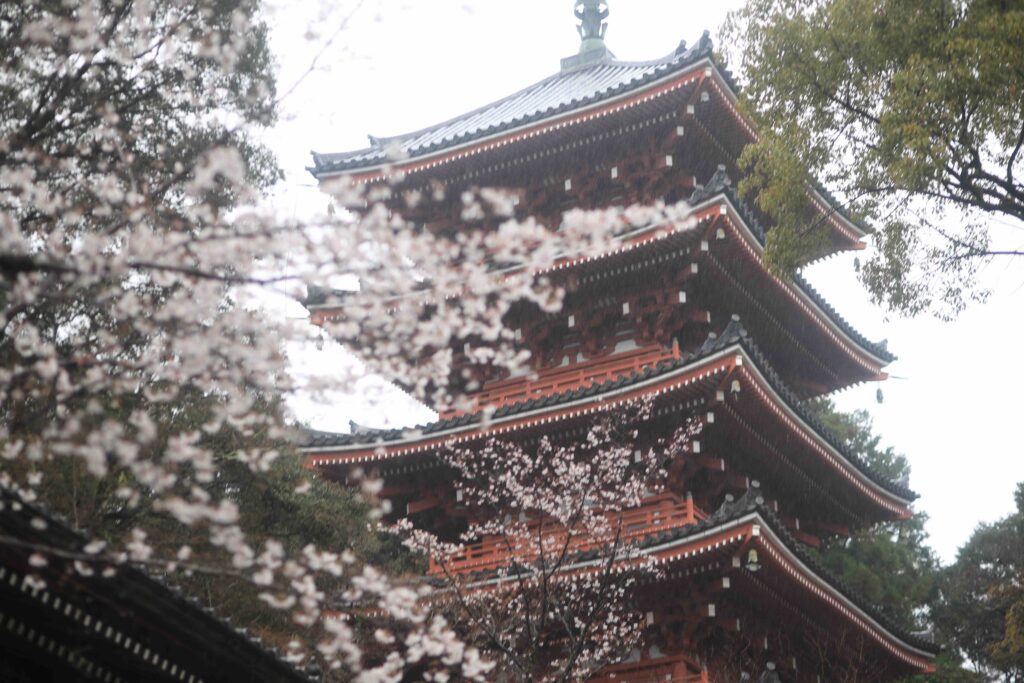
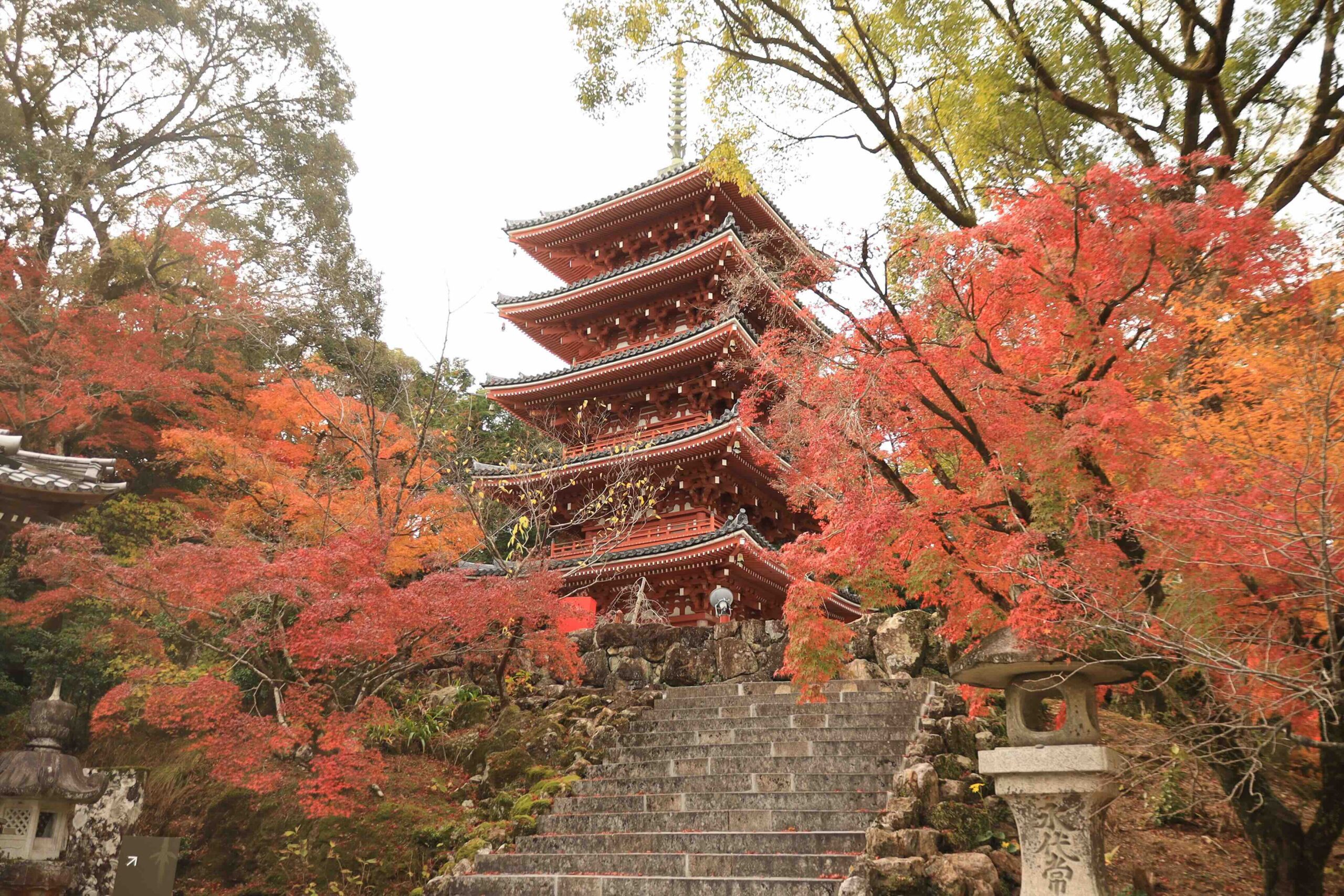
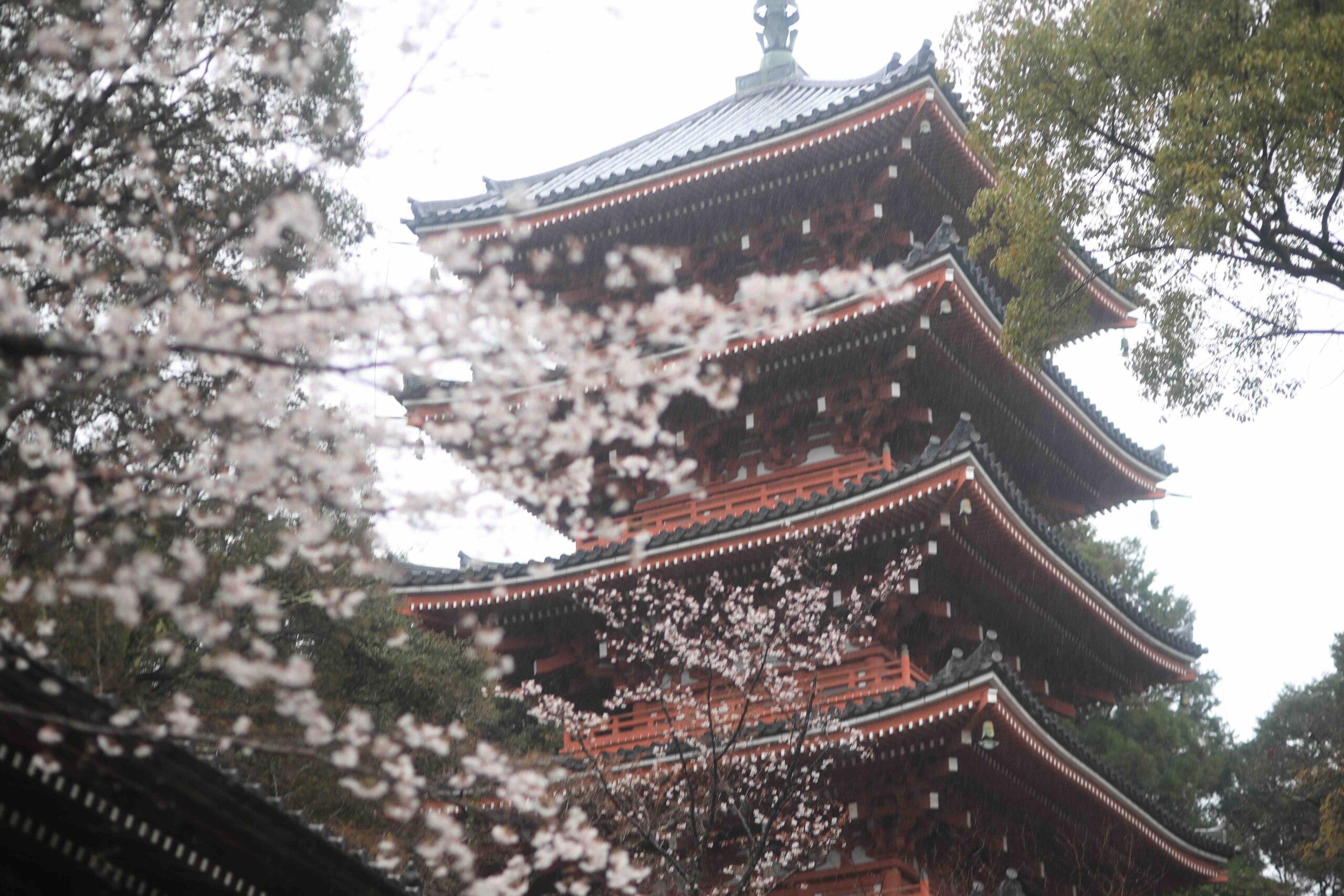
The five-story pagoda is the most famous part of the temple. It is stunning in spring when cherry blossoms surround it, and in autumn when the maple leaves turn bright red and orange.
The Two Main Halls You Need to Visit
Like all temples on the Shikoku Pilgrimage, Chikurinji has two important halls — and the order matters.
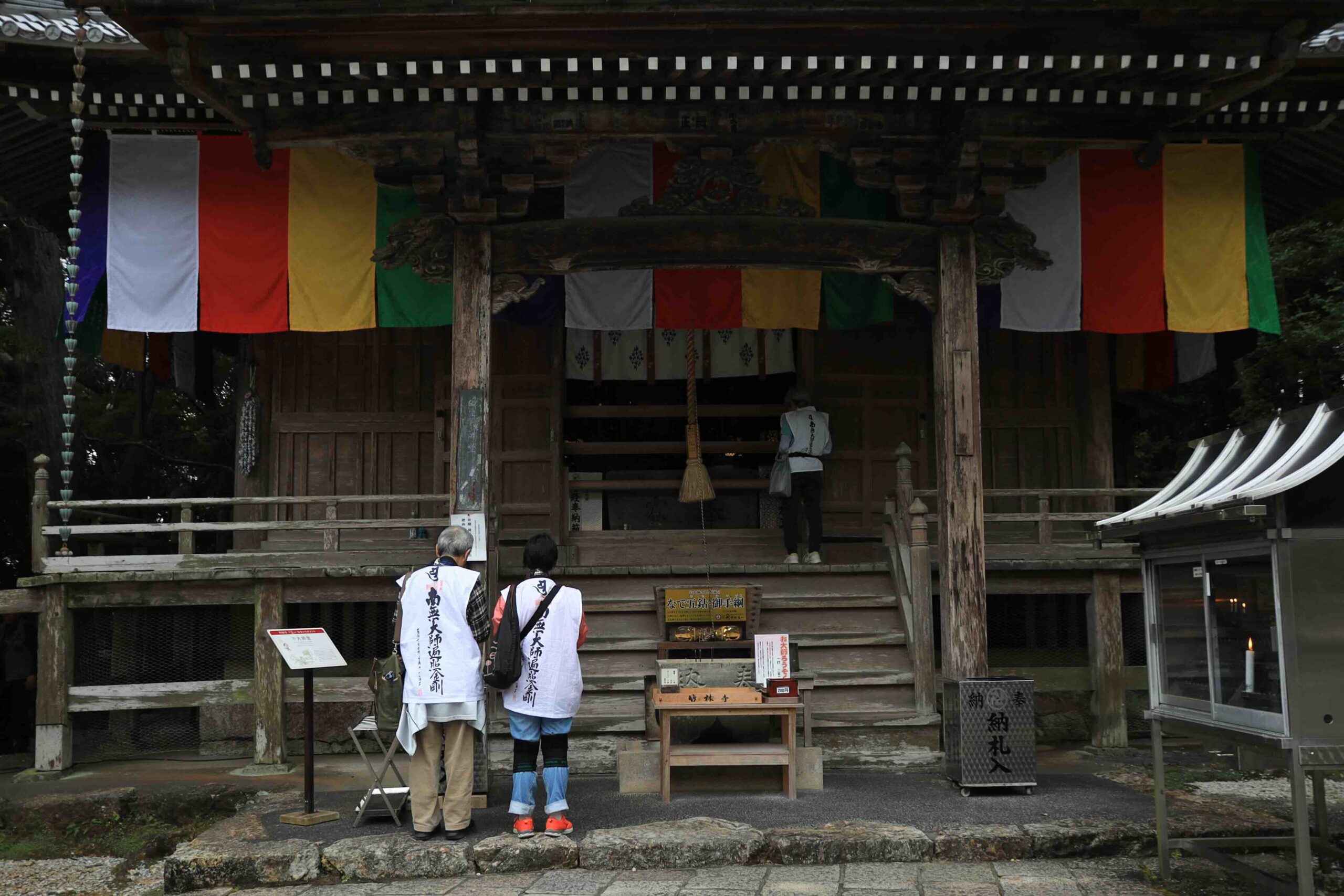
The first is the Hondo (本堂), or Main Hall. This is where the temple’s main deity is enshrined. At Chikurinji, that is Monju Bosatsu, the bodhisattva of wisdom. You always visit the Main Hall first.
The second is the Daishi-do (大師堂), or Daishi Hall. This hall is dedicated to Kobo Daishi himself, and it is located a short walk from the Main Hall. After praying at the Main Hall, you walk here and pray again.
Visiting both halls in this order is the heart of the Shikoku Pilgrimage tradition. As a visitor, you are very welcome to follow the same steps.
The Correct Order: How to Visit the Temple
There is a traditional order for visiting a Shikoku Pilgrimage temple. You don’t need to follow every step perfectly, but knowing the flow will help you feel more comfortable — and show respect to the pilgrims around you.
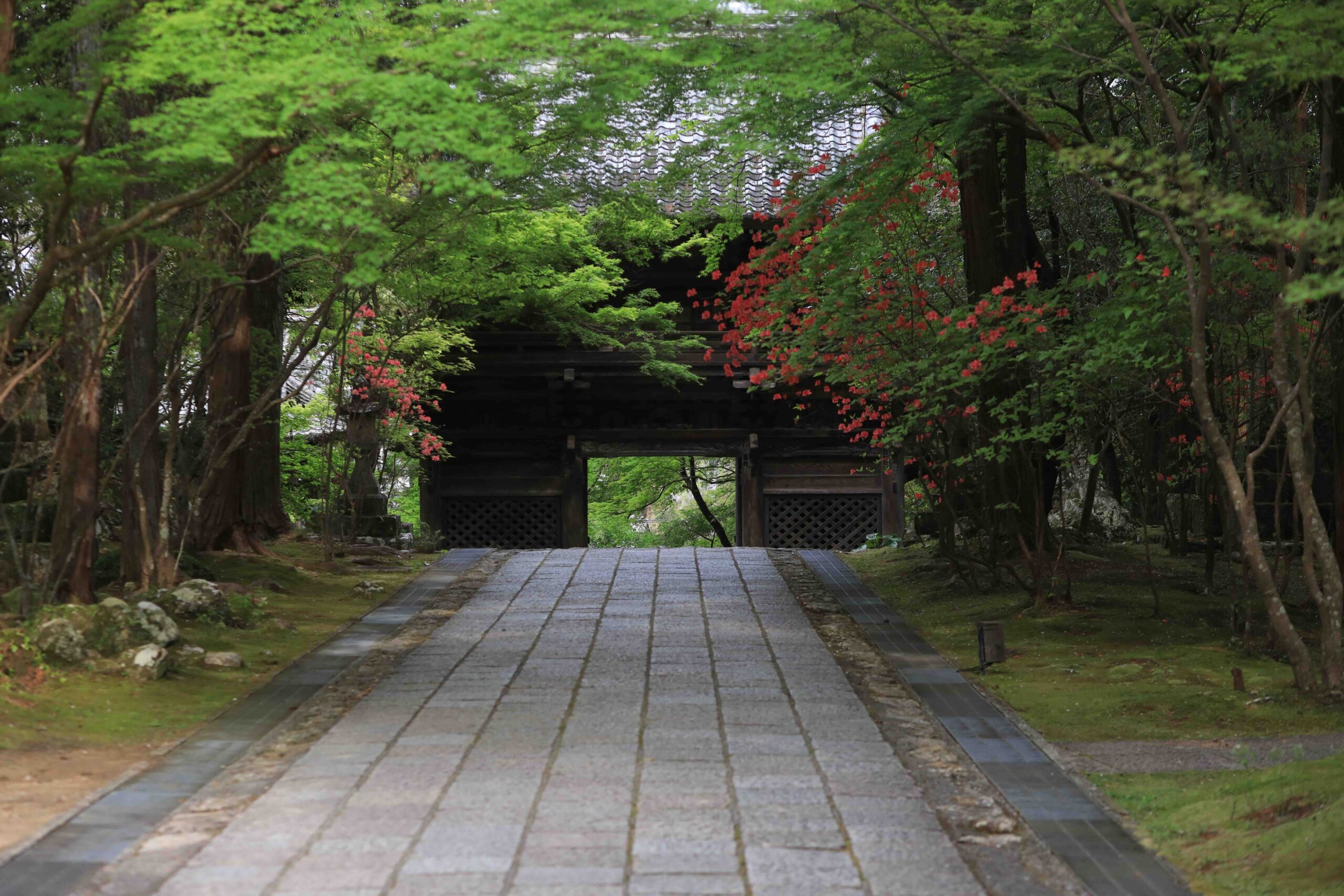
Step 1: Bow at the Main Gate (Sanmon)
Before you walk through the main gate, stop, join your hands together, and bow once toward the temple. This is a simple greeting to the Buddha and to Kobo Daishi. The inside of the gate is considered a sacred space, so this small gesture marks the transition from the outside world. Remove your hat before bowing as a sign of respect.
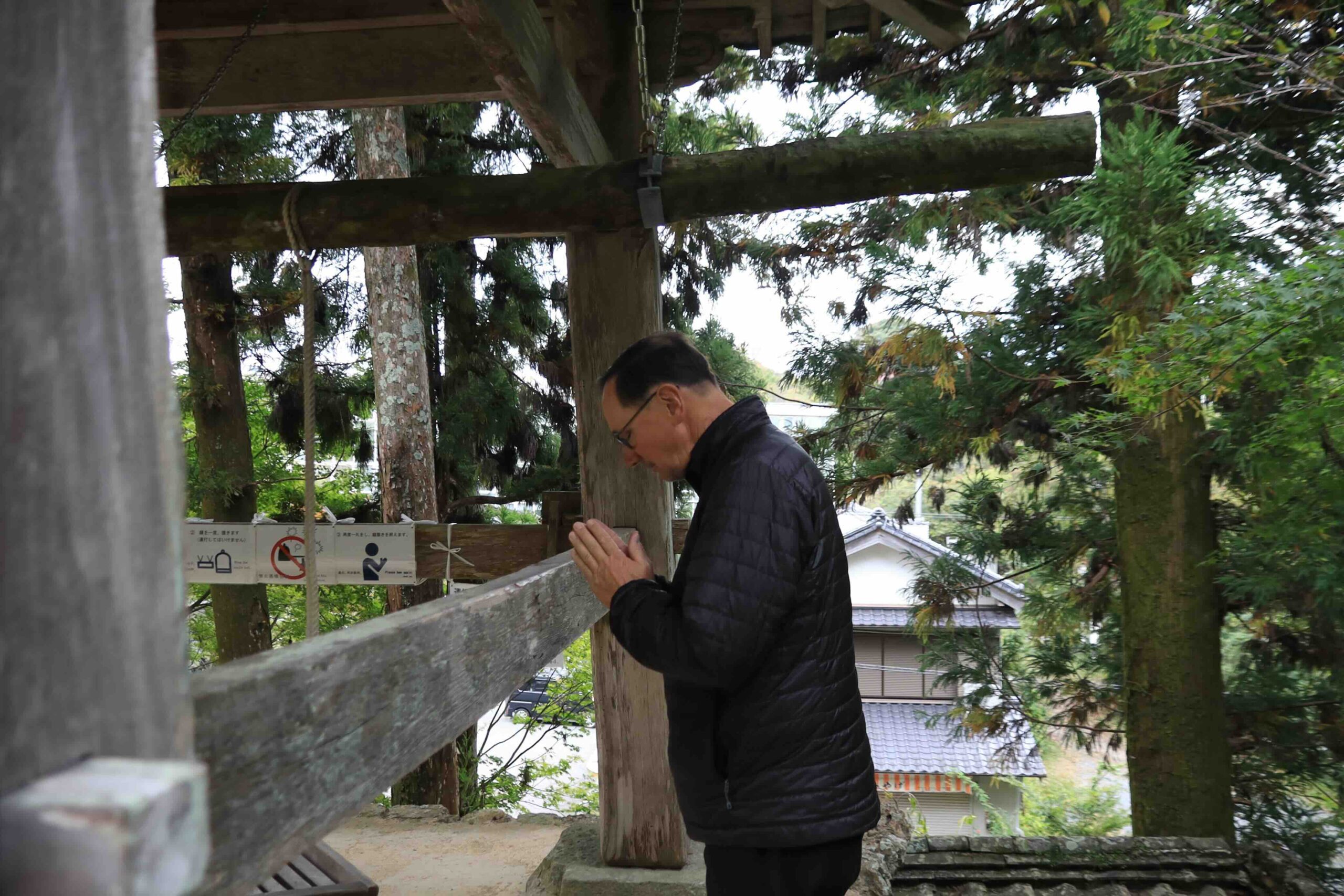
Step 2: Ring the Temple Bell (Shoro)
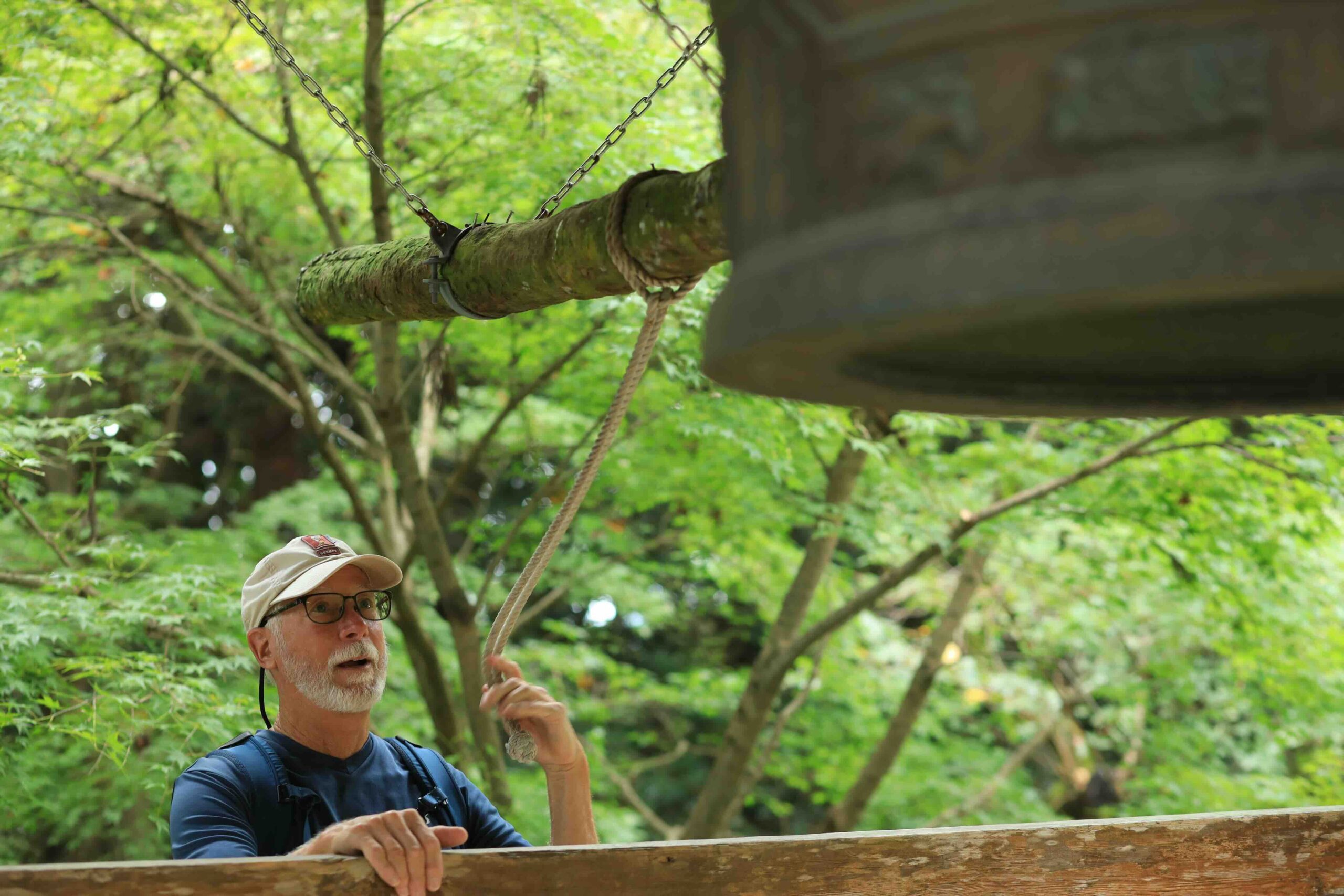
After passing through the gate, look for the bell tower called the shoro. At Chikurinji, the bell tower is located before the hand-washing area, so you ring the bell first. If it is open to visitors, ring the bell once before you start praying. The bell is a signal to the temple that you have arrived, and the sound is said to reach the Buddha.
Pull the rope gently — the goal is a clear, calm tone, not a loud noise. One ring is enough.
One very important thing to remember: ring the bell before praying, never after. Ringing the bell on the way out is called degane, and it is considered very bad luck — it is associated with the bell that is rung at funerals. If you forget before praying, just skip it. Also, some temples do not allow visitors to ring the bell at all, so always check for a sign near the bell tower first.
Step 3: Wash Your Hands (Temizuya)
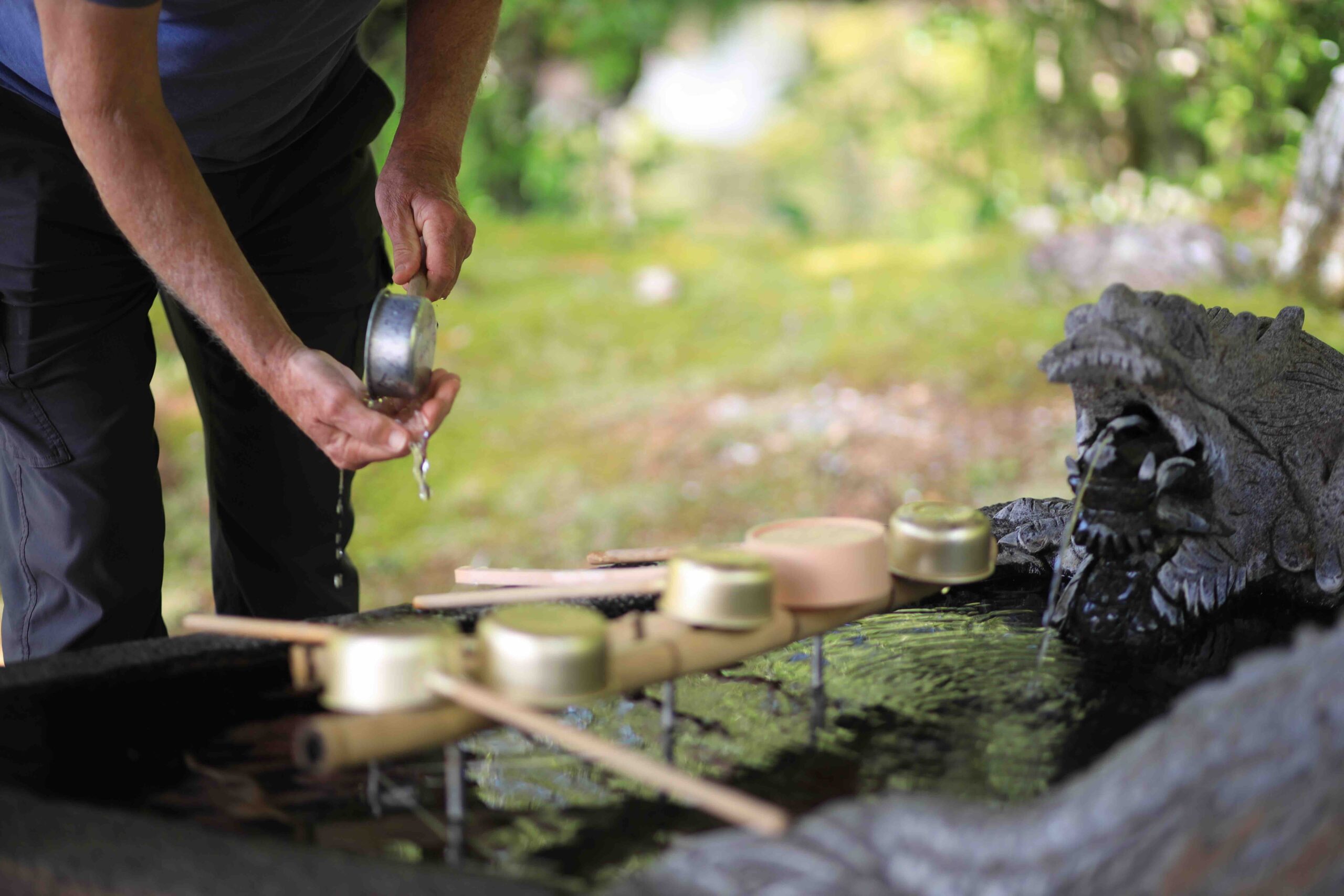
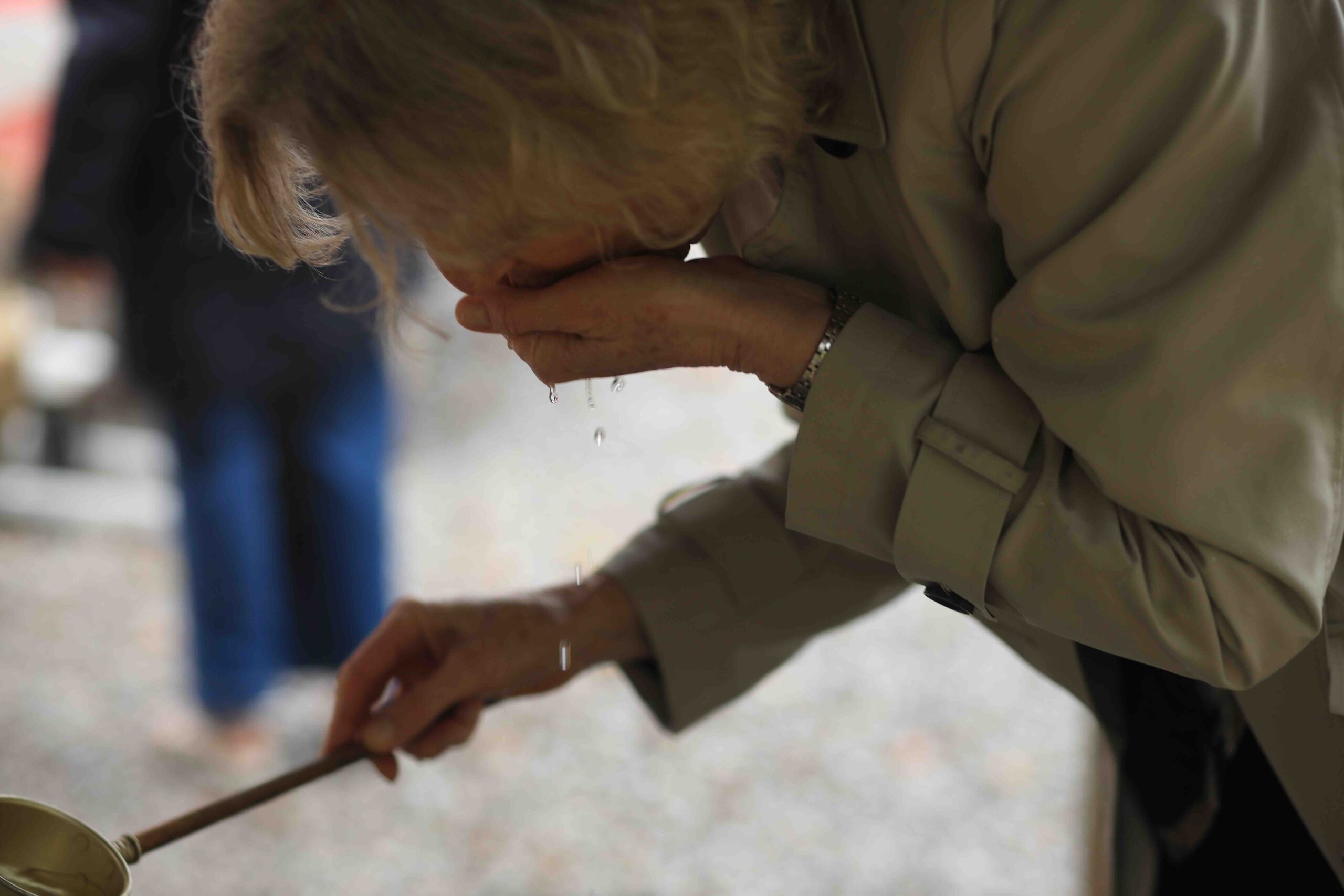
Next, find the stone water basin called a temizuya to purify yourself before praying. Here is how to do it properly — all with one ladle of water, so fill it generously:
- Hold the ladle with your right hand and pour water over your left hand.
- Switch the ladle to your left hand and rinse your right hand.
- Hold the ladle with your right hand again, pour a small amount into your left palm, and quietly rinse your mouth. Do not touch the ladle with your lips, and do not swallow the water.
- Rinse your left hand once more.
- Finally, hold the ladle upright so the remaining water runs down the handle to clean it.
Step 4: Pray at the Main Hall (Hondo)
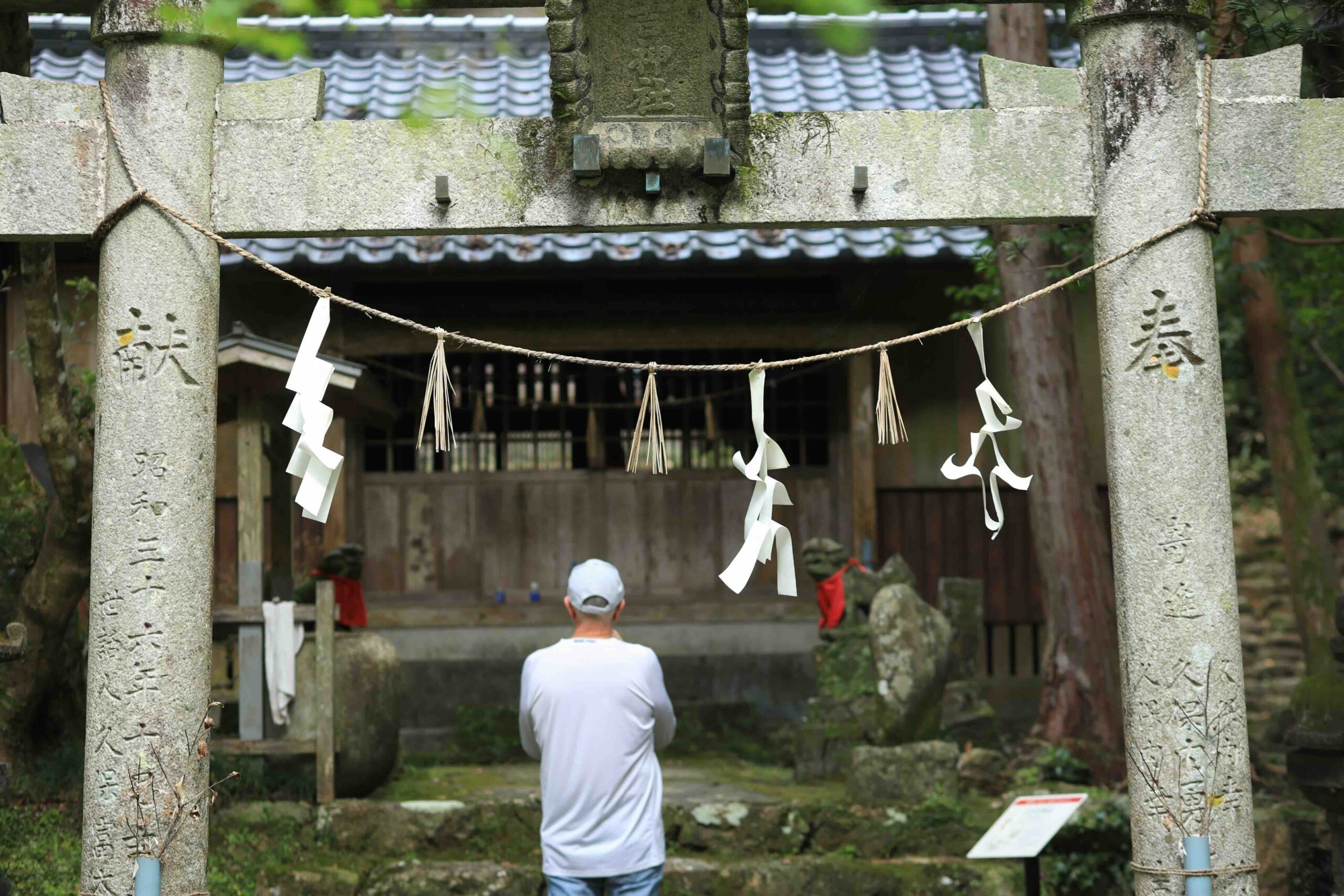
Walk to the Main Hall. Here is what pilgrims traditionally do at each hall — and what you can try too:
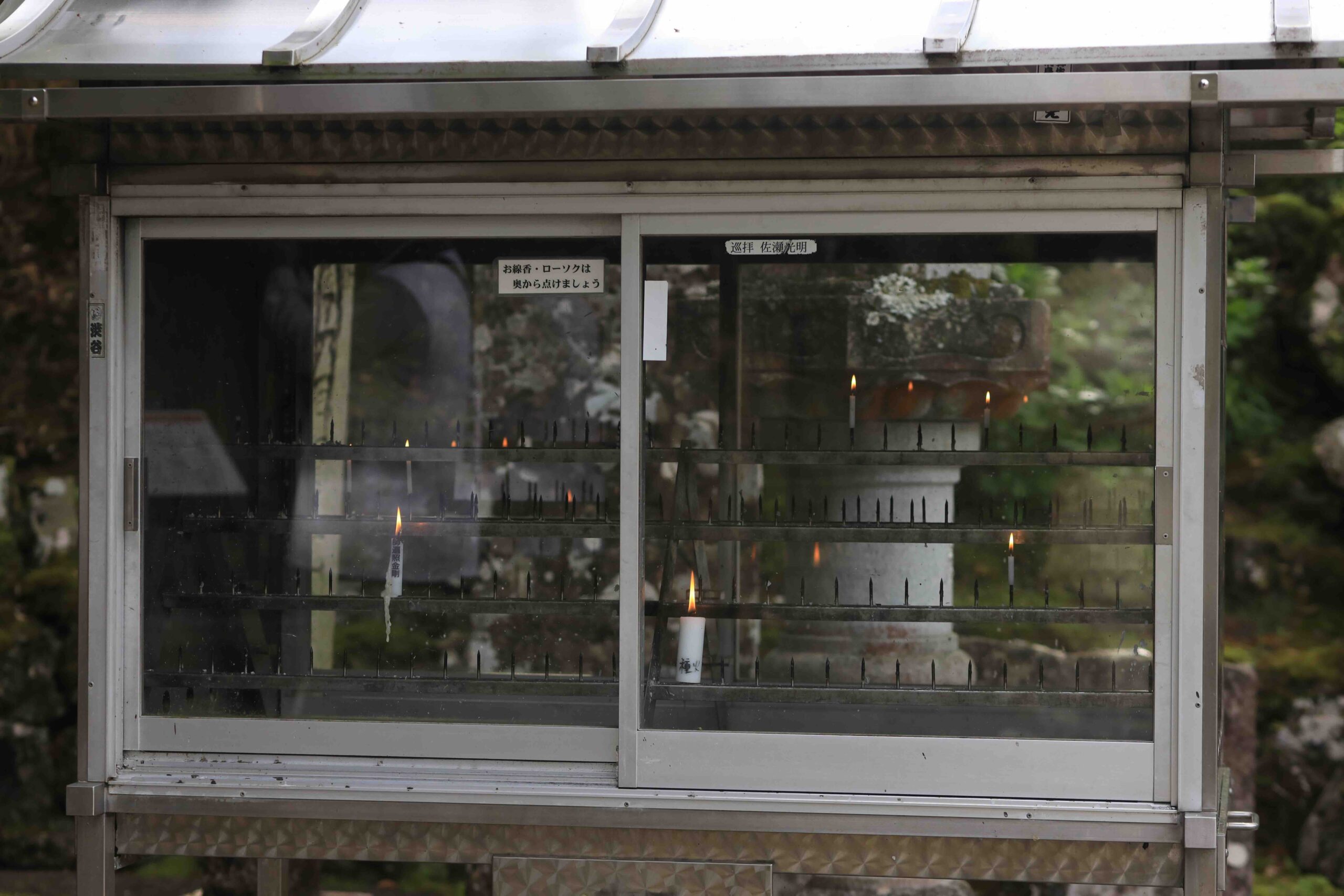
- Light a candle. Place it in the candle holder, starting from the back row. You can buy candles at the temple shop for a small fee. Important: always light your own candle yourself — never from another person’s candle. In Buddhist tradition, lighting from someone else’s flame means taking on their karma.
- Light three sticks of incense from your own candle and place them in the incense burner, again from the back. Three sticks represent the three aspects of Buddhist practice.
- Place your osamefuda (the paper prayer slip — more on this below) in the wooden box in front of the hall.
- Offer your saisen (お賽銭). Gently toss a coin into the offering box. There is no set amount — any coin is fine. The gesture itself is what matters. Toss it softly, not forcefully. Many Japanese people like to use a 5-yen coin (五円, go-en), because the word sounds like “good connection” in Japanese. It is a nice small detail to know.
- Join your hands and bow. Take a quiet moment to pray. A simple, sincere pause is all you need.
Step 5: Pray at the Daishi Hall (Daishi-do)
After the Main Hall, walk to the Daishi Hall and repeat the same steps. This hall is dedicated to Kobo Daishi himself, so the feeling here is a little different — more personal, more intimate. Many pilgrims linger here longer than at the Main Hall.
Step 6: Collect Your Goshuin (Optional)
After visiting both halls, go to the temple office to receive a goshuin — a hand-written calligraphy stamp. A temple staff member will write the temple’s name and today’s date in brush calligraphy right in front of you, then add official red stamps. It usually costs around 300 to 500 yen, and you will need a special stamp book called a goshuincho — available at the temple shop. Always collect the goshuin after praying, not before.
Step 7: Bow Again at the Gate on Your Way Out
When you leave the temple grounds, turn back toward the gate and bow once more. This is a gesture of thanks for the visit — and a nice way to close the experience.
The Osamefuda: The Pilgrim’s Paper Slip
One of the most interesting traditions of the Shikoku Pilgrimage is the osamefuda — a small paper slip that pilgrims carry with them. Each pilgrim writes their name, address, and a wish or prayer on the slip, then deposits it in the wooden box in front of each hall. It is a way of leaving a part of yourself at every temple along the route.
What makes this tradition even more interesting is the color of the slip, which changes depending on how many times a person has completed the full 88-temple pilgrimage:
- White — 1 to 4 times (most pilgrims you will see are carrying white slips)
- Green — 5 to 7 times
- Red — 8 to 24 times
- Silver — 25 to 49 times
- Gold — 50 times or more
If you are lucky enough to meet a pilgrim carrying a gold slip, you are meeting someone who has walked over 60,000 kilometers in their lifetime — more than once around the entire Earth. It is a remarkable thing to witness.
What You Will See: The Pilgrims
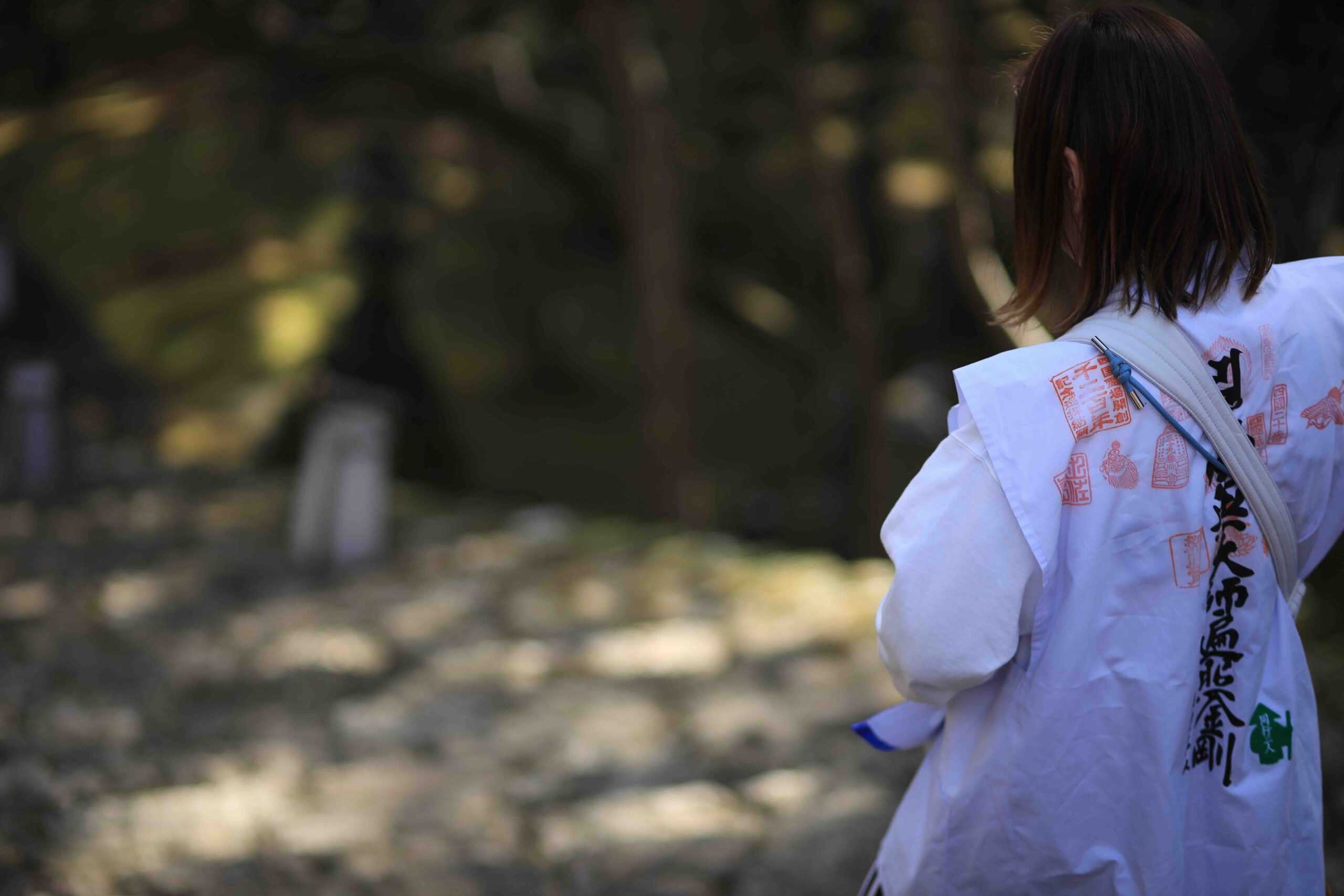
When you visit Chikurinji, you will almost certainly see pilgrims. They wear white jackets and carry wooden walking sticks. On their backs and jackets, you will notice red and orange stamp marks — one from each temple they have already visited. Some pilgrims walk the full route over 30 to 60 days. Others come back year after year, completing a few temples at a time.
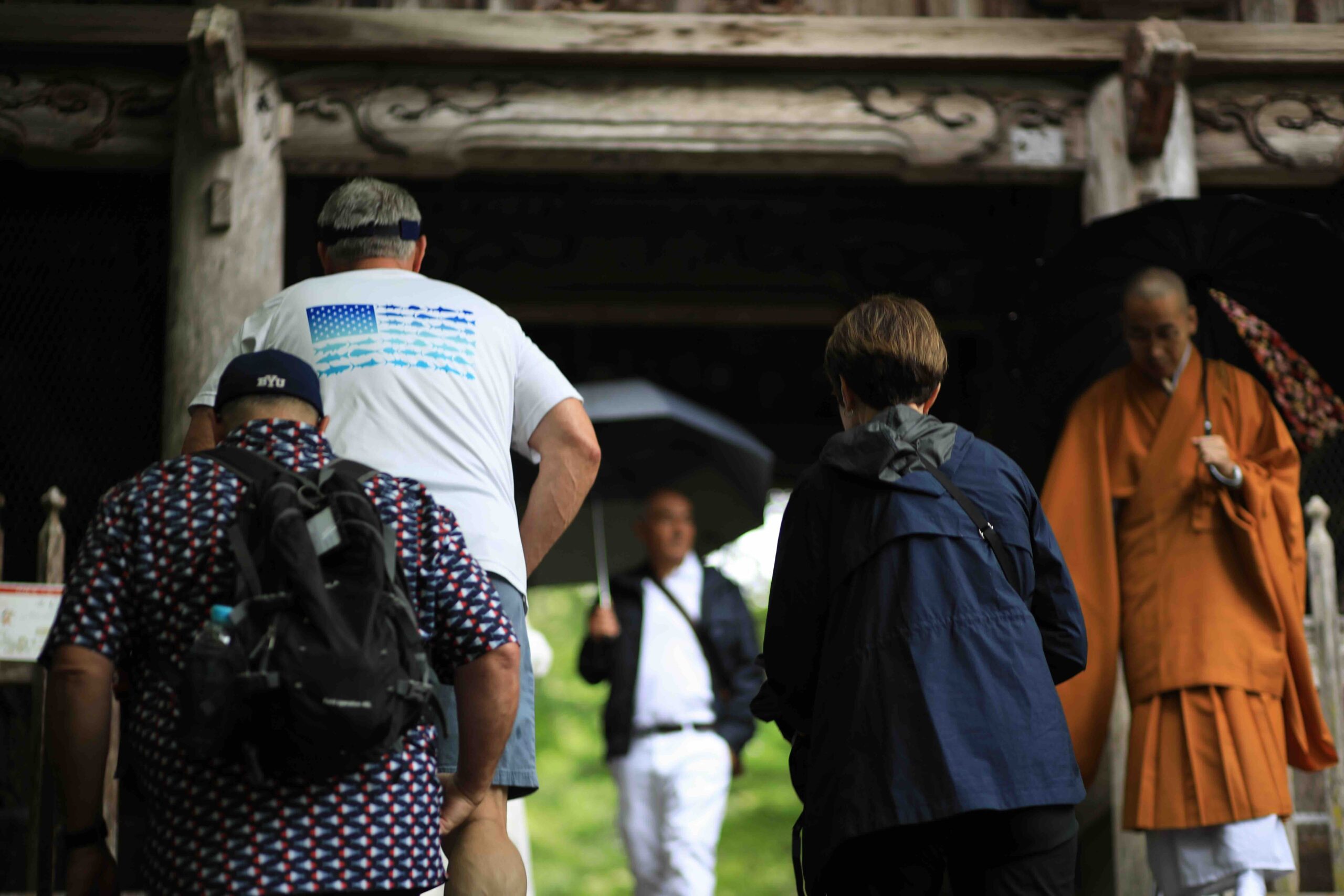
Watching pilgrims pray is a moving experience. They are quiet, focused, and sincere. You are welcome to watch — just give them a little space and match their calm energy.
Practical Tips for Your Visit
Wear comfortable shoes. The temple grounds have stone stairs and uneven paths, especially near the pagoda area.
Bring small coins for the offering box. There is no required amount, but having a few coins ready — especially 5-yen coins — is a nice touch.
Candles, incense, and the goshuin all cost a small amount separately. Having around 1,000 to 2,000 yen in cash is enough. Most temple shops do not accept credit cards.
The incense and candle area can be crowded during busy times. Take your turn calmly, and remember to place your items from the back of the holder forward, so others have space too.
Be quiet near people who are praying. Photography is generally fine throughout the grounds, but avoid pointing your camera at people in the middle of prayer.
Perfect for Cruise Ship Passengers in Kochi
Arriving in Kochi by cruise ship? Chikurinji Temple is one of the best stops you can make during your port day. It is located on Godaisan Hill near Makino Botanical Garden, so the two can easily be combined into one great half-day experience.
I will pick you up directly from the Kochi cruise terminal and take you to each location throughout the day. Transportation is included as part of the guided tour, so you don’t need to worry about directions or timing. I will also make sure you are back at the port well before your ship departs.
Having a local guide at a temple like this makes a real difference. I can explain each step as we go — the bow at the gate, the bell, the hand-washing, the offerings — and help you actually take part instead of just watching. It turns a walk through a beautiful old temple into something you will truly remember.
- Private guided tour with door-to-door service from the cruise terminal
- Flexible duration to match your port schedule
- Small group — just you and your travel companions
- All logistics handled so you can simply enjoy