
Japanese Temple and Shrine Etiquette: What Cruise Passengers Should Know
Japanese Temple and Shrine Etiquette: What Cruise Passengers Should Know
Visiting temples and shrines ranks among the most meaningful experiences in Japan, but these sacred spaces come with customs and etiquette that aren’t always obvious to first-time visitors. Understanding the basics transforms your visit from awkward uncertainty into genuine cultural participation.
Temples vs Shrines: Understanding the Difference
Japan has both Buddhist temples and Shinto shrines, and while they often share similar architectural beauty, they represent different religious traditions with distinct customs.
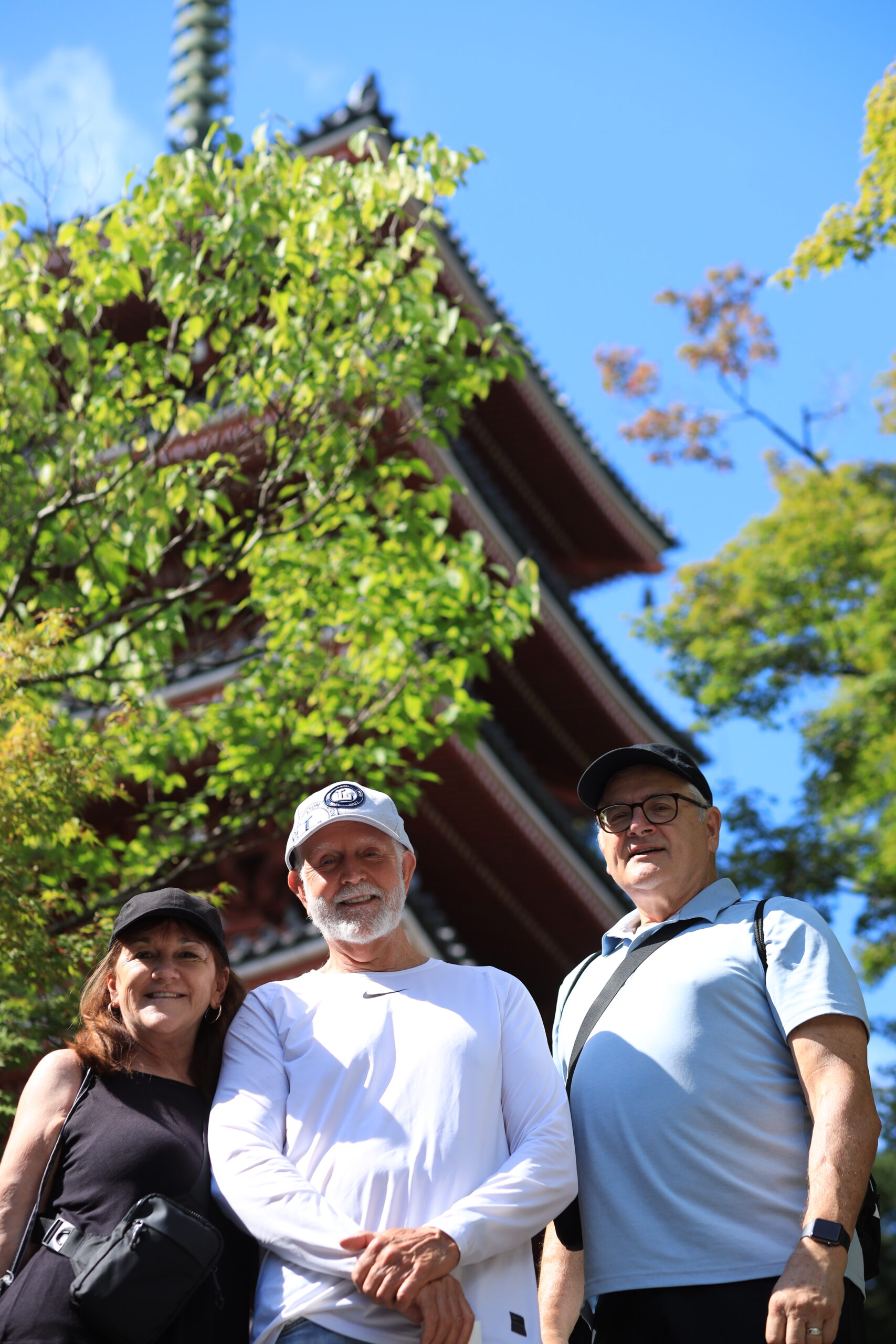
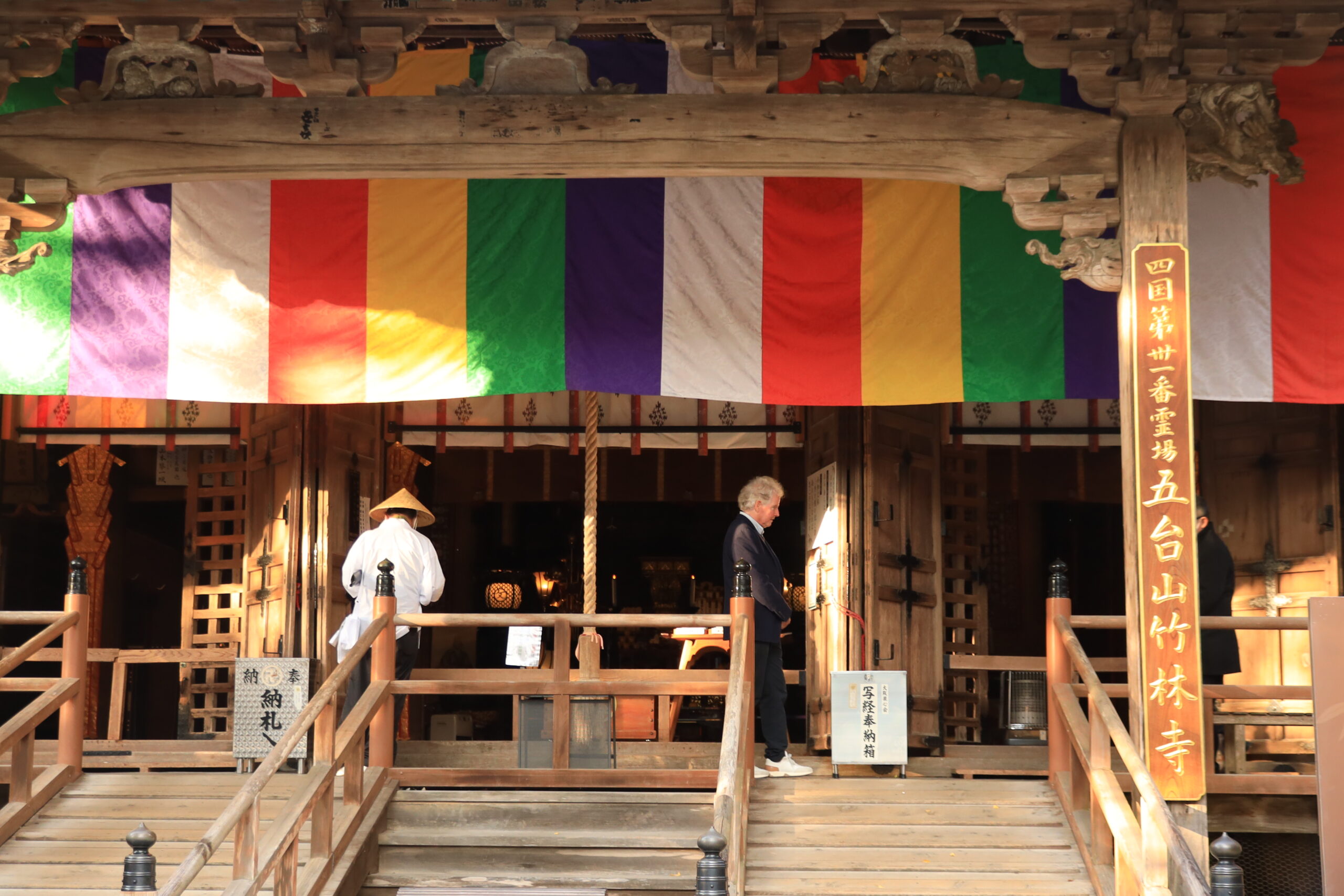
Buddhist Temples are typically identified by temple gates, incense burners, and often feature pagodas or main halls housing Buddha statues. Chikurinji Temple in Kochi is a perfect example – founded over 1,200 years ago, it’s part of the famous 88-temple pilgrimage route around Shikoku.
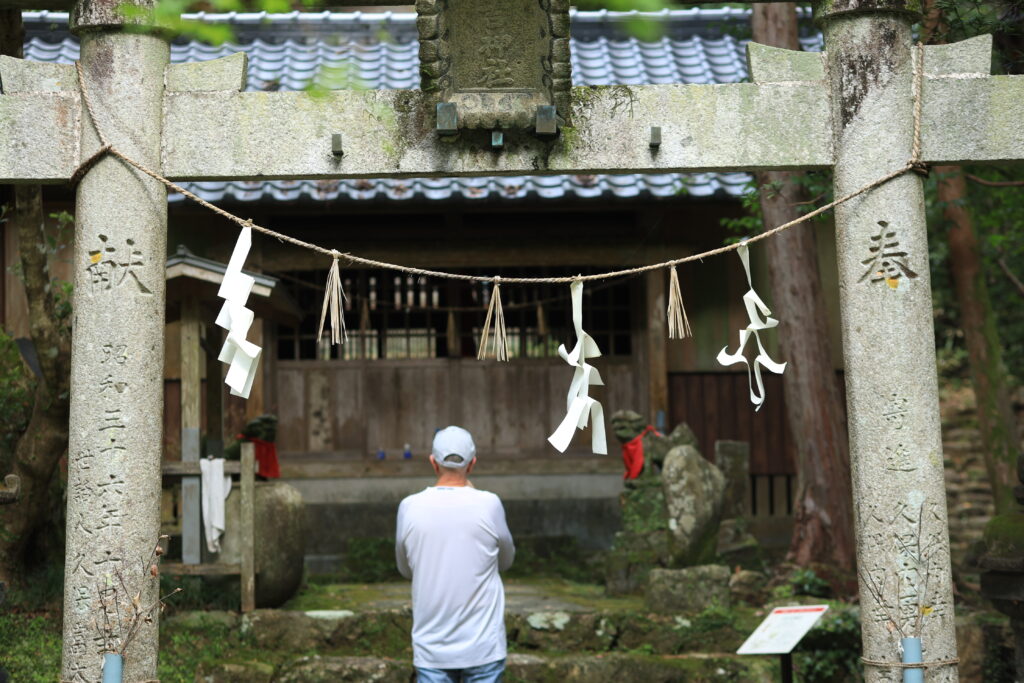
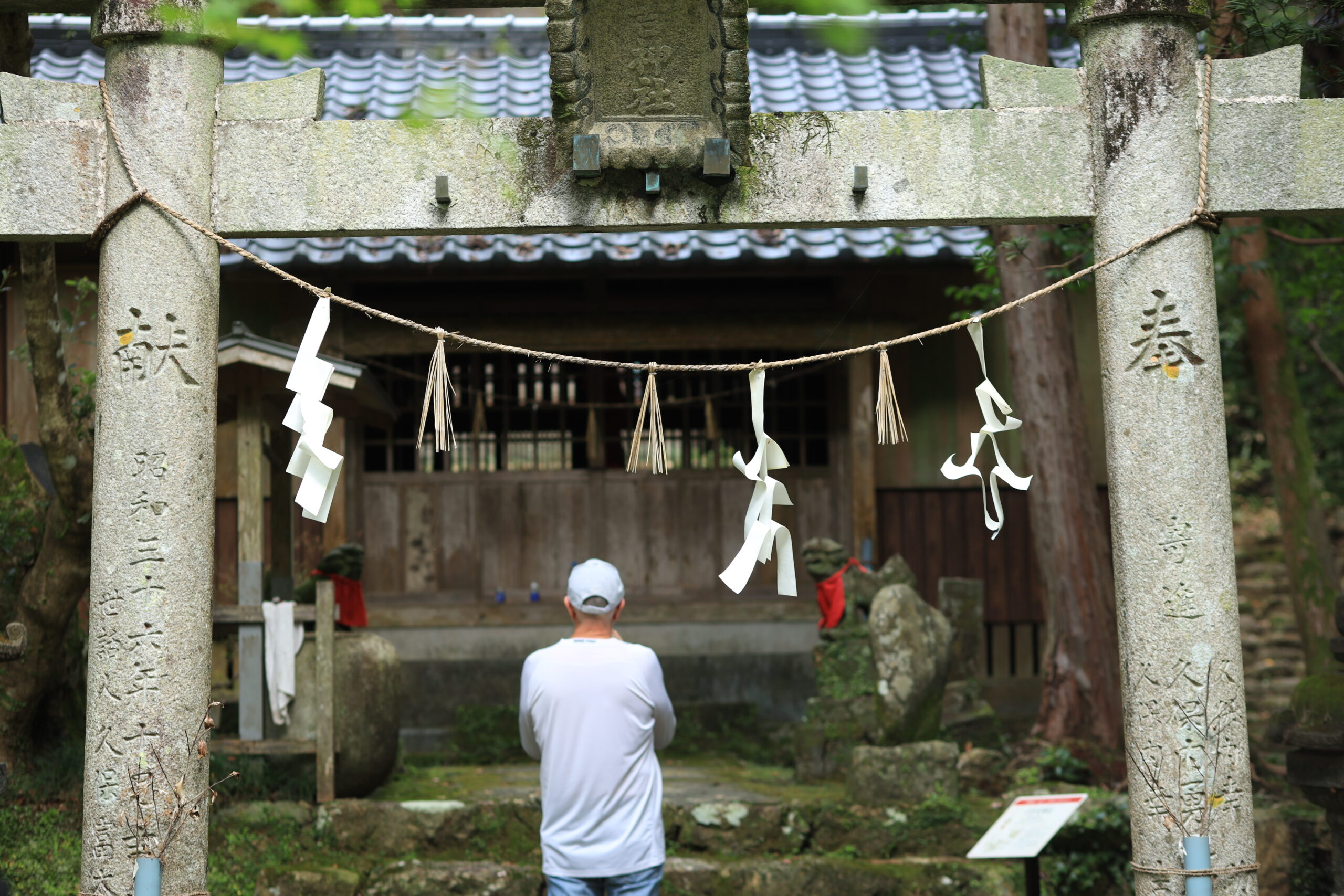
Shinto Shrines are marked by torii gates (usually painted red or left natural wood), and focus on kami (spirits or deities) rather than Buddha. Many temple grounds in Japan actually include both Buddhist and Shinto elements, reflecting centuries of religious harmony.
Don’t worry about memorizing every distinction – your guide will point out the differences and explain the significance of each site you visit.
The Purification Ritual: Temizuya (Hand-Washing Basin)
Before entering the main temple or shrine grounds, you’ll encounter a water basin called temizuya. This purification ritual cleanses both body and spirit before approaching sacred spaces.
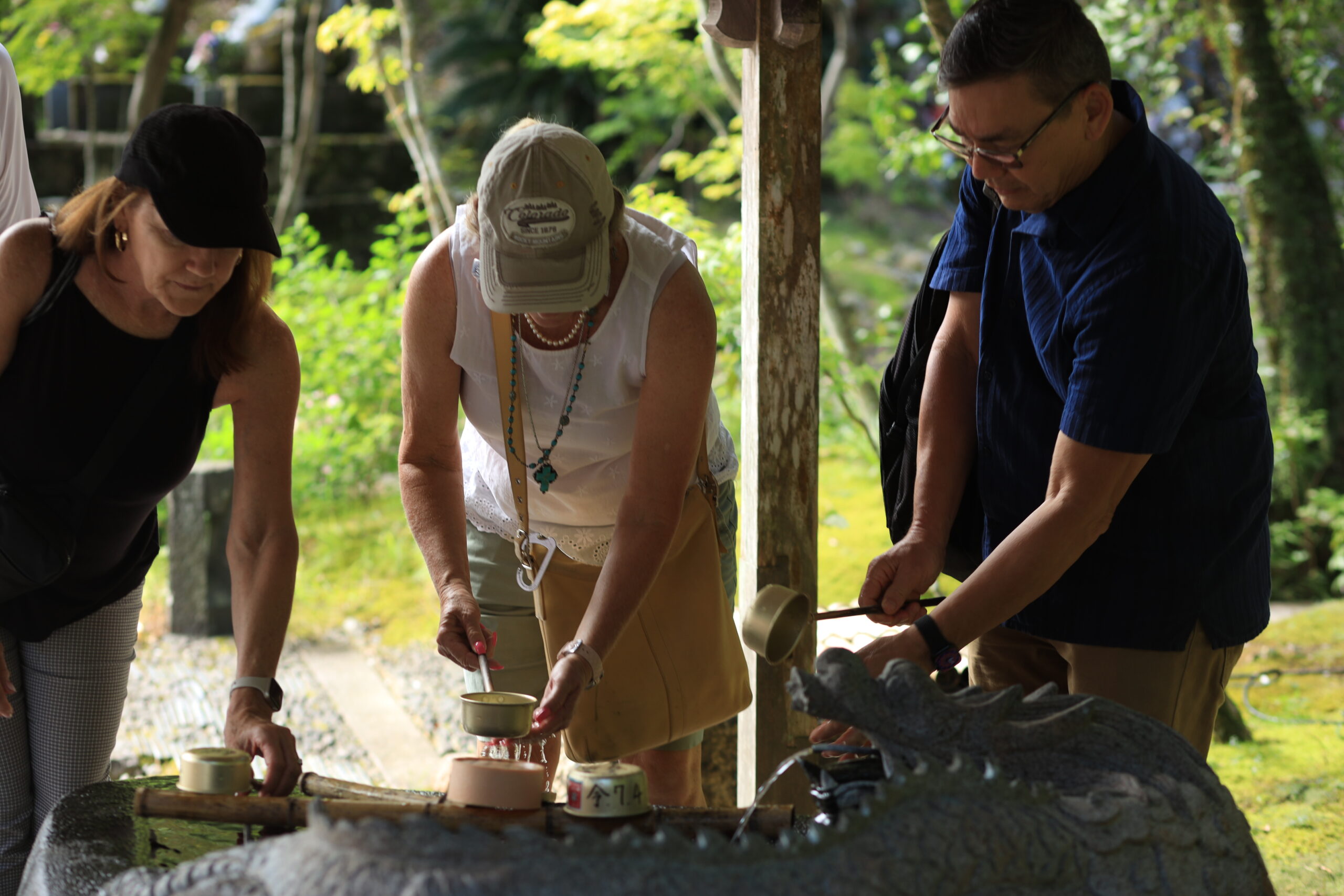
The proper procedure:
- Hold the ladle in your right hand and fill it with water
- Pour water over your left hand to cleanse it
- Switch the ladle to your left hand and cleanse your right hand
- Switch back to your right hand, pour water into your cupped left palm
- Use this water to rinse your mouth (do not drink directly from the ladle or swallow)
- Rinse your left hand again with the remaining water
- Tilt the ladle vertically to let clean water run down the handle
- Return the ladle to its resting position
This might seem complicated at first, but locals perform it so naturally that watching for a moment makes it clear. Your guide can demonstrate and help you through the process on your first attempt.
Prayer at Shinto Shrines
Shinto shrines have a specific prayer ritual that differs from Buddhist temples.
Shrine prayer steps (Two Bows, Two Claps, One Bow):
- Approach the offering box and toss a coin (5-yen coins are considered lucky)
- If there’s a bell rope, ring it gently to get the kami’s attention
- Bow deeply twice
- Clap your hands twice at chest level
- Bring your hands together in prayer and make your wish silently
- Bow deeply once more
This “two bows, two claps, one bow” rhythm is the standard at most Shinto shrines throughout Japan.
Prayer and Offerings at Buddhist Temples
At Buddhist temples, the prayer ritual is more straightforward and welcoming to visitors of all backgrounds.
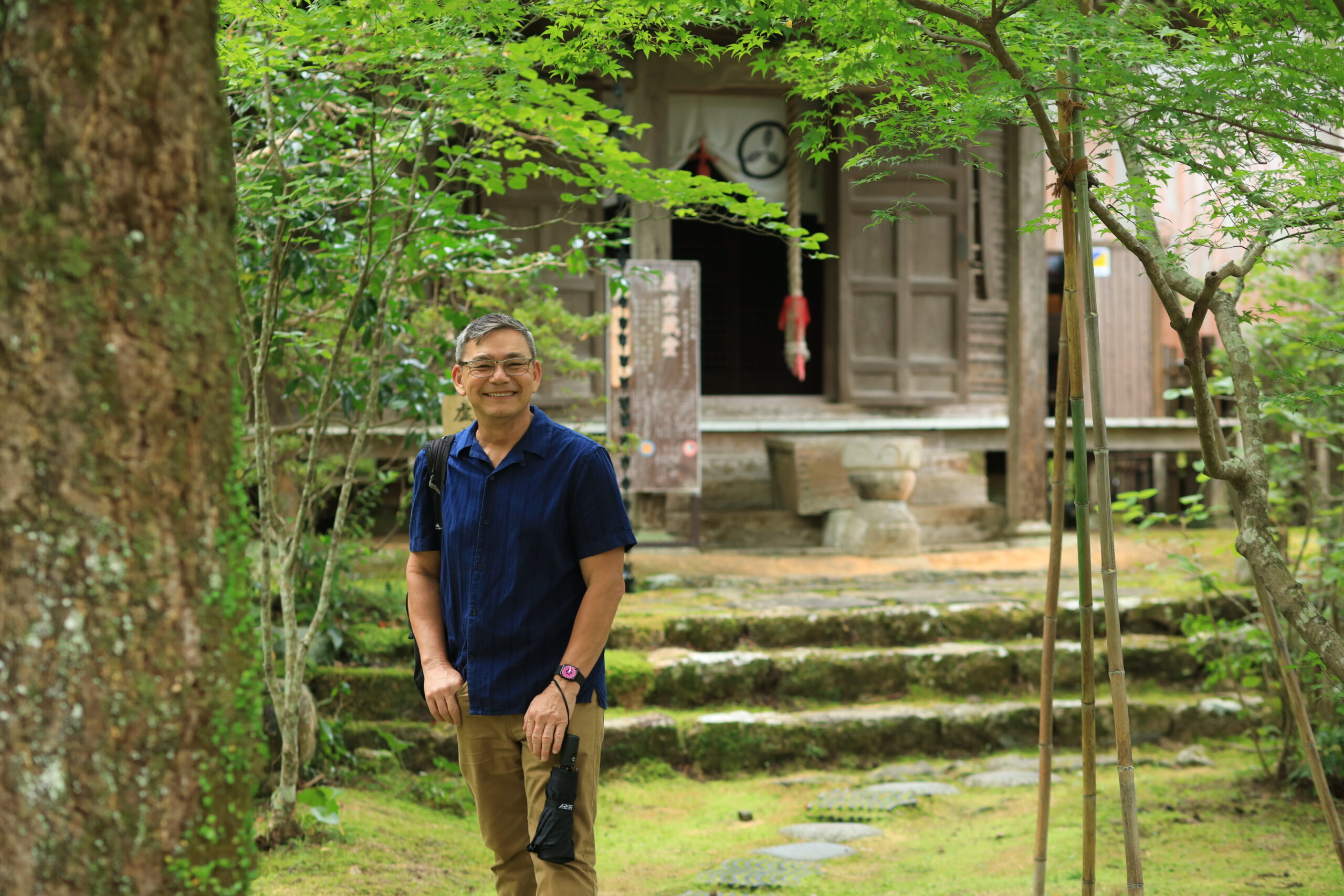
Temple prayer steps:
- Approach the offering box (there’s usually a large wooden box in front of the main hall)
- Toss a coin into the box – any amount is appropriate, though 5-yen coins are considered lucky
- If there’s a bell rope, ring it gently to announce your presence
- Bow deeply, bring your hands together in prayer position
- Offer your prayers or wishes silently
- Bow again before stepping back
You don’t need to be Buddhist to pray at a temple. These are places of peace open to all, and your respectful presence is welcome regardless of your personal beliefs.
What to Wear and What to Avoid
Temples and shrines are sacred spaces that deserve respectful attire, though the dress code is less strict than you might imagine.
What’s appropriate:
- Casual comfortable clothing is perfectly fine
- Shoulders and knees should be covered (though this isn’t strictly enforced everywhere)
- Comfortable walking shoes – you’ll be doing a lot of walking and climbing stairs
- Hats are acceptable in the grounds but should be removed when entering buildings
What to avoid:
- Overly revealing clothing out of respect for the sacred space
- Shoes with difficult fastenings – you’ll be taking them off frequently
- Large backpacks or bags that might bump into displays or other visitors
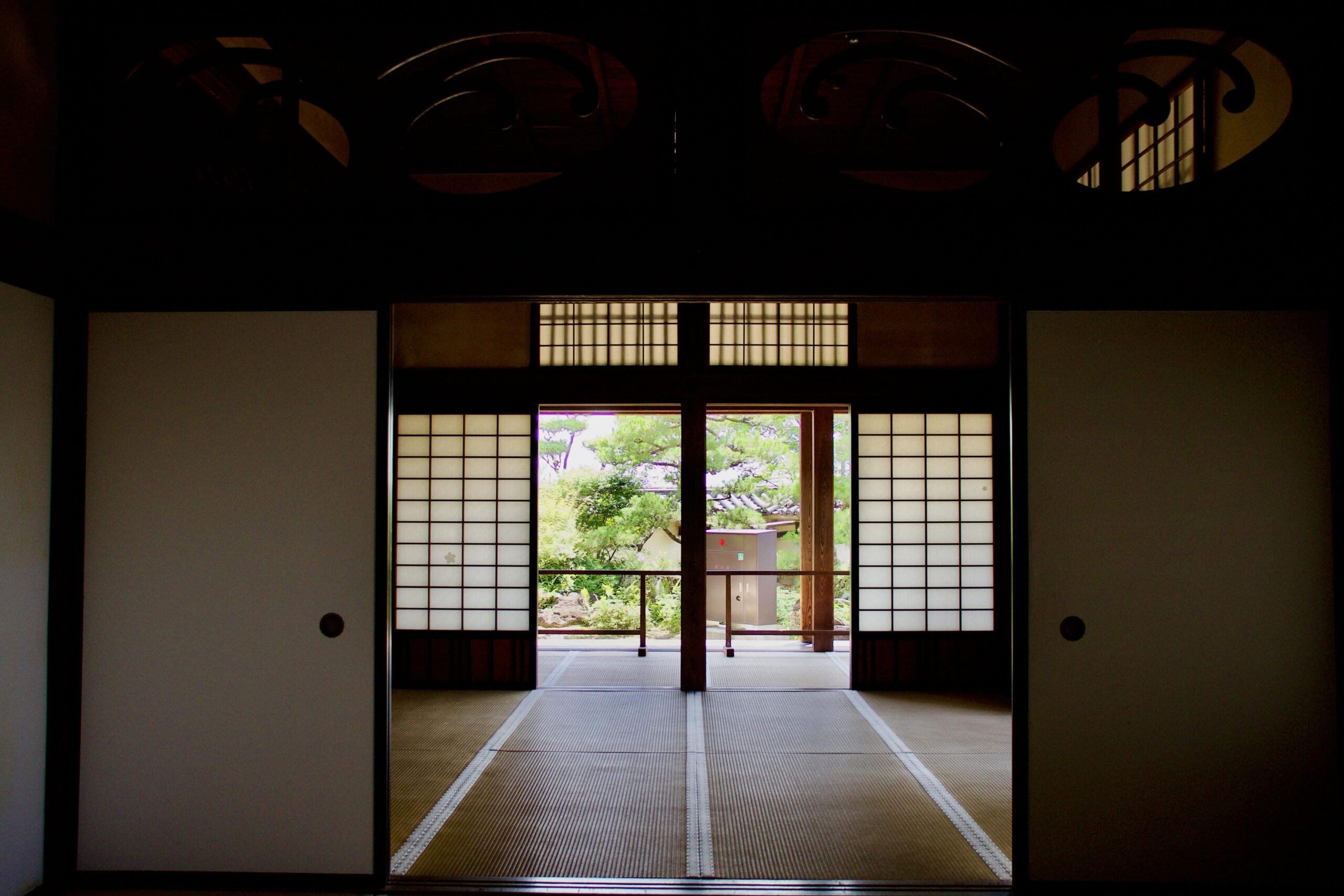
Important: Always remove your shoes before entering temple buildings, especially those with tatami mat floors. There will be shoe racks provided, and often slippers available for indoor use.
Photography Etiquette: When and Where
Photography policies vary between temples and shrines, and even within different areas of the same site.
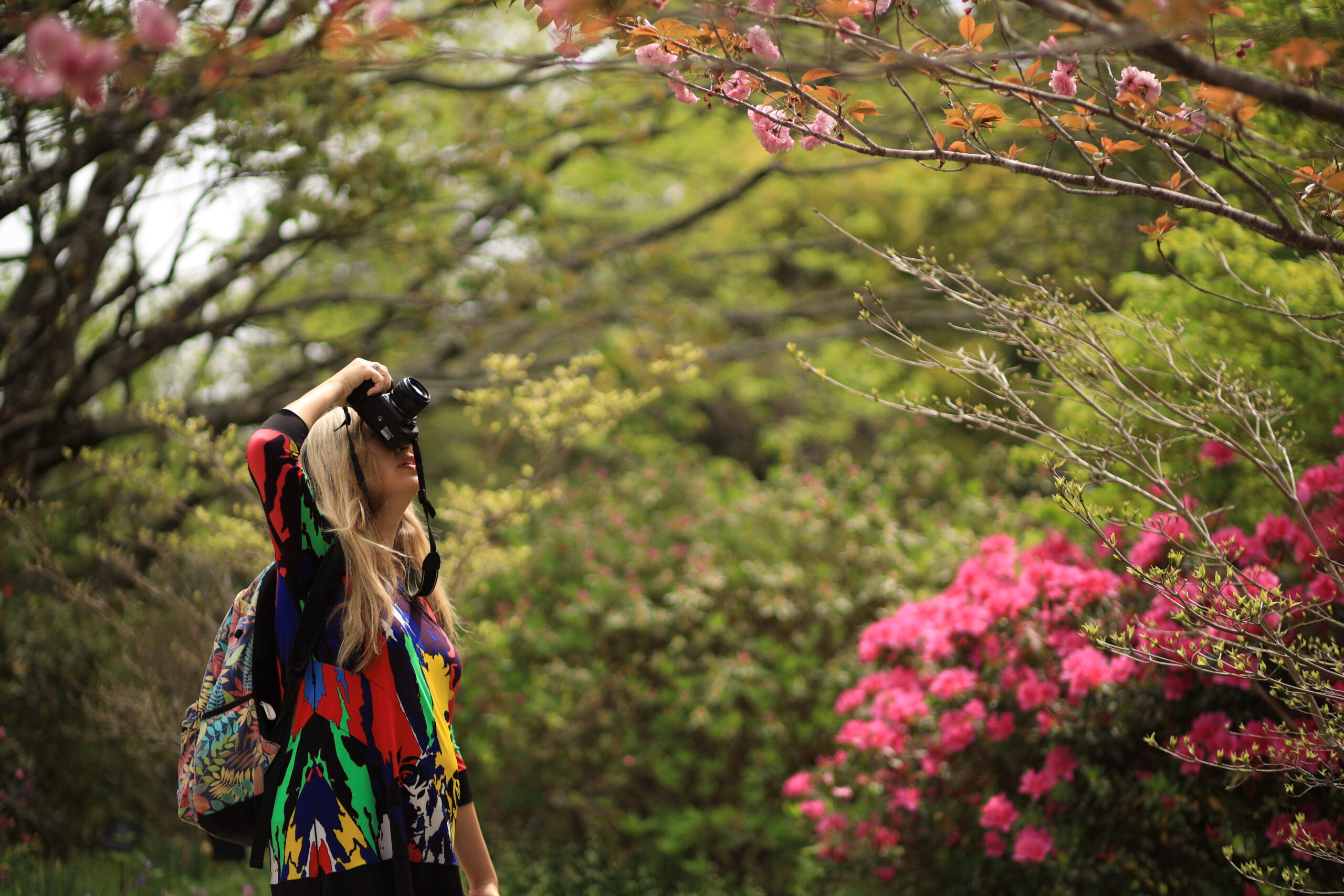
General photography guidelines:
- Outdoor grounds and gardens are almost always photography-friendly
- Interior spaces often prohibit photography – look for signs or ask permission
- Never use flash photography inside temple buildings
- Don’t photograph people praying or engaged in religious practices
- Sacred objects and Buddha statues may be off-limits – when in doubt, ask
- Be mindful that your photo-taking doesn’t block pathways or disturb others
Your guide knows the specific rules for each location and can help you capture beautiful memories while respecting sacred boundaries.
Walking and Comportment in Sacred Spaces
How you move through these spaces matters as much as what you do.
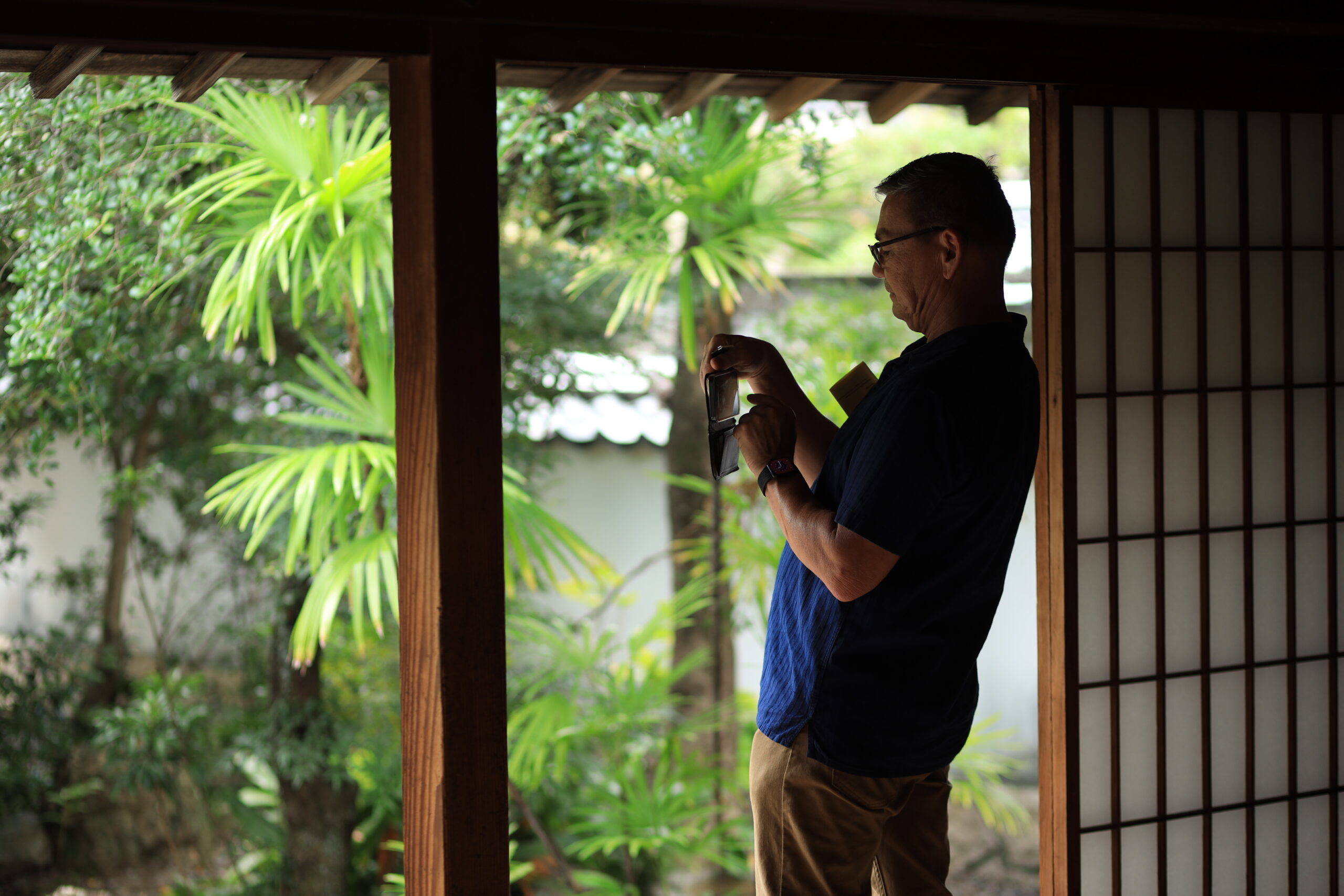
Respectful behavior includes:
- Walking calmly and quietly – these are places of meditation and prayer
- Speaking in hushed tones, especially inside buildings
- Staying on designated paths in gardens
- When walking through gates, pass to the sides rather than the center (the center is reserved for deities)
- If you encounter a religious ceremony in progress, stop and observe quietly or find an alternate route
- Don’t touch sacred objects, statues, or offerings unless explicitly invited to do so
Special Experiences: Bells, Incense, and Prayer Wheels
Many temples offer participatory experiences that visitors are welcome to try.
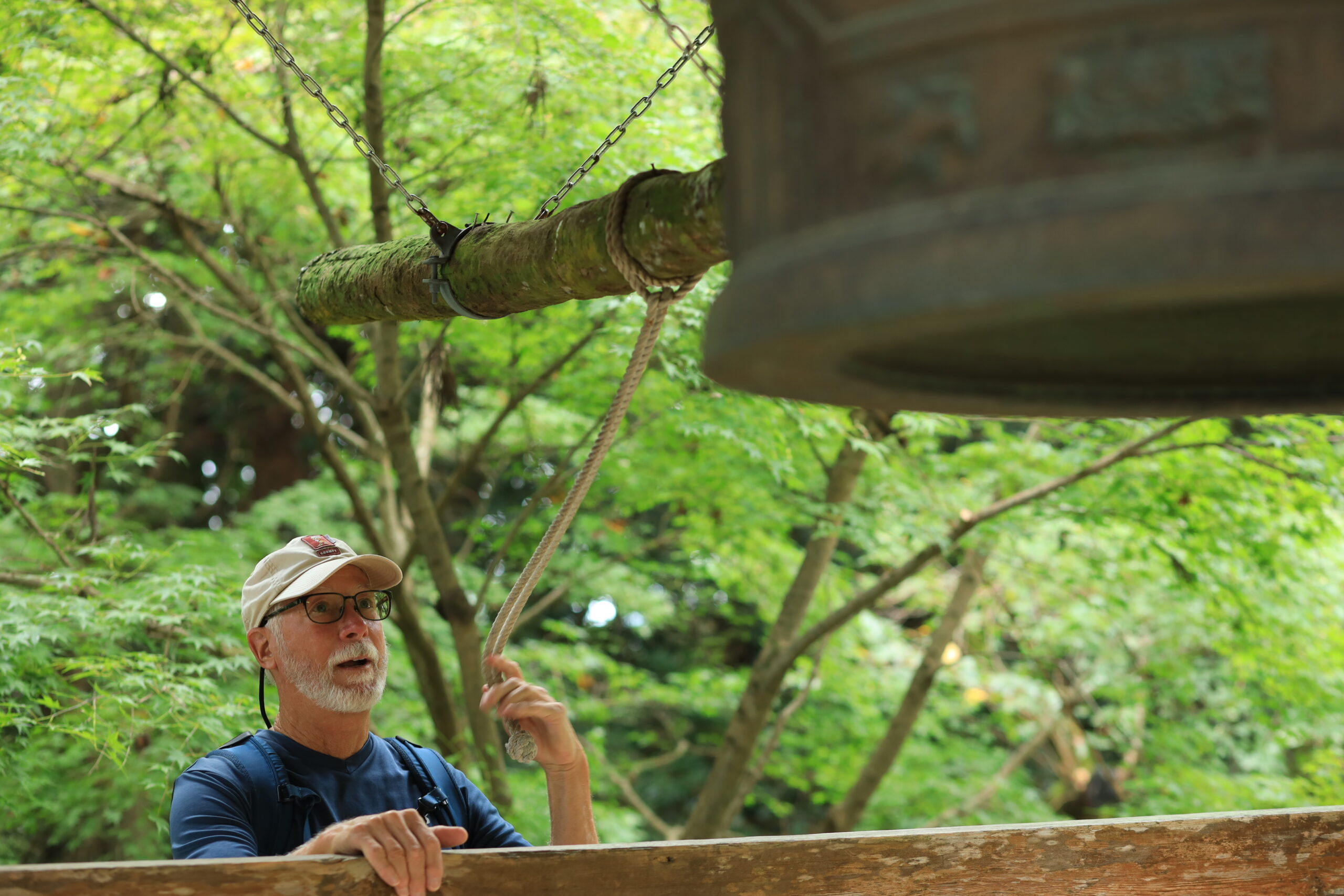
Temple bells: Large hanging bells are often available for visitors to ring. Give the rope a gentle pull – the deep resonant tone is said to purify the mind and ward off evil.
Incense: At some temples, you can purchase incense sticks, light them at the communal flame, and place them in the large incense burner. The smoke is believed to have healing properties, and people often waft it toward parts of their body that need healing.
Prayer wheels and fortunes: Some temples have prayer wheels (cylindrical devices you spin) or omikuji (fortune papers). Your guide can explain how to use these and interpret any fortunes you receive.
The Most Important Rule: Respectful Curiosity
Perhaps the most important thing to understand is that temples and shrines welcome respectful visitors, regardless of religious background. You don’t need to know every custom perfectly – a genuine attitude of respect and willingness to learn matters more than flawless execution of rituals.
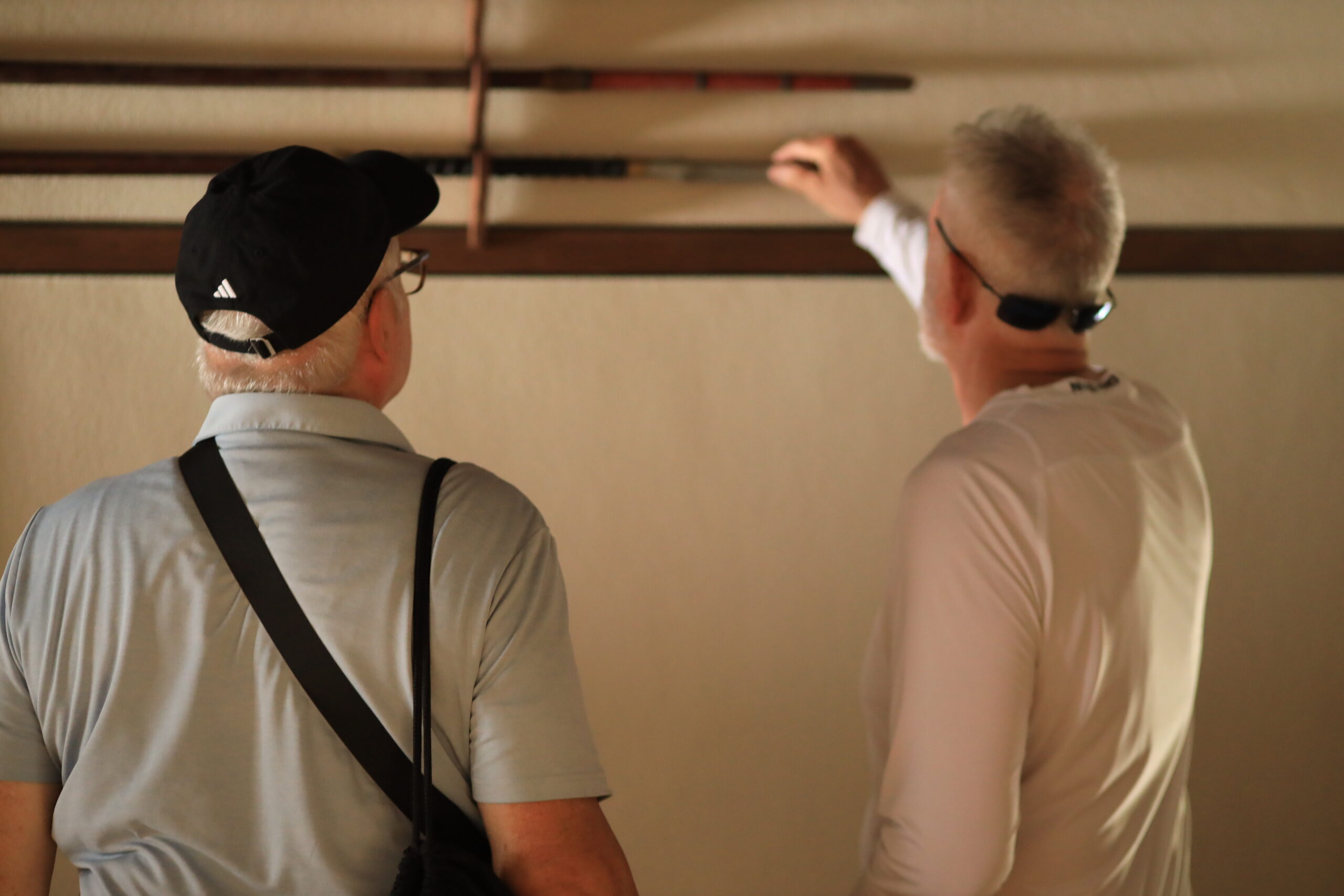
Temple staff and other visitors appreciate when people make an effort, even if they make small mistakes. The spirit of respect matters more than perfect technique.
Your local guide serves as a cultural bridge, explaining not just what to do, but why these customs exist and what they mean to Japanese people. This context transforms rule-following into genuine understanding.
Perfect for Cruise Ship Passengers
Arriving in Kochi by cruise ship? Experience temples and shrines with proper guidance that respects both the sacred spaces and your limited time. We’ll pick you up directly from the Kochi cruise terminal and ensure you’re back to your ship with plenty of time to spare.
Flexible timing options:
- ⏰ 4-hour express tour (perfect for short port calls)
- ⏰ 6-hour highlights tour (our most popular option)
- ⏰ 8-hour comprehensive experience
All tours include comfortable private transportation and make sure you get back to the port in good time.
Experience Sacred Spaces With Cultural Understanding
Our tours include visits to Kochi’s most beautiful and historically significant temples and shrines, with guidance that helps you participate respectfully in these sacred traditions rather than just observing from the outside.
- Visit Chikurinji Temple and other sacred sites
- Learn proper purification and prayer rituals
- Understand the difference between temples and shrines
- Participate in traditional practices appropriately
- Ask questions in a welcoming, educational environment
- Private transportation with knowledgeable English-speaking guide