
Kochi Castle Climbing Tips: Everything You Need to Know Before You Visit
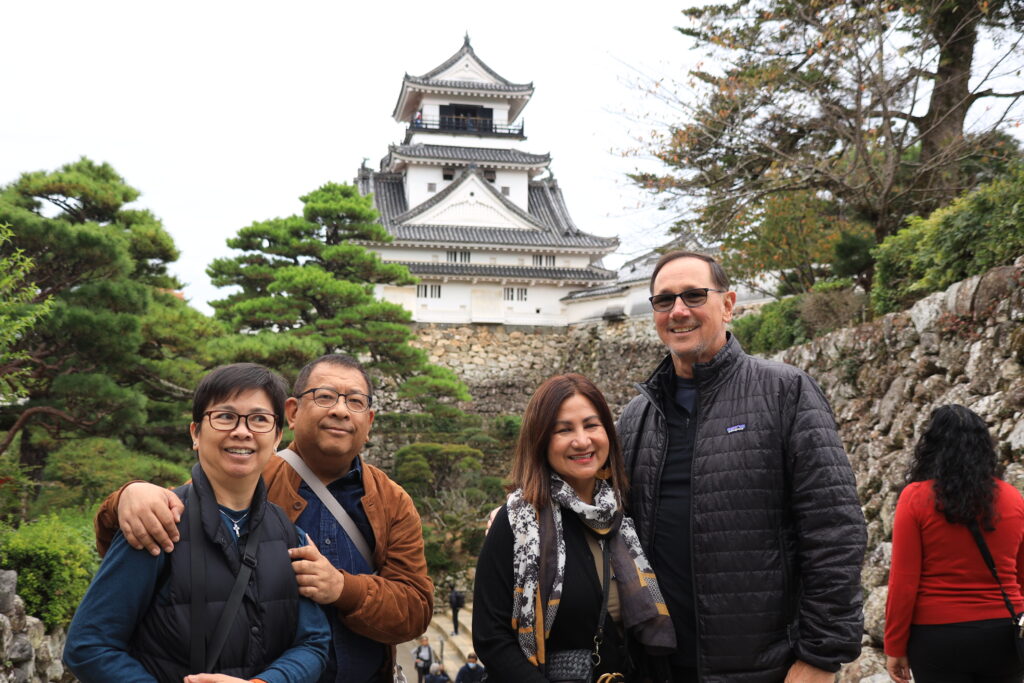
Kochi Castle is one of the most authentic and rewarding castle experiences in all of Japan — but it’s also genuinely physical. Before you visit, it’s worth knowing exactly what to expect. This guide will help you decide whether to climb, how to prepare, and what to do if the stairs aren’t for you. There is a wonderful option nearby for everyone.
Visiting by cruise ship? I can guide you through the castle at your own pace.
Tour Kochi Castle With a Local Guide →

How Many Steps Are There? More Than You Might Expect
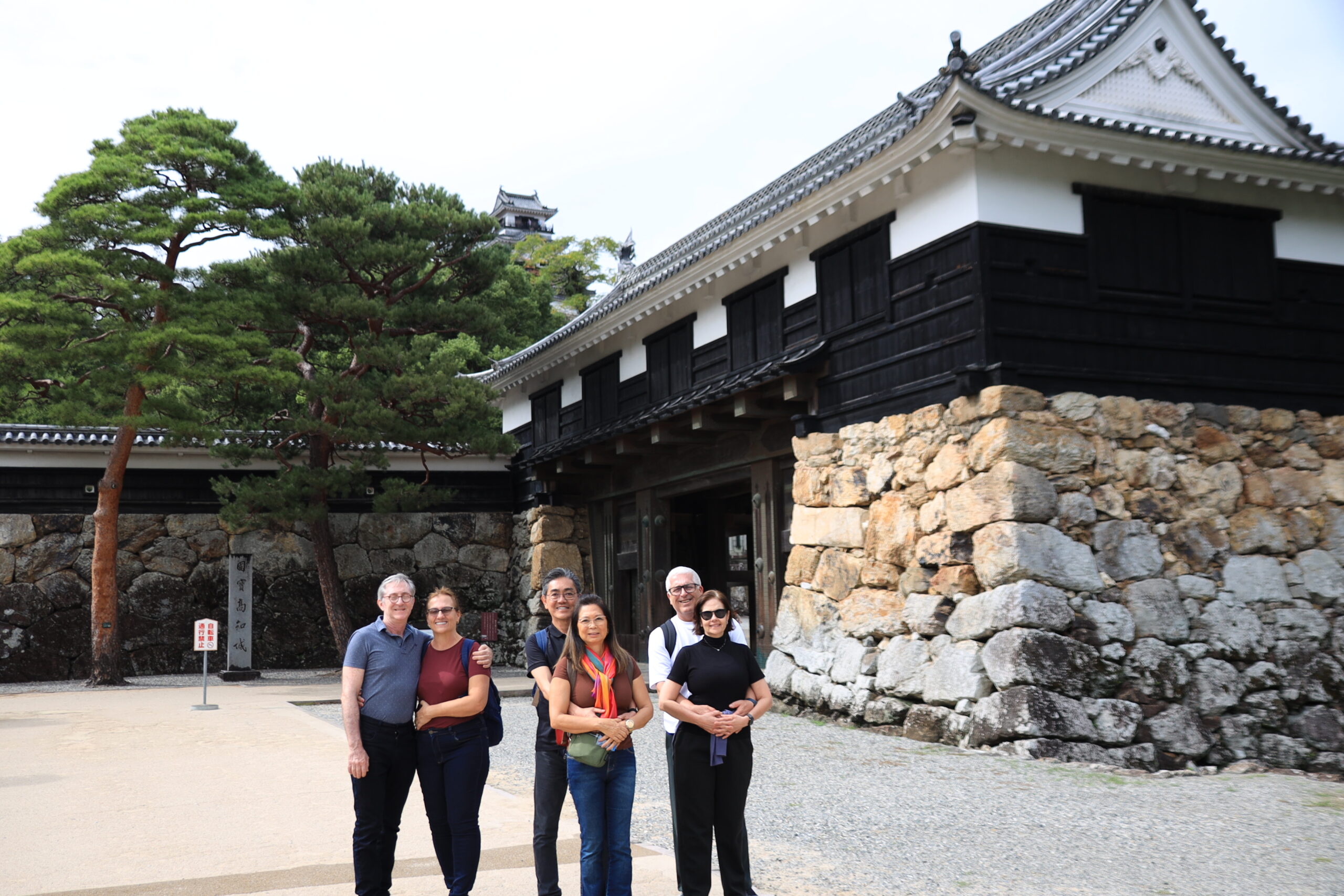
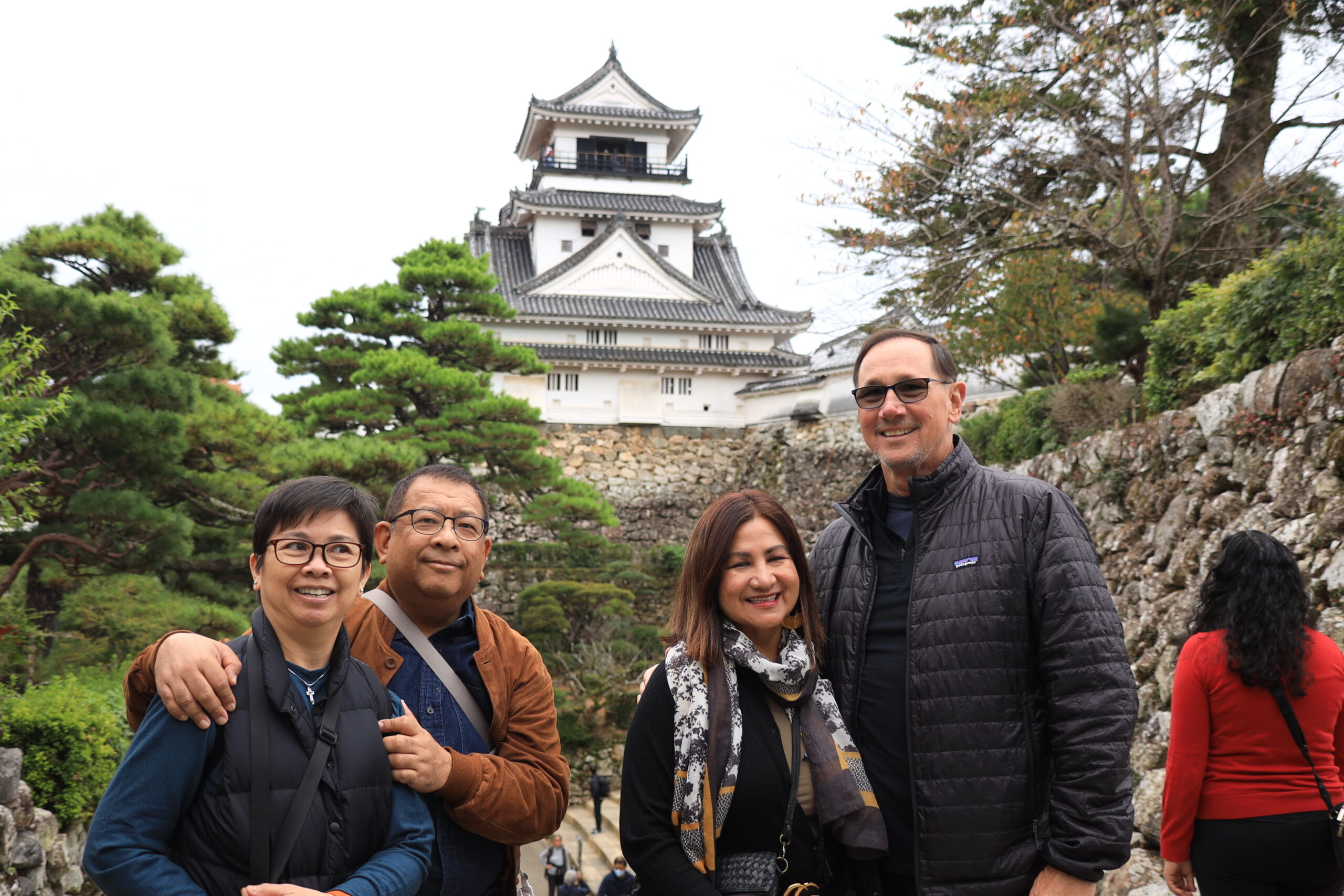
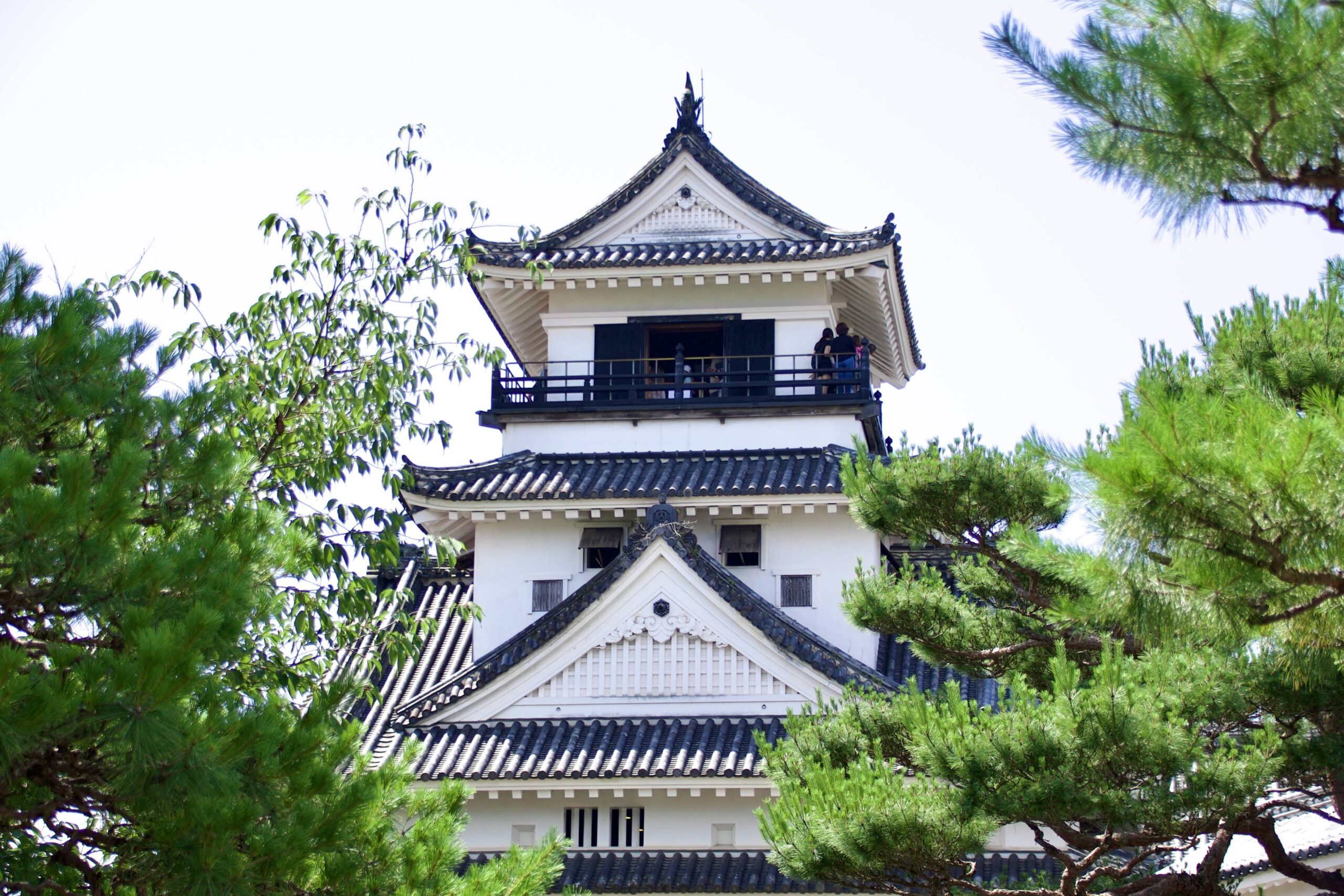
Let’s start with the honest answer: there are a lot of steps. From the main gate (Otemon Gate) up to the keep, you’ll climb approximately 150 stone steps just to reach the castle entrance. These stone steps were deliberately designed to be uneven and wide — too wide to climb in a single stride — specifically to slow down any attacking enemy. They work equally well on modern visitors. Once you reach the keep and pay admission, the climb continues: the keep itself has five internal floors connected by steep wooden staircases. From the Otemon Gate to the top of the keep, you are climbing the equivalent of a multi-story building, almost entirely on stairs with no elevator option.
The Approach: Stone Steps With No Handrails
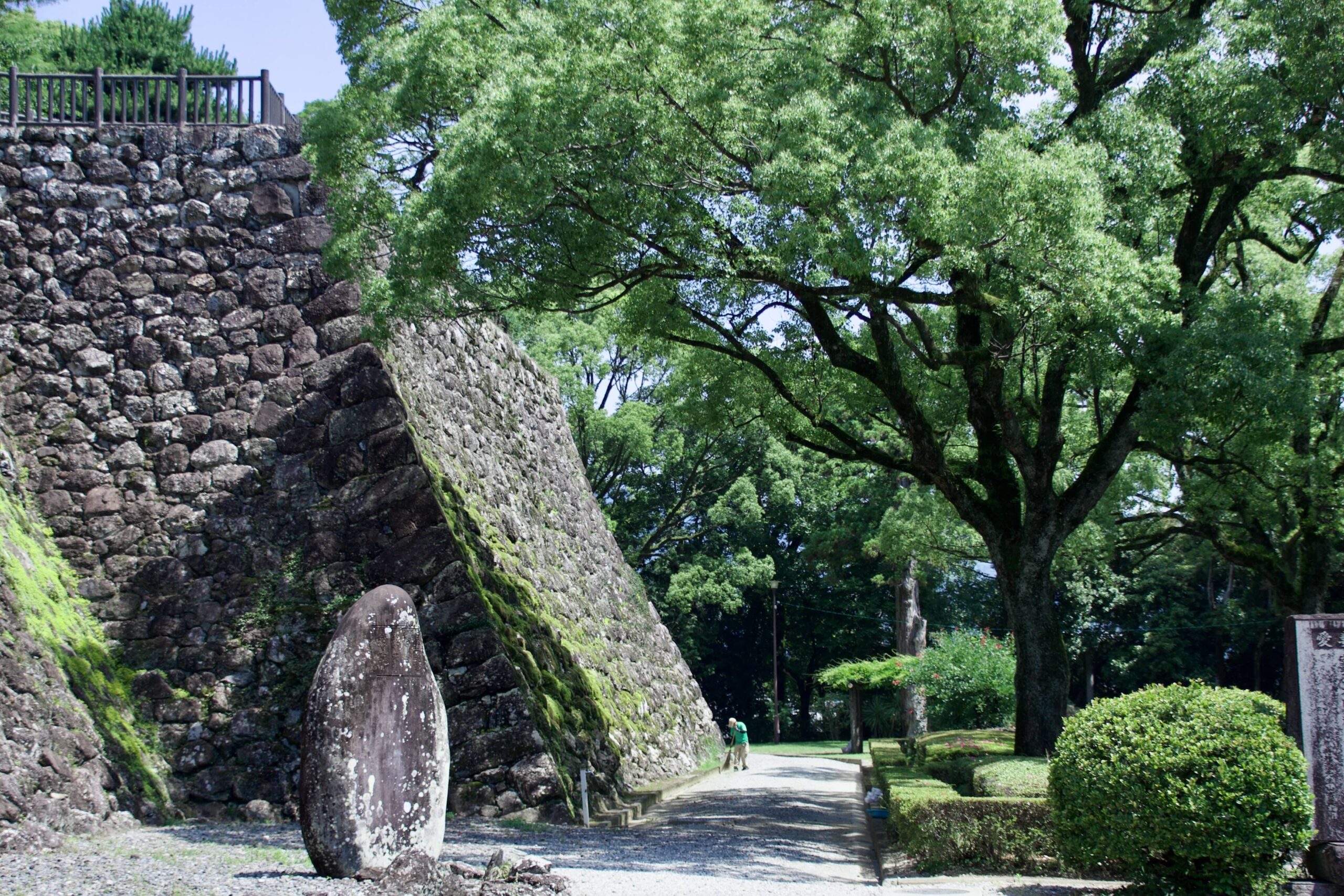
The stone staircase approach to the castle is scenic and historically fascinating — but there are sections with no handrails at all. The stones are old, worn smooth in places, and can be slippery when wet. Take your time, watch your footing, and if you have any concern about balance or stability, use a walking stick or take the alternative sloped path. Yes — there is a sloped path that winds up to the castle grounds without stairs. It is entirely possible to reach the keep by taking this route instead of the stone steps. However, the slope route is less clearly marked and it is genuinely easy to lose your way without knowing the layout in advance. A local guide makes this straightforward.
Inside the Keep: Even Steeper Stairs
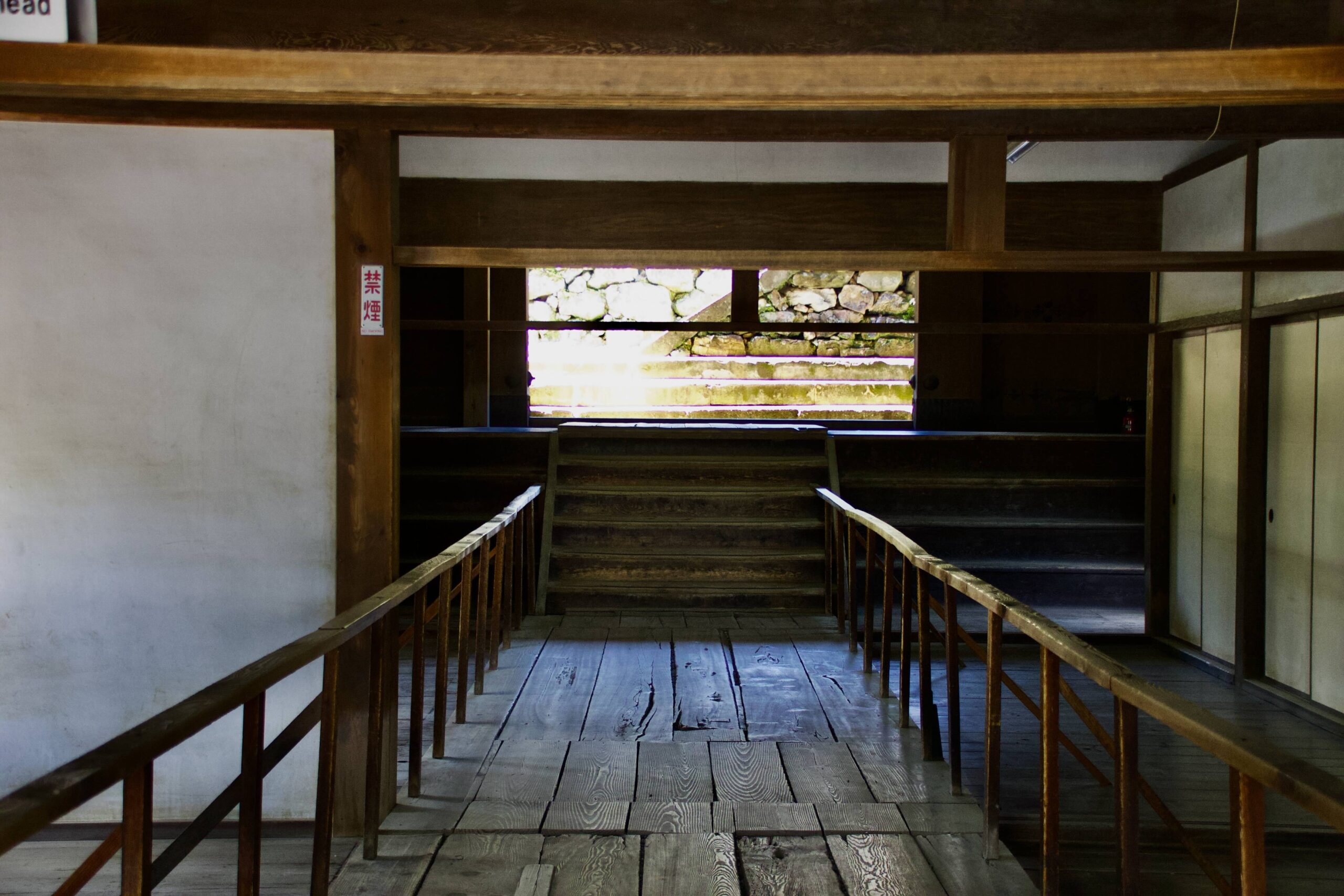
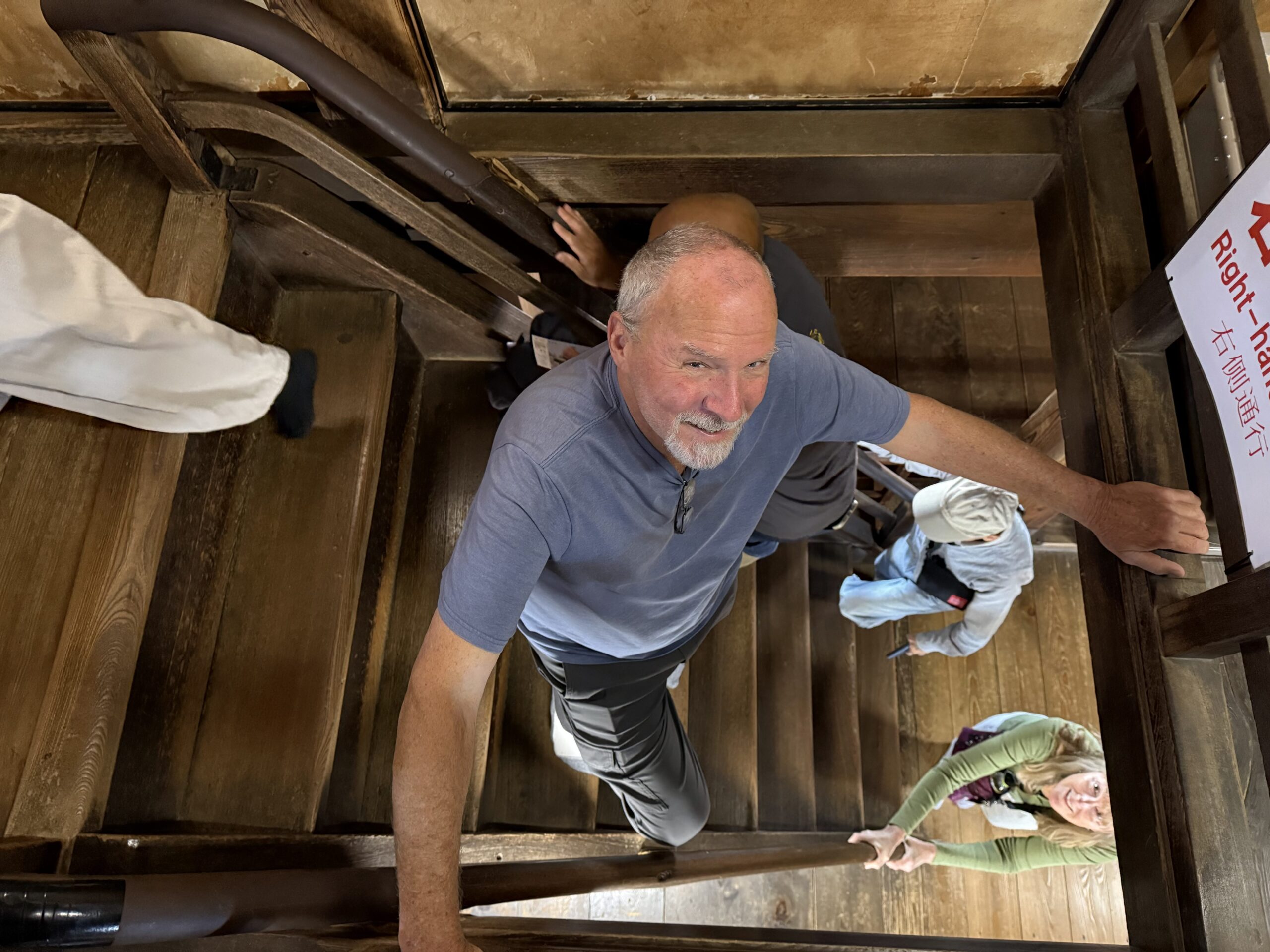
Once inside the keep, the wooden staircases are noticeably steeper than anything outside. Some visitors describe them as closer to a ladder than a conventional staircase. The angle on certain flights approaches 60 degrees. Handrails are present inside the keep, and you will want to use them — both going up and coming down. Coming down is actually harder than going up, because the steep angle and the socks-only requirement (shoes must be removed at the entrance) means your footing is less secure on the descent. Take your time on the way down. There is no rush.
Remember to Remove Your Shoes
Before entering the keep, you remove your shoes and carry them in a provided plastic bag. This means you’ll be climbing the steep interior staircases in socked feet on polished, slightly slippery wooden floors. Grip socks or socks with rubberized soles are worth considering if you have any balance concerns. Shoes that slip on and off easily will save you time at the entrance.
Watch Your Head on Low Beams
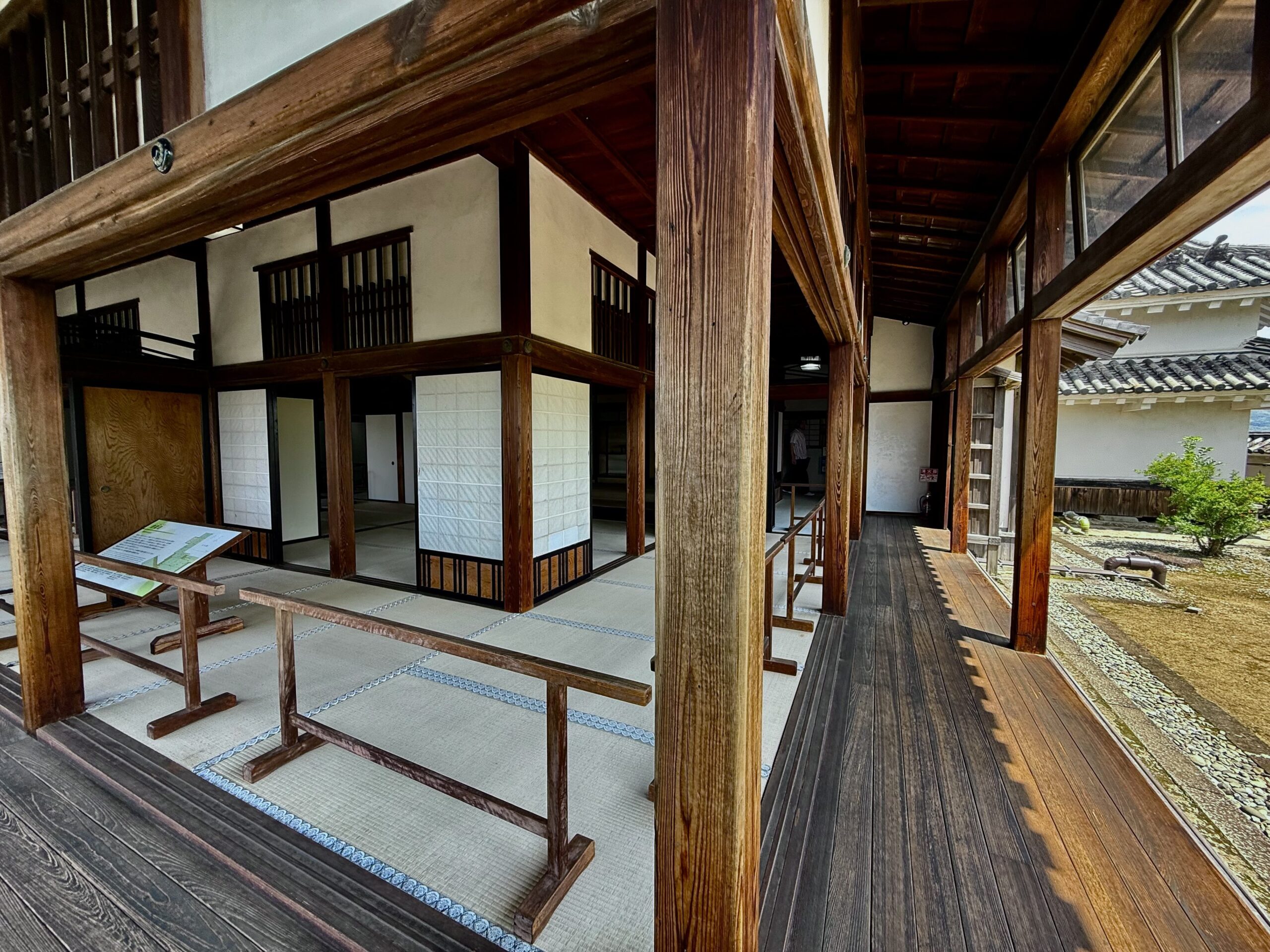
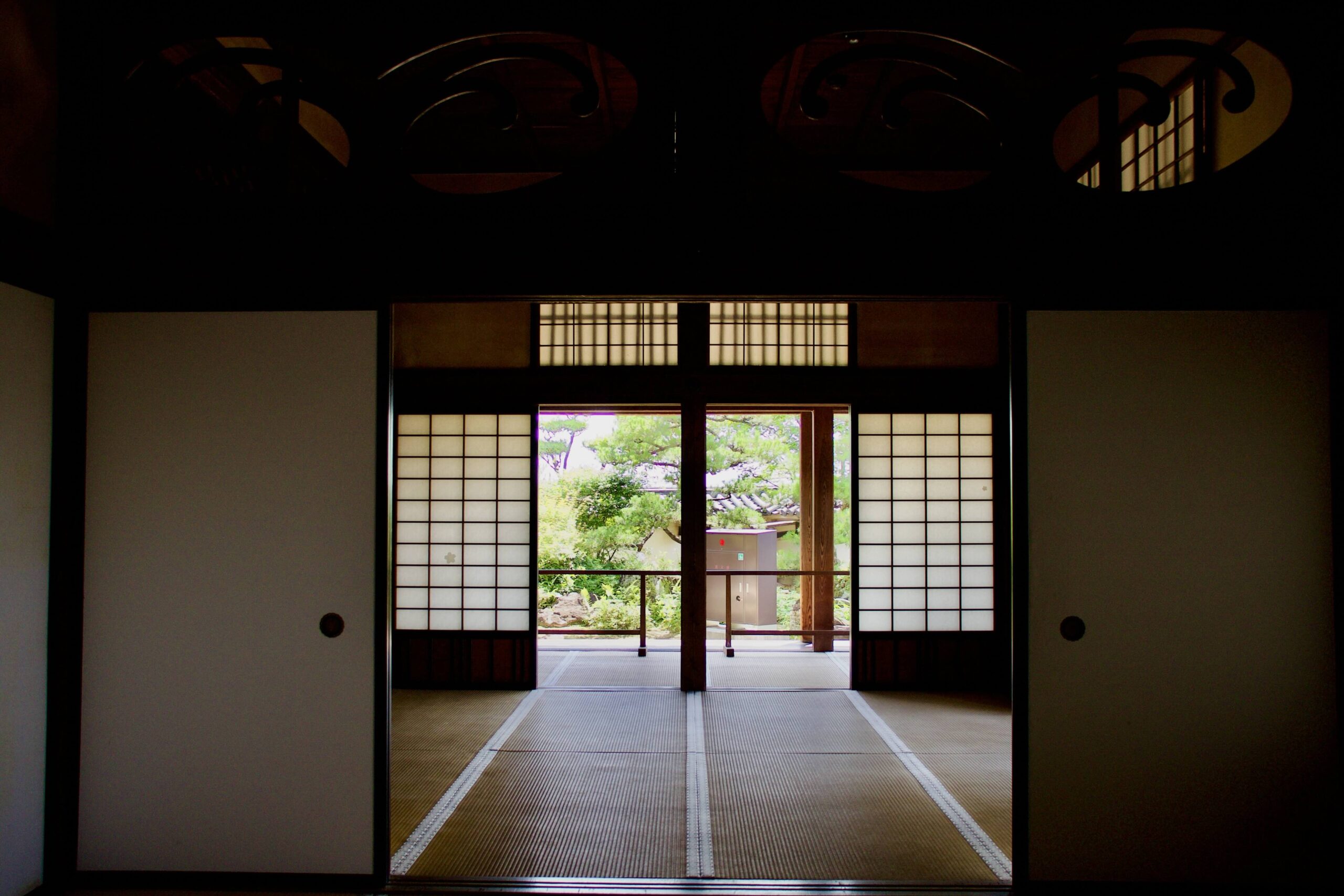
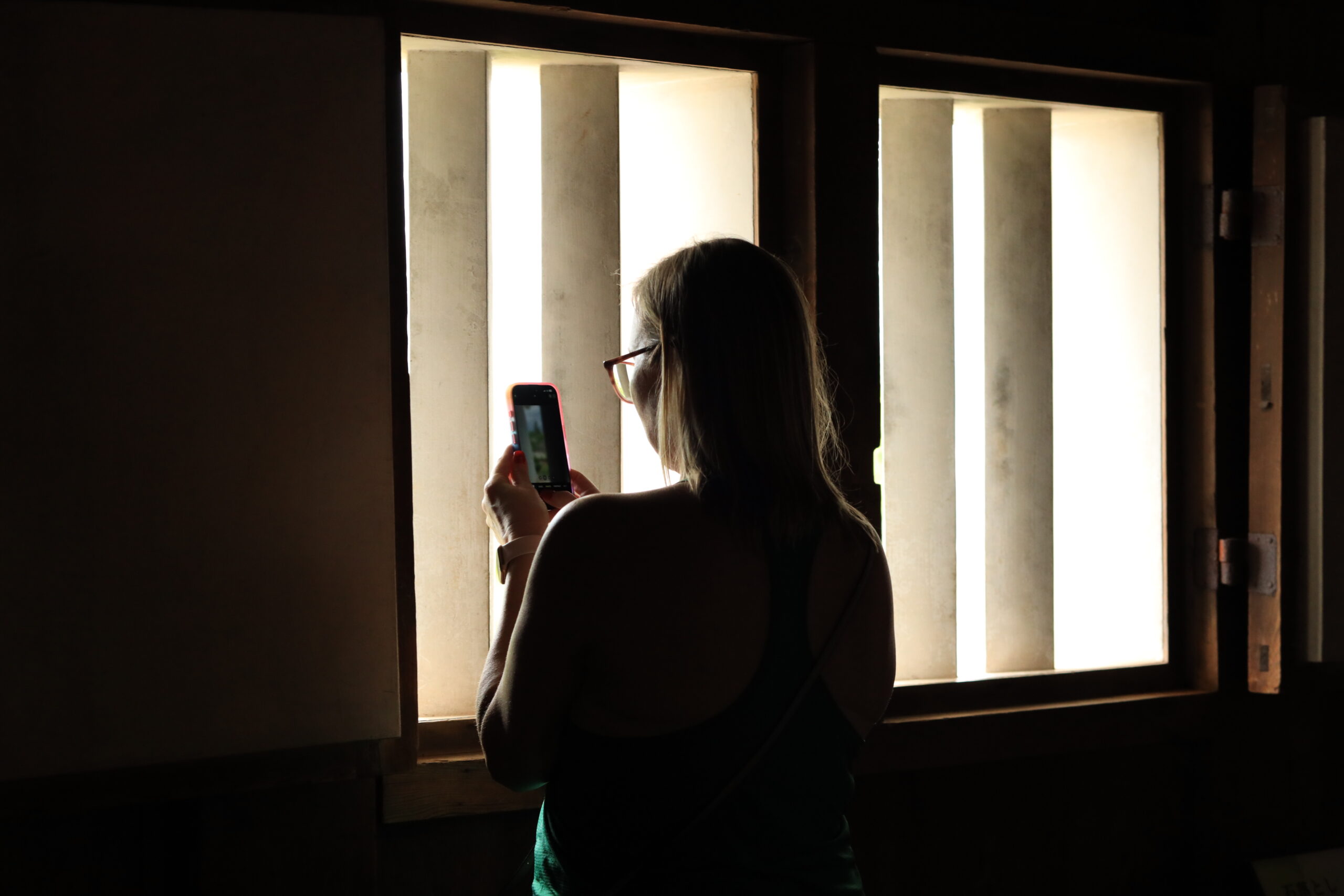
The castle was built for people of a much earlier era — and a different average height. Low doorways, beams, and ceiling transitions appear throughout the keep, especially between floors. Taller visitors should stay alert. This is not a serious danger as long as you are paying attention, but you will almost certainly bump your head at least once if you are not warned.
The View at the Top Is Worth Every Step
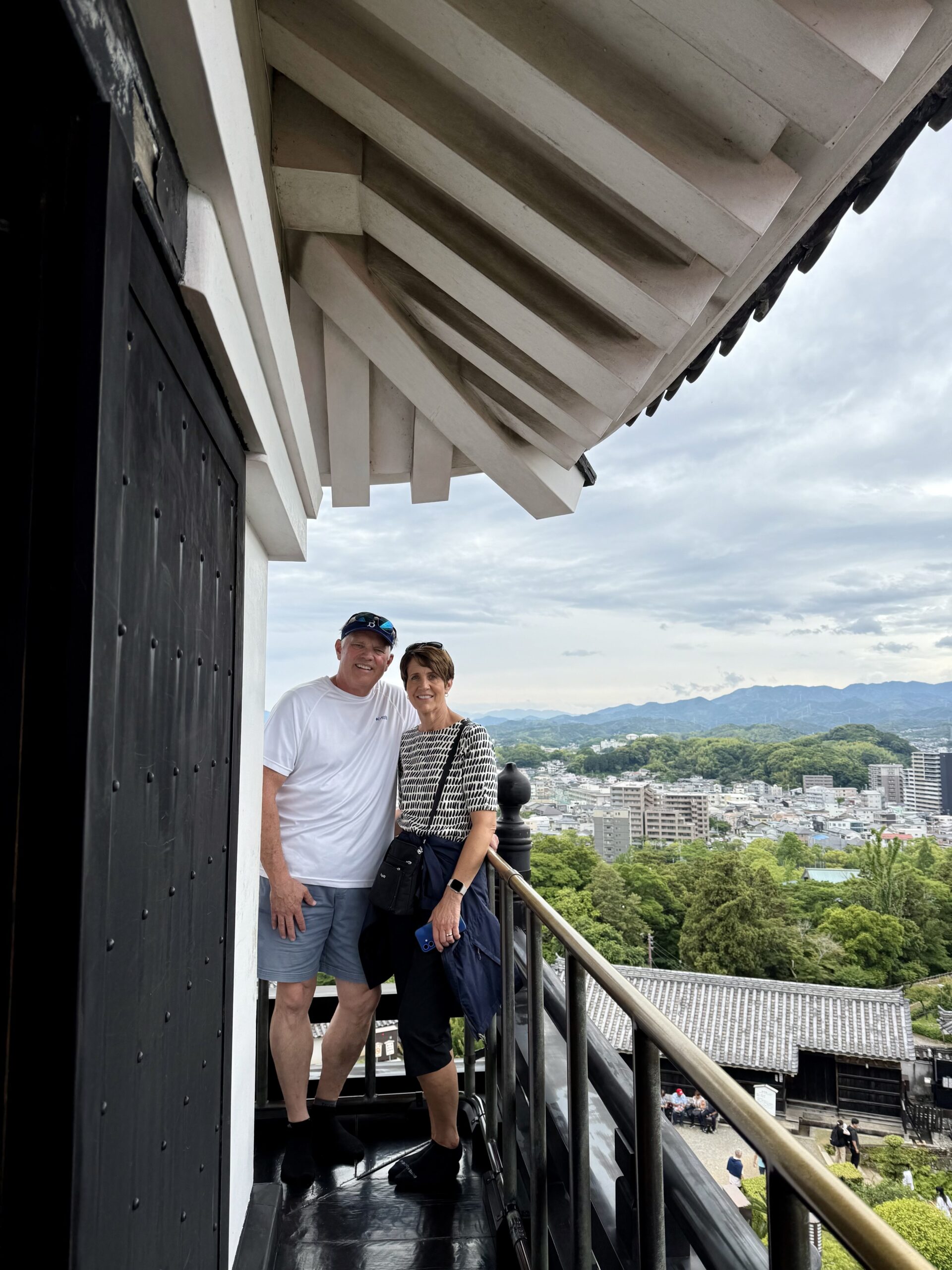
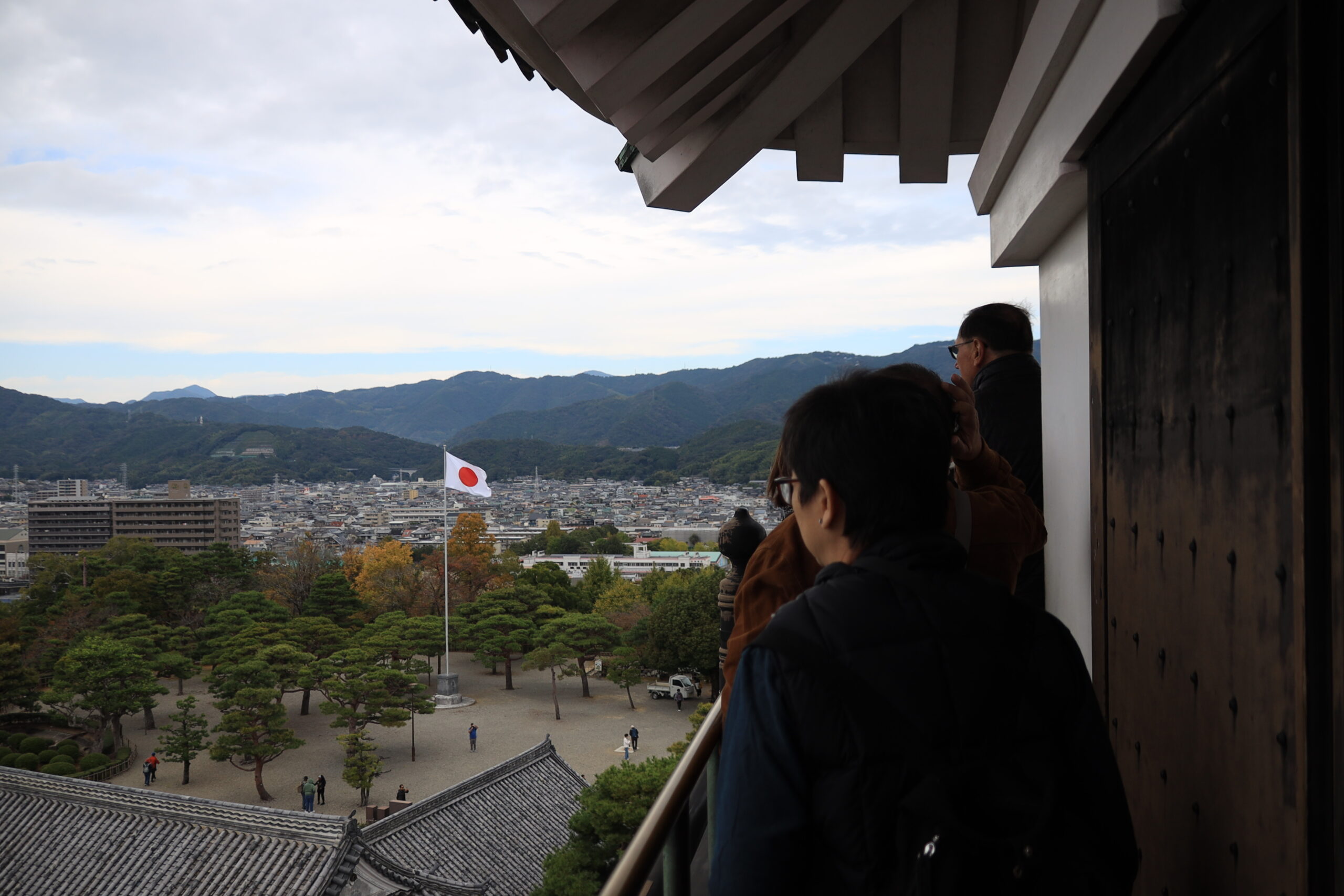
After all of that, the top-floor balcony delivers one of the finest views in Shikoku. The entire city of Kochi spreads out below, ringed by forested mountains, with the Pacific Ocean visible in the distance on clear days. It is the same panorama the Yamauchi lords surveyed for over 250 years of Tosa domain history. Take your time up there. You’ve earned it.
Not Up for the Climb? The Kochi Castle Museum of History Is Right Next Door
If the stairs are not for you — whether due to mobility, knee problems, vertigo, or simply personal preference — there is an excellent alternative just steps away from the castle entrance. The Kochi Castle Museum of History (高知城歴史博物館) is a modern, fully accessible building located immediately beside the Otemon Gate. It houses a superb collection of artifacts, armor, maps, and historical documents related to Kochi Castle and the Tosa domain, along with rotating special exhibitions. The museum also has a café with a lovely view of the castle. You can genuinely understand the full history of the castle from inside the museum without climbing a single step. It is a wonderful experience in its own right — not a consolation prize. Many visitors do both: the museum first, and then the castle.
Quick Reference: What to Expect at Kochi Castle
- 🪨 Approximately 150 stone steps from the main gate to the keep entrance — sections without handrails
- 🏯 5 internal floors connected by steep wooden staircases inside the keep — handrails provided
- 👟 Shoes must be removed before entering the keep — carry them in a provided bag
- ⚠️ Watch for low beams and doorways throughout the interior
- 🔄 A sloped alternative path exists to avoid the stone steps — but it’s easy to get lost without a guide
- 🏛️ Kochi Castle Museum of History is directly beside the main gate — fully accessible, highly recommended
- ⏰ Allow 60–90 minutes for the full castle experience
Visit Kochi Castle on Our Private Shore Excursion
Arriving by cruise ship? I’ll pick you up directly from the Kochi cruise terminal and guide you through the castle at a comfortable pace suited to your group. I know the sloped route, the hidden photo spots, the stories behind every gate and staircase, and exactly how to make the most of your time — whether you’re climbing to the top or exploring the grounds and museum. No bus groups, no rushing, and a relaxed return to your ship with time to spare.
Flexible timing options:
- ⏰ 4-hour express tour (Kochi Castle + Hirome Market)
- ⏰ 6-hour highlights tour (our most popular option)
- ⏰ 8-hour comprehensive experience