
Sakamoto Ryoma Memorial Museum: A Must-Visit Kochi Shore Excursion
When people think of Kochi, one name always comes to mind — Sakamoto Ryoma. Born in 1836 in what is now Kochi City, Ryoma is one of Japan’s most beloved historical figures. He was a samurai who became a revolutionary, playing a key role in ending Japan’s feudal era and opening the country to the modern world. If you are arriving in Kochi by cruise ship, a visit to the Sakamoto Ryoma Memorial Museum is one of the most rewarding shore excursions you can experience. Sitting on the coast near the famous Katsurahama Beach, this museum brings the story of Ryoma’s life to life in a way that is both visually stunning and deeply moving.
About the Sakamoto Ryoma Memorial Museum
The museum building itself is an architectural statement. It is bold and modern — a striking glass cube that appears to float above the Tosa coastline, with vibrant orange and blue panels and a large sundial sculpture out front. Standing before it with the Pacific Ocean stretching out beyond, you immediately understand why Ryoma dreamed so big. He grew up looking at this same sea and imagined a Japan that could engage with the rest of the world. The building reflects that spirit perfectly.
The museum has two main sections. The first is a free area near the entrance where you can enjoy the ocean views and get a feel for the setting. The second is the paid exhibition area, where the real story begins. The exhibits are thoughtfully designed with both Japanese and English explanations, so international visitors can follow along with ease.
What You Will See Inside
As you enter the main exhibition hall, you are immediately drawn into the world of the Bakumatsu period — the turbulent final years of the Edo shogunate in the 1860s. The museum uses original artifacts, documents, photographs, and multimedia displays to tell Ryoma’s story from his childhood in Kochi all the way to his assassination in Kyoto in 1867.
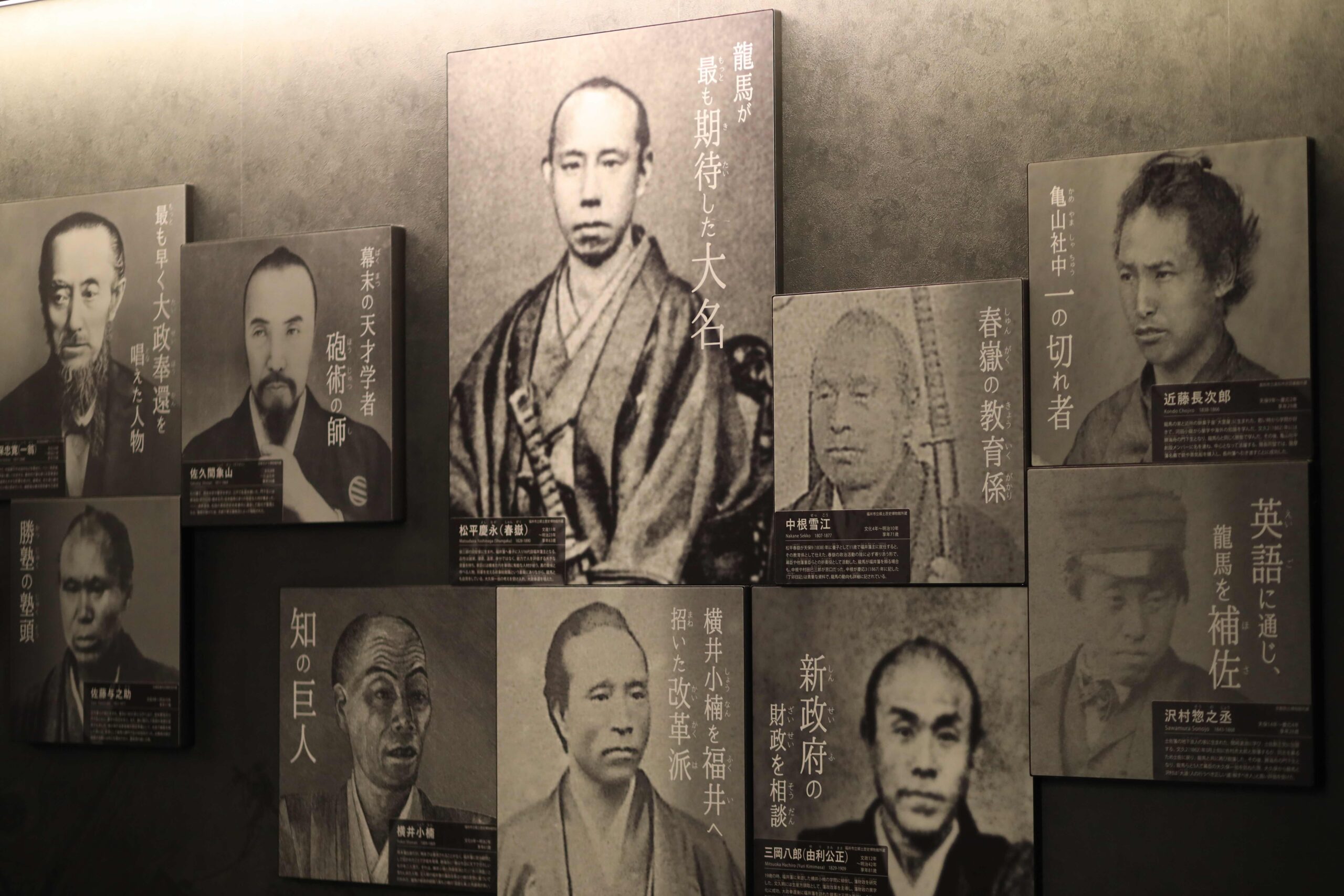
One of the most striking exhibits is a wall display showing the many key figures who surrounded Ryoma — feudal lords, reformers, fellow samurai, and political allies. It gives you a real sense of just how well-connected Ryoma was, and how he navigated a world full of competing loyalties and deadly rivalries.
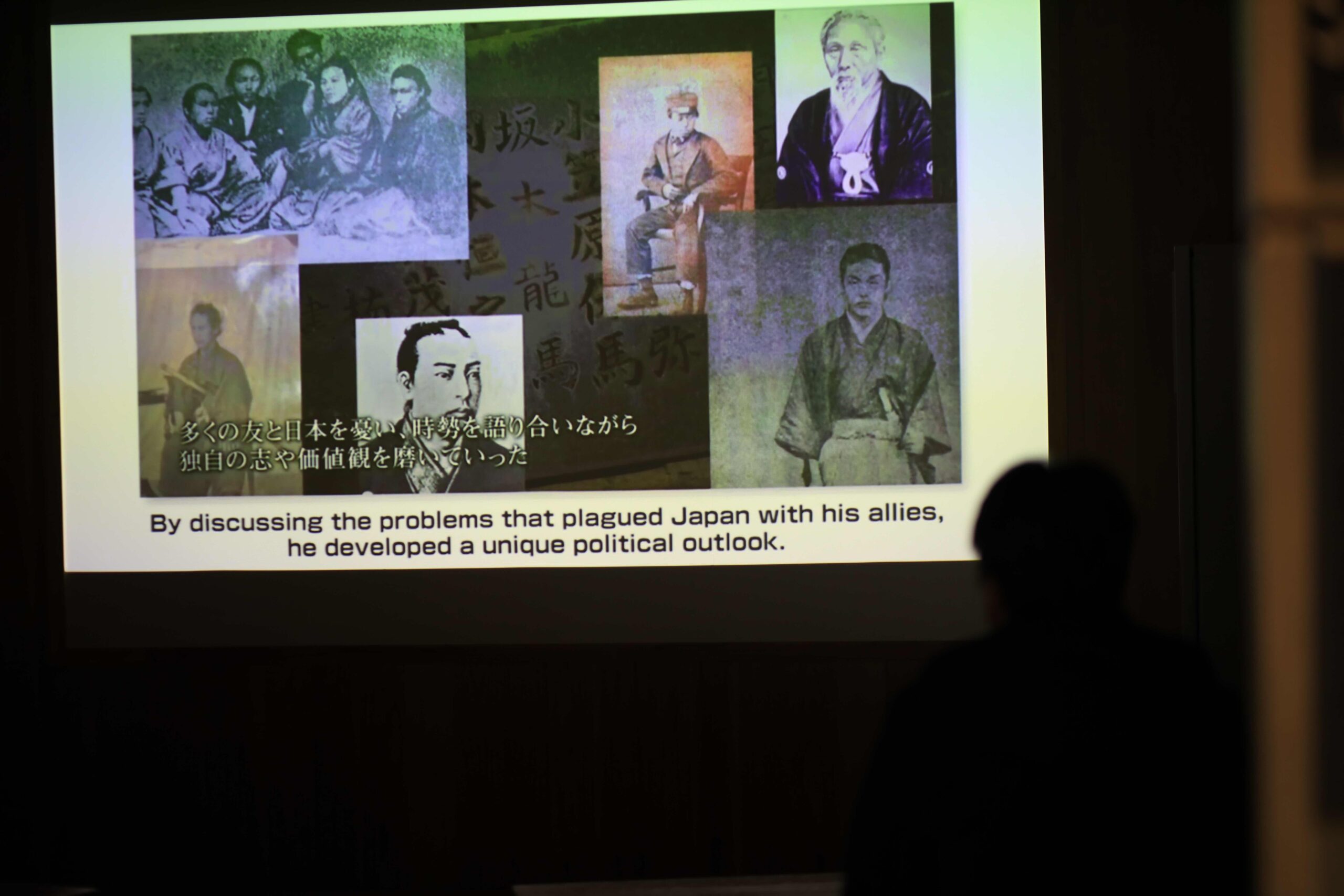
The museum screens a short film about Ryoma’s life with English subtitles. This is a great way to get the full story before exploring the exhibits — it gives you important context that makes everything else much more meaningful.
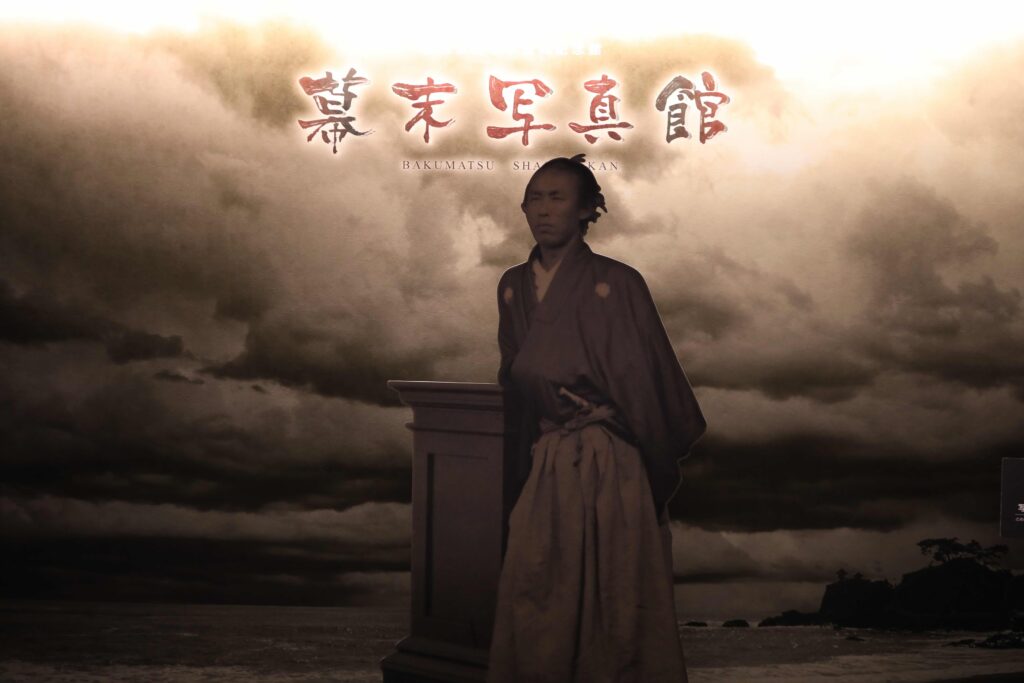
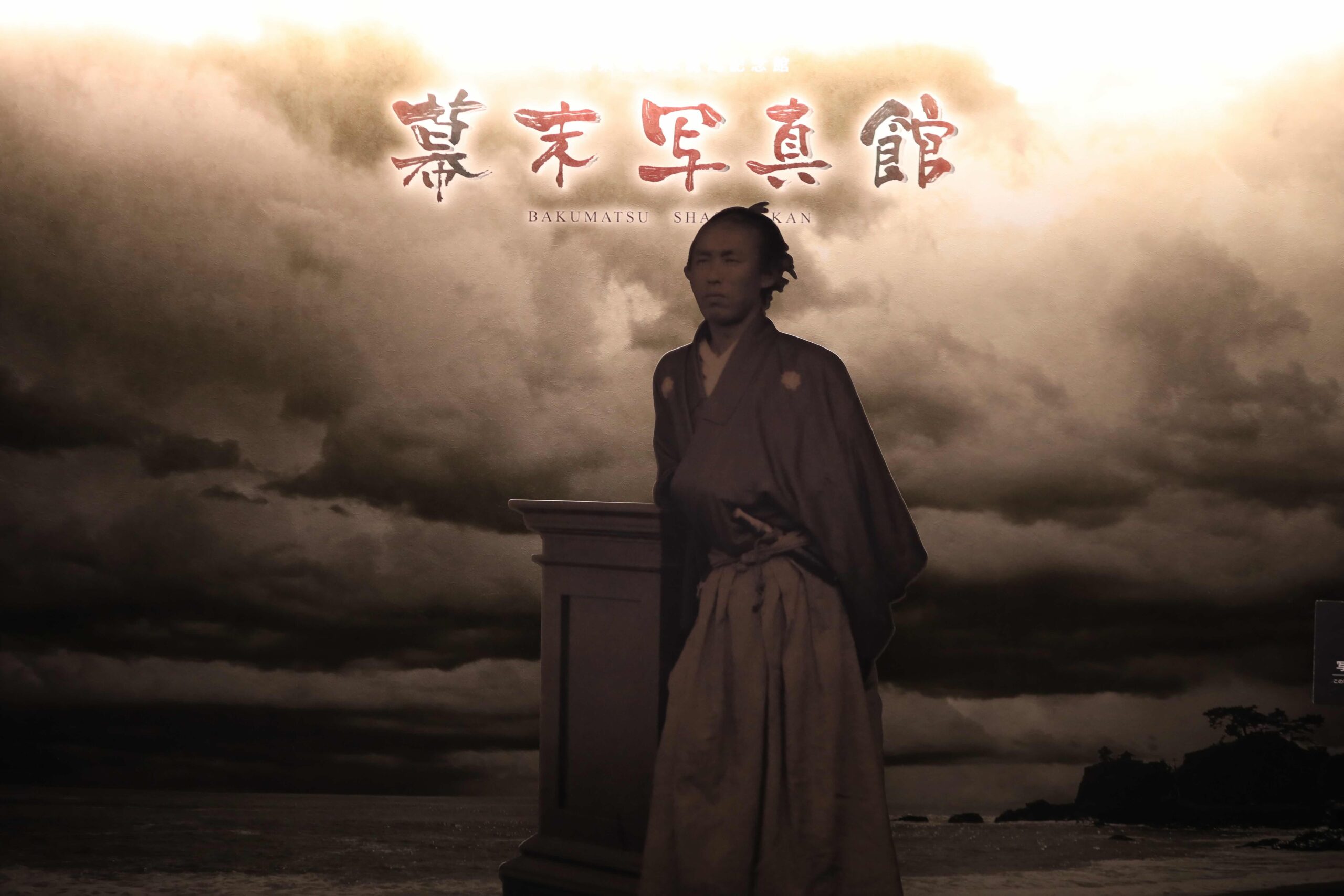
The Bakumatsu Shashinkan — or “Late Edo Photo Studio” — is one of the most memorable parts of the museum. Here you can step into the dramatic atmosphere of the Bakumatsu era through immersive imagery. The museum does an excellent job of making history feel alive rather than distant.
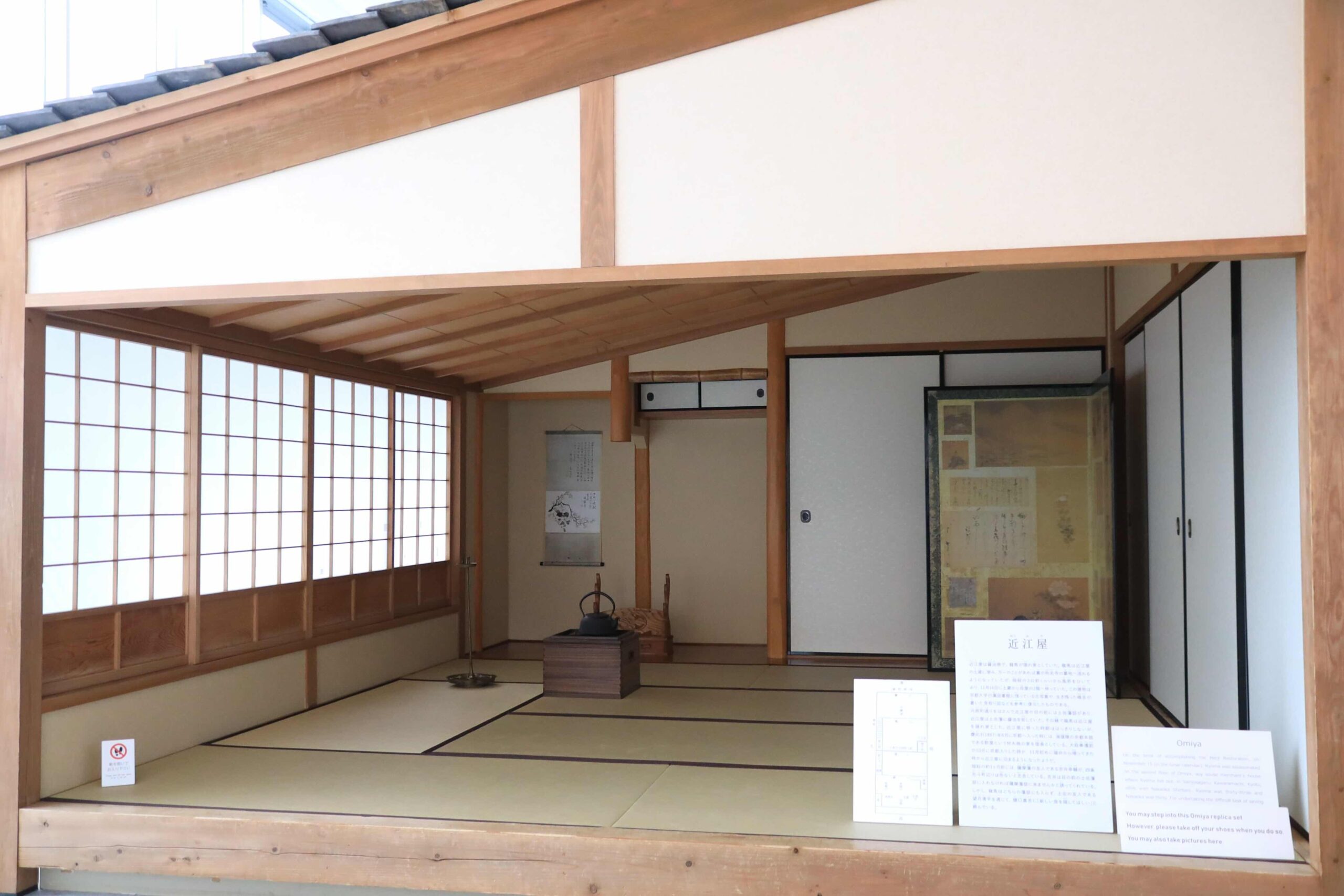
A full-scale replica of the Omiya inn — the Kyoto inn where Ryoma spent his final days — is one of the most poignant exhibits. Standing in front of this traditional tatami room, with sliding shoji screens and simple furnishings, it is hard not to feel the weight of history. Ryoma was assassinated here at just 31 years old.
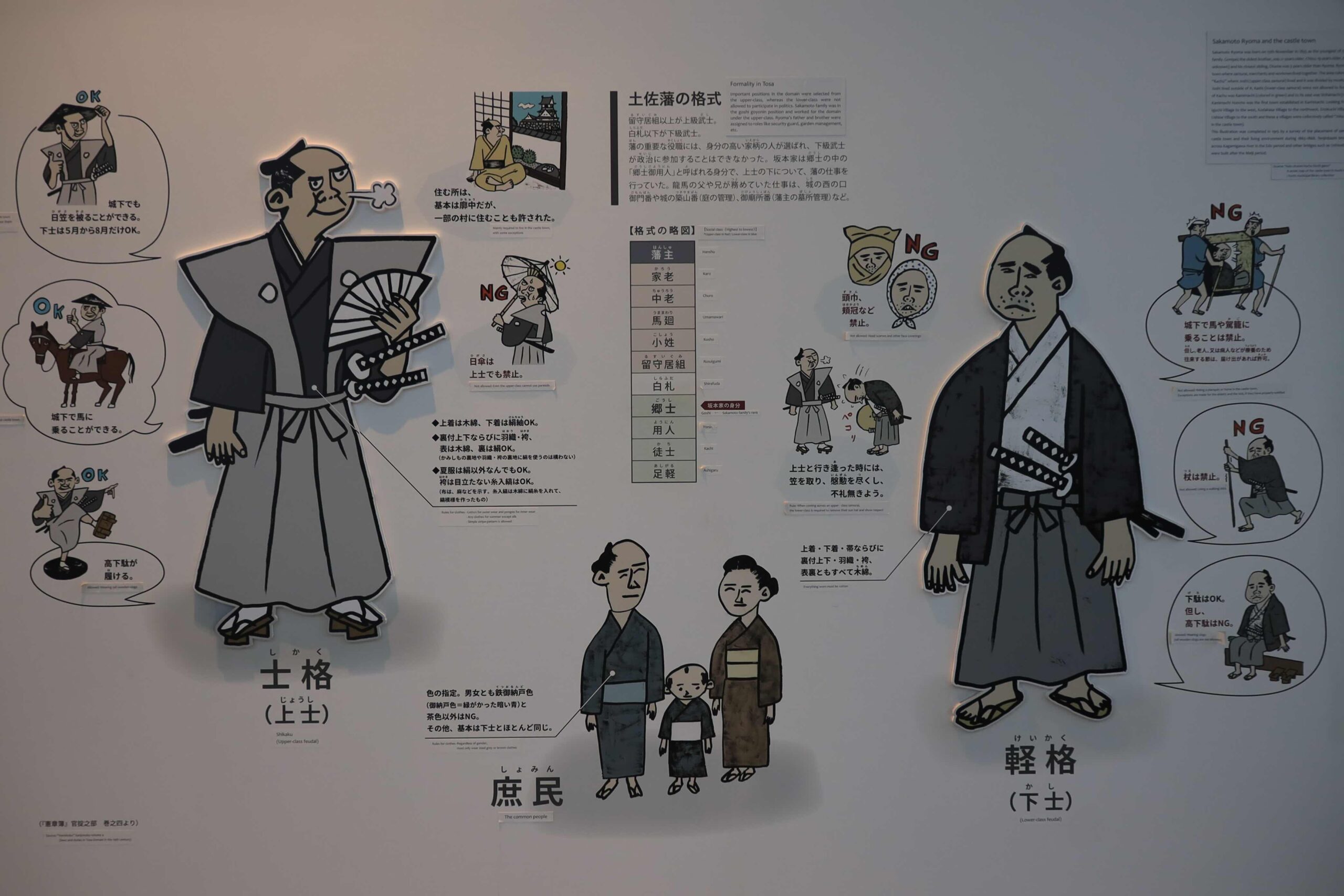
For visitors curious about daily life in Ryoma’s time, the museum has an engaging illustrated display explaining the rigid class system of the Tosa domain. Ryoma himself came from a lower-ranking samurai family, which shaped his progressive views on social equality. These fun, cartoon-style illustrations make a complex topic easy to understand — even children enjoy this section.
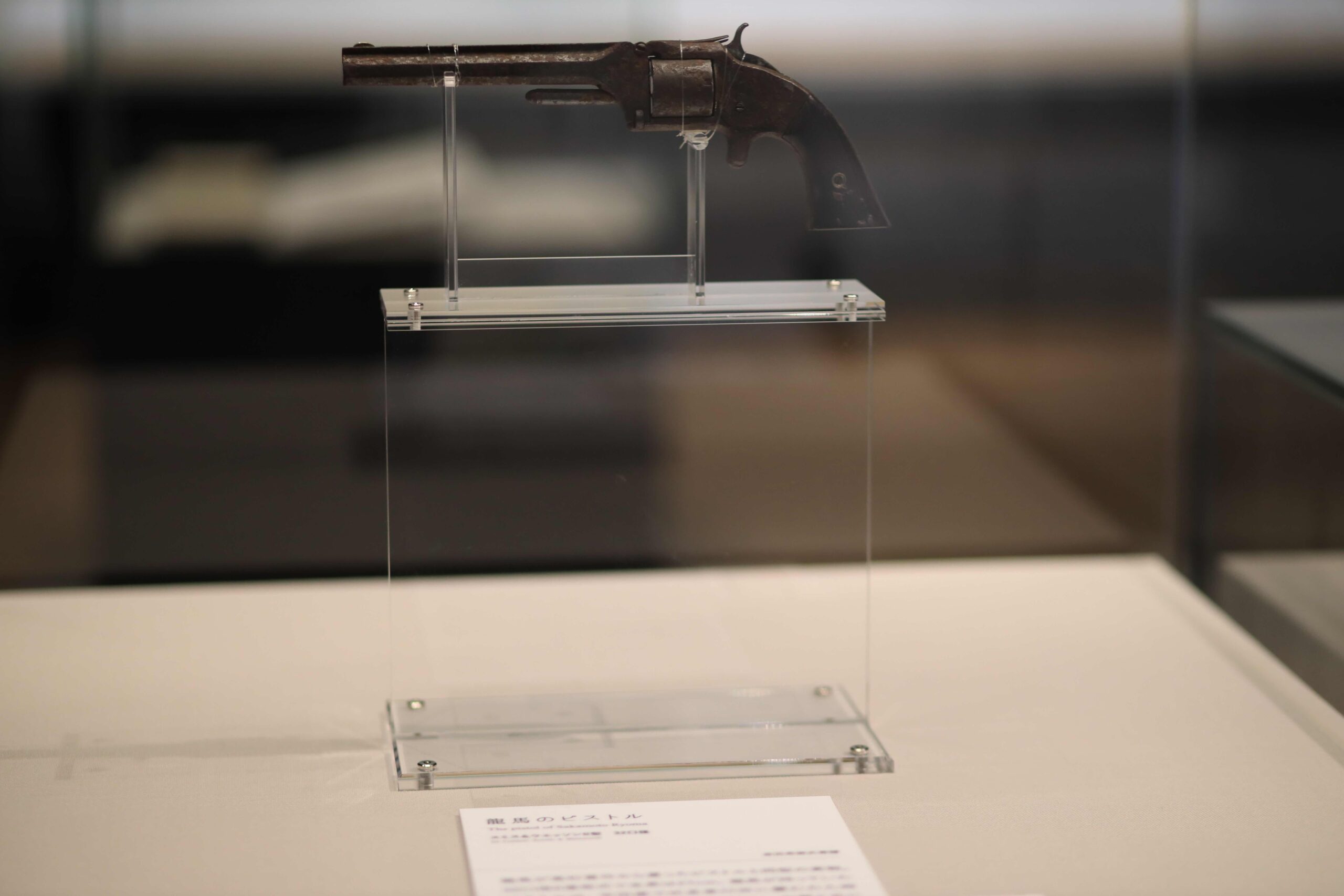
Perhaps the single most exciting artifact in the museum is Ryoma’s pistol — a Smith & Wesson revolver that he actually carried. Seeing this small, worn gun in a glass case is a remarkable moment. It represents everything about how Ryoma bridged two worlds: a samurai who carried a Western firearm, a man of tradition who embraced change.
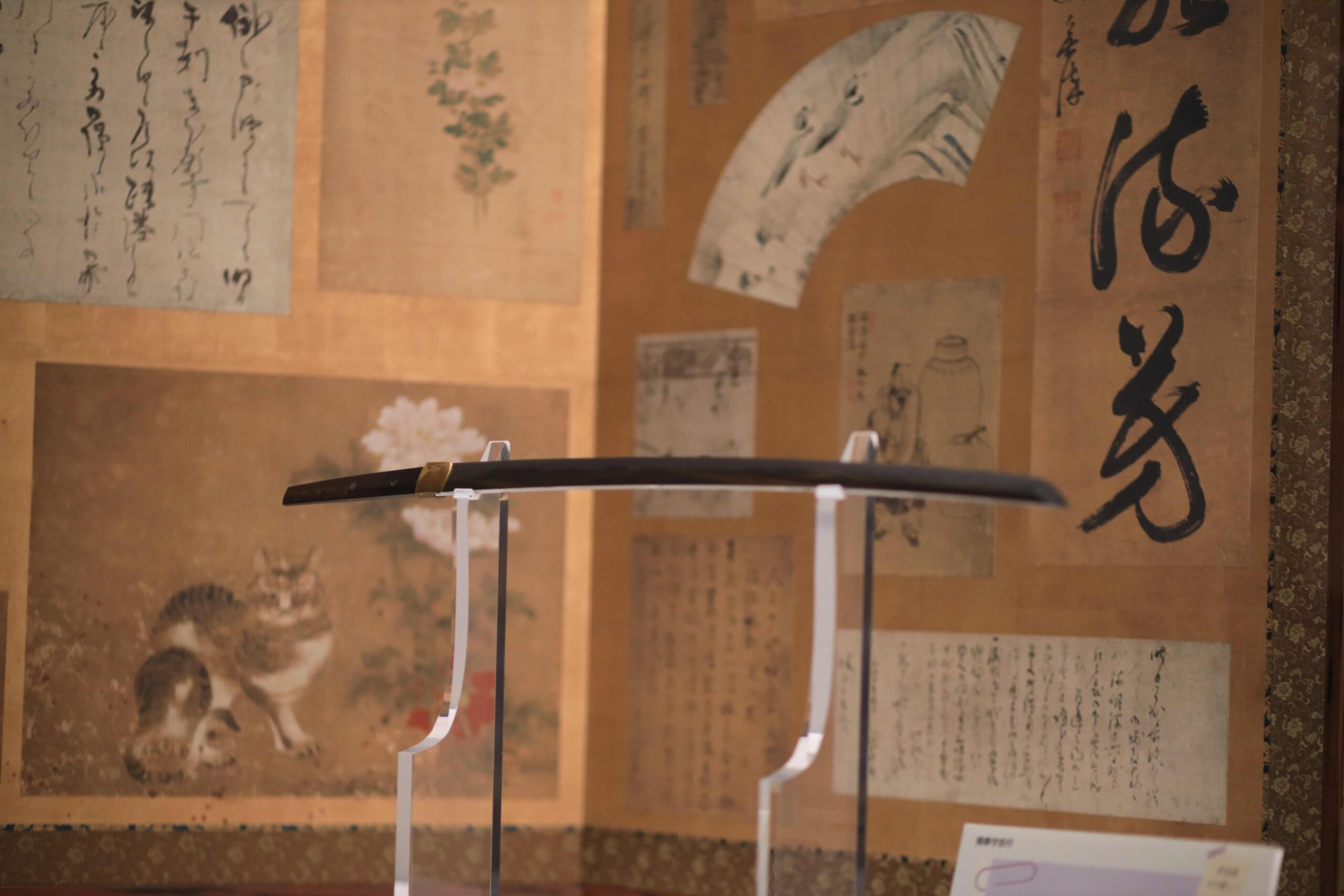
Ryoma’s katana is also on display, and seeing both the sword and the pistol in the same museum says everything about the man. The sword represents his samurai roots; the pistol represents his vision of a modern Japan. Together they tell the story of a country in transformation.
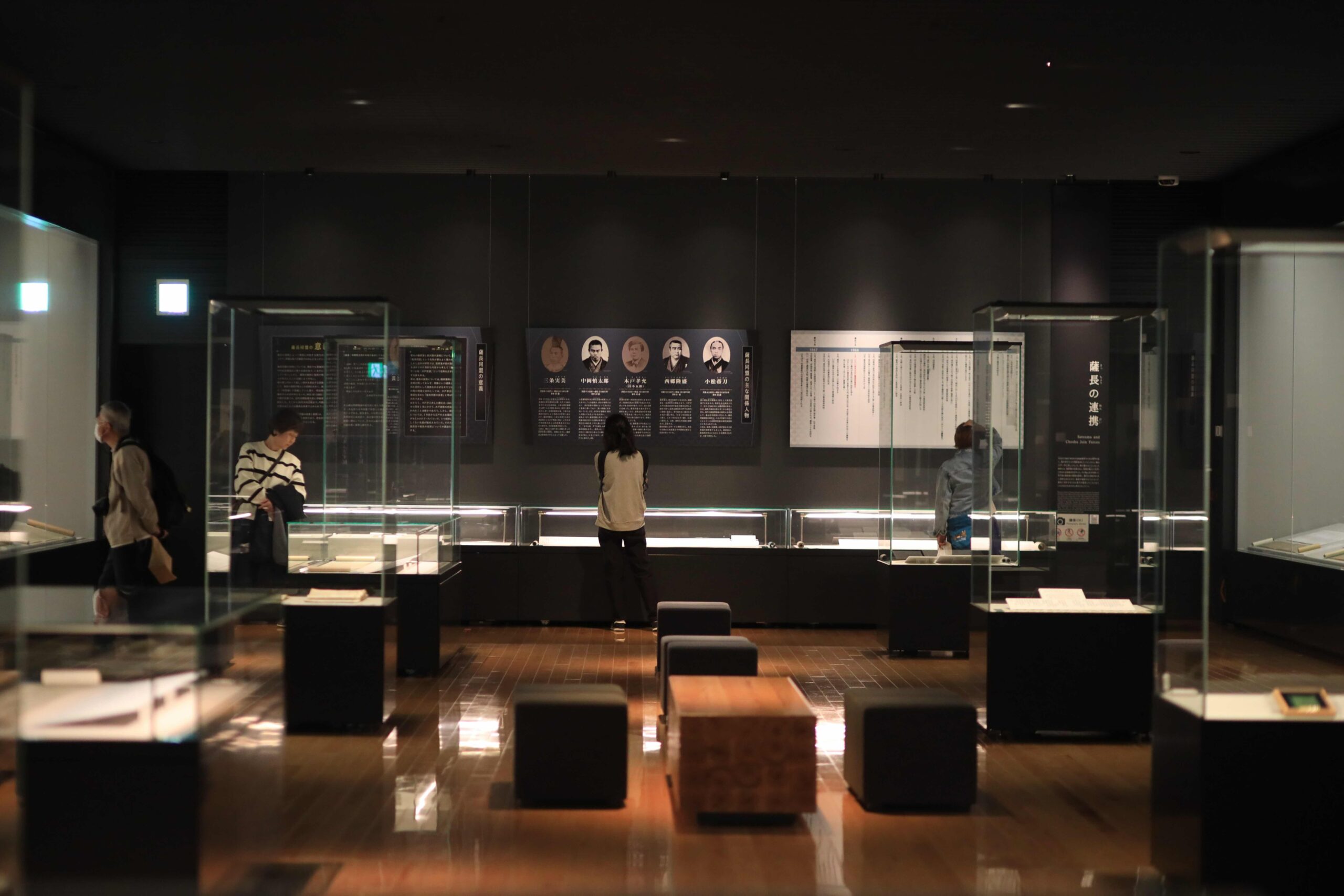
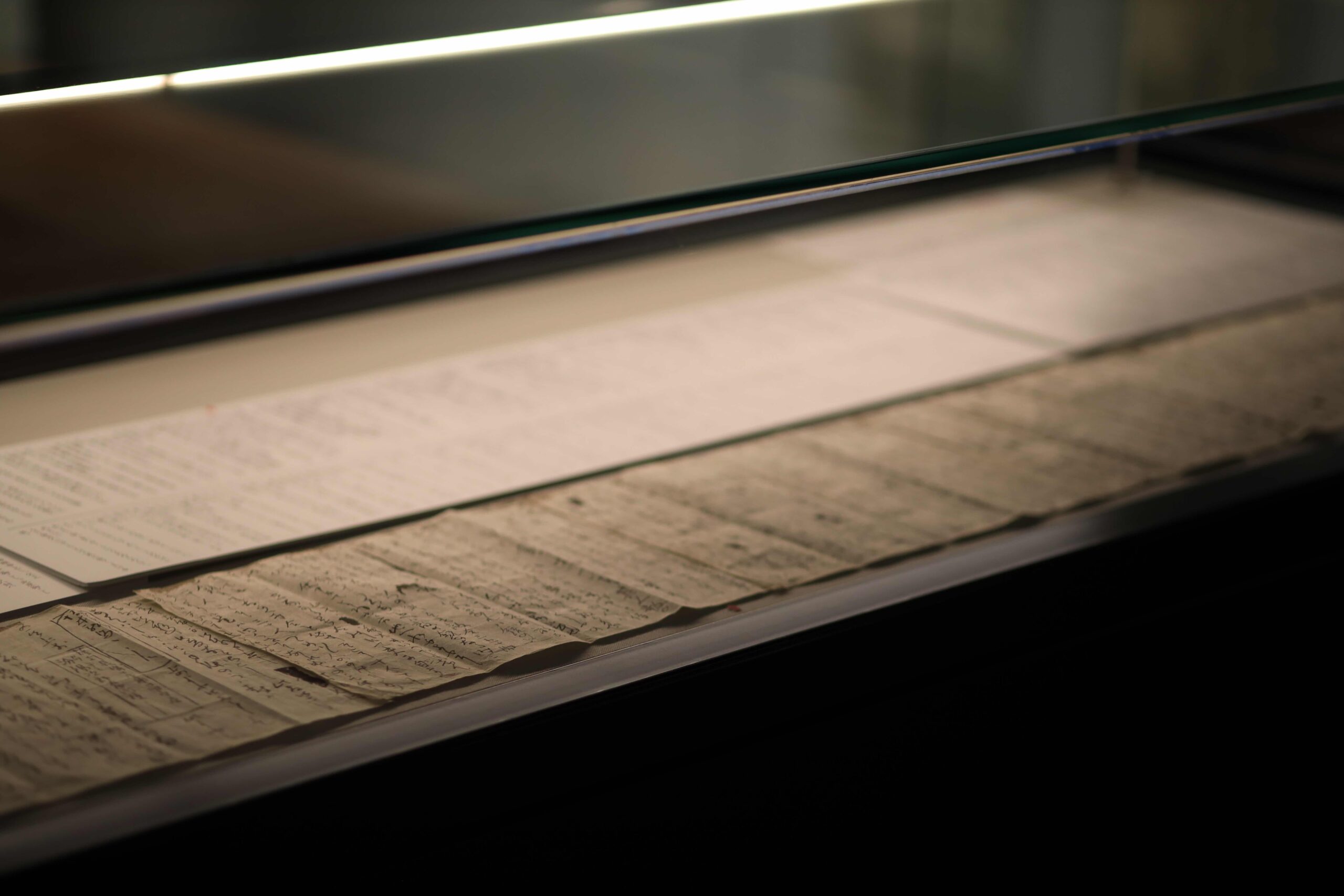
The museum also displays Ryoma’s personal letters — some of the most famous letters in Japanese history — preserved carefully in illuminated glass cases. Ryoma was a prolific letter writer, and his letters give us a window into his personality: passionate, funny, and deeply concerned about Japan’s future.
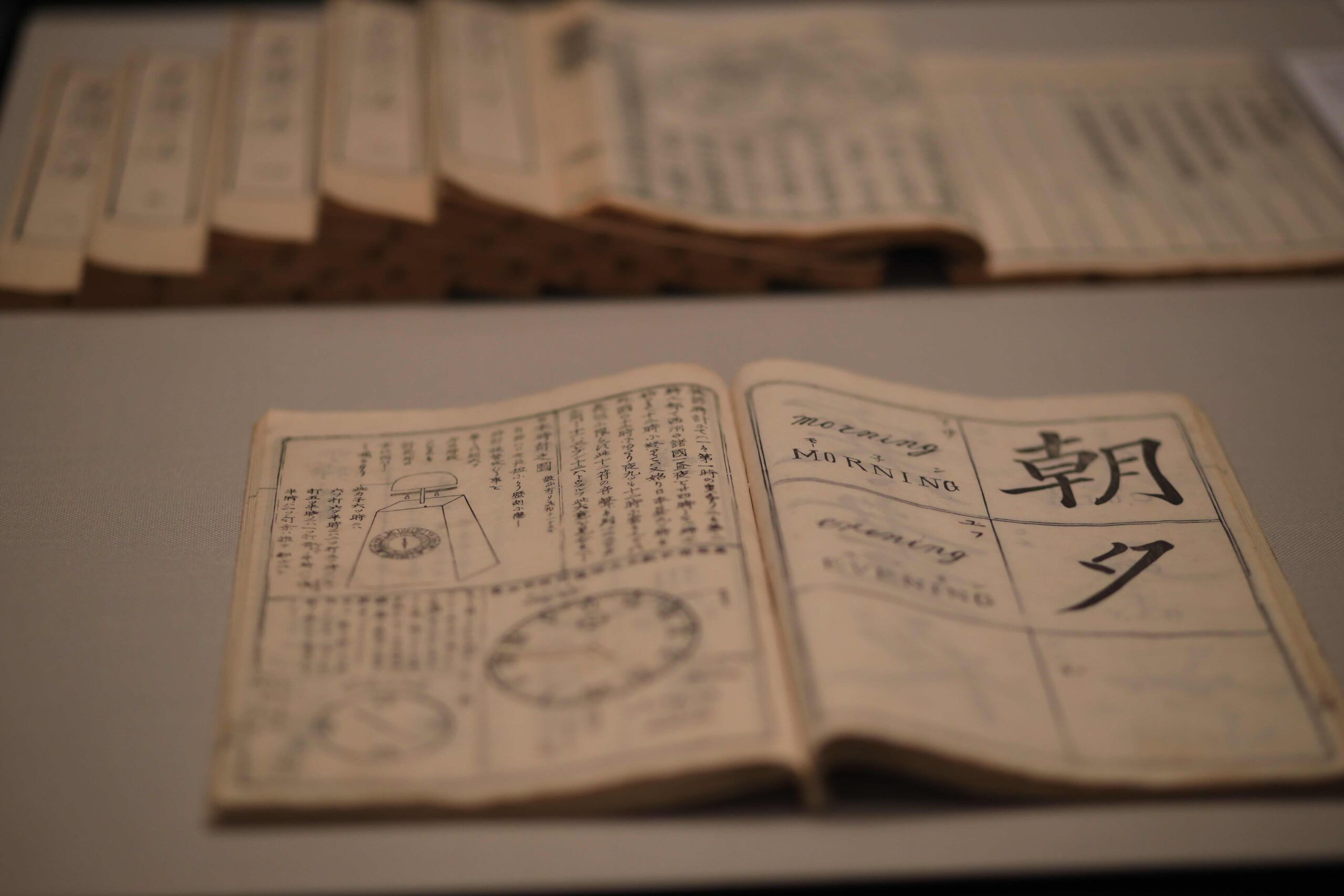
Nearby, an early Japanese-English language study book is open to a page showing words like “Morning” and “Evening” written in both languages. It is a small but touching reminder of how curious people of that era were about the outside world — and how Japan was beginning to open up.
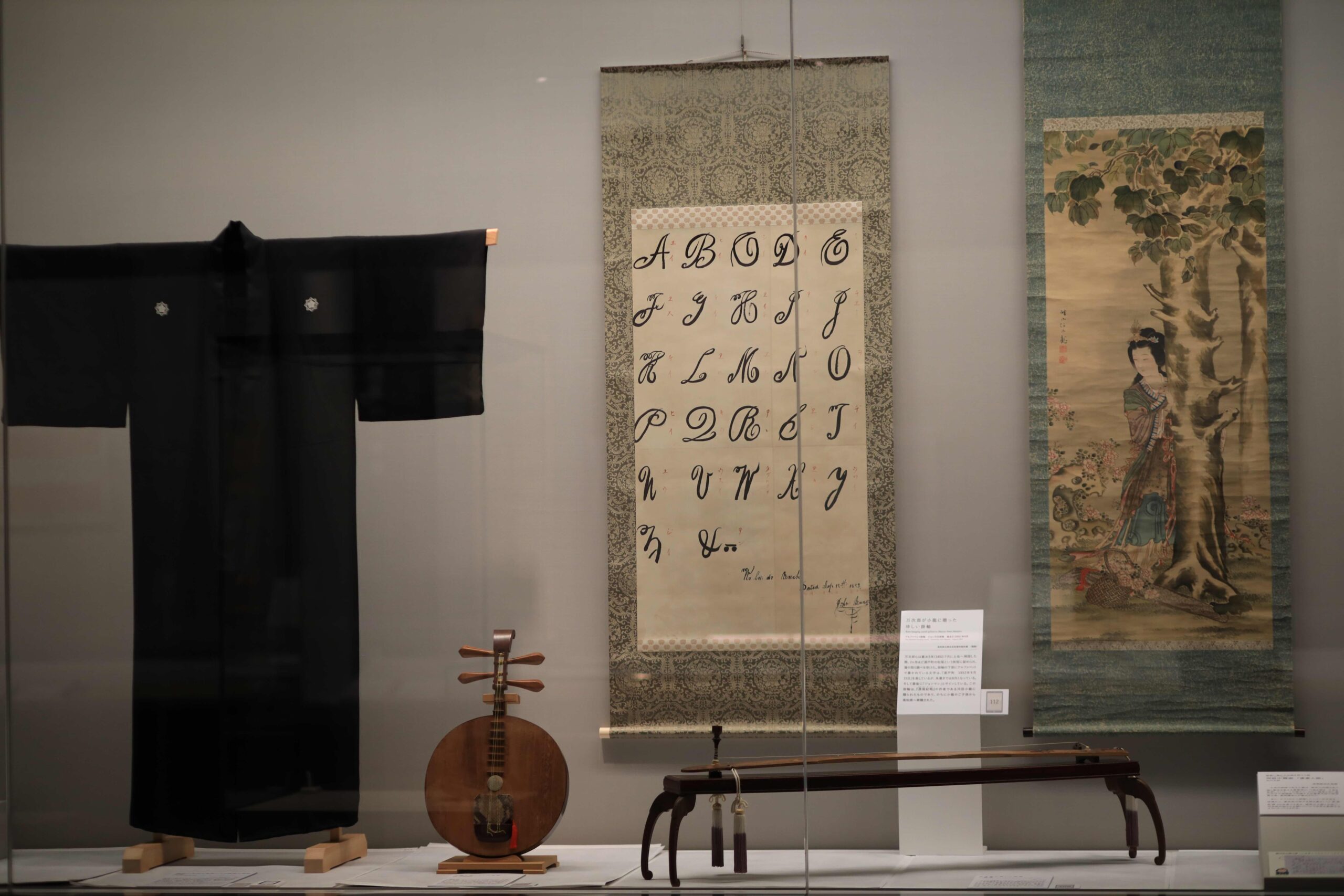
Other highlights include Ryoma’s formal black kimono displayed alongside a beautiful scroll written with English alphabet letters — a striking visual contrast that captures the spirit of the Bakumatsu era perfectly. Traditional instruments are also displayed nearby, giving you a rich picture of life in 19th-century Japan.
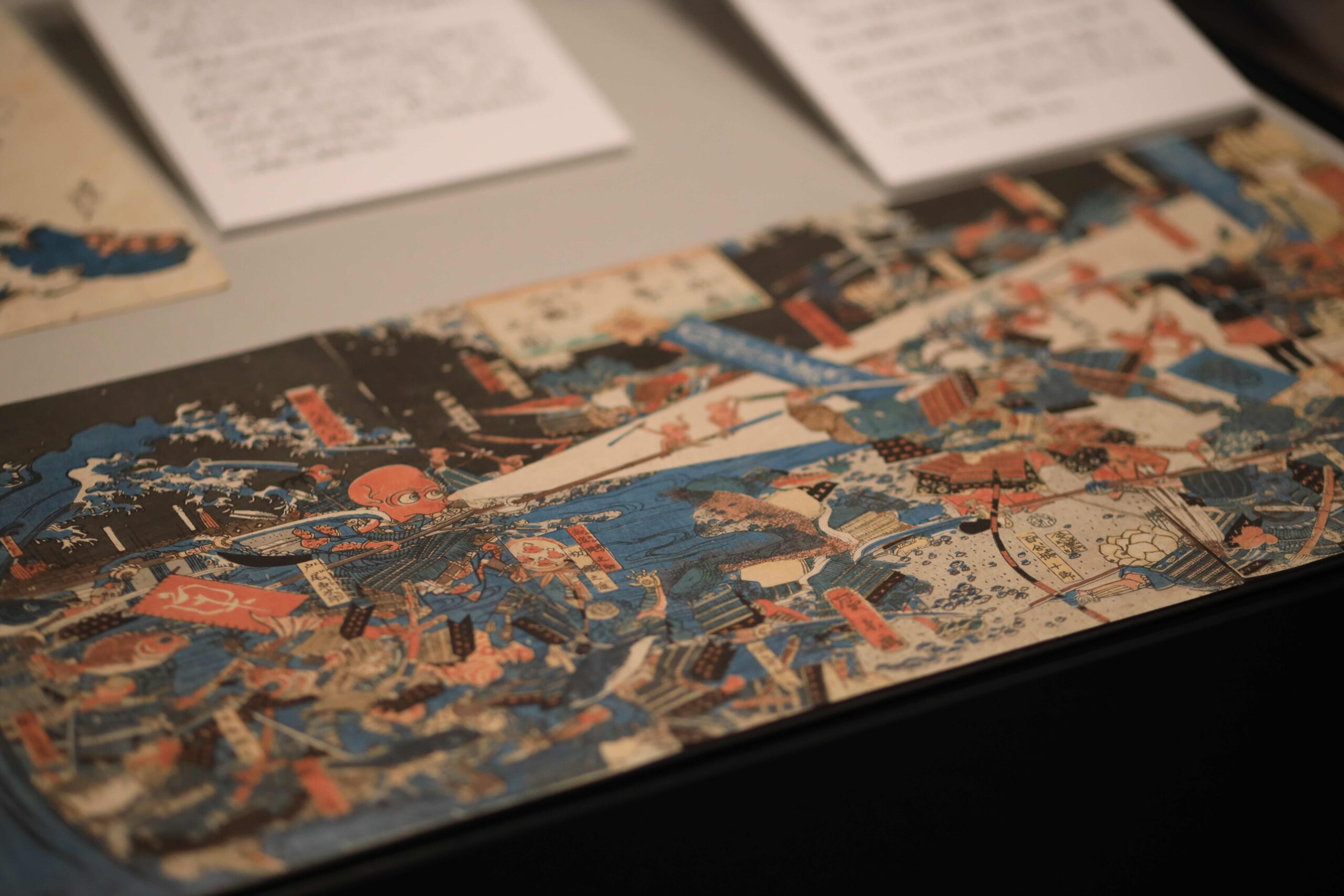
The collection also includes vivid ukiyo-e woodblock prints from the Bakumatsu period, offering a glimpse into the popular culture and visual imagination of Ryoma’s time. These colorful prints are a wonderful contrast to the more solemn documents and weapons on display elsewhere in the museum.
The main exhibition hall is spacious and beautifully lit, with glass display cases holding documents and artifacts and large portrait panels lining the walls. Even visitors who come mainly for the famous name often find themselves spending more time here than expected. There is simply so much to take in.
Also Nearby: The Museum of Liberal Arts and Civil Rights
While Kochi is famous for Ryoma, another important local figure also deserves attention — Itagaki Taisuke. A short drive away from Katsurahama, the Jiyuminken Kinenkan (Museum of Liberal Arts and Civil Rights) is dedicated to him and the Freedom and People’s Rights Movement of the 1870s and 1880s. Itagaki was a Kochi-born political leader who championed democratic rights in Japan. If you have extra time on your shore excursion, it is worth a quick stop.
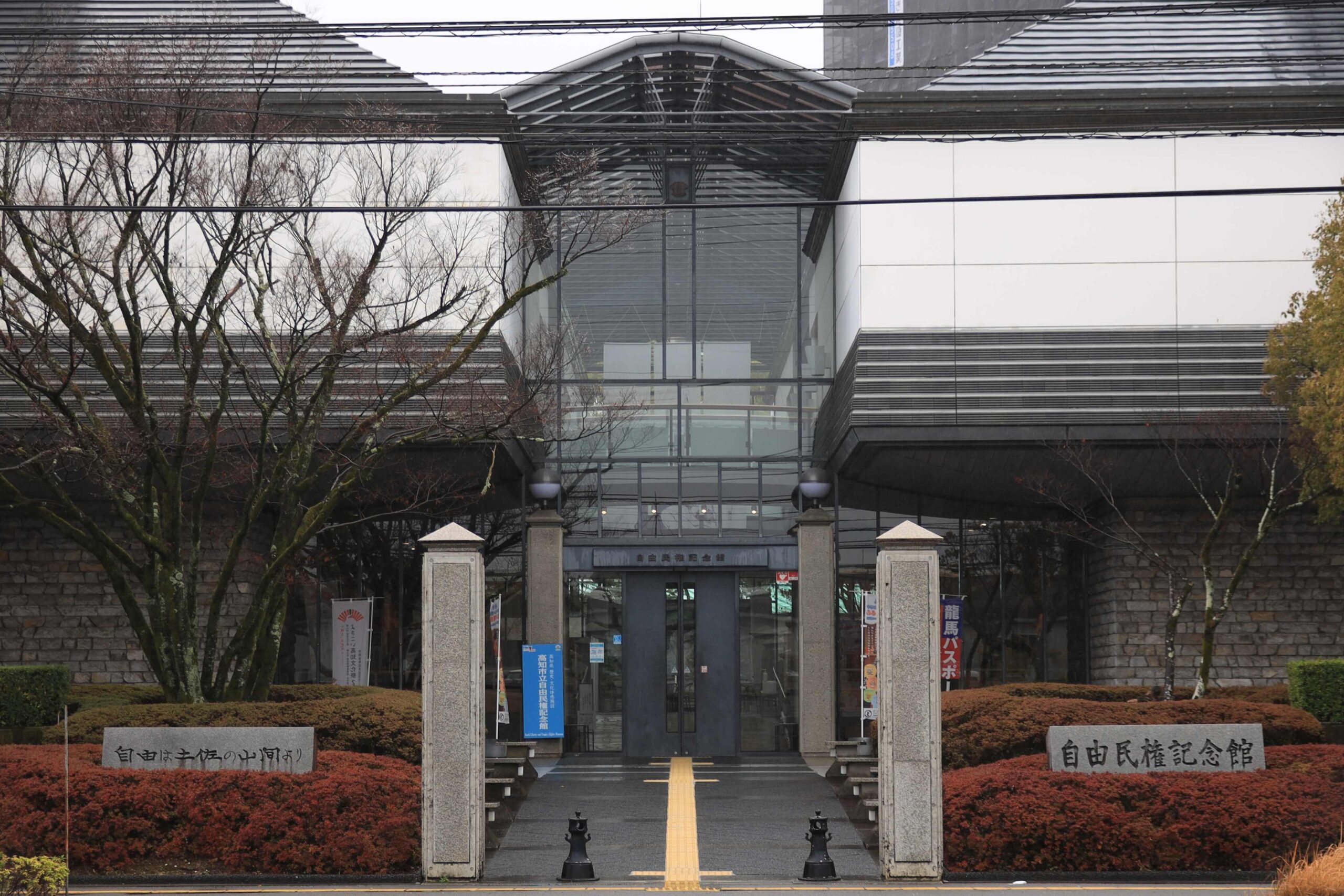
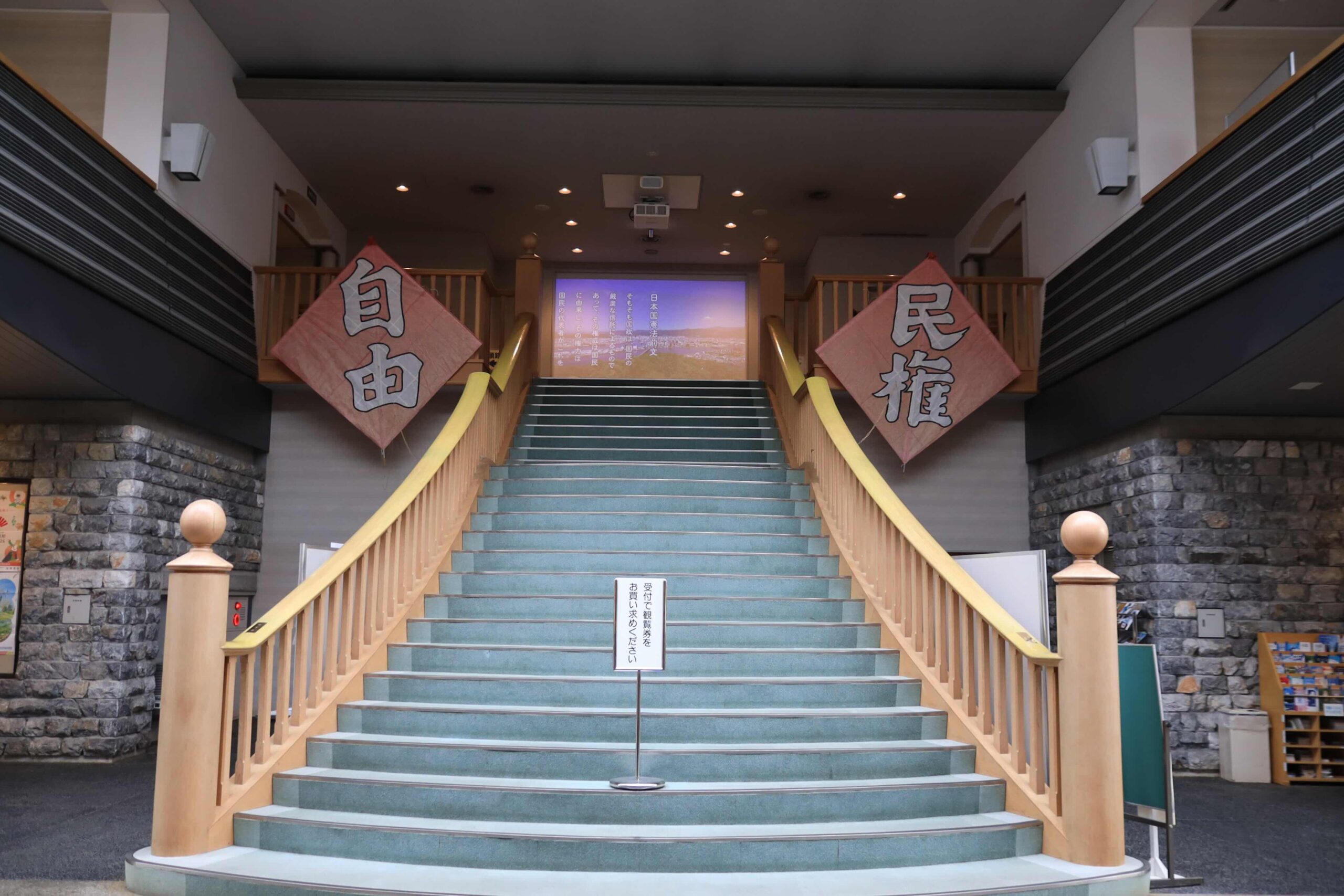
The museum’s entrance is marked by a stone inscription reading “Jiyuu wa tosa no yama naka yori” — “Freedom comes from the mountains of Tosa.” Inside, the grand staircase is flanked by large diamond-shaped signs reading 自由 (Freedom) and 民権 (Civil Rights), making for a dramatic and memorable first impression.
Perfect for Cruise Ship Passengers
Arriving in Kochi by cruise ship? The Sakamoto Ryoma Memorial Museum is one of the best shore excursions you can take from the Kochi cruise port. It is located near Katsurahama Beach, about 15 minutes from the cruise terminal by car. On a private tour, you can easily combine the museum with a stop at Katsurahama itself — one of the most scenic coastal spots in all of Shikoku — and still have time for a lunch of Kochi’s famous fresh bonito, katsuo no tataki.
Flexible timing options:
- ⏰ 4-hour express tour (Ryoma Museum + Katsurahama Beach)
- ⏰ 6-hour highlights tour (museum + Katsurahama + city highlights)
- ⏰ 8-hour comprehensive experience (add Kochi Castle and Hirome Market)
All tours include comfortable private transportation and make sure you get back to the port in good time.
Experience Kochi’s Samurai History on Our Kochi Highlights Tour
The Sakamoto Ryoma Memorial Museum is a centerpiece of our Kochi Highlights Tour. Your private guide will not only take you through the exhibits but share stories and context that bring Ryoma’s world to life in a personal way. Kochi is Ryoma’s hometown, and locals here feel a genuine connection to his legacy. Hearing about him from someone who grew up in Kochi is a very different experience from simply reading museum panels.
- Private transportation from the Kochi cruise terminal
- Expert local guide with deep knowledge of Ryoma and Kochi history
- Optional combined visit with Katsurahama Beach and Kochi Castle
- Comfortable return to the ship before departure
- Small group or fully private — no large bus tours
Book the Kochi Highlights Tour →