
Aki City: A Hidden Samurai District Perfect for Kochi Shore Excursions
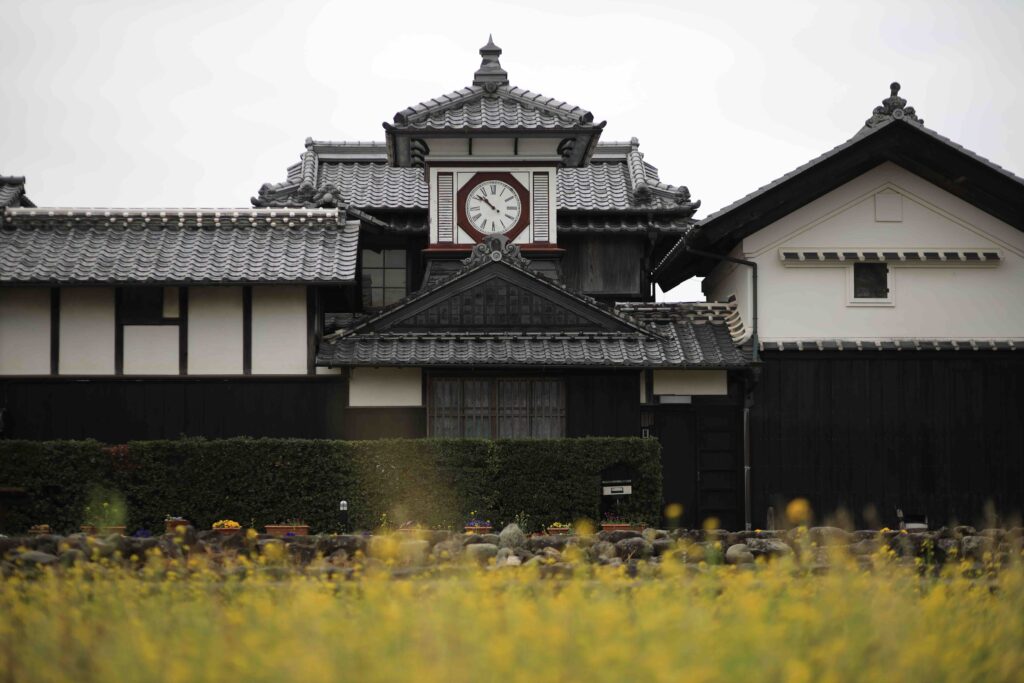
Just about an hour’s drive east of Kochi’s cruise port, the small city of Aki holds one of the best-preserved samurai districts in Kochi. Known as Doi Kachuu (土居廓中), this historic neighborhood has barely changed since the Edo period. Narrow lanes, black wooden fences, clipped hedges, traditional earthen walls, and old storehouses line the streets.
If you are looking for an authentic experience away from the crowds, Aki is the kind of place that stays with you long after your ship has left the port.
The Clock Tower: Aki’s Most Iconic Landmark
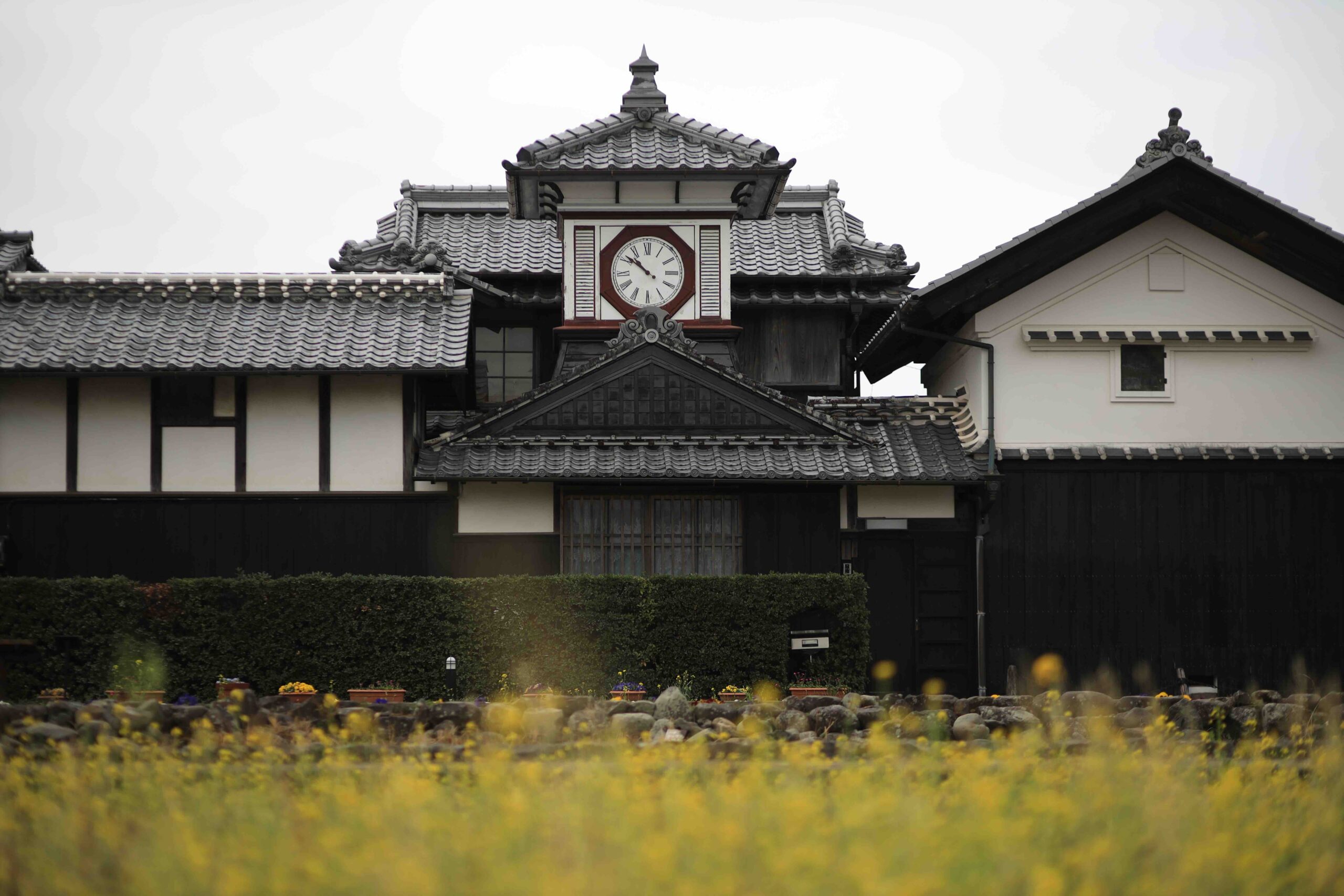
The first thing that catches most visitors’ eyes in Aki is the remarkable clock tower rising above a row of Edo-period merchant and samurai houses. The tower itself is a fascinating blend of Japanese architectural style and Western-influenced design — something that became popular during the Meiji era, when Japan was rapidly opening itself to foreign ideas while still holding onto its traditional aesthetic.
Standing in front of this tower, with yellow rapeseed flowers blooming in the foreground and traditional tiled rooftops stretching into the distance, you feel like you have stepped into a scene from old Japan. It is one of those moments that is very hard to describe but very easy to photograph.
Doi Kachuu: Walking Through an Edo-Period Samurai District
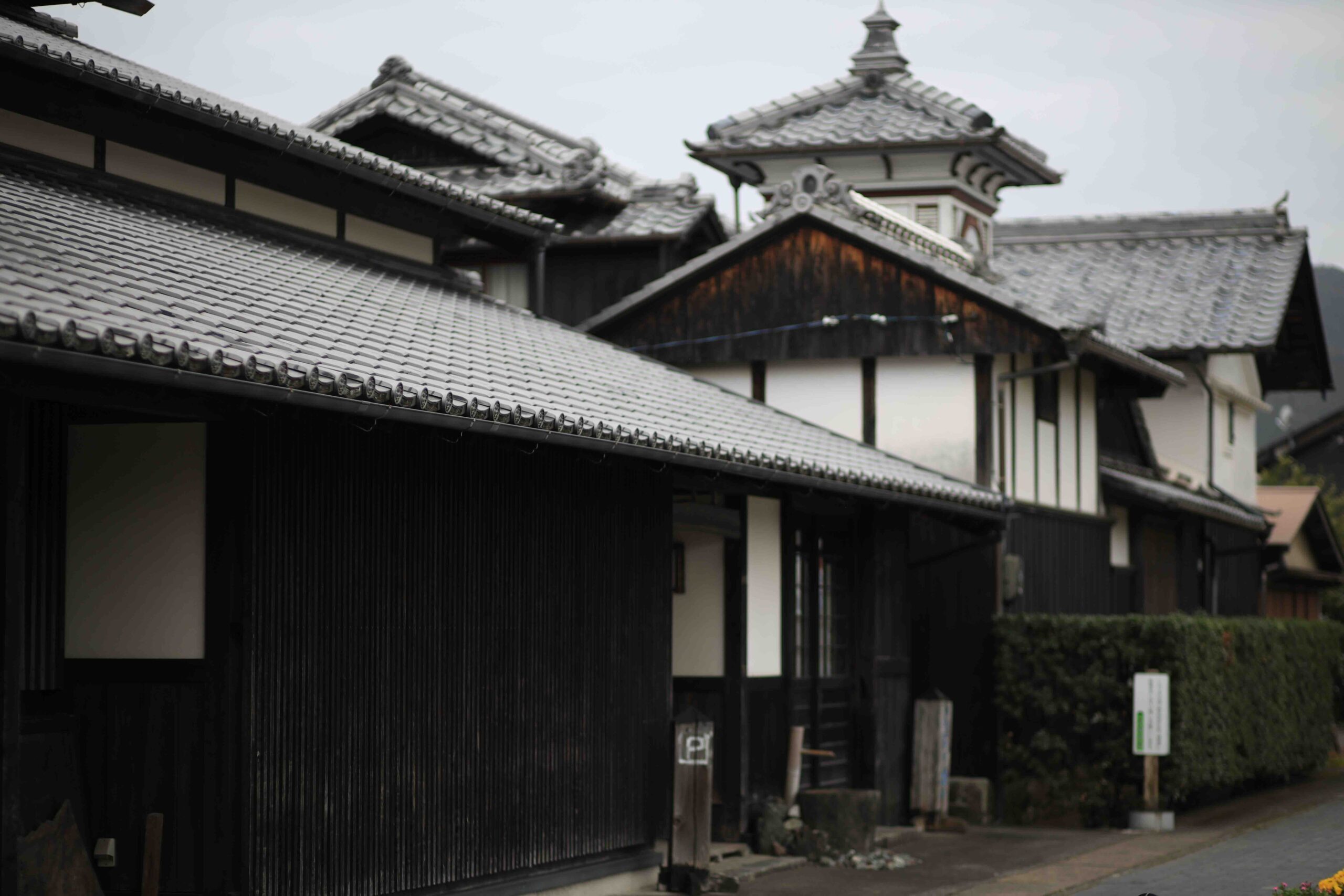
The Doi Kachuu district was originally built as a residence area for the samurai retainers who served the Aki Domain. It surrounds the ruins of Aki Castle, and even today the layout and character of the neighborhood reflects the social structure of feudal Japan. Samurai families lived here for generations, and many of their homes have survived almost intact.
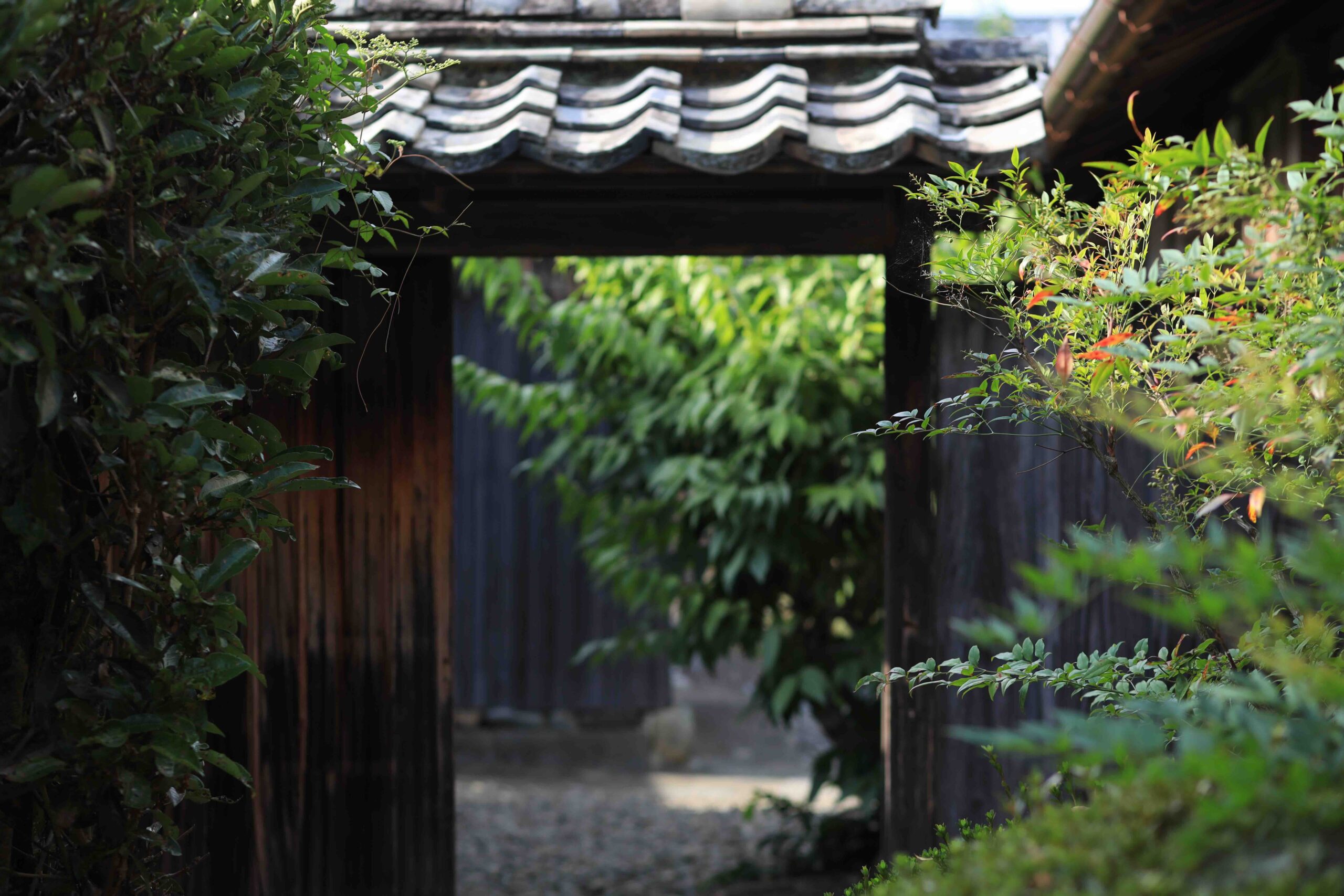
Walking through these lanes in summer, when the hedges are full and green, feels like entering a completely different world. The paths are quiet, the air smells of earth and old wood, and every turn reveals another beautiful detail — a moss-covered stone wall, a wooden gate half-hidden by vines, a carefully trimmed pine tree that has been growing for over a hundred years.
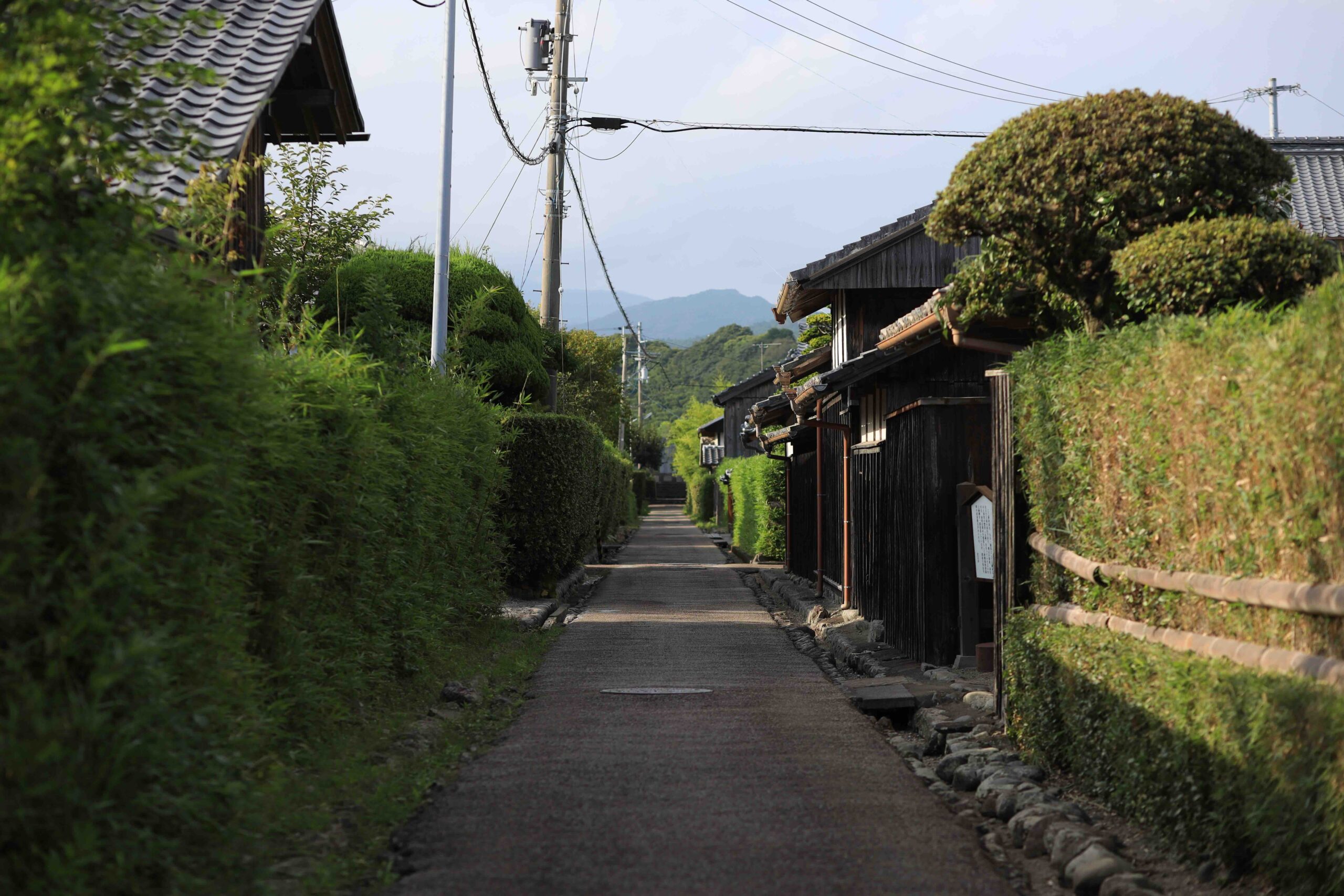
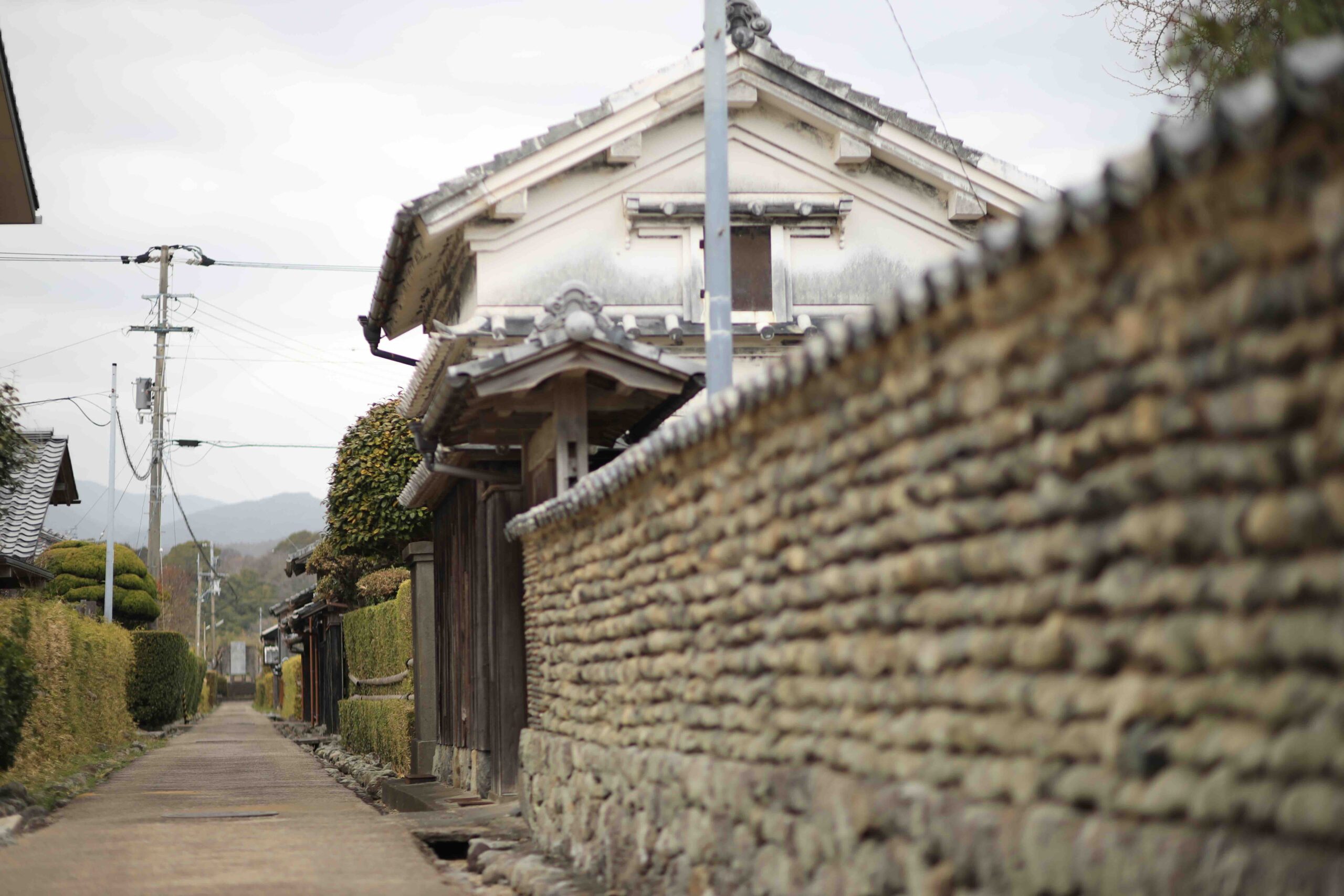
The stone walls here are particularly striking. Unlike the smooth plaster walls you might see elsewhere, many of the boundary walls in Doi Kachuu are built from rounded river stones — a local construction style that gives the district a rough, textured beauty that is entirely its own.
Inside the Samurai Houses
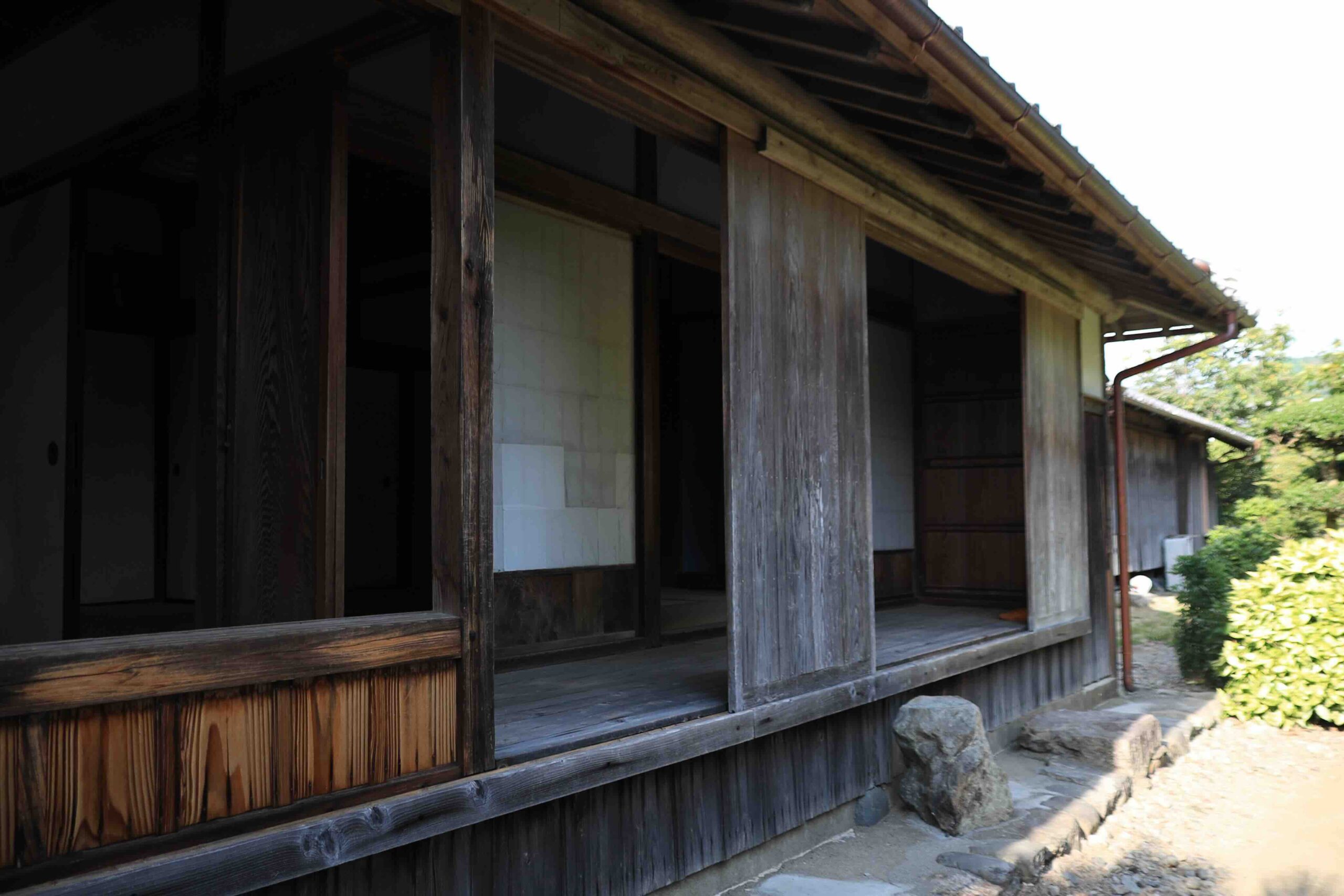
Some of the old residences in this area are open for visitors to explore. Stepping inside, you move from bright sunshine into the cool, dim interior of a house that has not changed much since samurai walked its hallways. Tatami mats cover the floors, shoji screens filter the soft light, and simple wooden furniture sits exactly where it always has.
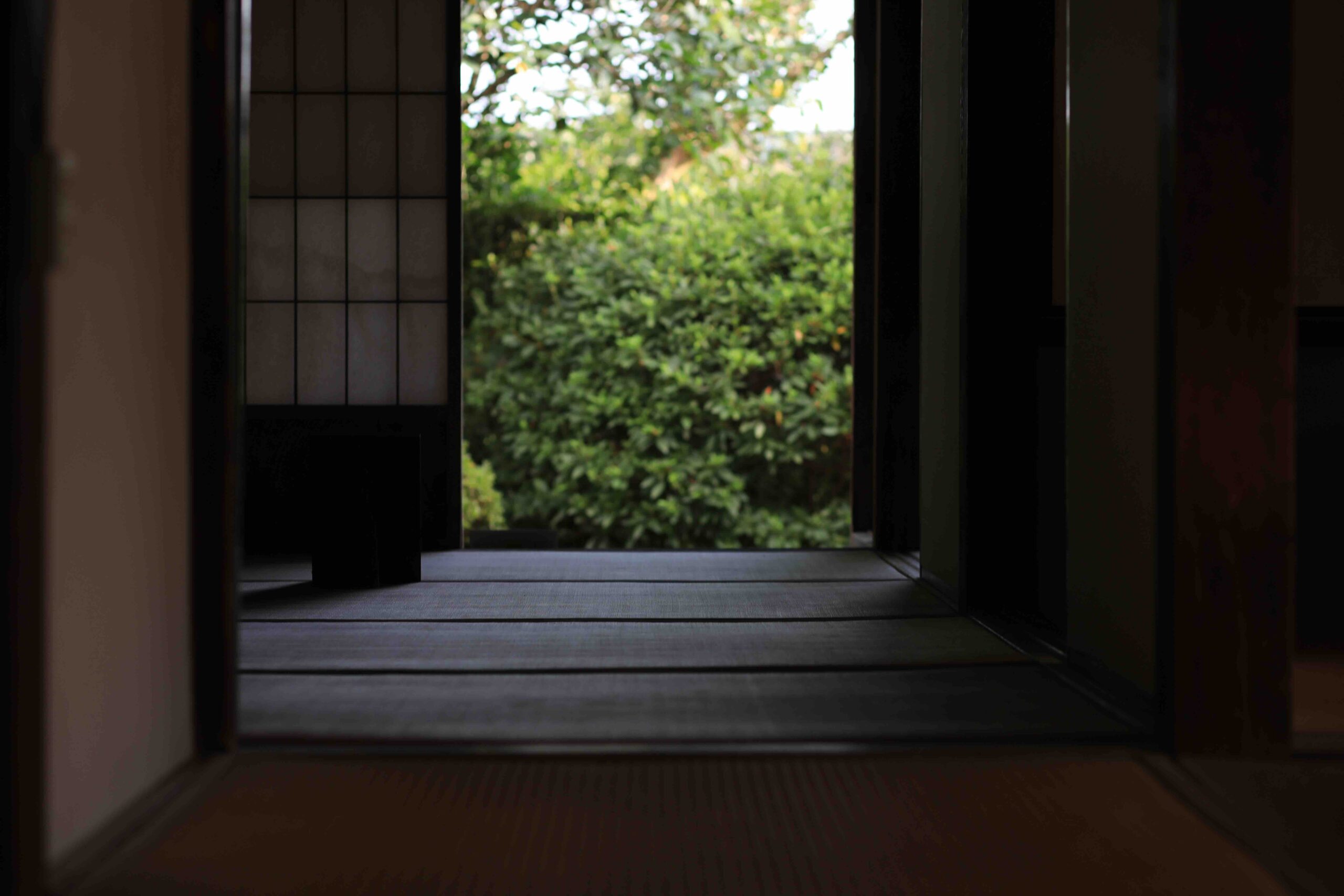
One of the most peaceful views you can find here is looking from a dark tatami room out through the open shoji screens to the green garden beyond. There is a quality of silence and stillness in these spaces that feels rare in modern life — and that makes it genuinely moving for many visitors.
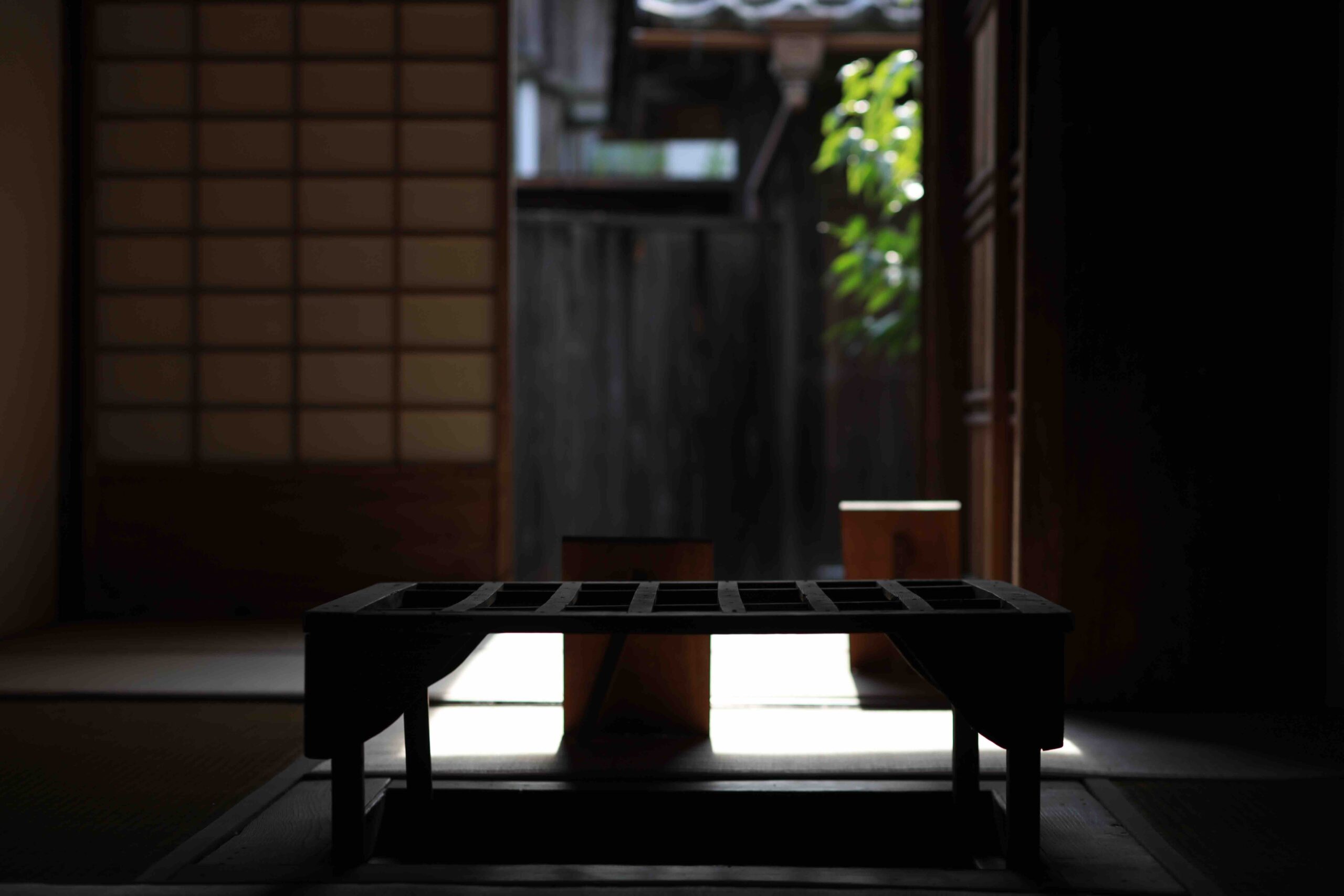
The outer verandas — called engawa — are another memorable feature of these homes. They run along the full length of the house, connecting the interior to the garden, and were traditionally used as a transitional space where residents could sit, rest, and enjoy the view in all seasons.
Architecture That Tells a Story
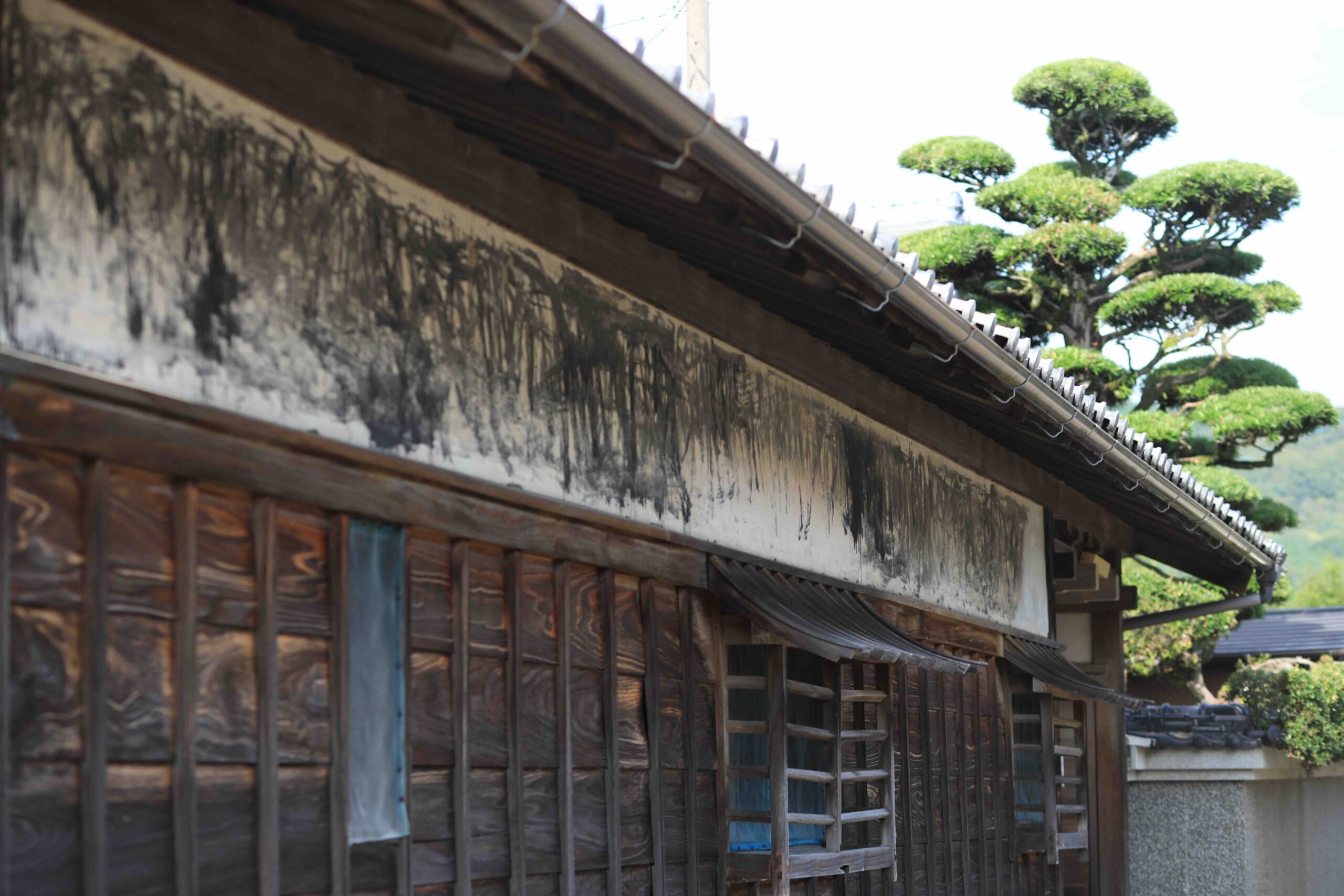
One of the most fascinating things about walking through Doi Kachuu is noticing the differences between buildings. Some houses show the marks of age very clearly — the white plaster walls stained dark by decades of rain and soot, the wooden panels weathered to a deep silver-grey. Others have been carefully maintained, their traditional pine trees still trimmed into the classic rounded shapes that require skilled craftsmen and years of patience.
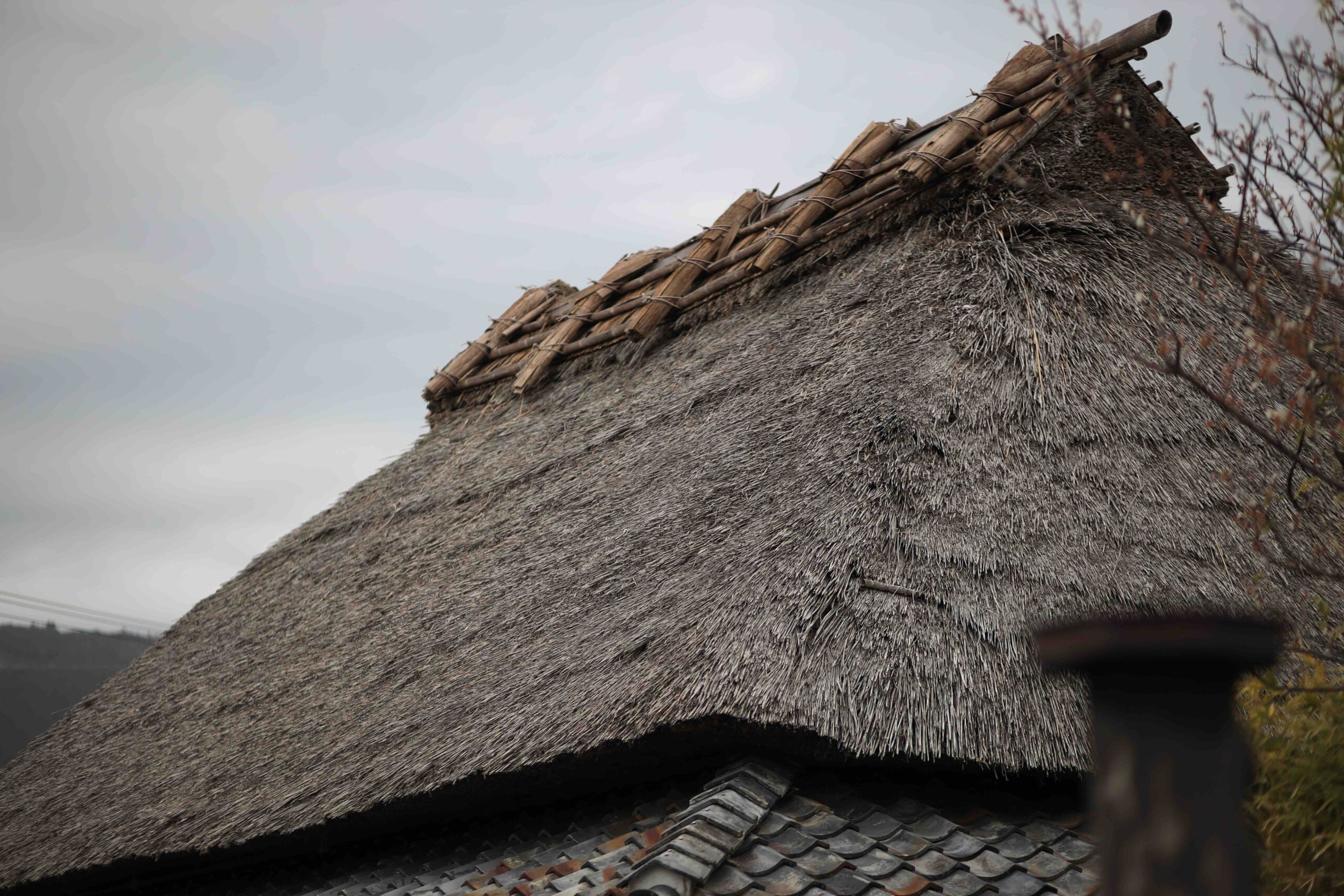
You will also notice the variety of roof styles — glazed ceramic tiles, thatched roofs, and layered timber eaves, all representing different periods and social standings. The thatched farmhouse roofs in the surrounding area are especially dramatic up close, with their thick, densely packed layers held in place by bamboo poles.
More to Explore in Aki
The Doi Kachuu samurai district is just the beginning of what Aki has to offer. The city is also home to a calligraphy art museum, a local history museum, and the remains of the Goto family estate — one of the most distinguished samurai families in Tosa Province. We will be introducing those spots in a future post, so stay tuned.
Perfect for Cruise Ship Passengers
Arriving in Kochi by cruise ship? Aki is an ideal destination for passengers who want to go beyond the usual city sightseeing and discover a quieter, more authentic side of Japanese history. We will pick you up directly from the Kochi cruise terminal and ensure you are back to your ship with time to spare.
Flexible timing options:
- ⏰ 4-hour express tour (perfect for short port calls)
- ⏰ 6-hour highlights tour (our most popular option)
- ⏰ 8-hour comprehensive experience
All tours include comfortable private transportation and a guarantee to return you to the port on time.
Experience Kochi’s Hidden History on Our Highlights Tour
Aki City can be combined with other Kochi highlights — Kochi Castle, Katsurahama Beach, or Makino Botanical Garden — to create a full-day private shore excursion tailored to your interests.
- Private transportation from Kochi cruise port
- Expert English-speaking licensed guide
- Small group experience with no crowds
- Flexible itinerary based on your interests
- On-time return to ship guaranteed