
Hinamatsuri: Japan’s Doll Festival Explained for Cruise Ship Visitors
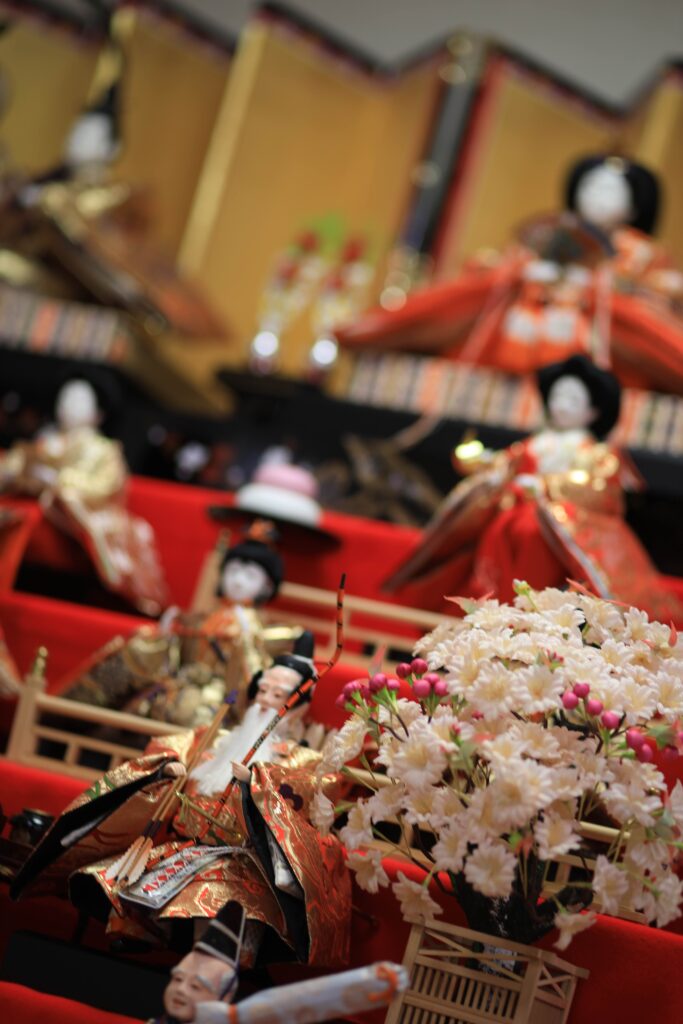
If your cruise ship calls at Kochi port in late February or early March, you may notice something unusual in homes, shops, and public buildings across Japan — elaborate, colorful displays of traditional dolls arranged on red-carpeted steps. This is the season of Hinamatsuri, one of Japan’s most beautiful and meaningful annual celebrations. For visitors arriving by cruise ship, this is a truly special time to explore Kochi and discover a cultural tradition that has been passed down through Japanese families for over a thousand years.
What Is Hinamatsuri?
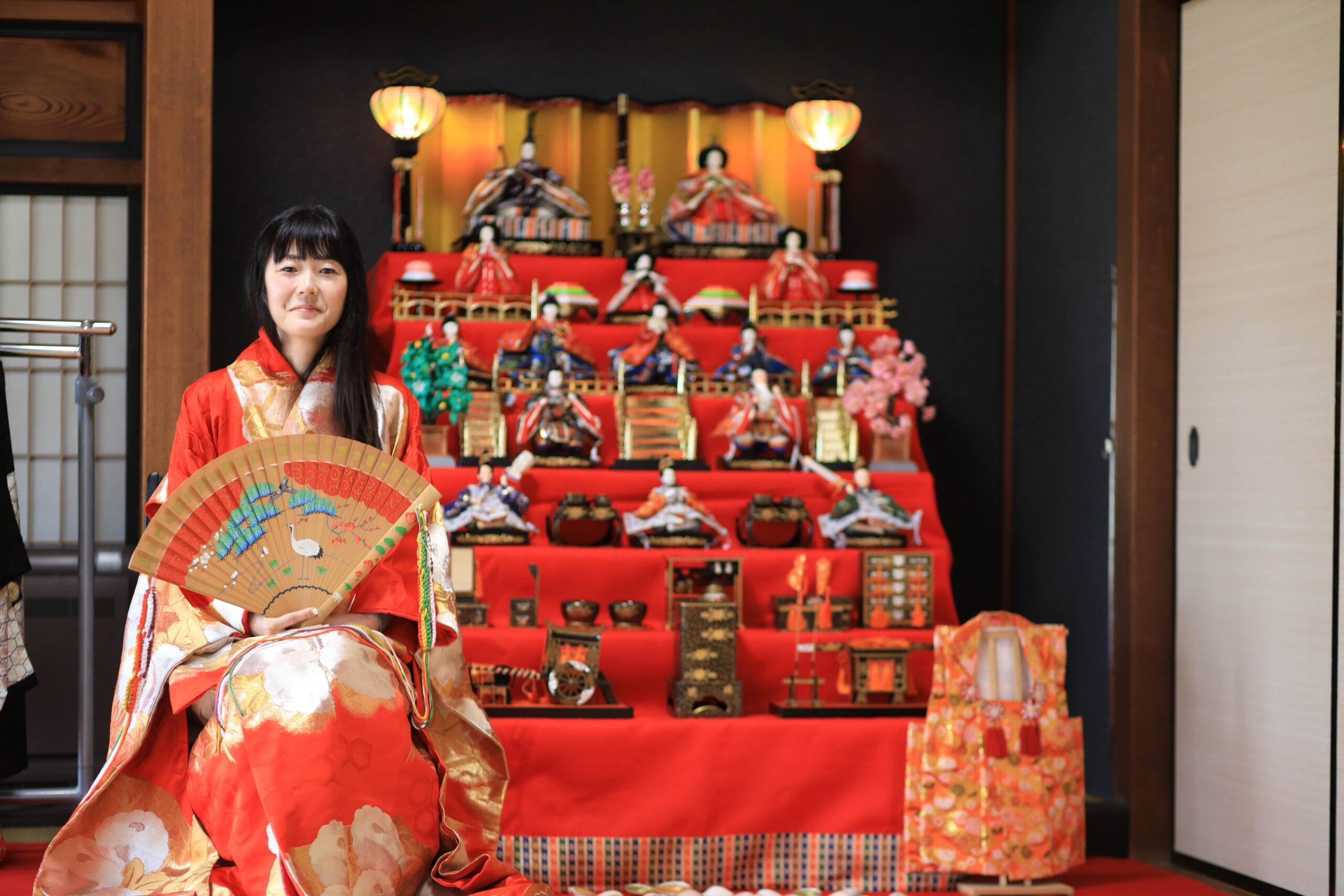
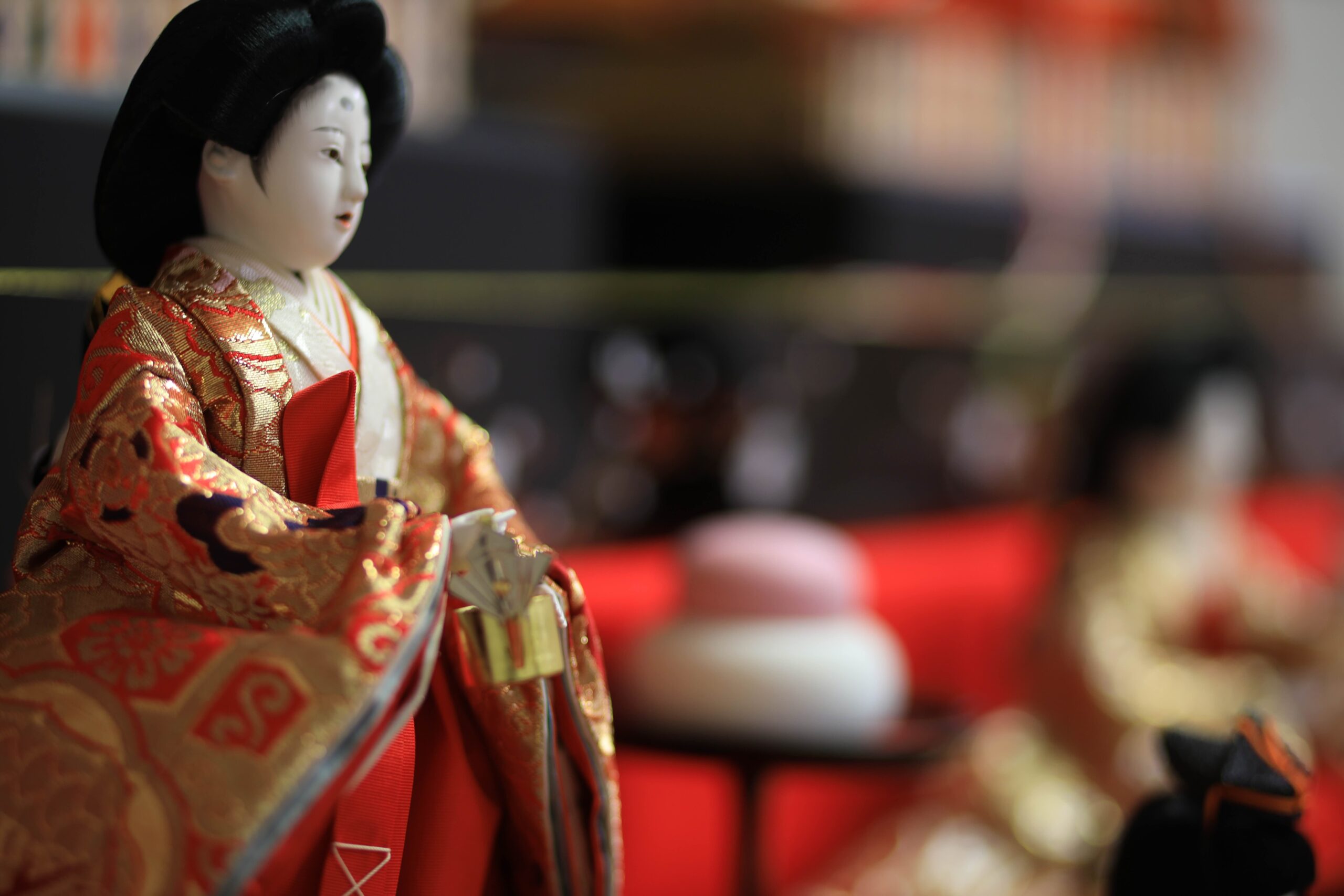
Hinamatsuri, also known as the Doll Festival or Girls’ Day, is celebrated every year on March 3rd. It is a day dedicated to the health and happiness of young girls. Families with daughters display a special set of ornamental dolls called hina ningyo (雛人形), which represent the Emperor, Empress, and members of the ancient imperial court dressed in traditional Heian-period court clothing.
The word “hina” refers to small, delicate dolls, and “matsuri” means festival. Together, the name captures the gentle and refined spirit of this occasion. Unlike many festivals that involve street parades or loud celebrations, Hinamatsuri is a quiet, home-centered event focused on family and beauty.
The tradition dates back to the Heian period (794–1185), when dolls were used in purification rituals to ward off evil spirits and illness. People would transfer misfortune onto the dolls, then set them afloat on rivers to carry the bad luck away. Over time, these paper figures evolved into finely crafted decorative dolls displayed in the home, and the festival became closely associated with wishing girls a happy and prosperous future.
The Hina Doll Display: A Miniature Imperial Court
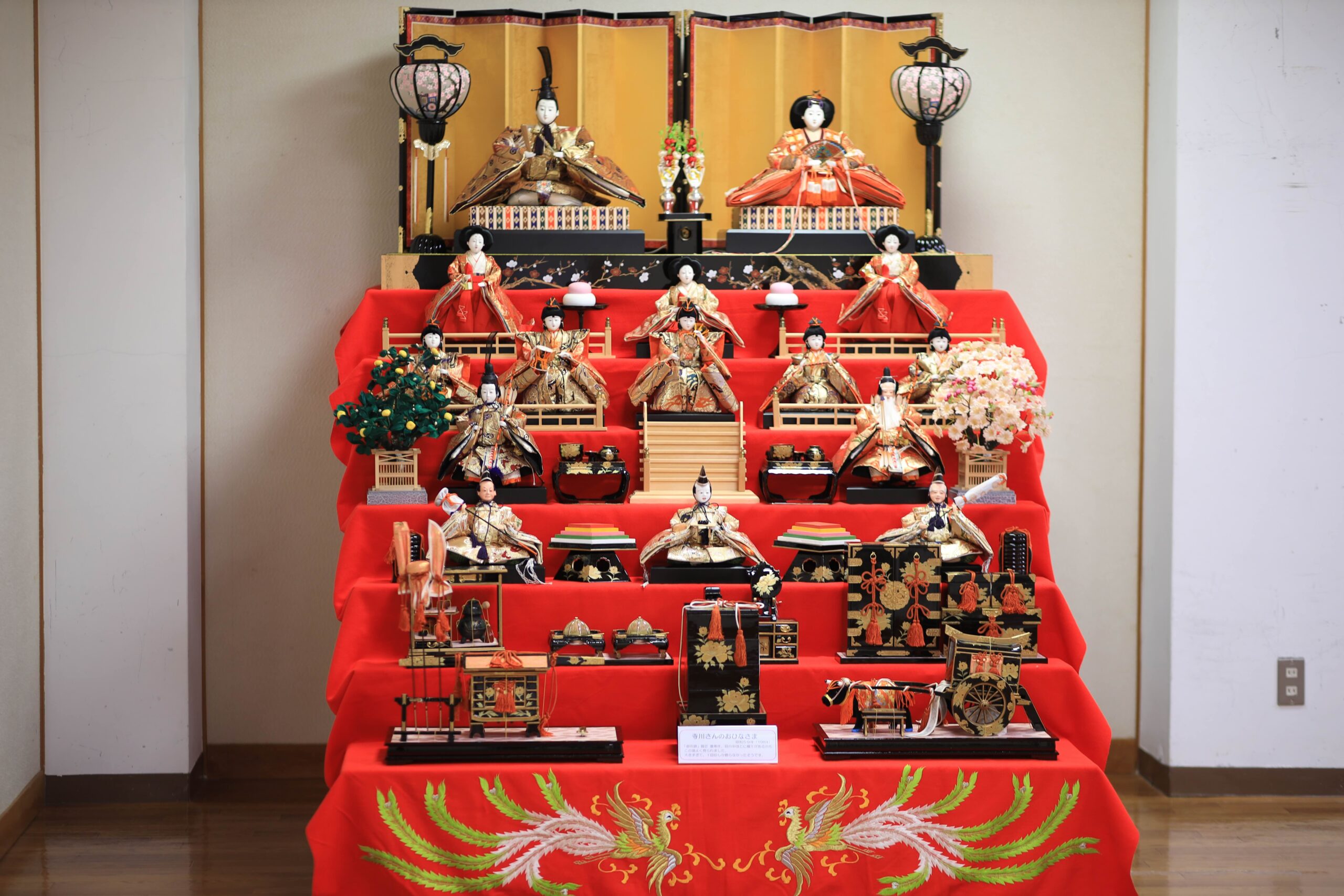
The centerpiece of Hinamatsuri is the hinadan — a multi-tiered platform covered in red fabric, on which the hina dolls are carefully arranged. The most traditional and impressive displays have seven tiers, each holding specific dolls and miniature accessories. Setting up and taking down the display is itself a meaningful ritual for many families.
The dolls are not toys. They are carefully crafted works of art, often passed down through generations, and some sets are valued at hundreds of thousands of yen. Each figure has a precise name, position, and meaning within the overall arrangement.
Who Are the Dolls? A Guide to Each Tier
Understanding who each doll represents makes the display far more fascinating to observe. Here is a guide to the traditional seven-tier arrangement:
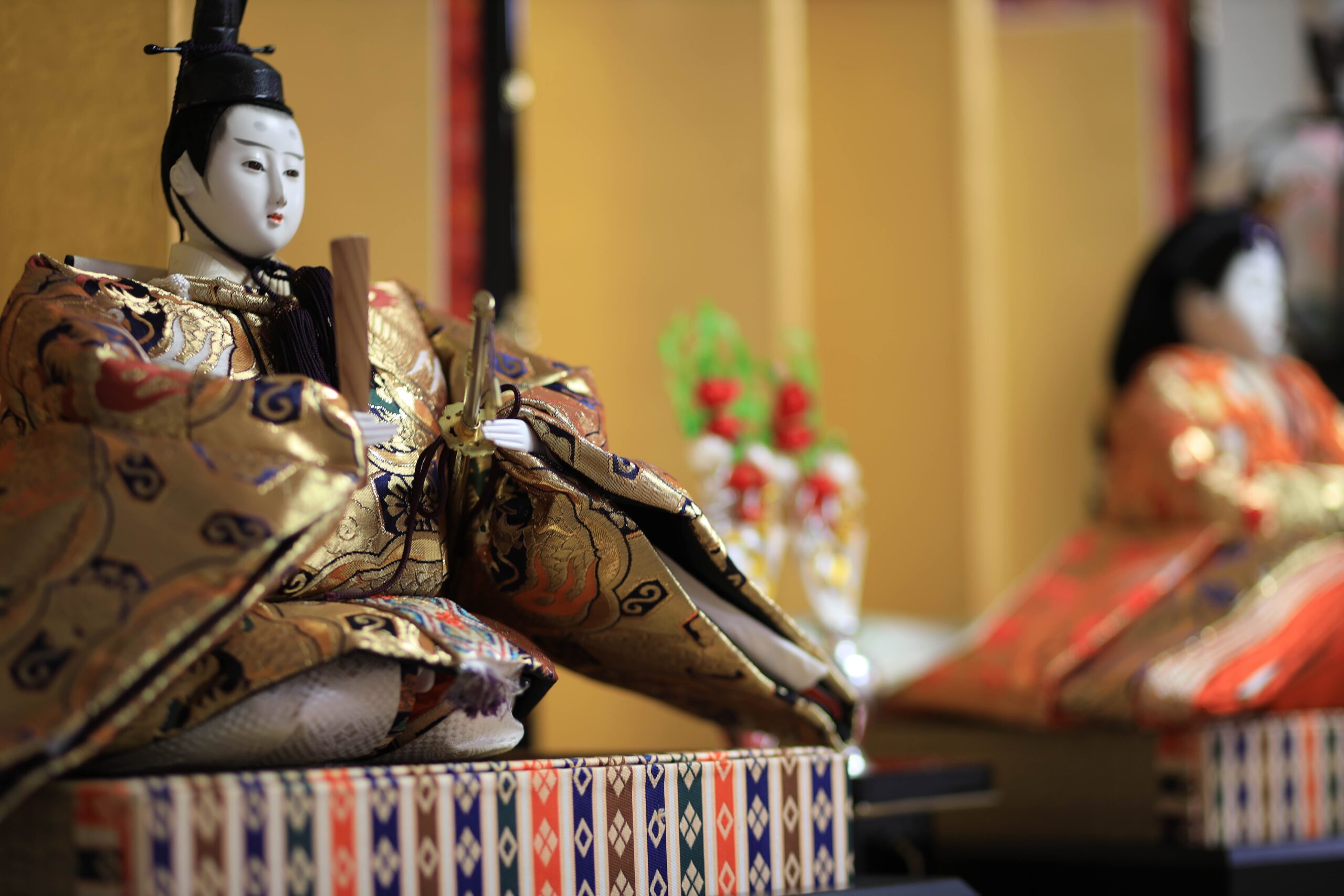
First tier (top) — Dairi-sama: The two most important dolls sit at the very top. The male doll, odairi-sama, represents the Emperor, dressed in formal court robes and holding a ceremonial baton. The female doll, ohina-sama, represents the Empress, wearing an elaborate layered kimono called junihitoe and holding a fan. They are seated in front of a golden folding screen (byobu) flanked by small lanterns.
Second tier — Sannin Kanjo: Three court ladies (sannin kanjo) are seated on the second level. They each carry serving items related to sake — one holds a long-handled ladle, one holds a round sake container, and one holds a flask. They are dressed in formal ladies-in-waiting attire.
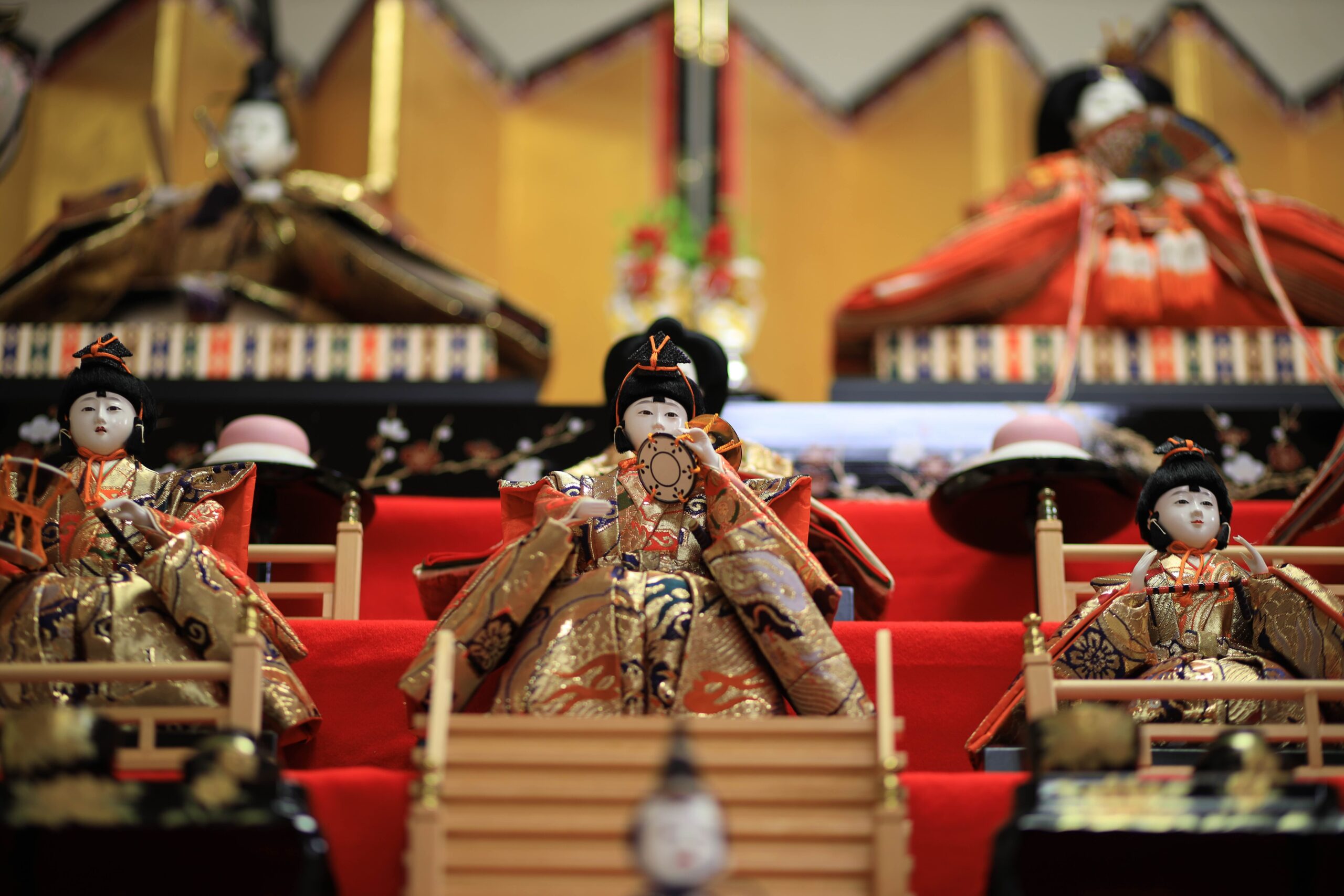
Third tier — Gonin Bayashi: Five male musicians (gonin bayashi) occupy the third level. They represent the court orchestra, and each one plays a different instrument — a small drum, a large drum, a hand drum, a flute, and a singer. These figures are among the most expressive and charming in the entire set.
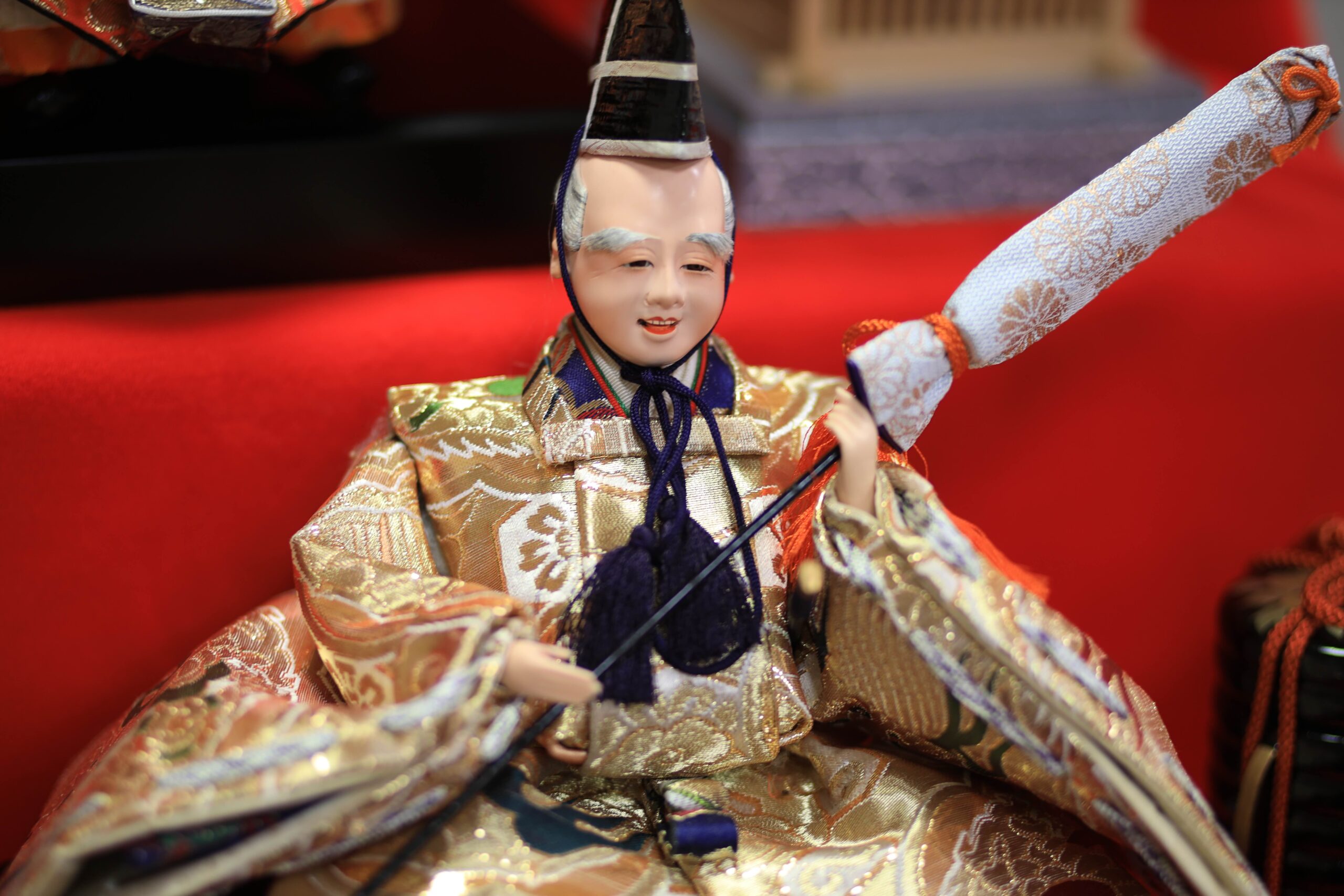
Fourth tier — Ministers: Two ministers (daijin) sit on the fourth level — the right minister (a young-looking figure) and the left minister (an older-looking figure). They are dressed in formal court robes and carry bows and arrows.
Fifth tier — Guards: Three guards (sichinin toneriko) round out the main human figures. These three attendants are shown in slightly more casual positions and are said to represent the emotional range of human life — one is happy, one is sad, and one is angry.
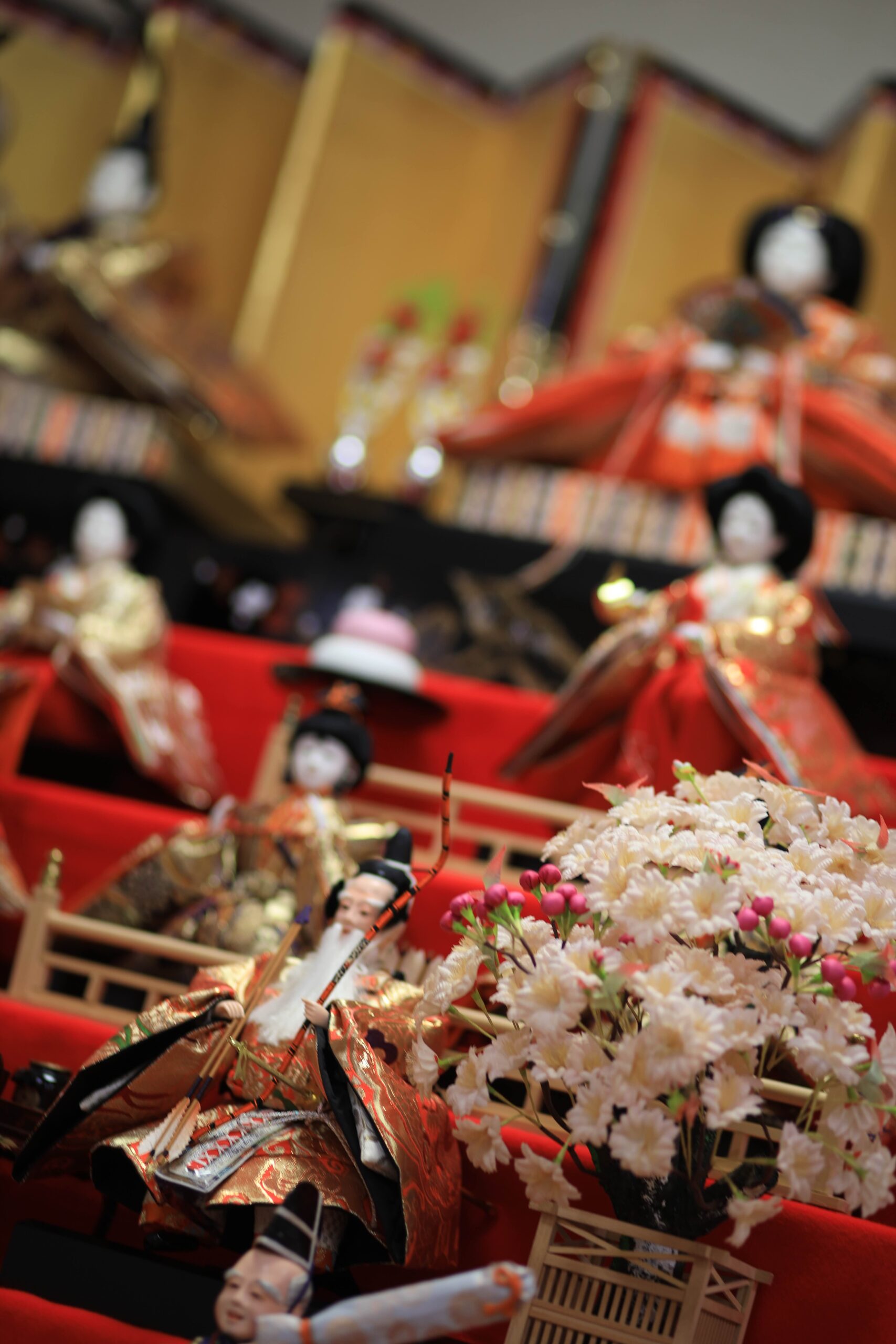
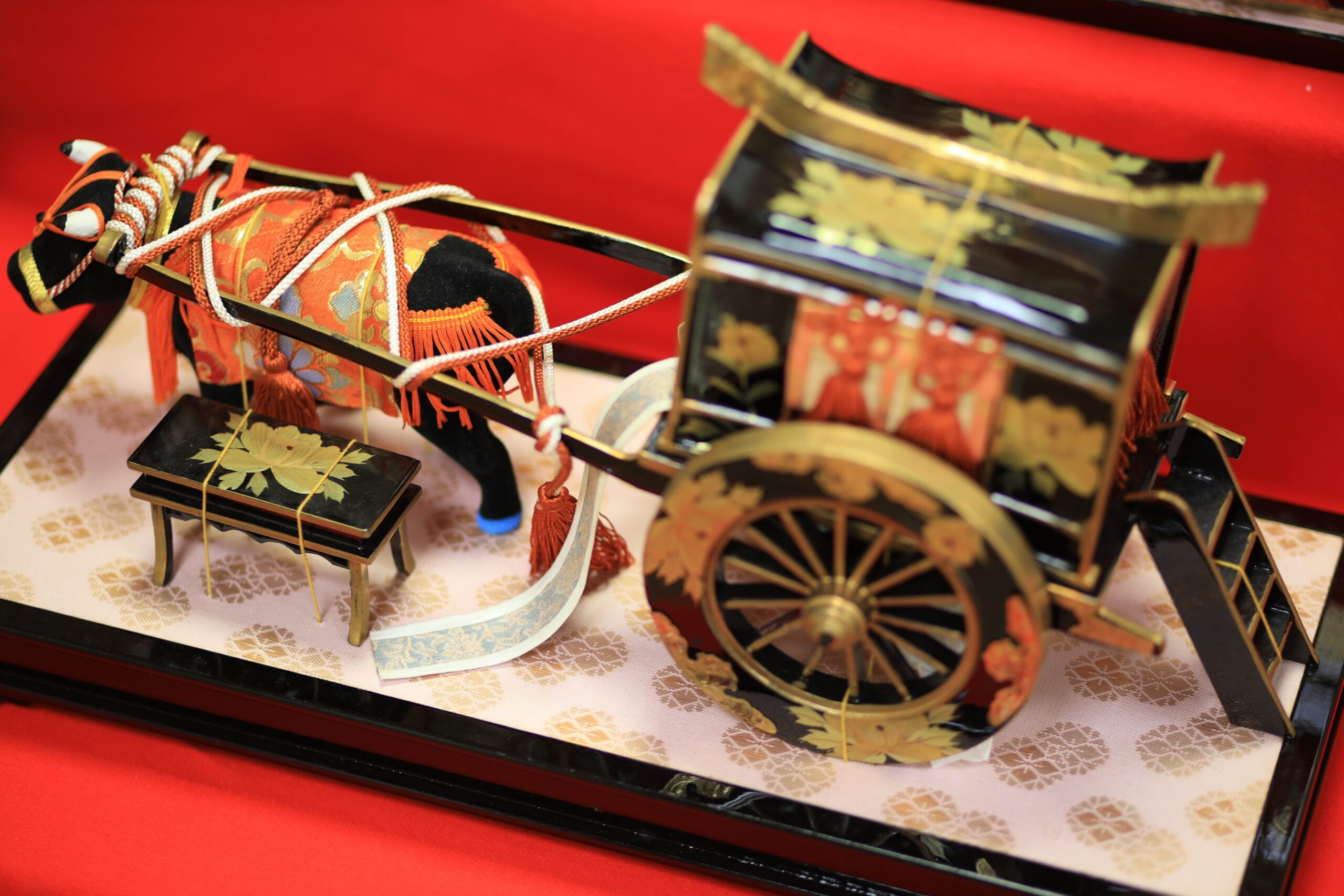
Sixth and seventh tiers — Accessories and furnishings: The lower tiers hold miniature versions of imperial household items: a tansu (chest of drawers), a sewing box, a tea set, a palanquin, and a decorative ox-drawn carriage called gissha. These tiny objects are crafted with extraordinary detail, often featuring gold lacquerwork and embroidered fabric.
Traditional Foods and Customs
Hinamatsuri comes with its own set of traditional foods and drinks. Families typically enjoy chirashizushi (scattered sushi), hamaguri clam soup, and sweet pink, white, and green rice cakes called hishimochi. A sweet, lightly alcoholic drink called shirozake (white sake) is also associated with the festival.
One widely known superstition says that if a family leaves the dolls on display for too long after March 3rd, their daughter will have trouble finding a good husband. While most families today take this with a sense of humor, many still make a point of putting the dolls away promptly after the festival — a custom that adds a playful sense of urgency to the occasion.
Where to See Hina Dolls in Kochi
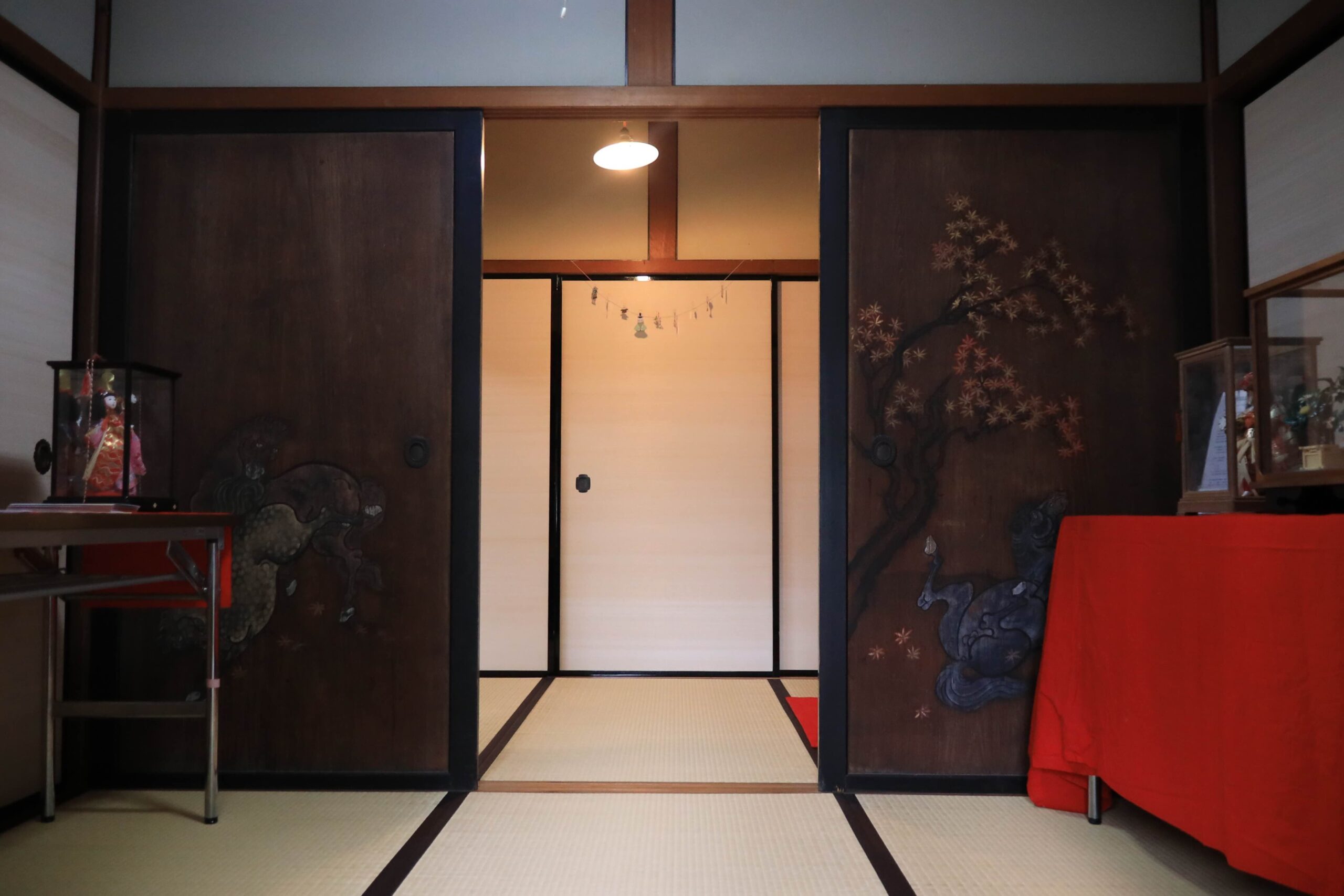
During the festival season, many locations around Kochi display hina dolls for the public to enjoy. Historic private homes, community centers, and cultural facilities often open their displays to visitors, and some towns in Kochi Prefecture are known for large-scale public exhibitions. The photographs in this article were taken at one such local display, featuring a magnificent seven-tier set arranged in a traditional tatami room with hand-painted sliding doors.
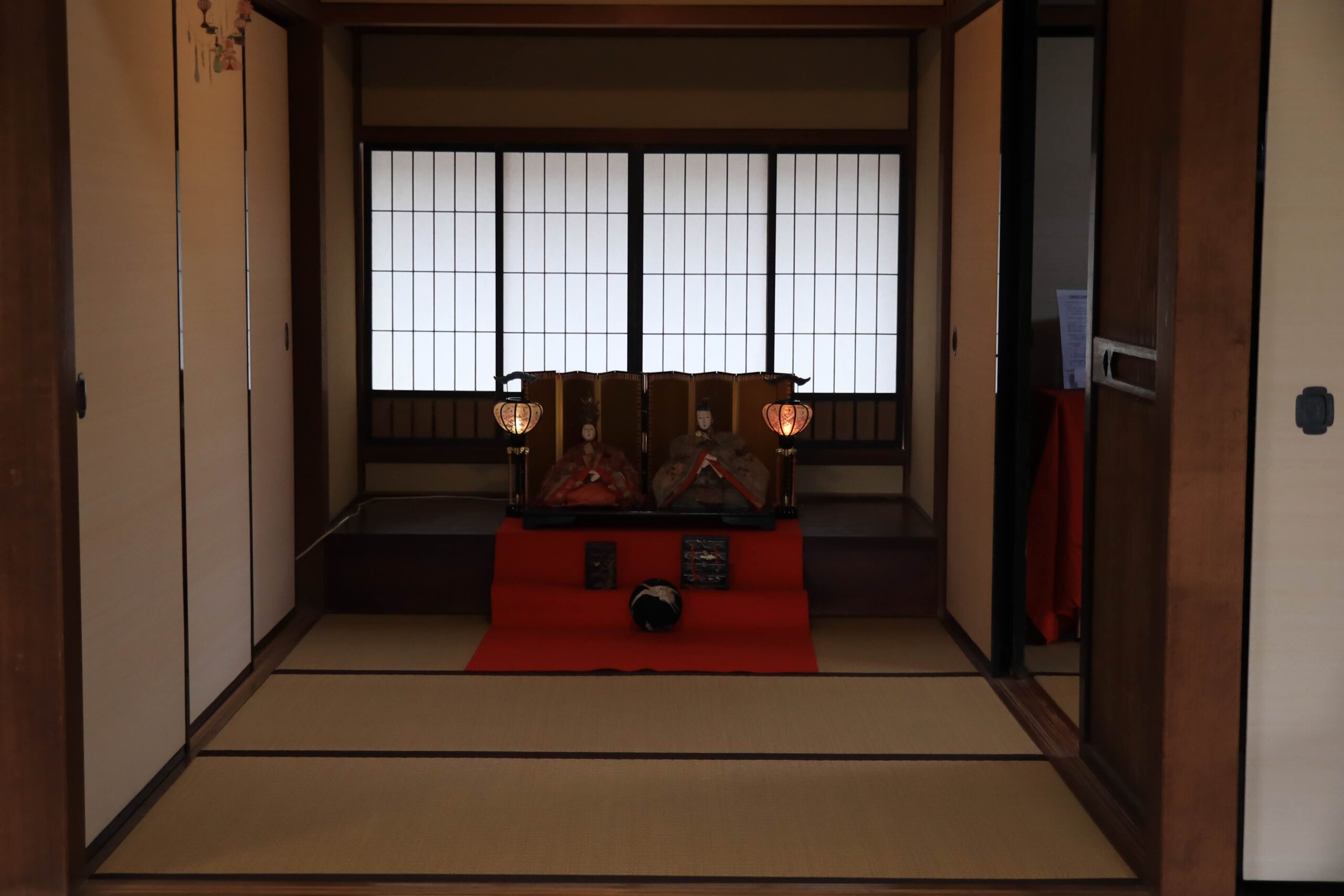
The setting itself — tatami floors, shoji paper screens, and richly painted fusuma doors — adds to the beauty of the display and gives visitors a rare glimpse into traditional Japanese interior design and aesthetic sensibility.
Why Hinamatsuri Matters to Japanese Families
For many Japanese families, the hina doll set is one of the most cherished possessions in the household. A full seven-tier display is traditionally given to a girl by her grandparents when she is born or when she reaches her first Hinamatsuri. The dolls are stored carefully for most of the year, then brought out and assembled in late January or February — a ritual that marks the changing of the seasons and reaffirms family bonds.
Many sets are antiques, passed down across two, three, or even four generations. The older the set, the more carefully it is handled. Some families display modern, simplified versions alongside heirloom dolls, showing how the tradition continues to evolve while maintaining its essential meaning.
For visitors from abroad, witnessing Hinamatsuri is a chance to understand something fundamental about Japanese culture: the deep respect for beauty, craftsmanship, seasonal change, and family continuity that shapes everyday life in Japan.
Perfect for Cruise Ship Passengers
Arriving in Kochi by cruise ship in late February or early March means you are here at exactly the right time to experience Hinamatsuri season. Our private shore excursions are designed to take you beyond the typical tourist spots and introduce you to real local culture — including seasonal traditions like the Doll Festival.
Flexible timing options:
- ⏰ 4-hour express tour (perfect for short port calls)
- ⏰ 6-hour highlights tour (our most popular option)
- ⏰ 8-hour comprehensive experience
All tours include comfortable private transportation and a guarantee to return you to the port on time.
Experience Kochi’s Culture on Our Kochi Highlights Tour
Our Kochi Highlights Tour is the perfect way to explore the city’s most important cultural and historical attractions during your time in port. Whether you are visiting Kochi Castle, strolling through Hirome Market, or discovering local traditions like Hinamatsuri, our licensed English-speaking guide brings each experience to life with local knowledge you simply cannot get from a guidebook.
- Private transportation from the Kochi cruise terminal
- Licensed, English-speaking local guide
- Flexible itinerary tailored to your interests
- On-time return to the cruise port — guaranteed
- Small group experience with personalized attention
Book the Kochi Highlights Tour →