
A Full Day in Kochi: Washi Paper, Niyodo Blue, Tosa Tea, and Katsuo no Tataki
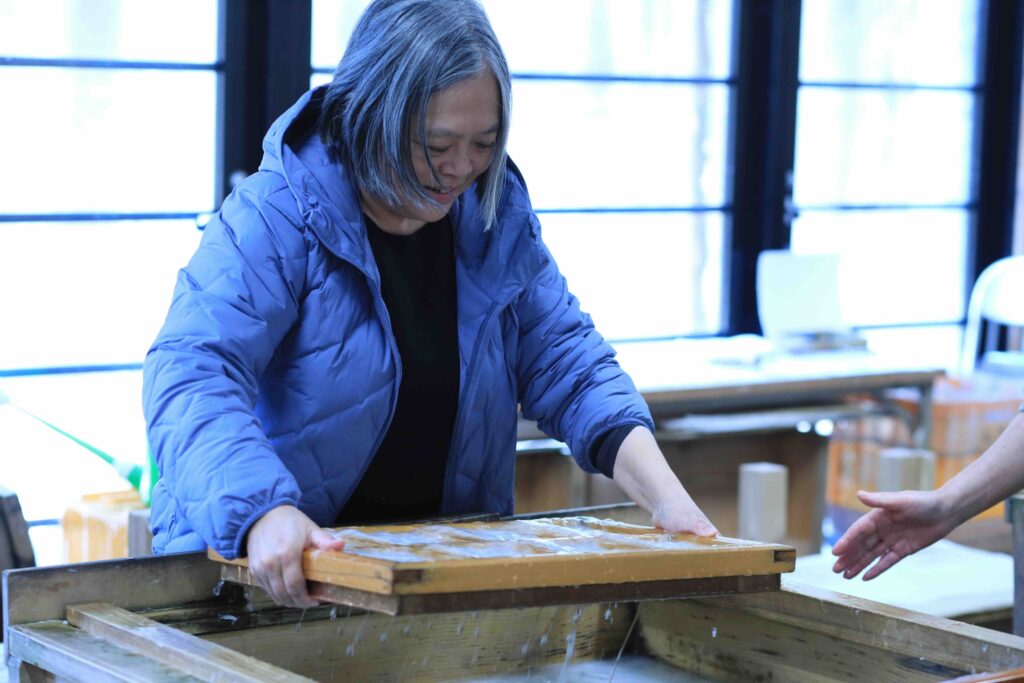
What does a perfect day in Kochi look like? For one of my recent guests, it started with making traditional Japanese paper by hand in the morning and ended with watching a spring festival on the streets of the city at night. In between, we visited one of Japan’s clearest rivers, a local farmers market, a 400-year-old castle gate, and a 103-year-old tea shop. Here is everything we did — and why this kind of day is exactly what Kochi is all about.
Kami no Hakubutsukan — Learning the Art of Tosa Washi Paper
Our first stop was the Kami no Hakubutsukan (Paper Museum) in Ino Town, just outside Kochi City. Tosa washi is one of Japan’s most famous traditional papers, with a history going back over 1,000 years. Kochi’s clean mountain rivers made this region the perfect place for papermaking, and that tradition is still alive today.
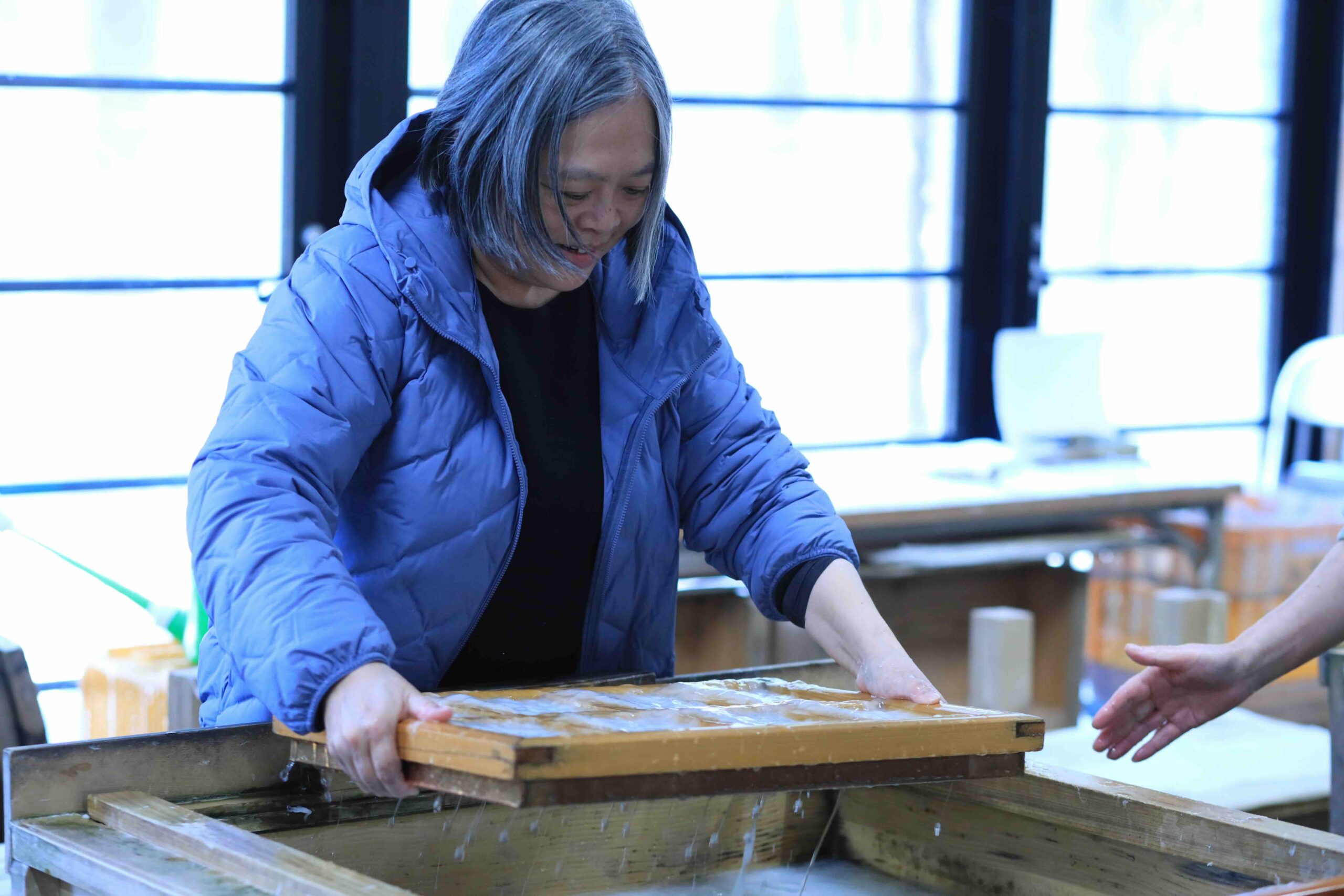
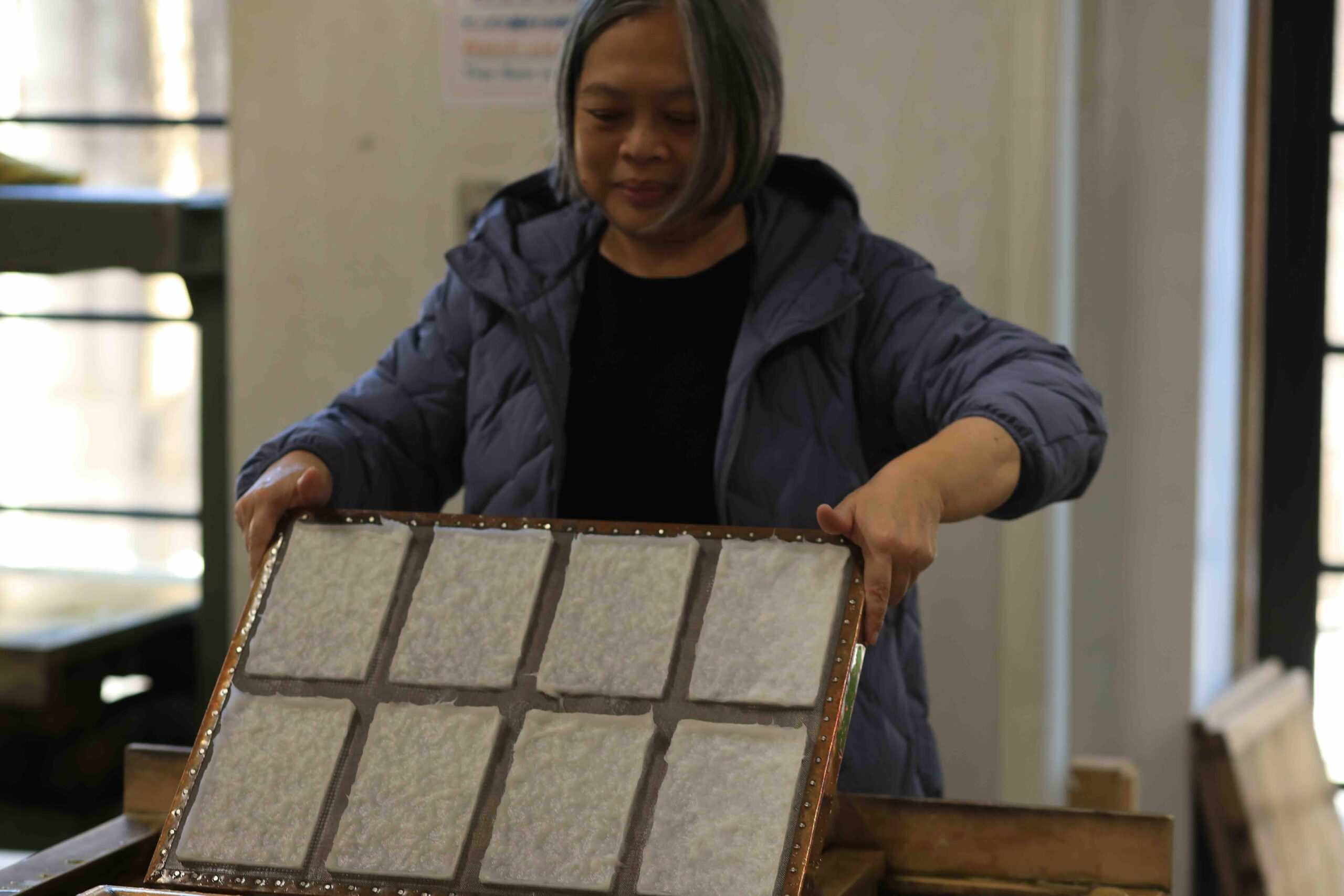
At the museum, my guest had the chance to try washi papermaking herself. She scooped plant fibers from a water tank using a wooden frame, then carefully lifted it to let the water drain — leaving a thin, even sheet of paper. It sounds simple, but getting the balance right takes practice. She did a great job.
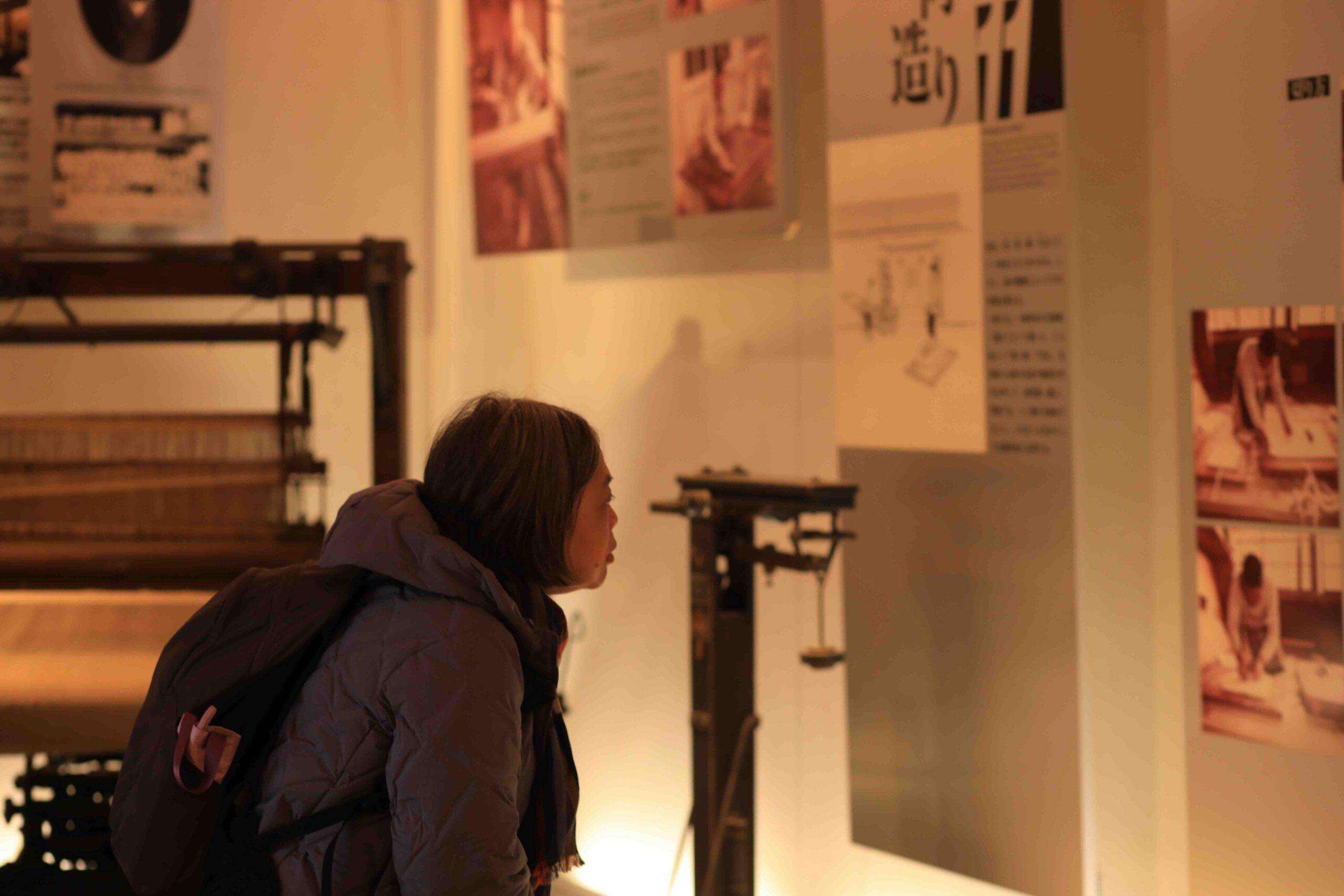
After the hands-on experience, we walked through the museum exhibits to learn about the long history of papermaking — old tools, machines, and photos showing how one sheet of washi is made from start to finish.
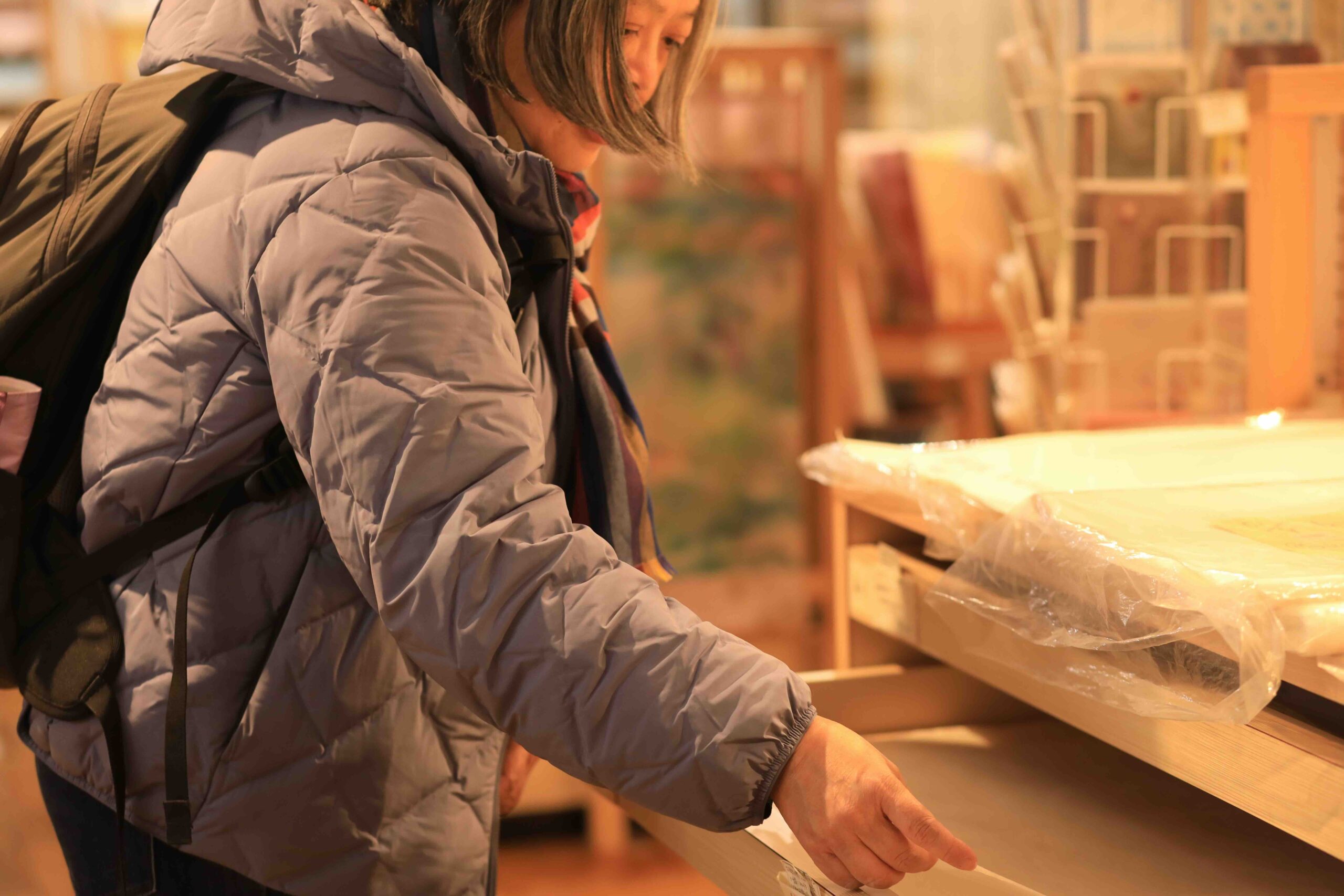
The museum shop also has a nice selection of washi products. My guest took her time looking at what was available — washi paper comes in many types, from thin writing paper to thicker sheets used for crafts and gifts.
Yasui Valley — The Famous Niyodo Blue
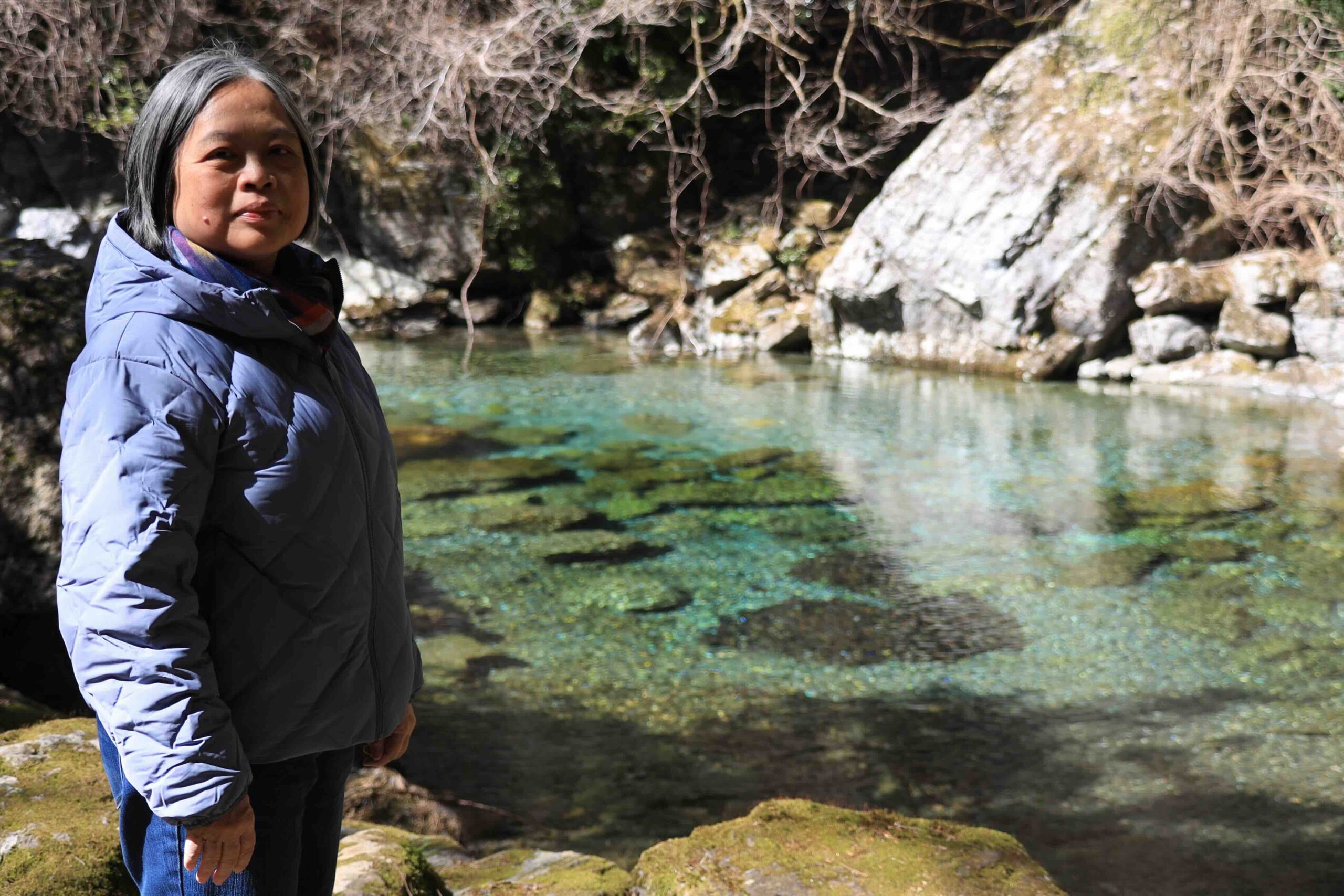
After the paper museum, we headed into the mountains to see the Niyodo River. The Niyodo is known for having some of the clearest water in Japan. The color — a deep, vivid turquoise — is something you really cannot describe until you see it in person. Even on a cool March day, the water was breathtaking.
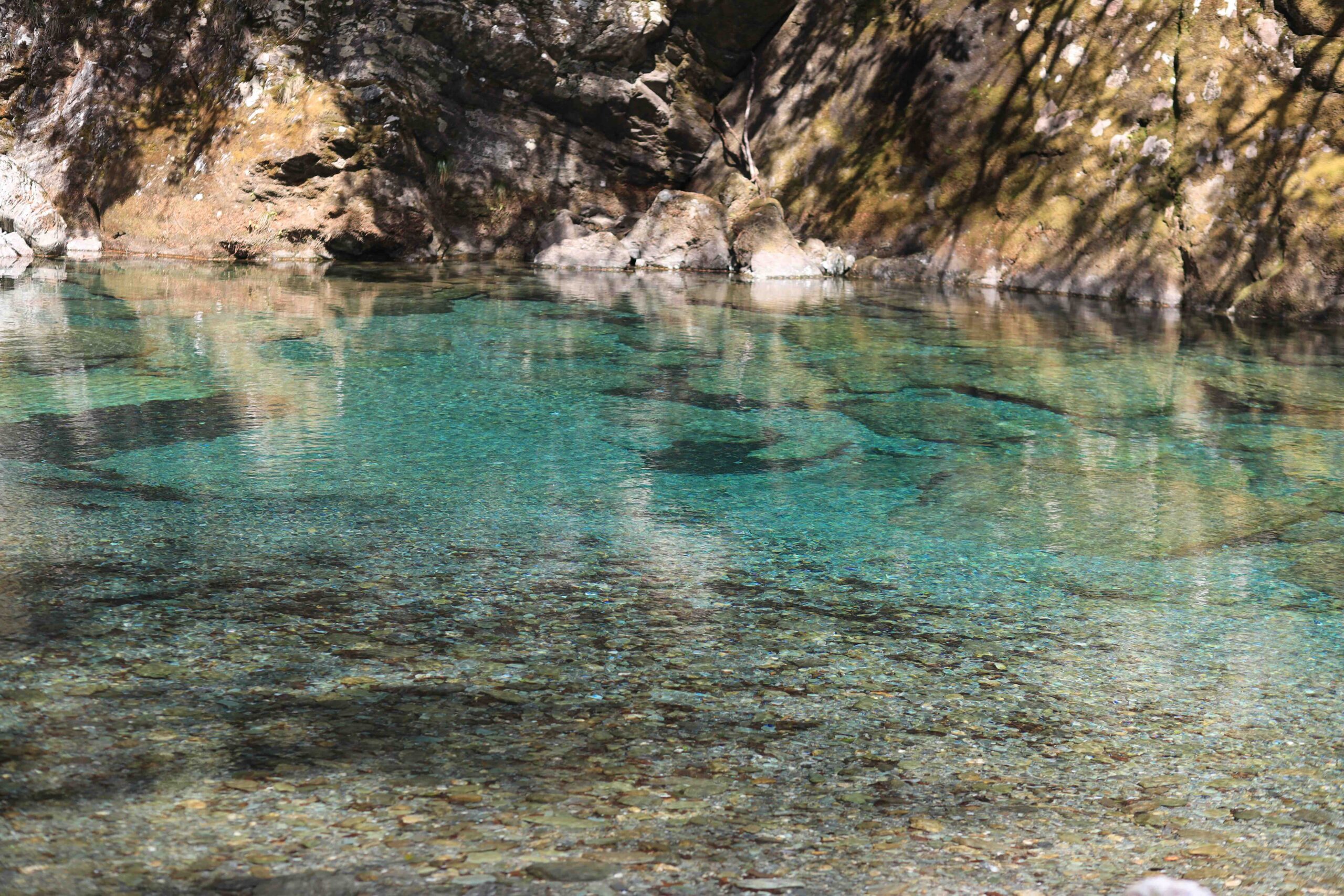
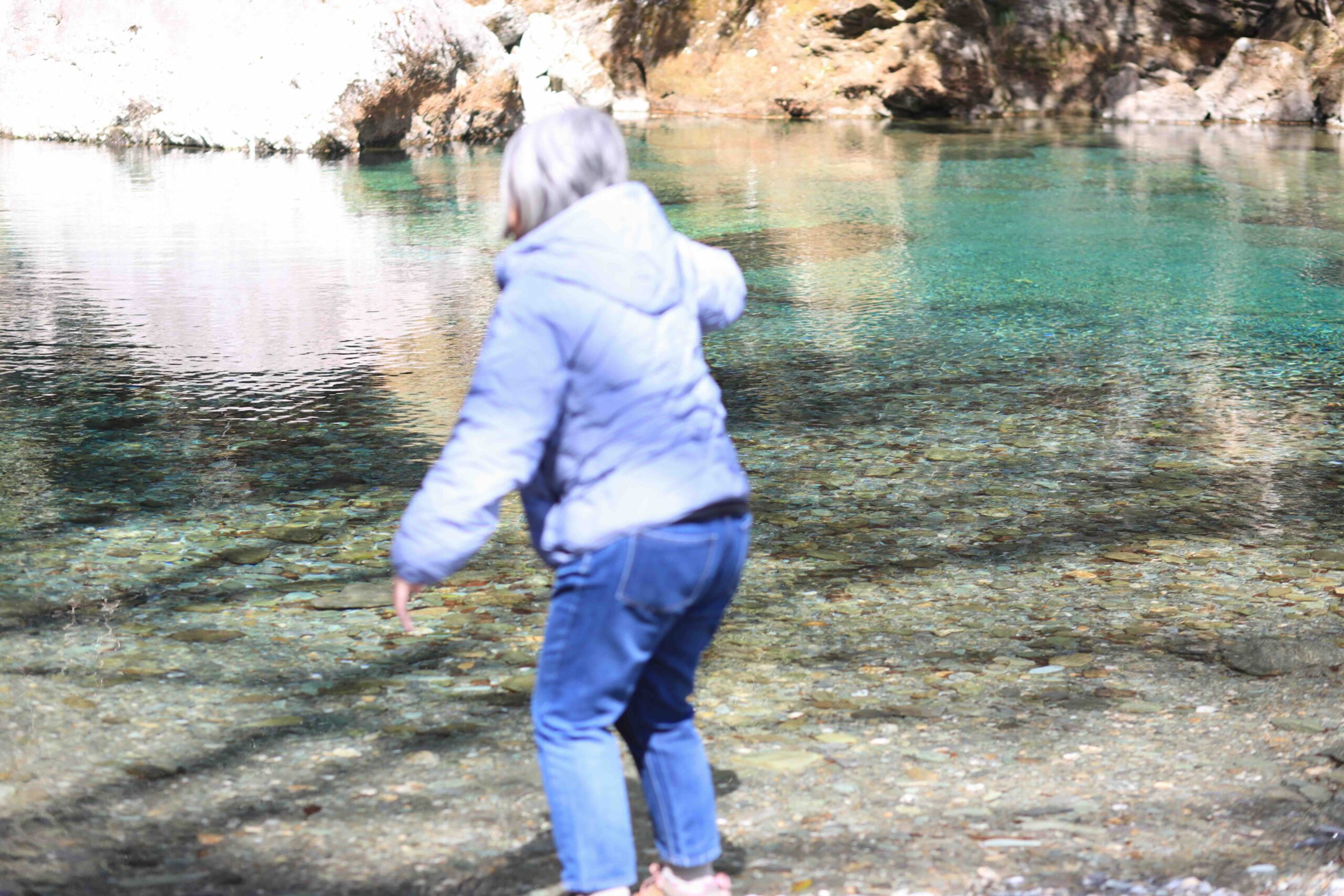
We visited Suisho-buchi — the Crystal Pool — where the water is so clear you can see every rock at the bottom. My guest was so amazed that she walked right into the shallows for a closer look. I always love watching people see this place for the first time.
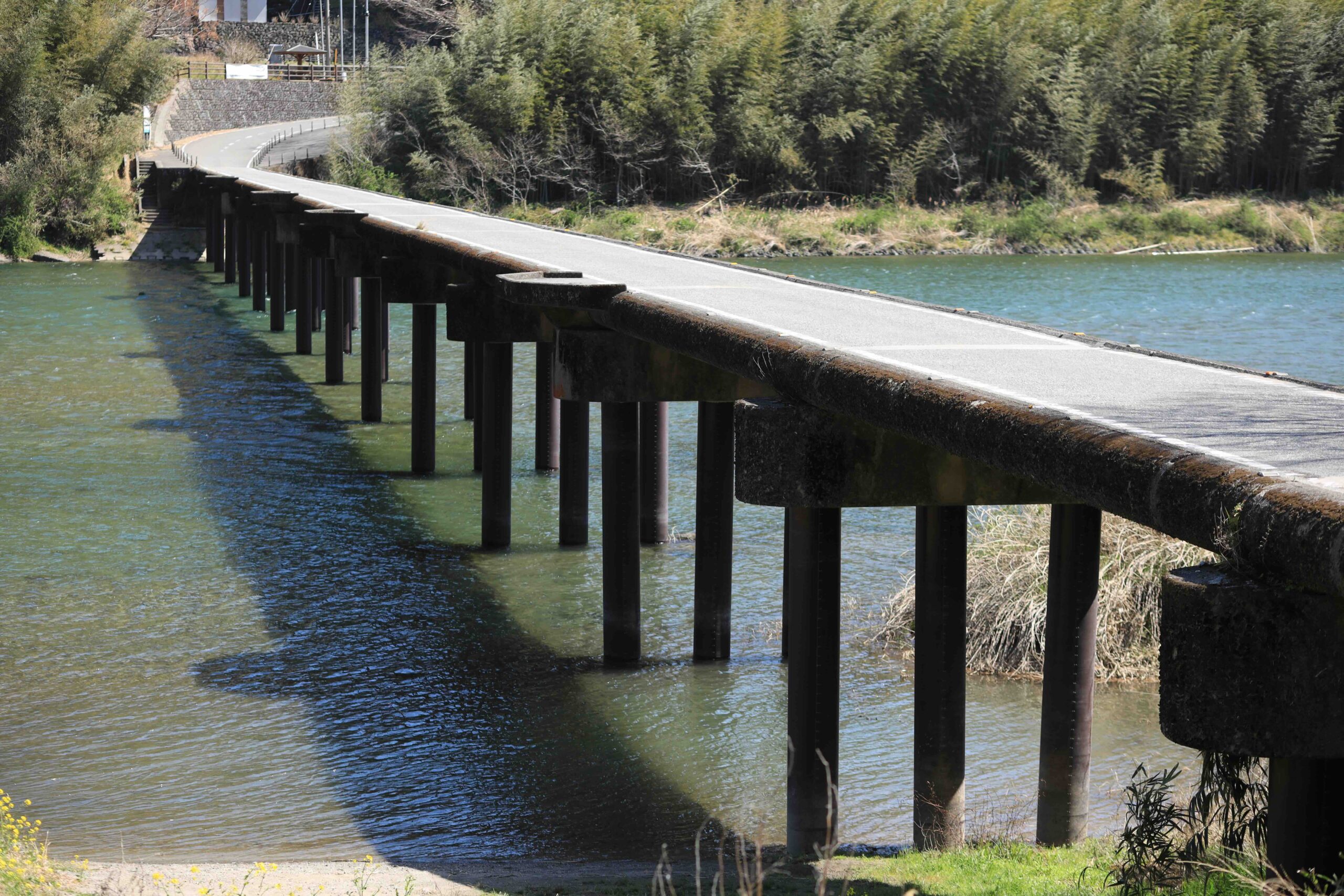
We also stopped to see one of the area’s famous chinkabashi — subsidence bridges. These low, flat bridges are built intentionally close to the water surface so that floodwater passes over them instead of washing them away. A clever and beautiful piece of local engineering.
Tosa no sato — A Real Kochi Farmers Market
On the way back toward the city, we stopped at Tosanosa to, a large JA (Japan Agricultural Cooperative) farmers market. This is where local farmers bring their produce directly to sell, so everything is fresh and local. It is a great place to see what people in Kochi actually eat every day.
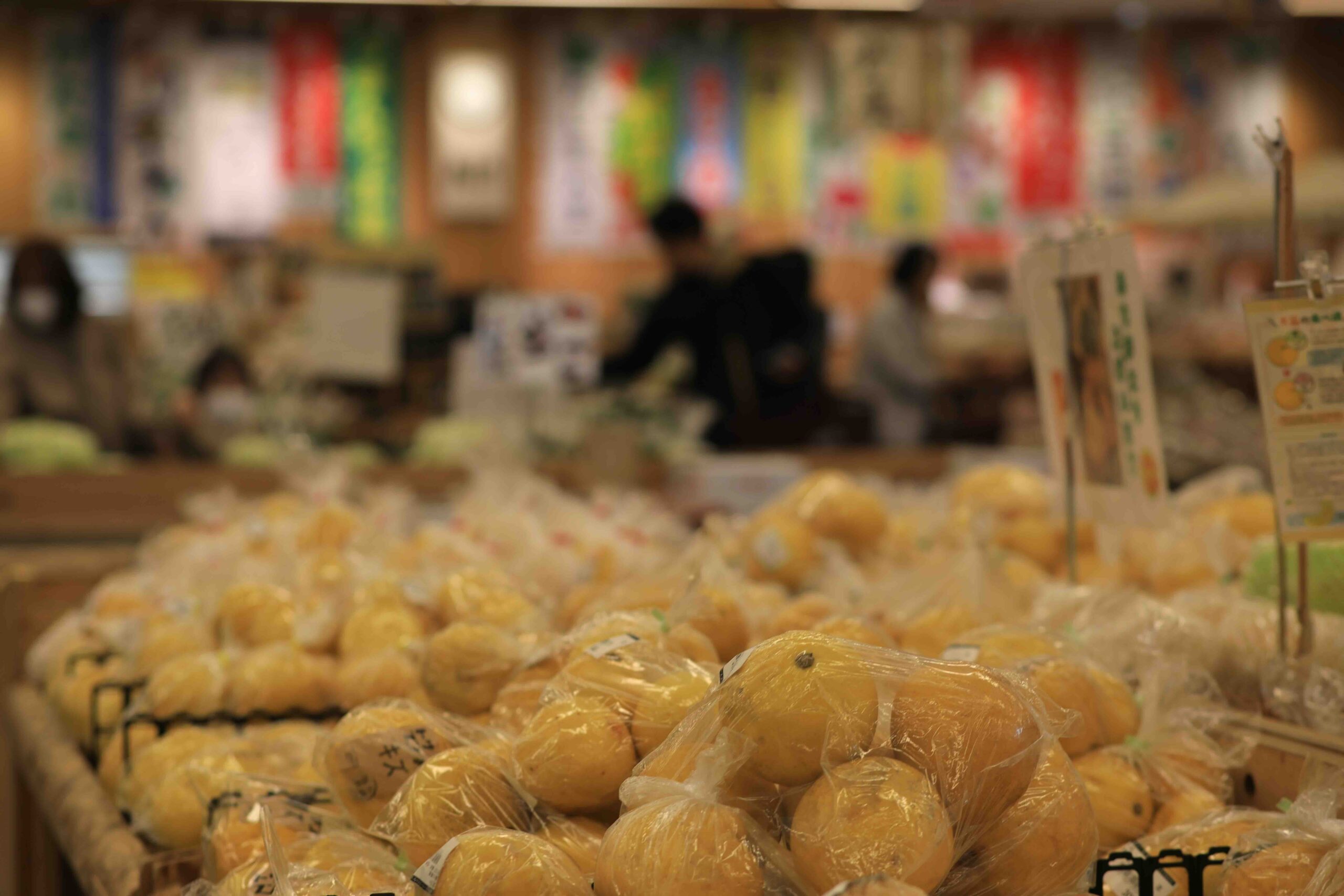
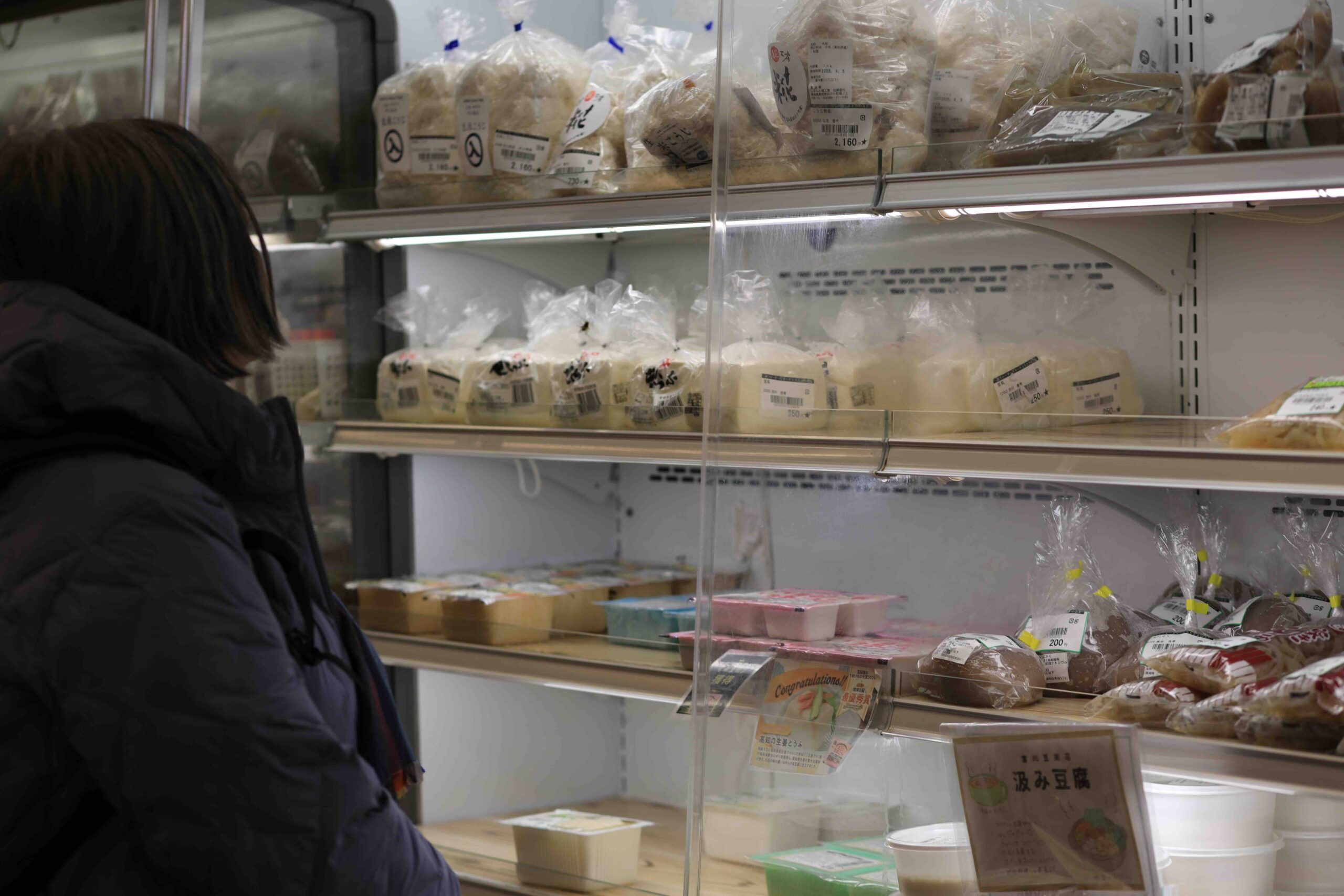
The market carries a wide variety of Kochi products — locally grown citrus, fresh vegetables, homemade tofu, and miso. If you enjoy local food culture, this place is hard to leave quickly.
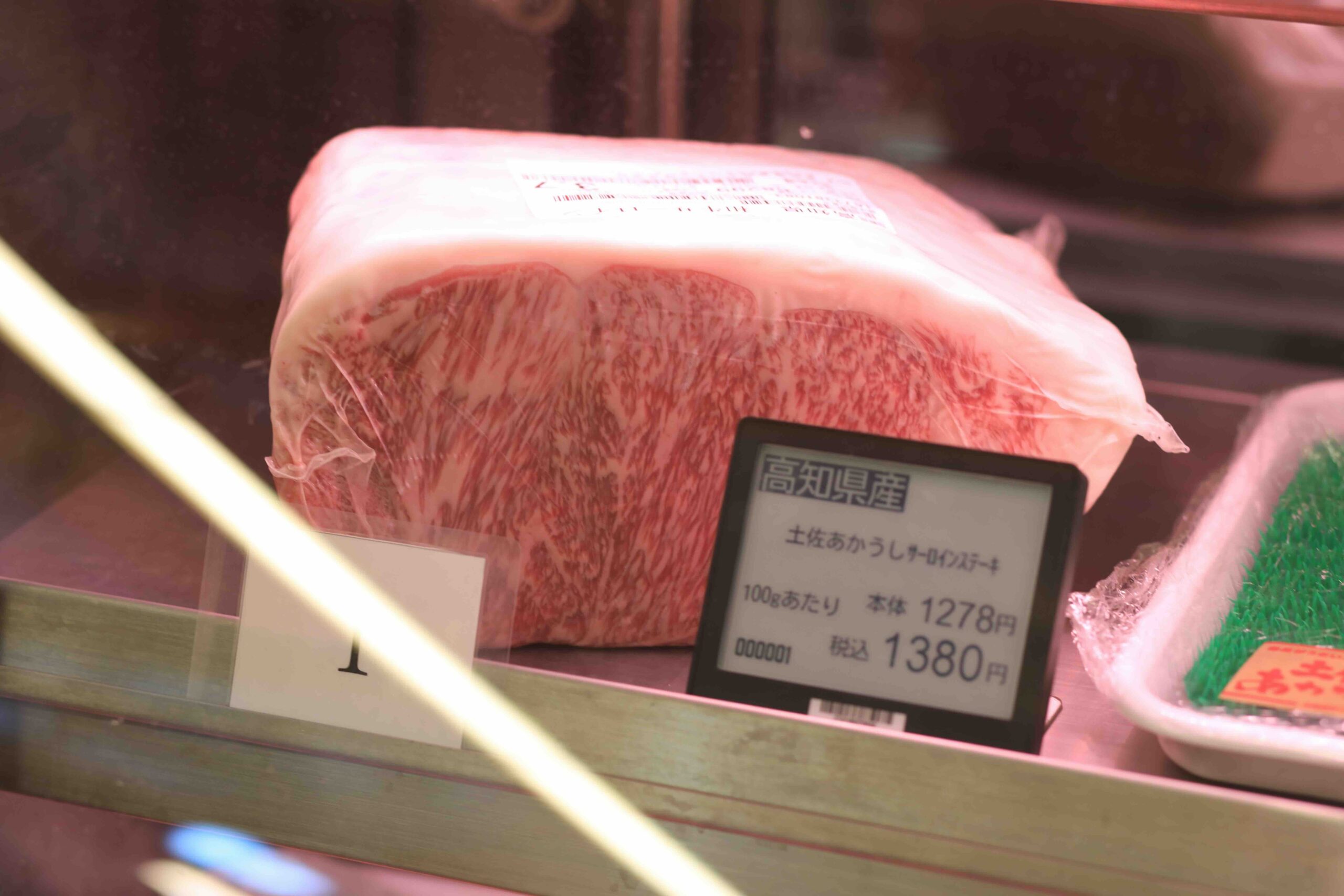
One of my favorite things to show guests here is the Tosa Akaushi beef counter. Akaushi — red cattle — is a rare breed raised in Kochi, known for its beautiful marbling. It always catches people’s attention.
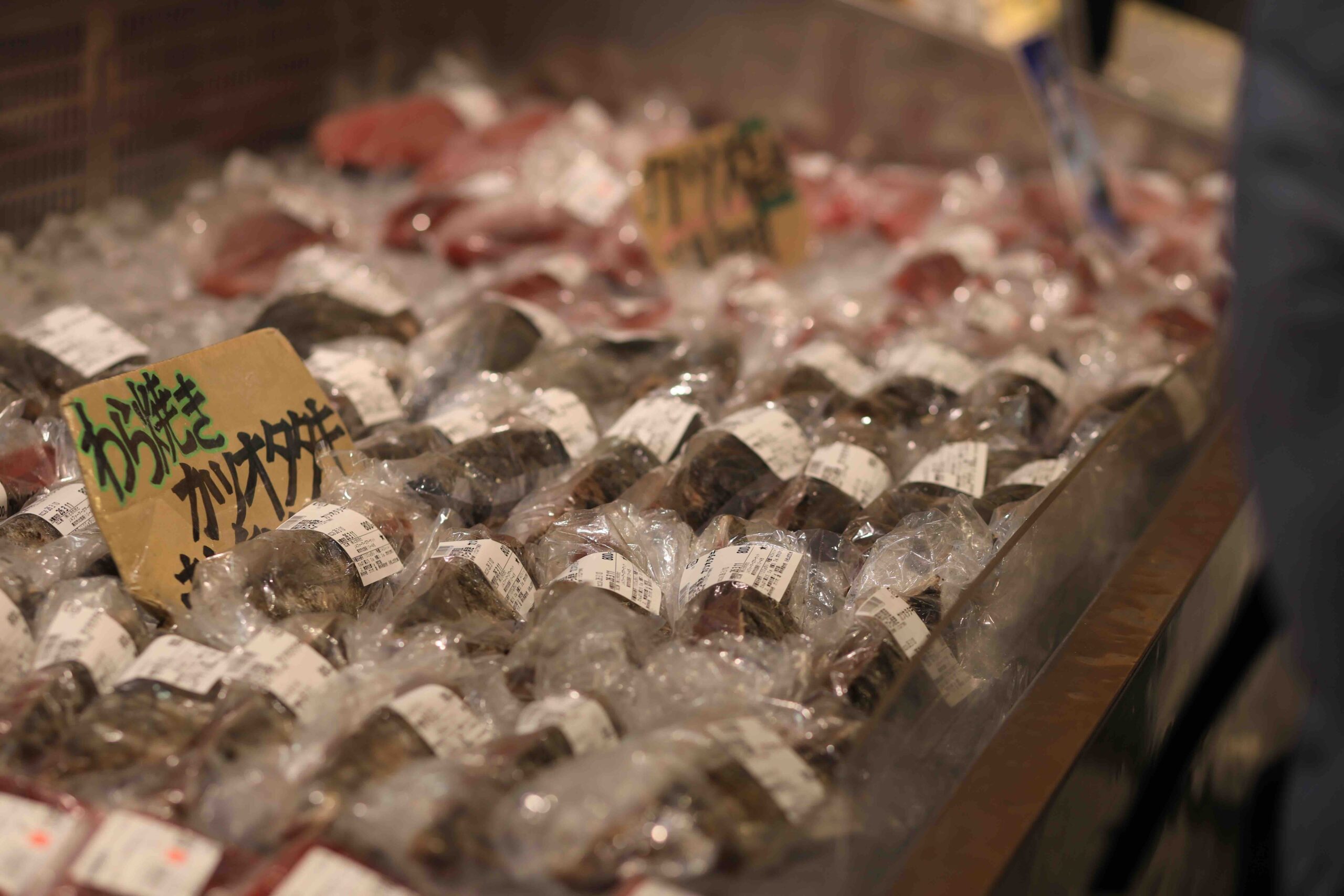
We also spotted wara-yaki katsuo no tataki — seared bonito made using the traditional straw-fire method, packed on ice and ready to take home as a souvenir.
Kochi Castle — Ote-mon, the Great Gate
Next, we visited Kochi Castle and walked up to the famous Ote-mon — the Great Gate. This original gate from the Edo period has stood for over 300 years. Very few original castle gates still survive in Japan, which makes this one especially special.
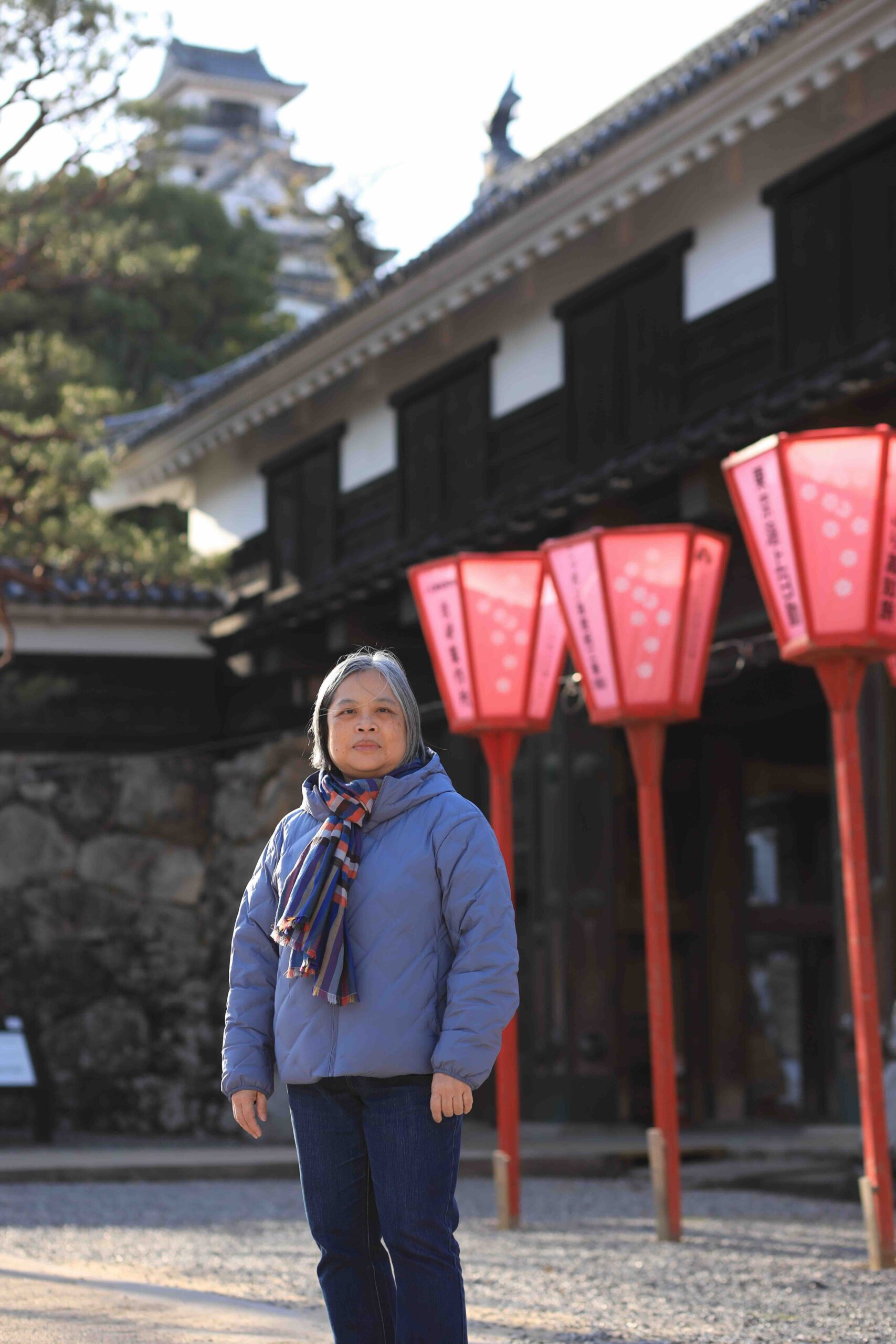
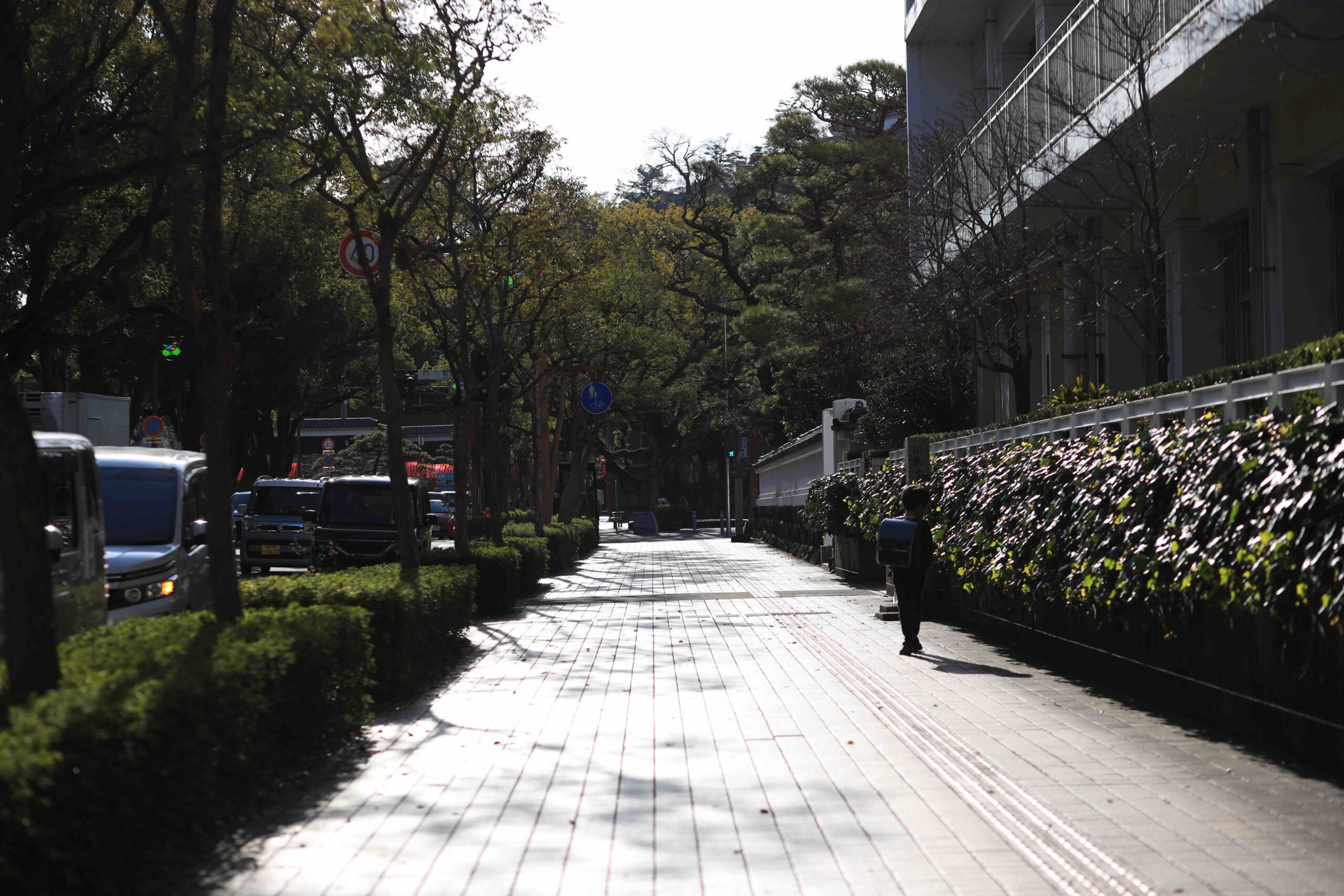
The castle tower was visible in the background, and the red lanterns of Tosa no Okyaku were set up in the courtyard — a beautiful combination of history and seasonal celebration. The wide, tree-lined approach to the castle is also one of the nicest walks in the city.
Moriki Suiko-en — Learning About Tosa Tea
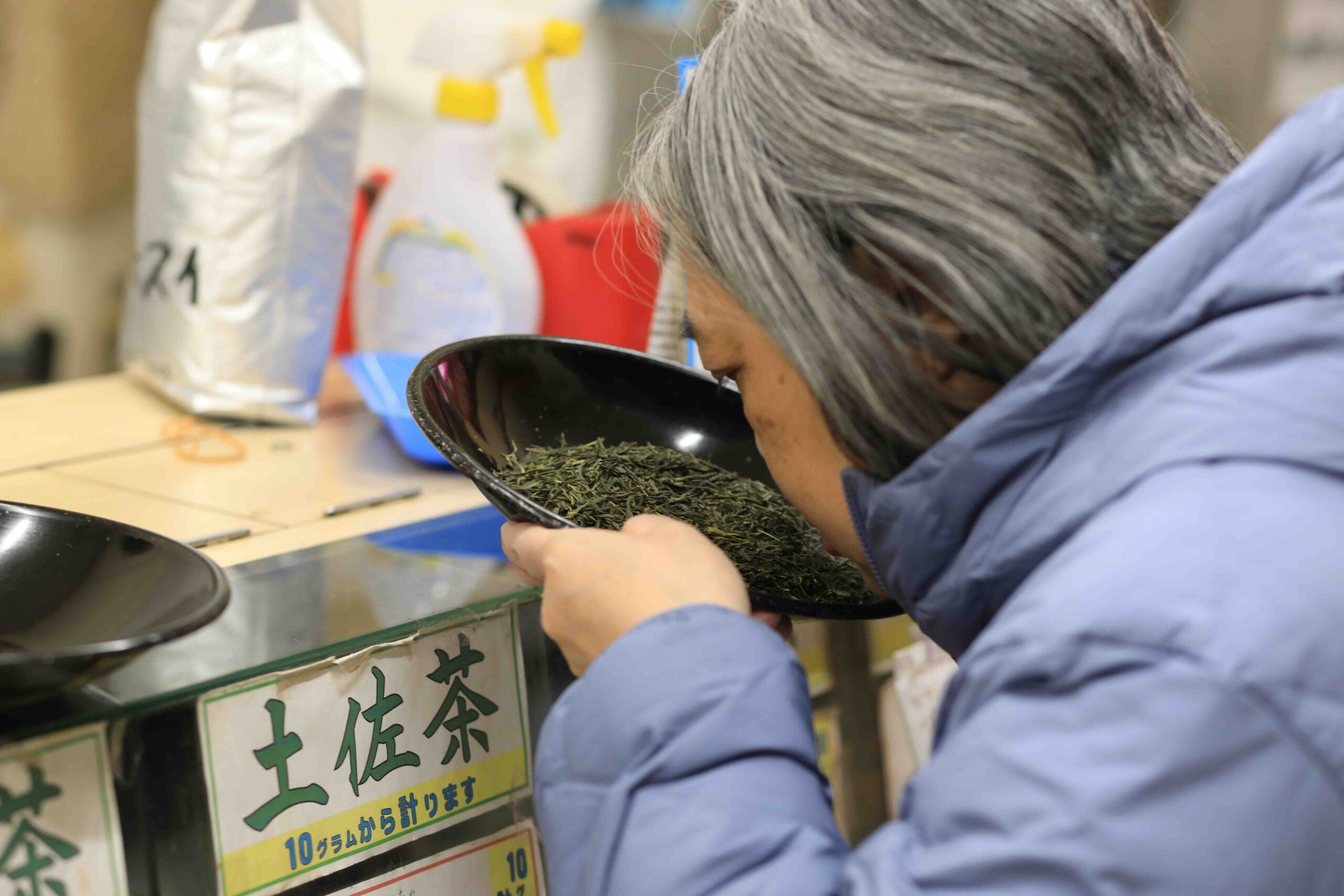
One of the most memorable moments of the day was our visit to Moriki Suiko-en (森木翠香園), a tea shop that has been in the same family for over 103 years. The third-generation owner personally welcomed us and showed my guest how to appreciate different types of Tosa tea leaves — comparing the color, texture, and aroma of each one.
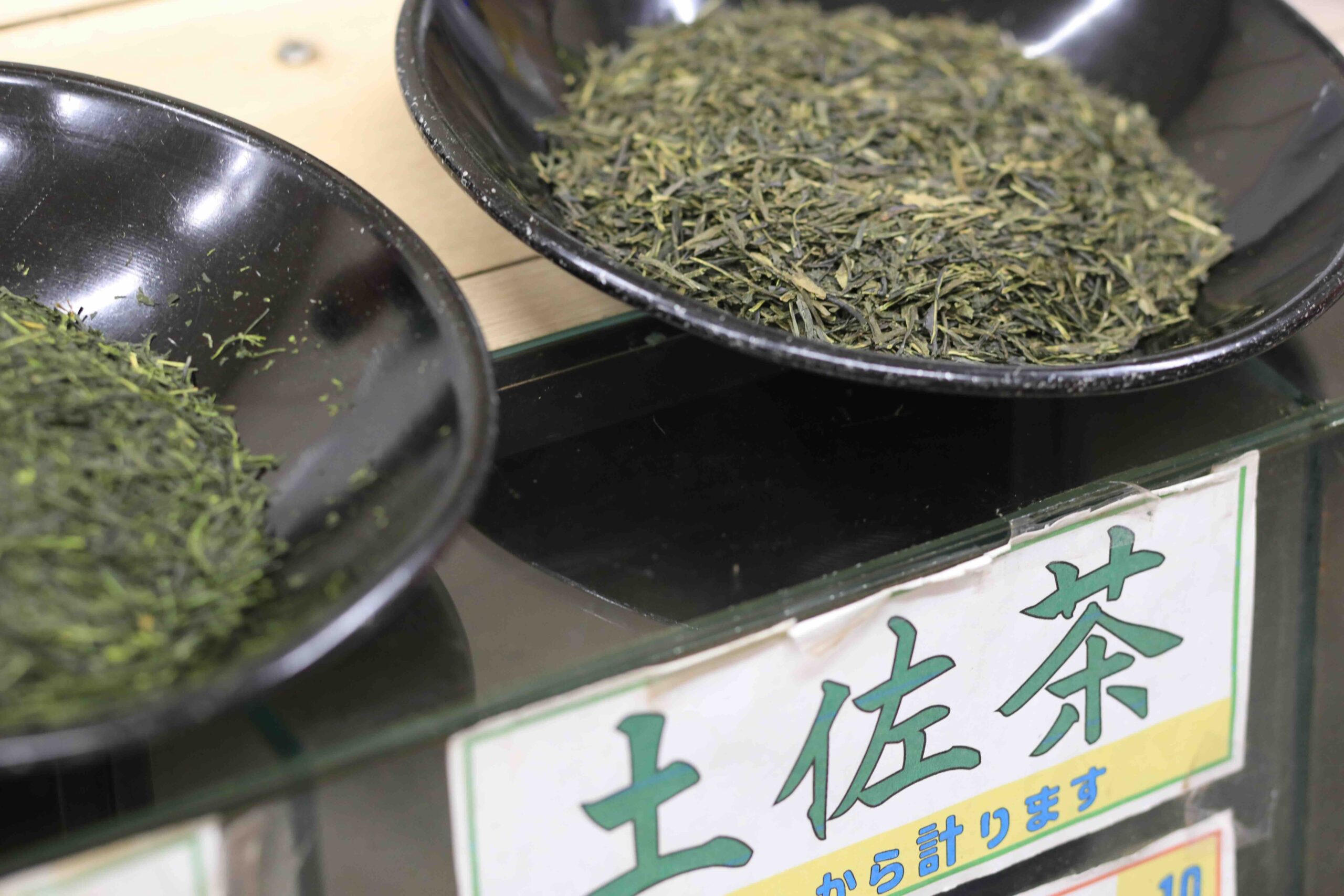
My guest leaned in close to smell the leaves directly — exactly as the owner taught her. Tosa tea is not as well known internationally as other Japanese green teas, but it has a deep local history. Meeting someone who has dedicated their life to this tradition is the kind of experience that makes Kochi feel very different from other cities.
Hirome Ichiba — Katsuo no Tataki and Yasube Gyoza
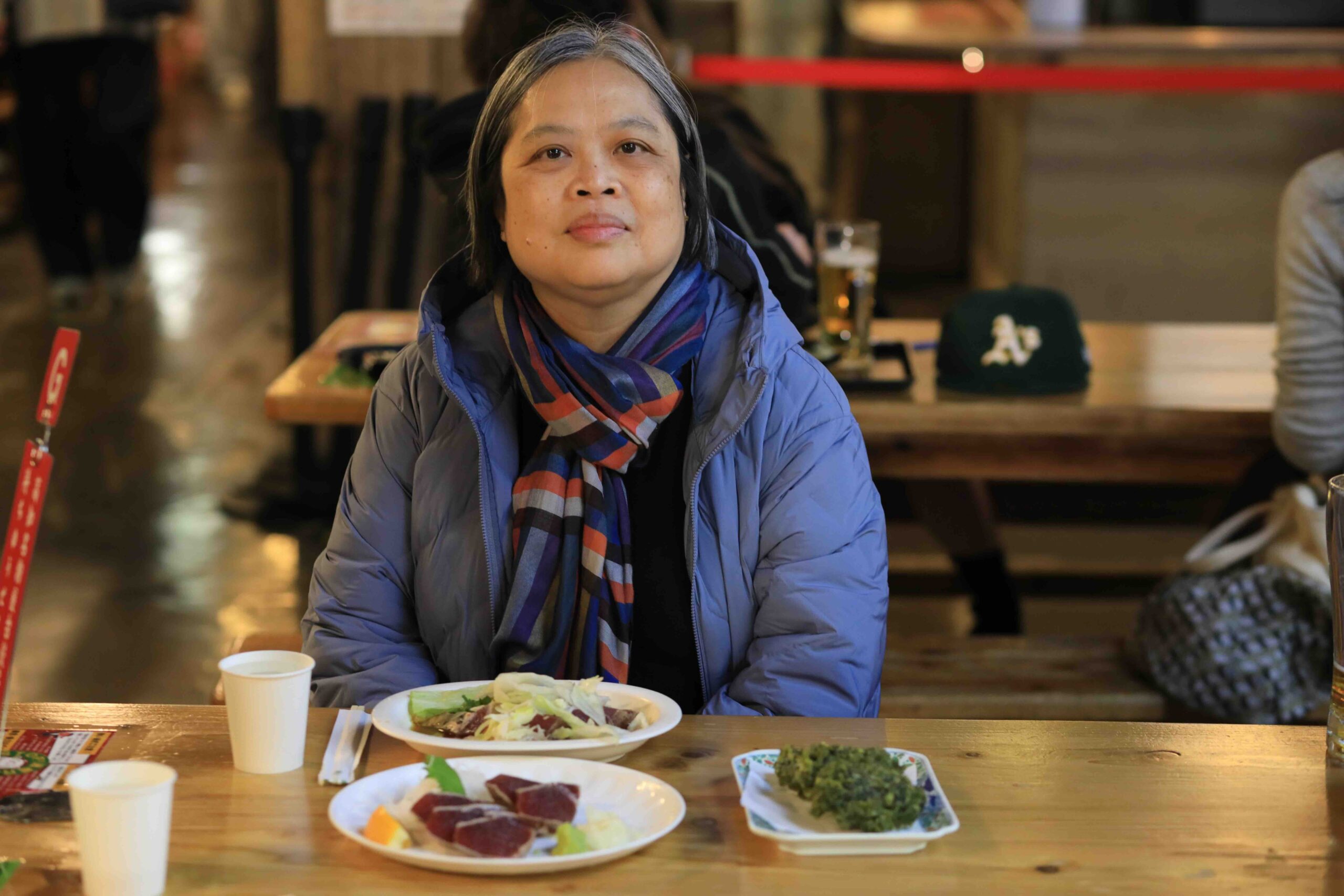
No visit to Kochi is complete without eating at Hirome Ichiba. This lively covered market in the center of the city is where locals come to eat, drink, and spend time together. The energy inside is always warm and friendly.
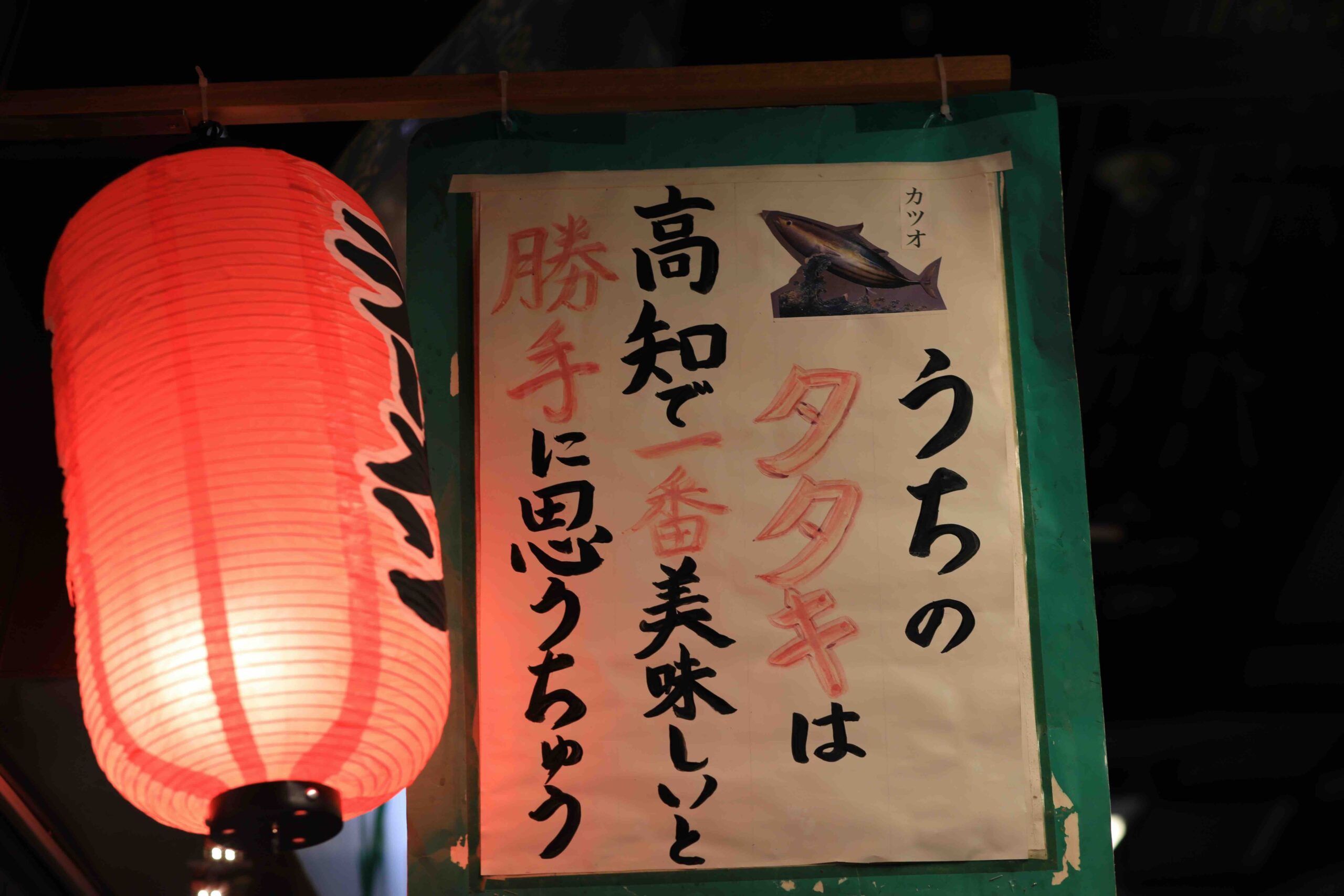
We had two things that Hirome is famous for: katsuo no tataki and Yasube gyoza. Katsuo no tataki is Kochi’s most iconic dish — fresh bonito seared quickly over a straw fire, then sliced and served with garlic, ginger, and ponzu sauce. Light, smoky, and completely unlike anything else. Yasube gyoza are crispy pan-fried dumplings that have been a local favorite for decades.
Obiyamachi — A Glimpse of Tosa no Okyaku
We ended the day with a short walk through Obiyamachi, Kochi’s main shopping and entertainment street. It was the time of Tosa no Okyaku — a large spring festival that fills the streets with food stalls, music, and people celebrating together. Okyaku means “guest” in the local Tosa dialect. In Kochi, everyone is welcome at the table, and that spirit was everywhere we looked.
It was the perfect way to finish the day — a reminder that Kochi is not just a place with beautiful nature and interesting history. It is a place with real warmth and a very unique local culture.
Perfect for Cruise Ship Passengers
Arriving in Kochi by cruise ship? This kind of full-day tour is designed exactly for you. I will pick you up directly from the Kochi cruise terminal and take you to each location throughout the day, with plenty of time to experience each place properly. You will be back at the port well before your ship departs.
Flexible timing options:
- ⏰ 4-hour express tour (perfect for short port calls)
- ⏰ 6-hour highlights tour (our most popular option)
- ⏰ 8-hour comprehensive experience
All tours include door-to-door service as part of the guided tour and a guarantee to return you to the port on time.
Explore Kochi on Our Highlights Tour
This tour covers many of Kochi’s most loved spots — Kochi Castle, Hirome Market, katsuo no tataki, and more — in one comfortable day. It is a great way to get a real feel for the city and the people who live here.
- Kochi Castle and its original Ote-mon gate
- Katsuo no tataki at Hirome Ichiba
- Local markets and food culture
- Comfortable private guided tour with door-to-door service
- Flexible timing to fit your cruise schedule
Want to combine Niyodo Blue with Kochi Castle and Hirome Market? Ask me about a full-day custom tour.