
Kochi, Japan: Where Mountains, Ocean, and Clear Rivers Meet
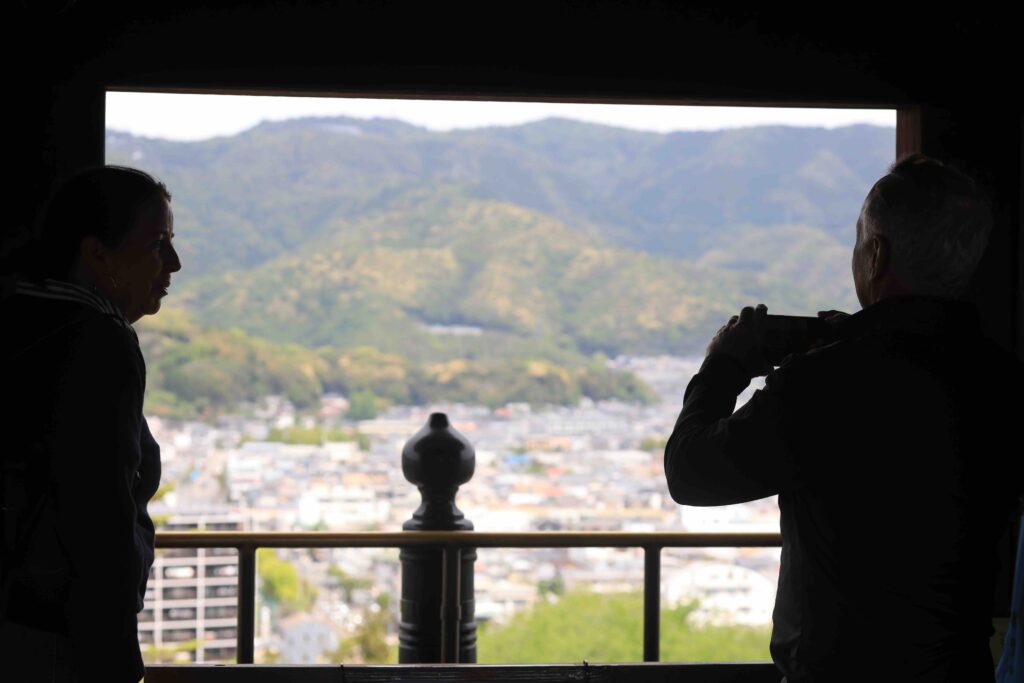
Some places in Japan are famous. Some places are beautiful. Kochi is both — but in a quiet way that you won’t find in any travel magazine. Surrounded by steep mountains, facing the open Pacific, and crossed by rivers so clear they seem to glow, Kochi is the kind of place that makes you stop and just look.
This is not a city built for tourists. It is a city built for the people who live between those mountains and that ocean. And that is exactly why it is worth visiting.
The Mountains Behind the City
Kochi Prefecture is one of the most forested places in Japan. Nearly 84 percent of the land is covered by mountains and forest — a figure that puts it at the top of every prefecture in the country. When you arrive at Kochi port and look inland, the mountains are right there, rising up from the edge of the city.
These are not distant hills. They are close enough to feel. On a clear morning, you can see the ridgelines from the city streets. The air that comes down from those forests is clean and cool, and on calm days the rivers that flow out of them carry that mountain cold all the way to the sea.
The Niyodo River: Japan’s Clearest Water
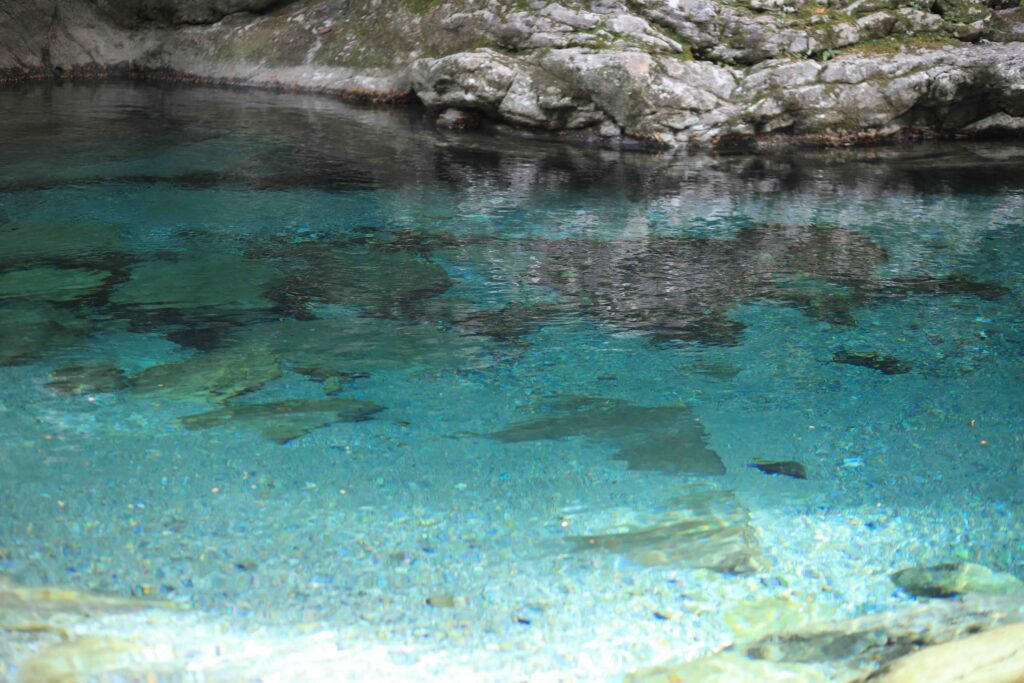
Of all the rivers that flow through Kochi, the Niyodo is the one that stops people in their tracks. It begins deep in the mountains of central Shikoku and runs south toward the sea, picking up almost nothing along the way — no industry, no development, just clean mountain snowmelt moving over smooth river stones.
The result is a color that people travel a long way to see. In the right light, at the right bend in the river, the water turns a shade of blue-green that has no real name in English. Japanese people call it “Niyodo Blue,” and it is one of those things that photographs never quite do justice.
Upstream from the main valley, a waterfall drops through old cedar forest into a pool of that same blue. The path to reach it is short and easy, and when you arrive, the sound of the falls and the cold air rising from the water make it feel like you have walked into somewhere very far from ordinary life.
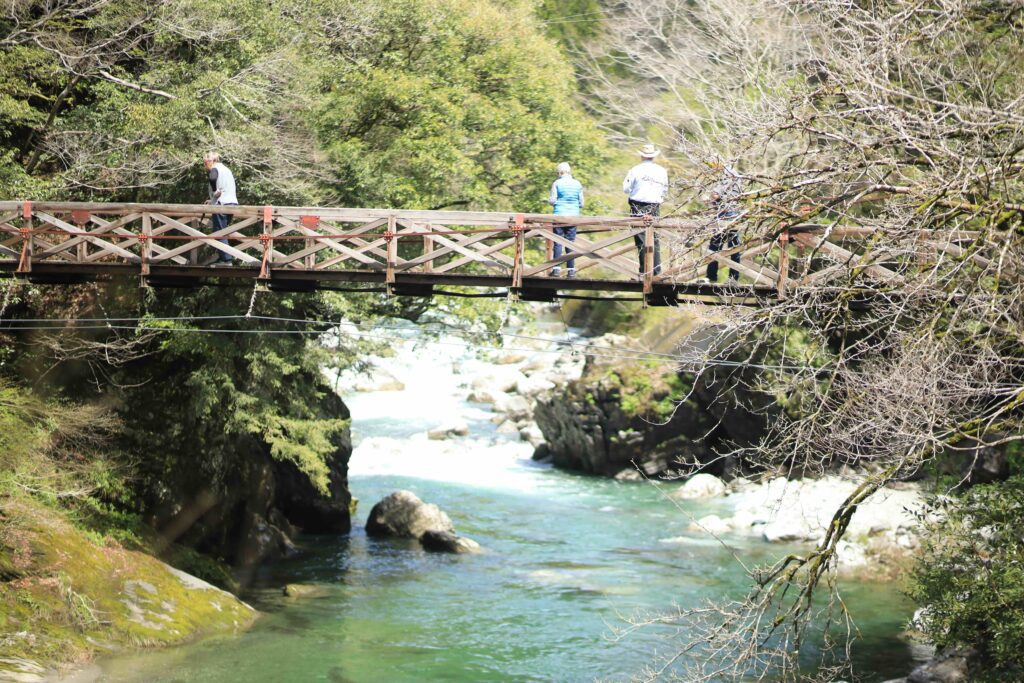
Along the river road, you will notice bridges that sit unusually low — right at the surface of the water. These are called chinkabashi, or subsidence bridges. Rather than being built high enough to stay dry during floods, they are designed to go underwater when the river rises and come back when it passes. They have been here for generations, and the communities that use them have simply learned to live with the rhythm of the river.
The Pacific Coast
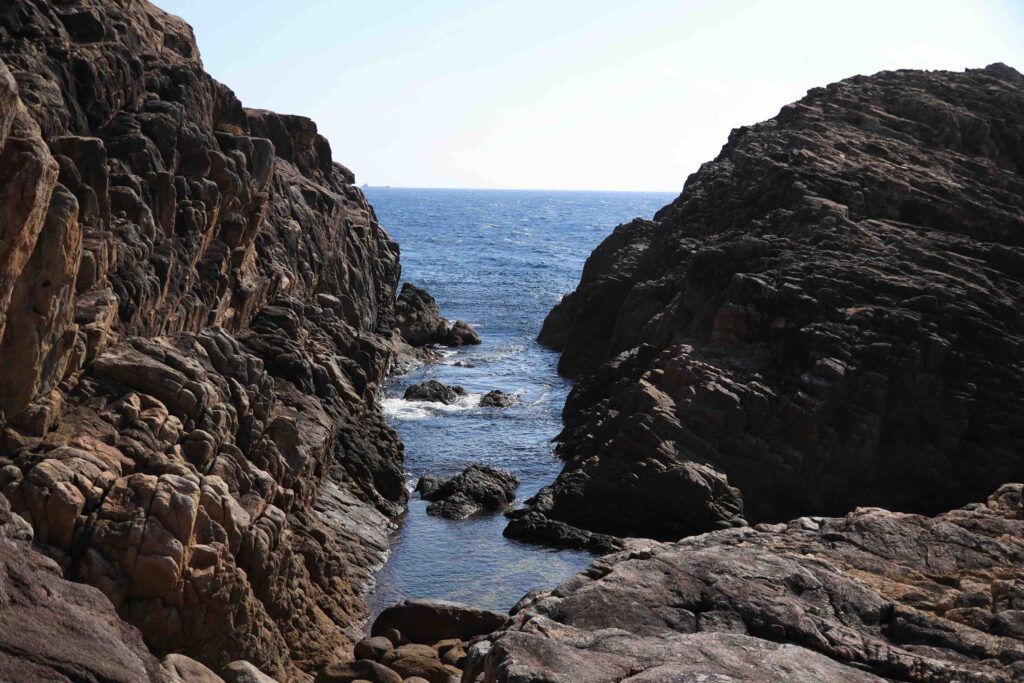
On the other side of the city, the land drops down to the Pacific Ocean. The coastline here is rugged and open — no calm bays, no sheltered inlets, just the full force of the ocean arriving on the rocks. Katsurahama is the most famous stretch of this coast, a dark-sand beach framed by pine trees and stone cliffs where the waves come in hard and steady.
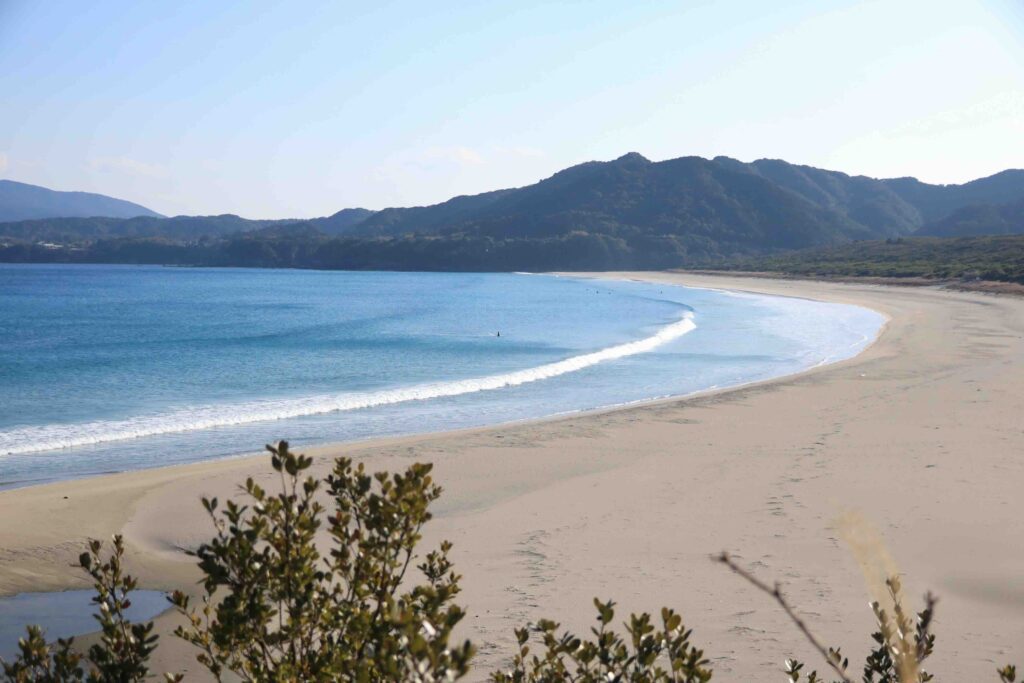
Swimming is not permitted here, and on most days you can see why. But standing on the shore with that wind coming off the open water, looking out toward nothing but ocean all the way to the horizon — it is the kind of view that reminds you where you are on the planet.
The Forest on the Hill
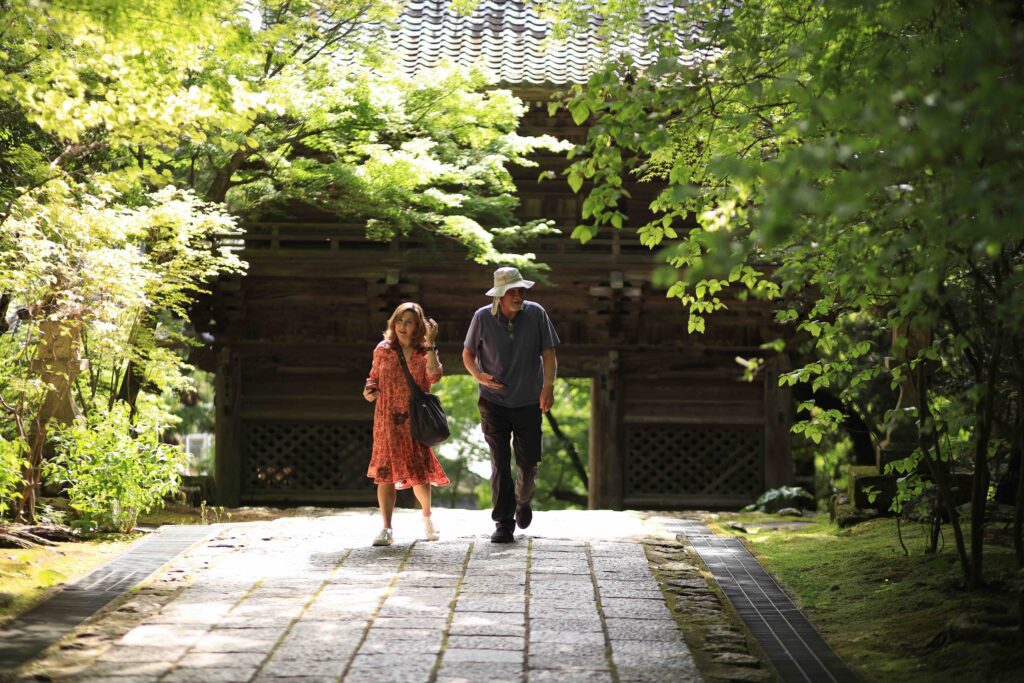
Between the mountains and the sea, Mount Godai rises up at the edge of the city. The hill is covered in old cedar and cypress, and at the top, Chikurinji Temple has stood among those trees for over a thousand years. It is Temple Number 31 of the Shikoku 88-Temple Pilgrimage, and the stone paths, mossy lanterns, and five-story pagoda give it an atmosphere that belongs to the forest as much as to any religion.
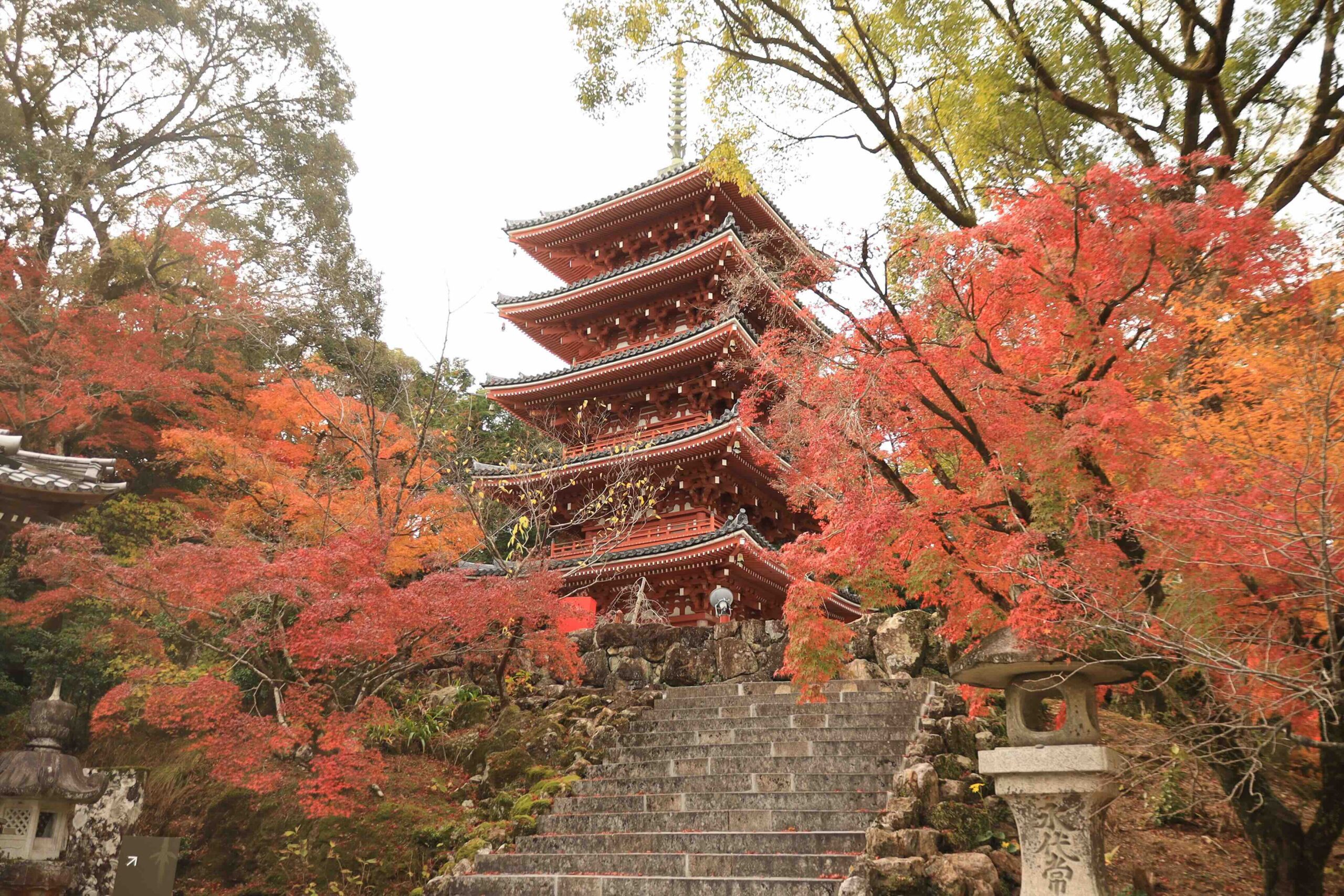
In spring, cherry blossoms line the paths. In autumn, the maple trees go red and orange against the dark cedar. In every season, the walk through the forest to the main hall feels like the city has disappeared entirely.
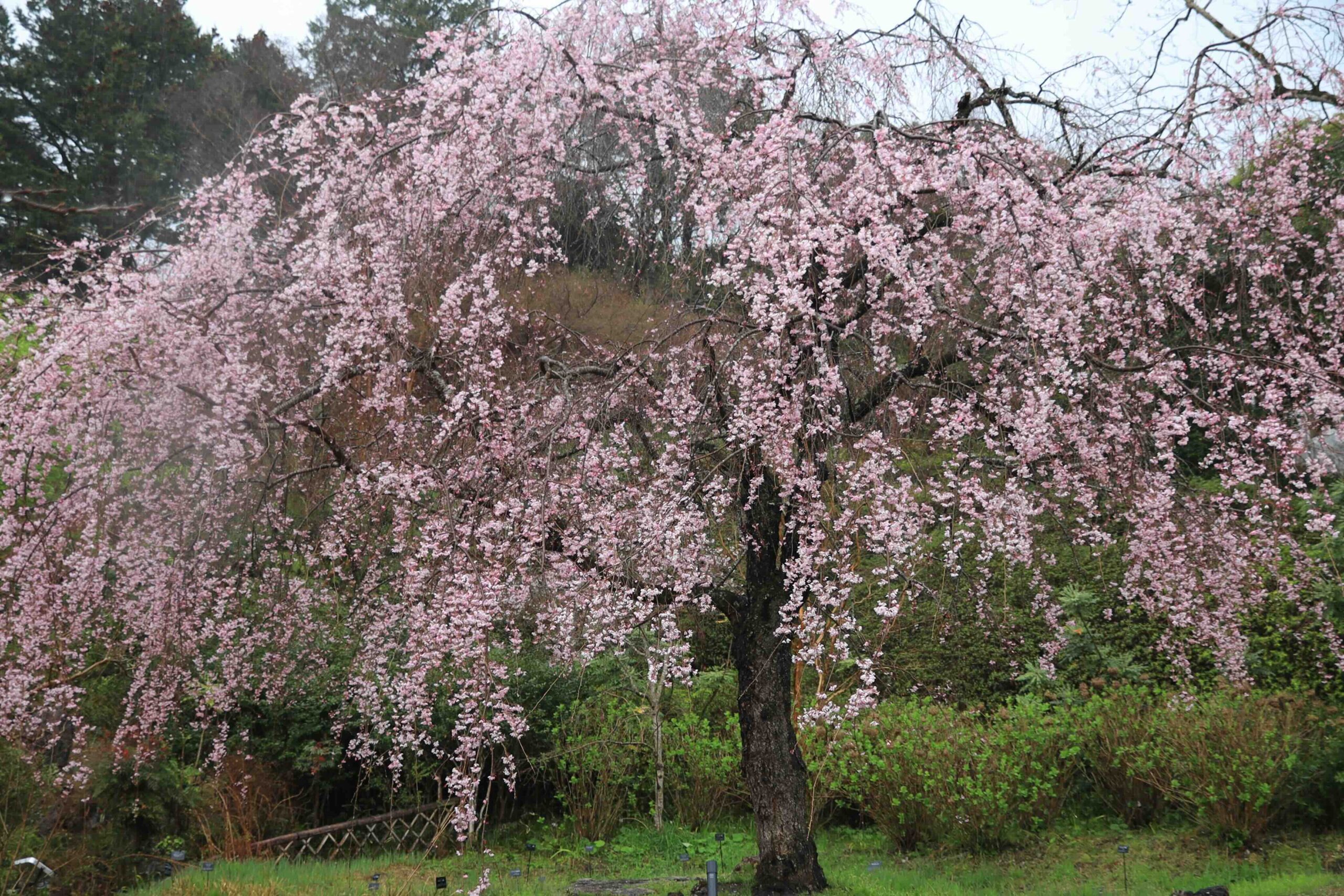
Next to the temple, Makino Botanical Garden covers the hillside with thousands of plant species. Dr. Tomitaro Makino, a botanist born in Kochi, spent his life studying the plants of Japan and named over 2,500 species. The garden was created in his honor, and walking through it gives you a different way of seeing what the forests and fields of Shikoku actually contain.
A Landscape That Has Not Changed Much
What stays with most visitors after a day in Kochi is not any single place or dish or view. It is a feeling — that this part of Japan has not been remade for outside eyes. The mountains are still the mountains. The rivers are still the rivers. The farmers still bring their vegetables to the same market they have used for three hundred years. The fishermen still go out for bonito the same way they always have.
Kochi is not trying to be anything other than what it is. And what it is — mountains, ocean, clear rivers, old forests, and a coast facing straight out to the open Pacific — is more than enough.
Arriving in Kochi by Cruise Ship
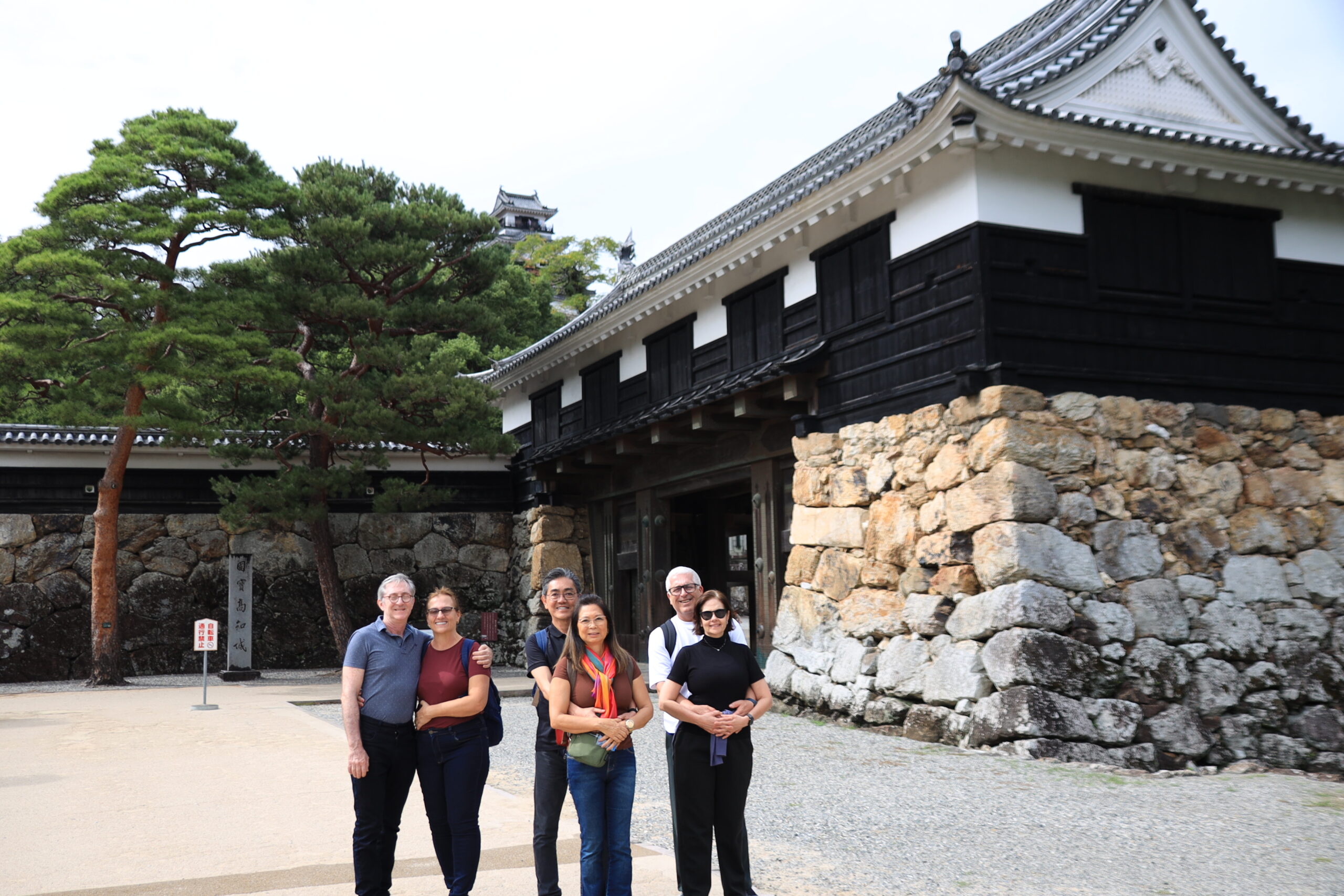
I will pick you up directly from the Kochi cruise terminal and take you to the places that show this landscape best. For a full-day experience of the city and coast, the Kochi Highlights Tour covers the castle, Katsurahama, Chikurinji Temple, and Makino Botanical Garden. For those who want to go deeper into the mountains and follow the Niyodo River upstream, the Niyodo Blue Tour is a day I never get tired of guiding.
Transportation is included as part of the guided tour, and I make sure you are back at the port well before your ship departs.