
Kochi Sunday Morning Market: A Shore Excursion Through Real Local Life
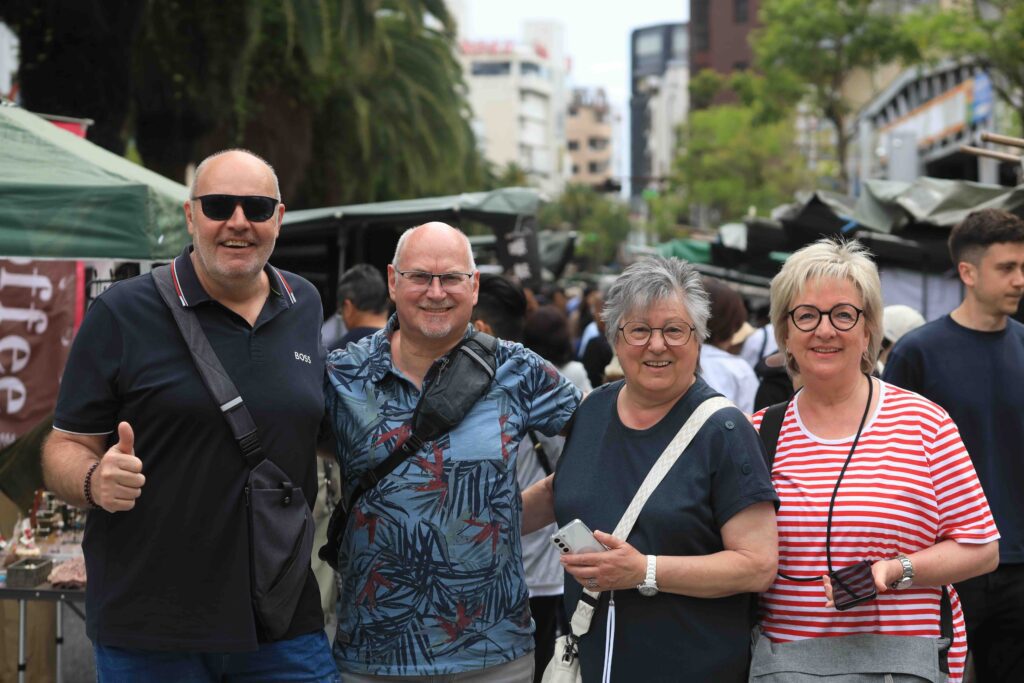
What makes a day in Kochi different from other ports in Japan? It is not just the castles or the temples. It is the feeling that you are walking through a city that is still very much alive with local culture. When a group of four visitors from Germany joined my Kochi Highlights Tour, we started the day at one of Japan’s oldest and most beloved street markets — and it set the tone for everything that followed.
The Sunday Morning Market: 300 Years of Local Life
The Kochi Sunday Morning Market, known in Japanese as the Nichiyoichi, has been running every Sunday for over 300 years. It stretches along a long street in the center of the city, with around 300 stalls selling fresh vegetables, fruits, local snacks, plants, handmade goods, and antiques. For cruise ship passengers with just one day in port, this market gives you a real look at how local people in Kochi shop and live.
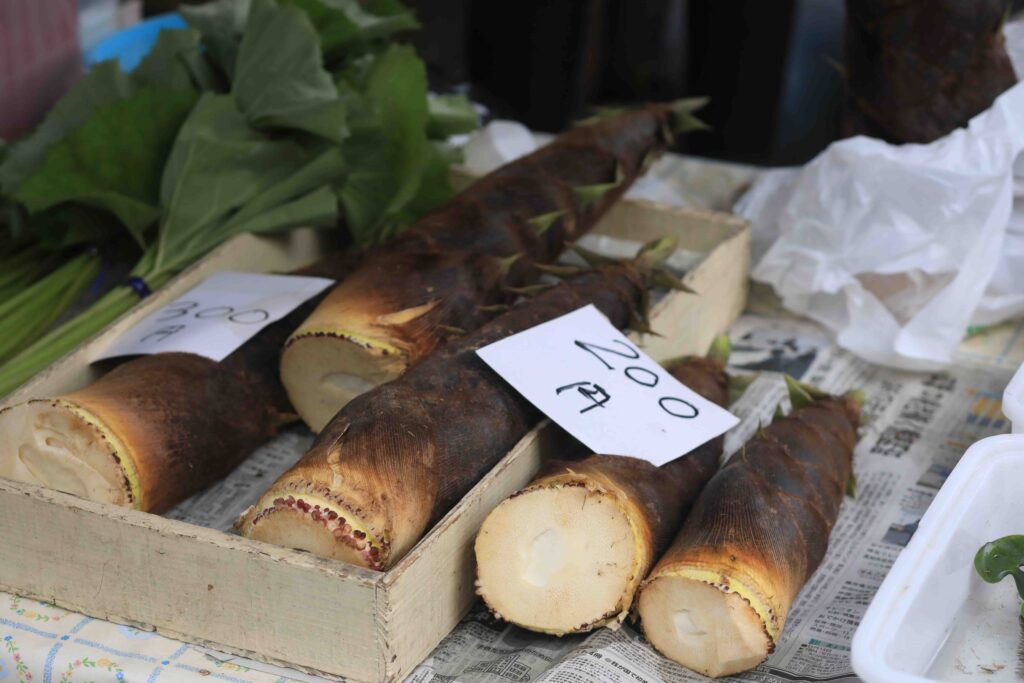
In April, the market is full of spring produce. We saw big white daikon radishes, fresh ginger, and the star of the spring season in Kochi — fresh bamboo shoots (takenoko). Kochi is famous for its bamboo shoots, and seeing them freshly harvested and laid out at the market stalls made it easy to understand why locals get so excited about this time of year.
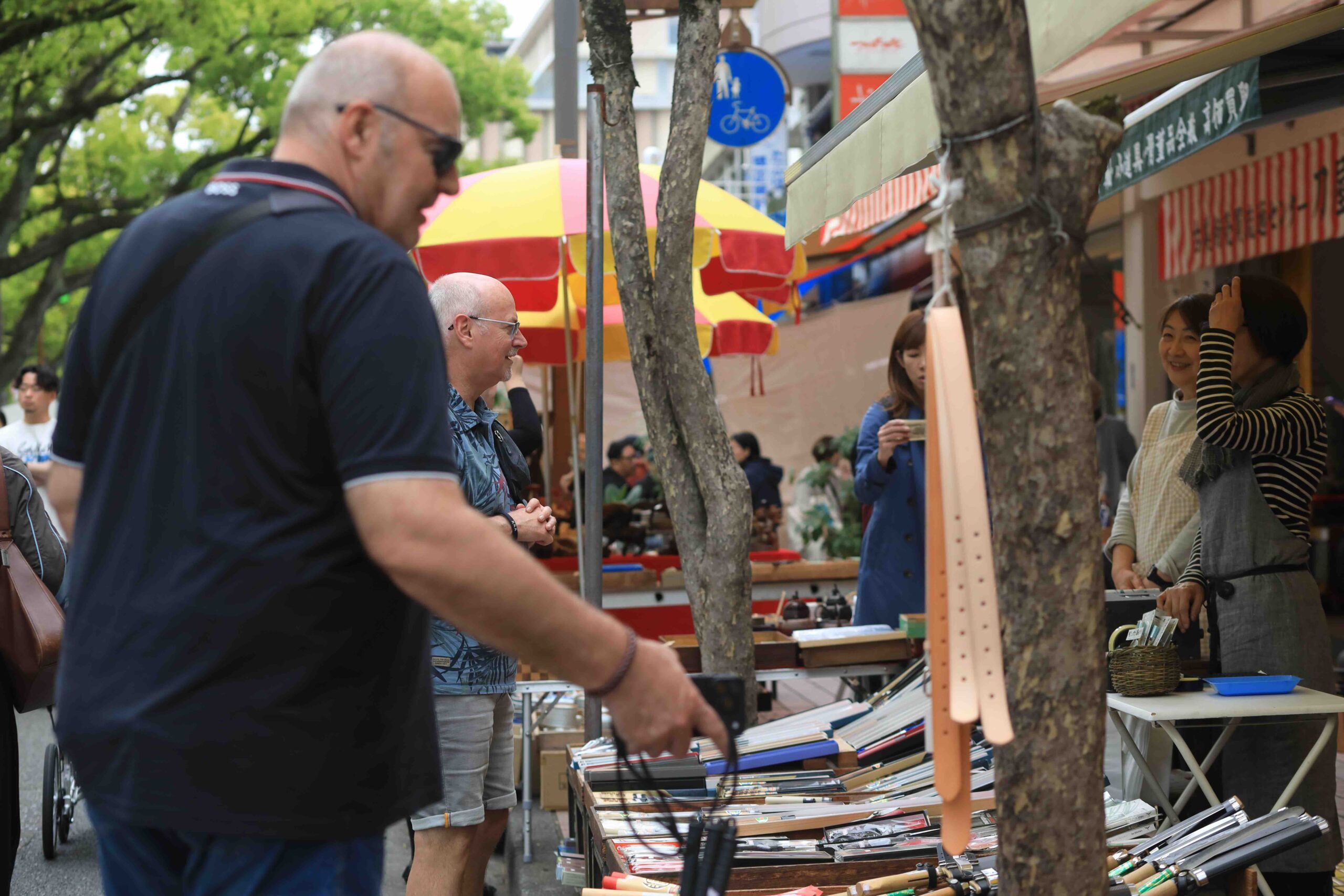
The market is not just for food. There are also stalls selling tools, pottery, local crafts, and all kinds of interesting things that you would not find in a regular tourist shop. One of the guests from Germany spent a long time looking through antique items at one stall, chatting and smiling with the local vendor. That kind of small moment is what makes the Sunday market special.
Kochi Castle: A Samurai Era Castle in the Heart of the City
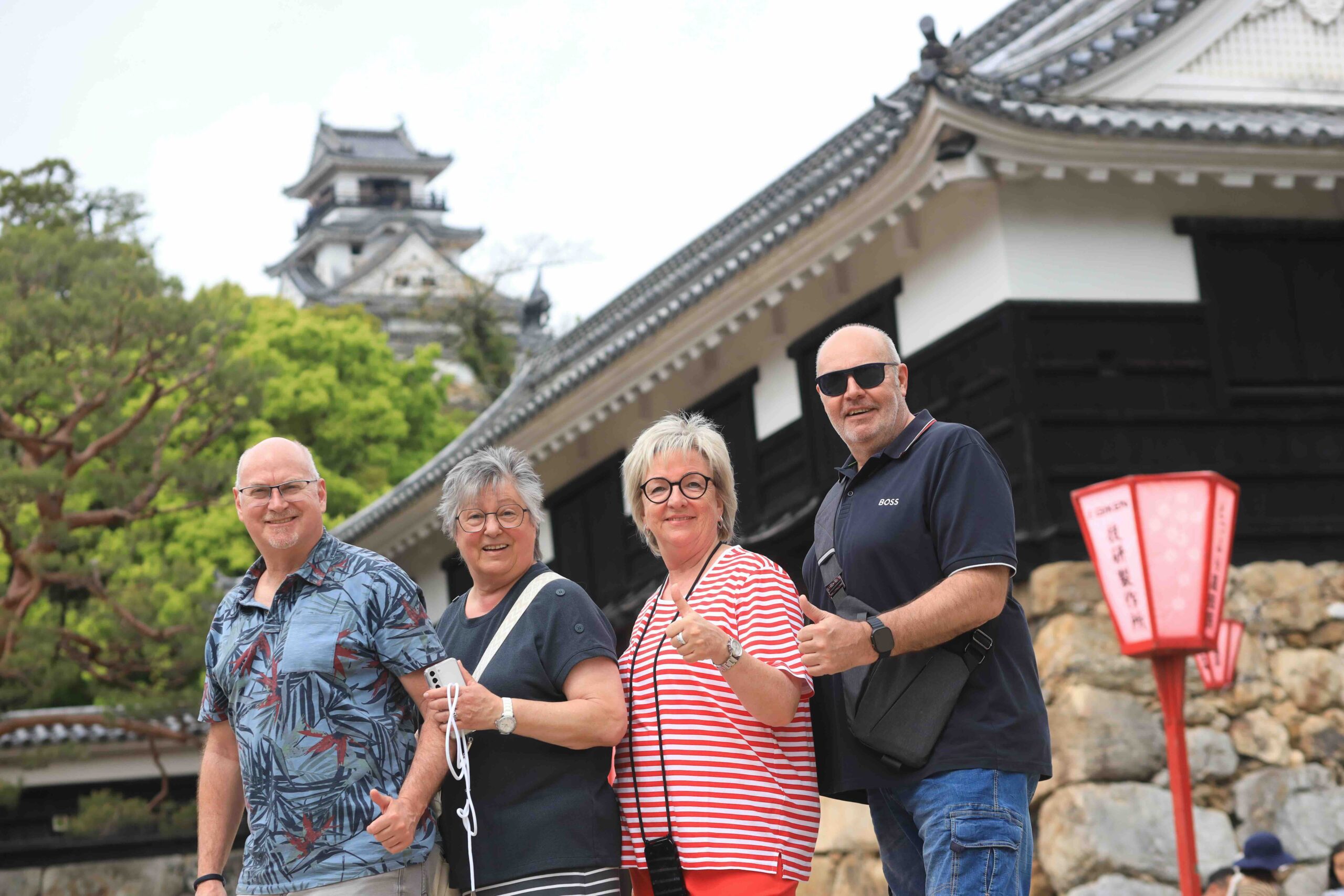
After the market, we walked to Kochi Castle. It is one of only twelve original castles remaining in all of Japan — most castles today are modern reconstructions, but Kochi Castle has survived since the Edo period. The castle stands on a hill above the city, and the approach through the old stone gates and the castle grounds is already impressive before you even reach the main tower.
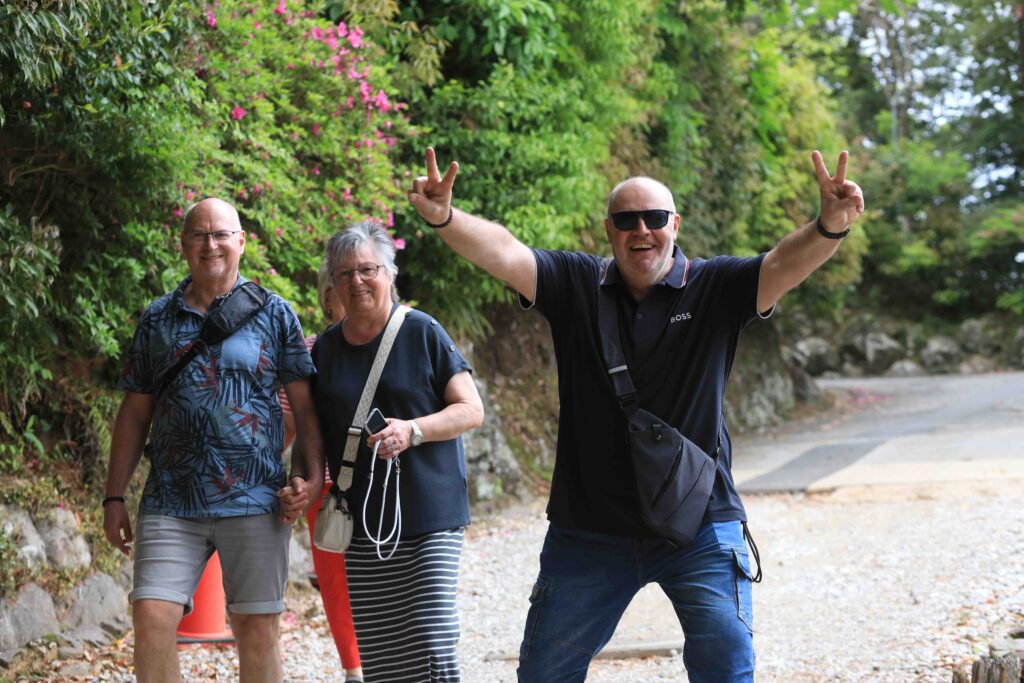
We explored the grounds and walked through the main gate area. The castle walls, the old stone steps, and the quiet atmosphere of the grounds give you a clear sense of what this place must have felt like centuries ago. For guests coming from Europe who are familiar with their own castles and historic buildings, Kochi Castle offers something very different — a compact, refined Japanese fortress with a lot of history packed into a small space.
Lunch at Hirome Market: Cold Beer and Local Food
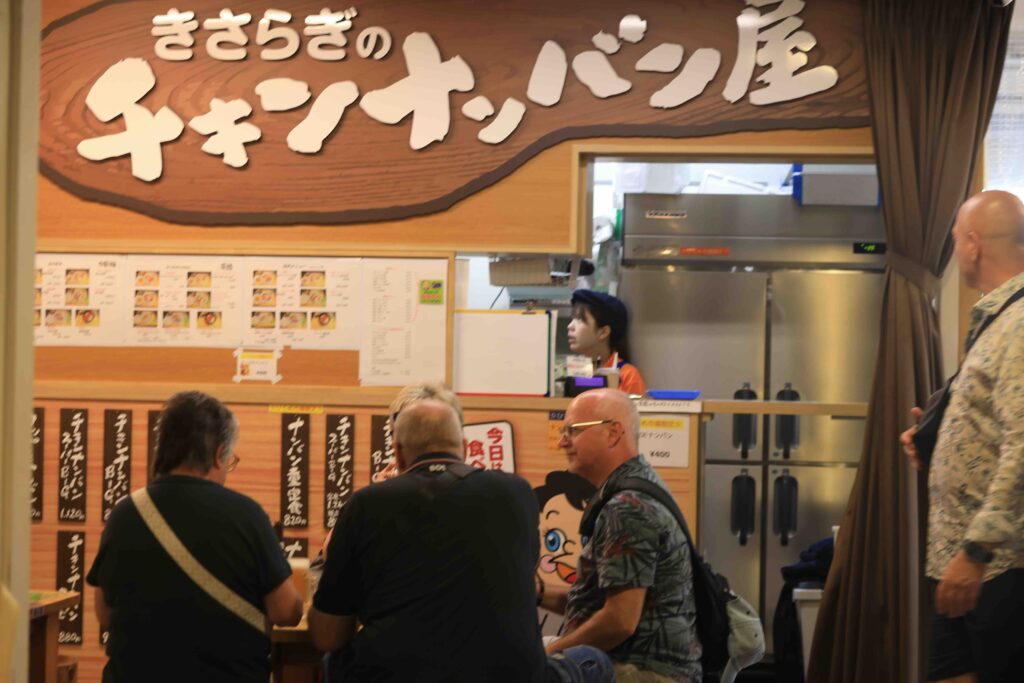
For lunch, we headed to Hirome Market — an indoor food market that is one of the most lively spots in the city. Dozens of small food stalls fill the space, and guests find a seat at the shared tables in the middle, then order from whichever stalls they like. It is loud, casual, and full of energy.
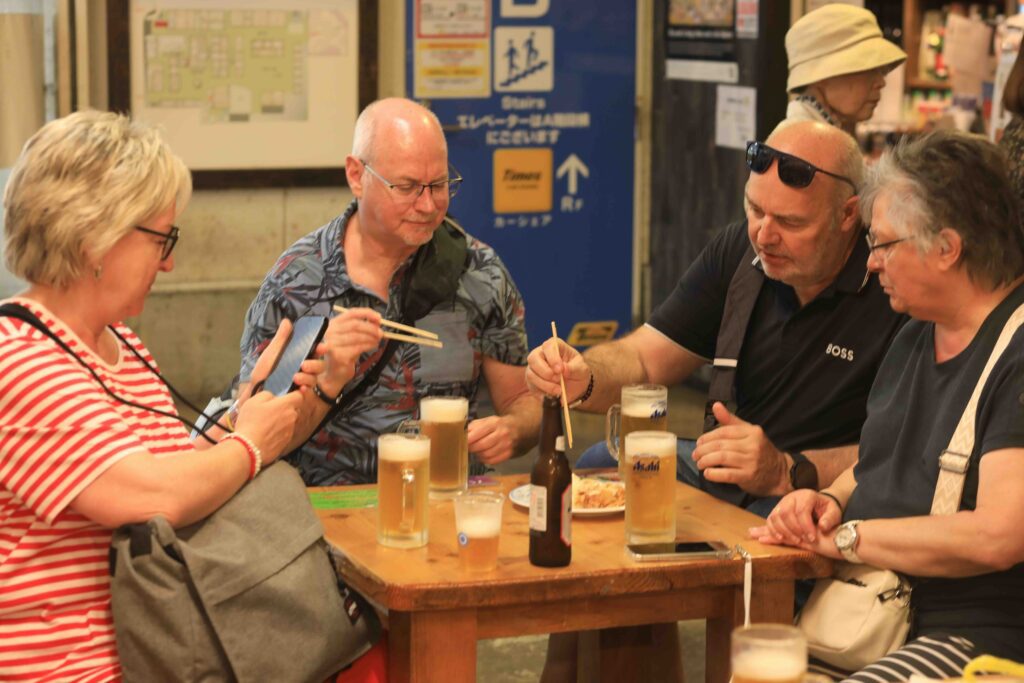
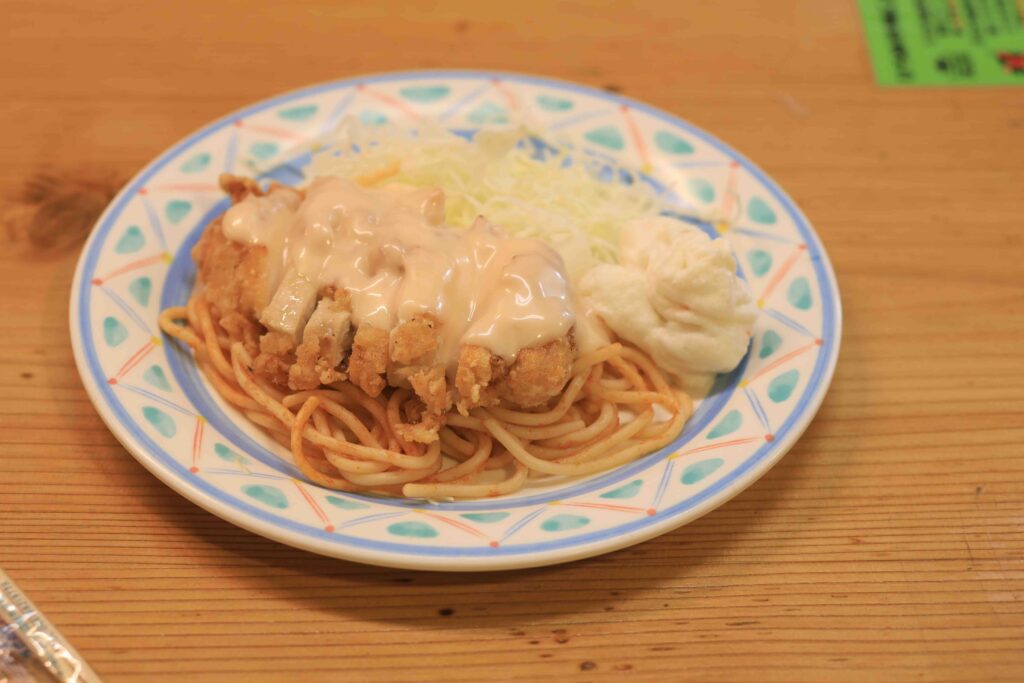
We ordered cold Asahi beer, fresh bamboo shoot — a seasonal specialty that you can only really enjoy in spring — and chicken nanban from Kisaragi. Kisaragi is a local convenience store chain that has been a part of Kochi life for many years. At Hirome, they run a dedicated stall called Kisaragi no Chicken Nanban-ya. Chicken nanban is fried chicken served with a sweet and sour sauce and a thick tartare-style sauce on top, usually with spaghetti on the side. It is honest, filling, and very Kochi.
One of the guests tried the bamboo shoot skewer from a charcoal grill stall near the entrance. The look on his face said it all — fresh, smoky, and nothing like what you can find back home.
Obiyamachi Arcade: Shopping and a Surprise Detour
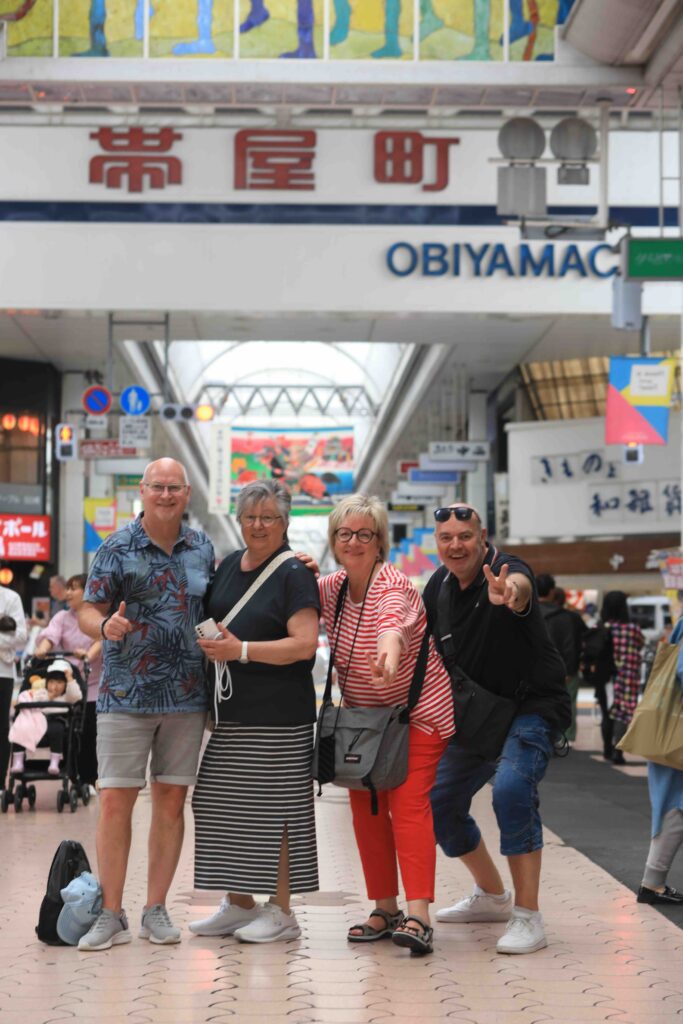
After lunch, we walked through the Obiyamachi covered shopping arcade. This is Kochi’s main shopping street, with local stores, souvenir shops, and a mix of everyday shops that local people use. It is a good place to pick up omiyage — Japanese souvenirs — and just take in the atmosphere of a regular Japanese shopping street.
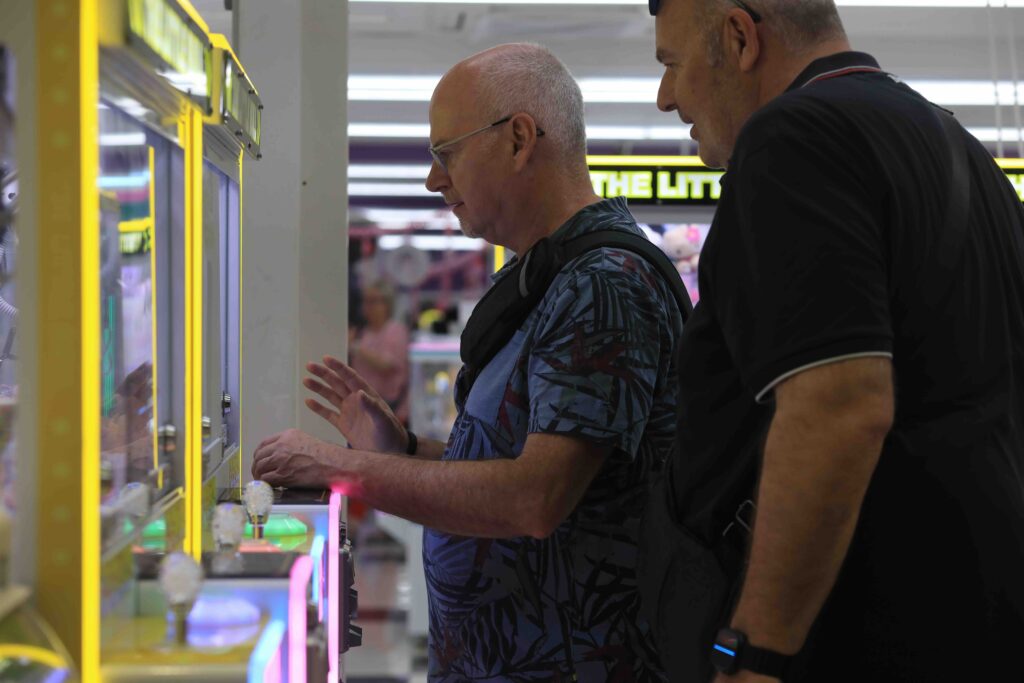
Along the way, two of the guests discovered a crane game arcade and could not resist trying their luck. Watching them take turns with the claw machine, with the same focused expression that you see on Japanese teenagers, was one of the funniest moments of the day. The arcade experience — bright lights, cheerful sounds, and the impossible challenge of the claw — is very much a part of everyday Japanese culture, and it was fun to see guests jump right into it.
Chikurinji Temple: One of Shikoku’s 88 Sacred Sites
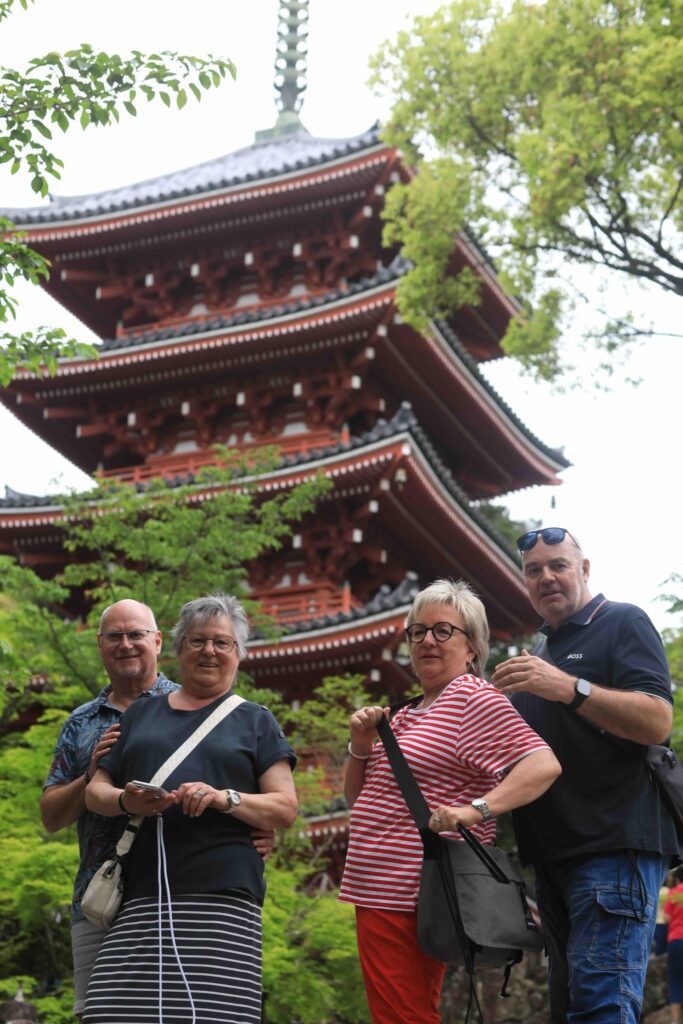
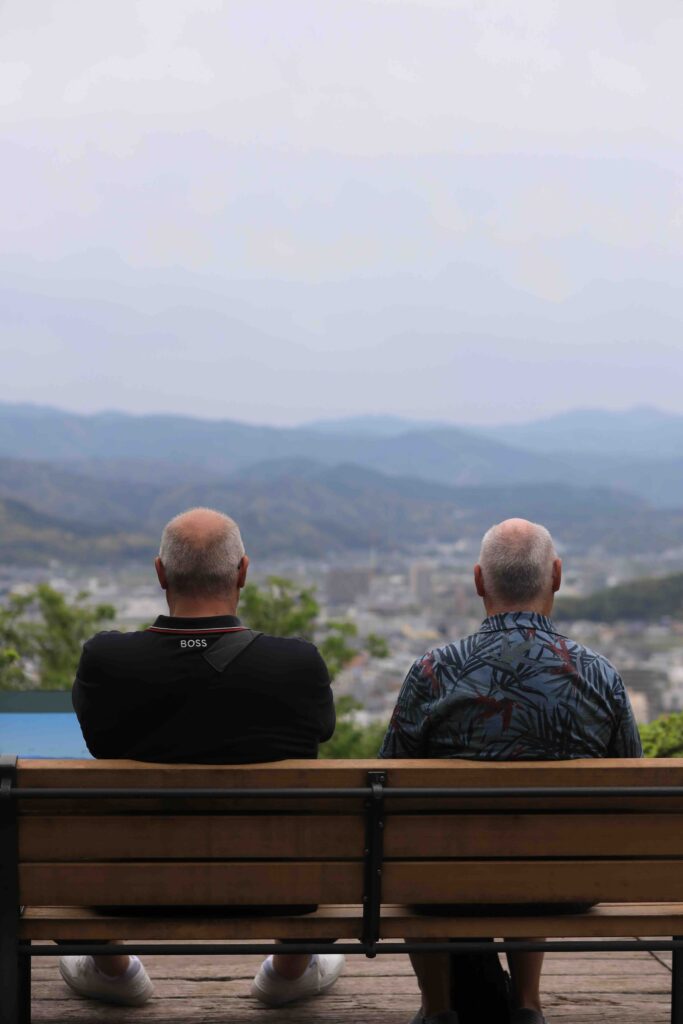
In the afternoon, we visited Chikurinji Temple on Mount Godaisan. This is the 31st temple on the famous Shikoku Pilgrimage — an 88-temple pilgrimage route that draws walkers and spiritual seekers from all over the world. The temple has a five-story pagoda, a moss-covered garden, and a quiet atmosphere that feels very different from the busy city below.
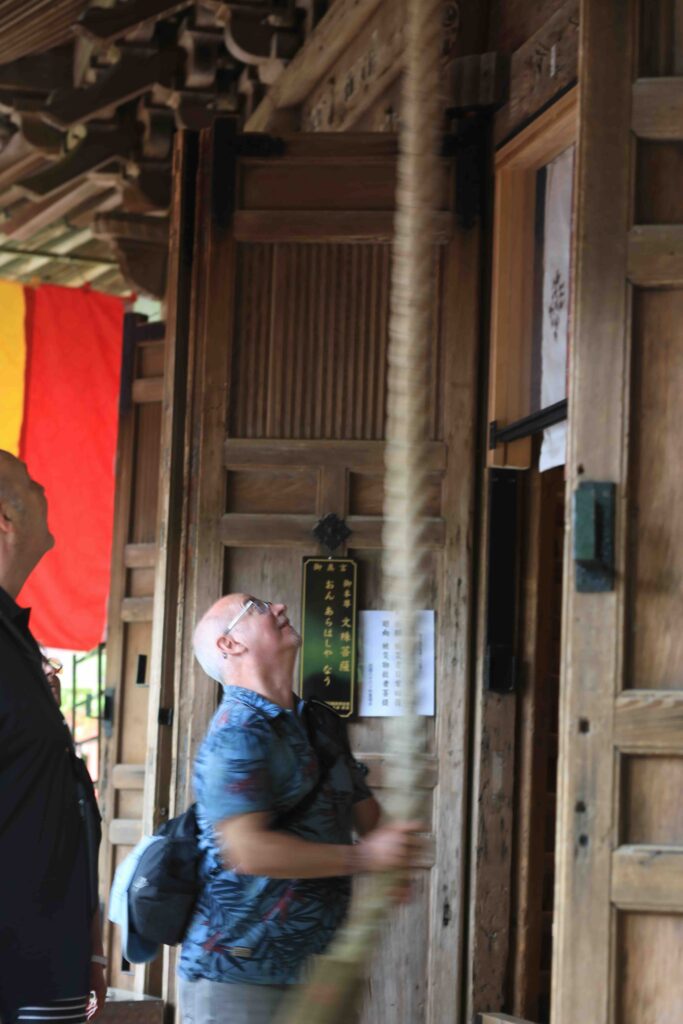
One of the guests took a moment to look up at the main hall, taking in the old wooden structure and the temple bells. Chikurinji is still an active temple, and you can see pilgrims in white robes visiting throughout the year. For guests who have never visited a Japanese Buddhist temple before, it is a very good introduction — peaceful, beautiful, and full of small details to notice.
Makino Botanical Garden: Spring Colors in Full Bloom
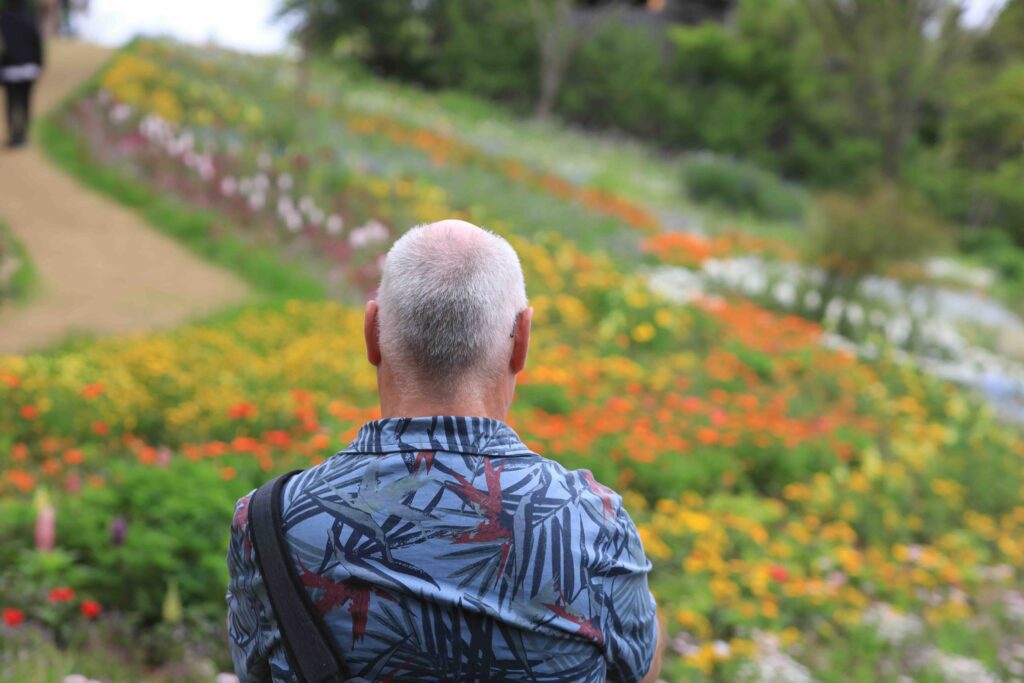
Next to Chikurinji Temple is the Makino Botanical Garden, named after Dr. Tomitaro Makino, a famous botanist from Kochi who devoted his life to studying and recording the plants of Japan. The garden has over 3,000 plant species, and in April, it is absolutely full of spring flowers.
The flower field in spring is one of the best things to see in the garden — a wide open area filled with poppies, forget-me-nots, and many other colorful blooms all growing together. The two guests photographed nearly everything they could see. It is the kind of place that surprises people who were not expecting much from a botanical garden.
Katsurahama Beach: Waves from the Pacific Ocean
We finished the day at Katsurahama Beach on the Pacific coast. Katsurahama is not a swimming beach — the waves are strong and the currents are powerful — but that is exactly what makes it so impressive. The beach is dramatic and raw, with big waves coming in from the open ocean, black pine trees along the cliff, and a lighthouse visible in the distance.
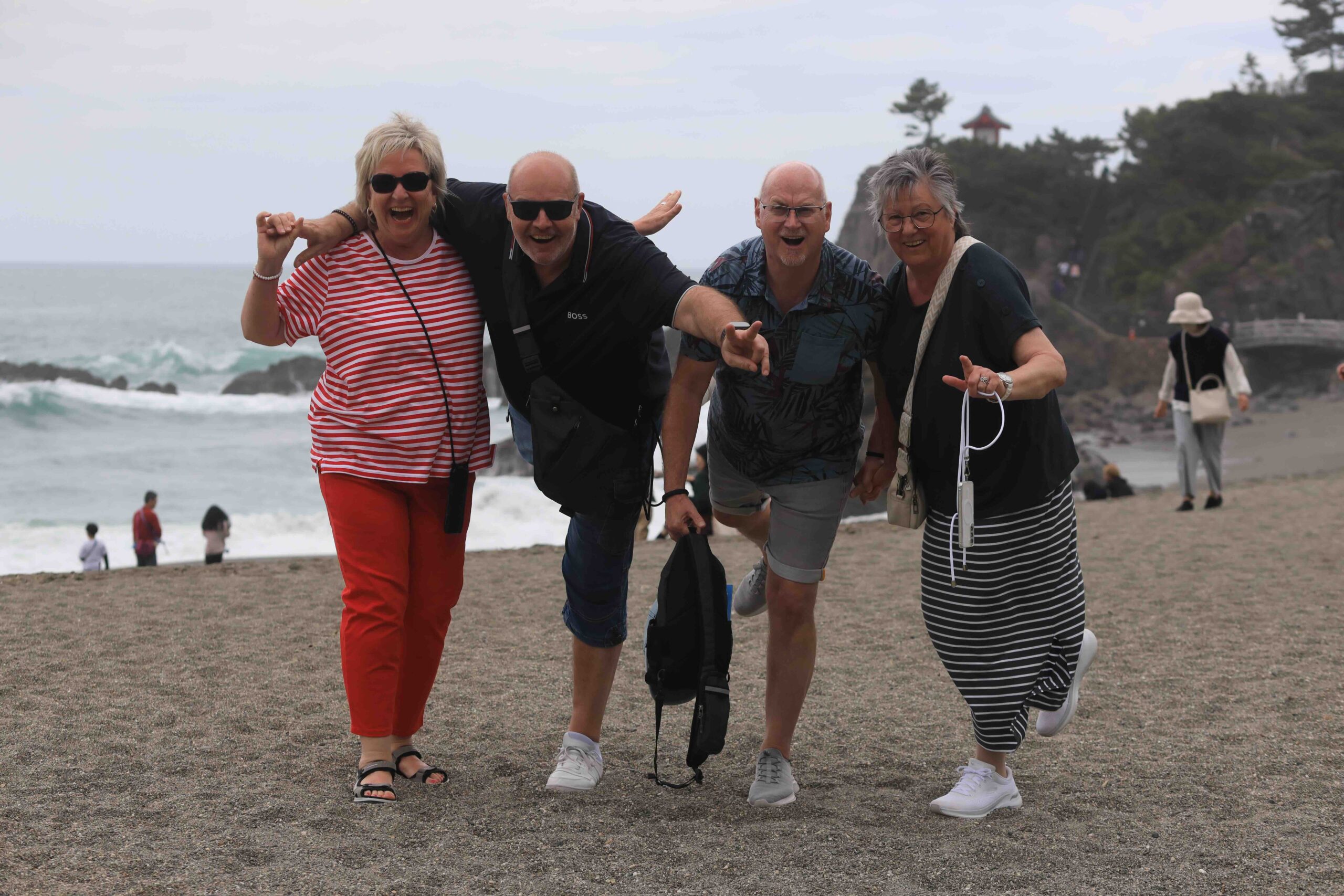
The group loved it. After a full day of walking through temples, markets, and arcades, standing in front of those big Pacific waves was the perfect way to end. Everyone was energetic, laughing, and posing for photos right up until the last moment. It was a really good day.
Tips for Cruise Ship Passengers Visiting Kochi
If your cruise ship stops in Kochi on a Sunday, the Sunday Morning Market is one of the best things you can do in the morning. It is free, easy to walk through, and gives you a genuine feel for local life that most tourist spots cannot offer. Pair it with Kochi Castle, Hirome Market for lunch, and Katsurahama Beach, and you have a full and satisfying day.
A few practical things to know:
- The Sunday Morning Market runs every Sunday from early morning until around noon. It is located along a street a short walk from Kochi Castle.
- Hirome Market is open daily and is most lively around lunchtime. You can order from multiple stalls and sit together at shared tables.
- Kochi Castle charges a small entrance fee for the main tower. The grounds around the castle are free to explore.
- Katsurahama Beach has a large parking area and is easy to reach by car. Swimming is not allowed, but the walk along the shore is worth it.
Perfect for Cruise Ship Passengers
Arriving in Kochi by cruise ship? This tour is designed with cruise passengers in mind. I will pick you up directly from the Kochi cruise terminal and make sure you are back to your ship with plenty of time to spare.
All tours include comfortable private transportation and make sure you get back to the port in good time. Whether you have four hours or a full day, I can arrange an itinerary that fits your schedule.
Experience Kochi on the Kochi Highlights Tour
The Kochi Highlights Tour covers the best of the city and coastline in one day. We visit Kochi Castle, the Sunday Morning Market (on Sundays), Hirome Market for lunch, Chikurinji Temple, Makino Botanical Garden, and Katsurahama Beach. I take photos throughout the day and share them with you as a gift after the tour.