
Tosa bushi: The Story of Kochi Dried Bonito, Born in Usa
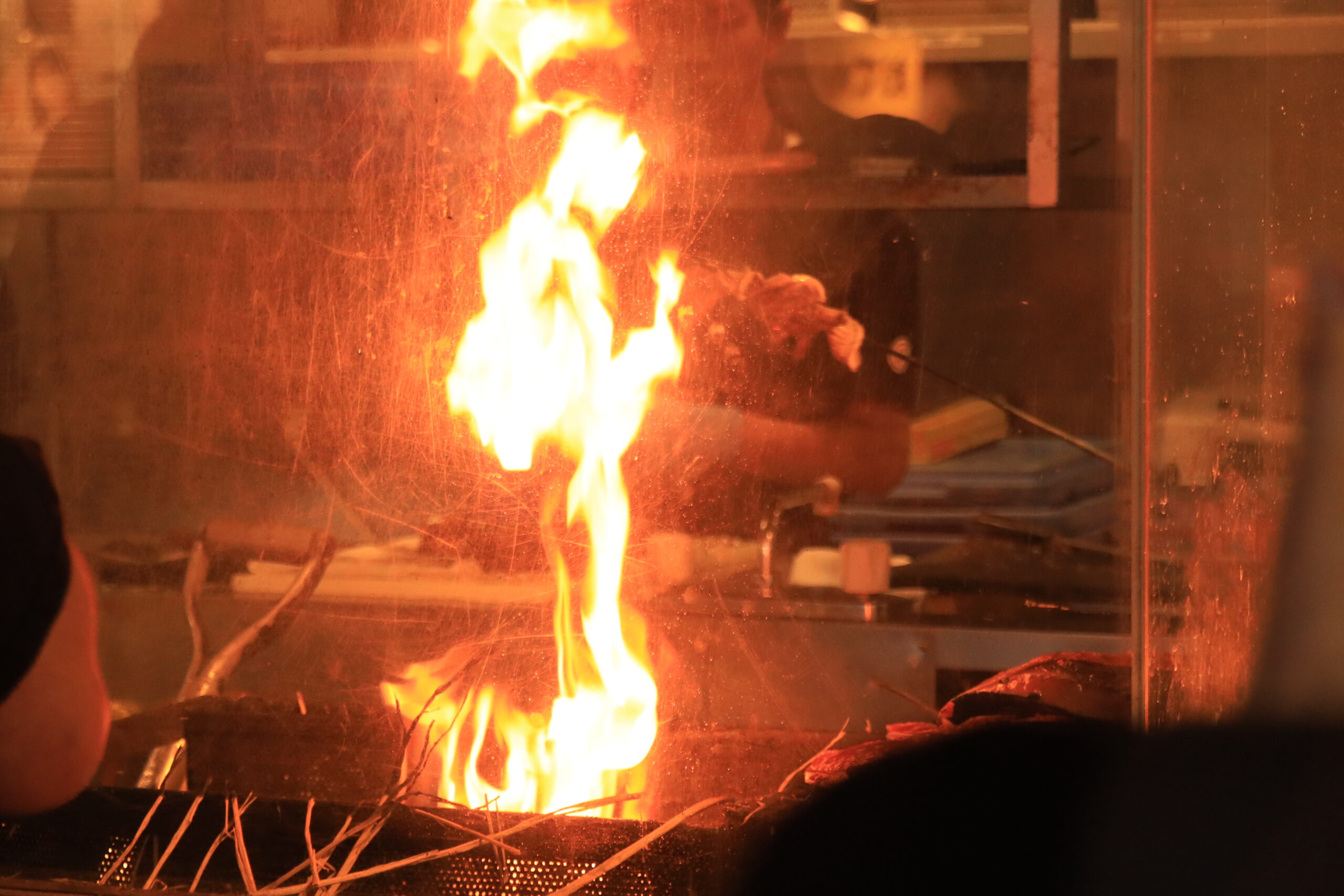
Almost every visitor to Kochi tries katsuo no tataki, the seared bonito that is the local specialty. But bonito gave Kochi another gift that is just as important, even if it is quieter. It is called Tosa bushi, the dried bonito that became the heart of Japanese cooking. And the story of how it was perfected begins in a small fishing town called Usa, a short drive from the Kochi cruise terminal.
What Is Tosa bushi?
Tosa bushi is the Tosa name for katsuobushi, or dried bonito. Fresh bonito is cooked, smoked, dried, and aged until it becomes as hard as a piece of wood. It is then shaved into thin flakes. These flakes, called hanakatsuo, are used to make dashi, the savory stock that forms the base of so many Japanese dishes, from miso soup to noodle broth. In simple words, good dashi is the foundation of Japanese cooking, and good dashi starts with good dried bonito. For centuries, some of the very best in Japan has come from Kochi.
Born From a Shipwreck
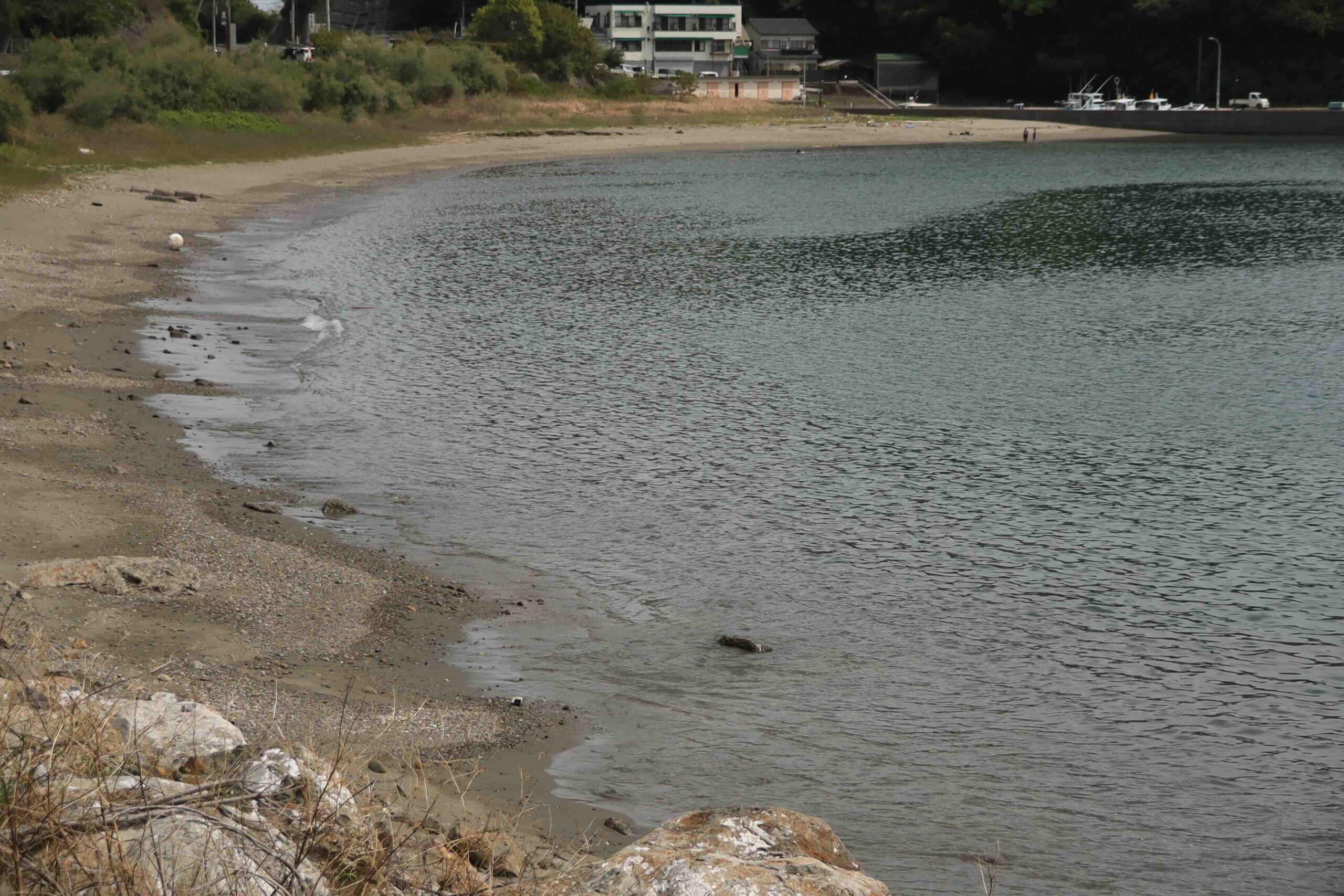
Here is a detail that connects this story to the rest of Kochi history. The art of drying bonito in Tosa is said to have come from castaways. In the Tensho period, more than four hundred years ago, fishermen from Kii, today’s Wakayama, were shipwrecked and came ashore near Usa. A local man named Kamezo learned their method of drying bonito. This is remembered as the beginning of Tosa bushi. It is striking that Usa, the same town from which the boy John Manjiro would later set out to sea, owes one of its proudest traditions to shipwrecked sailors as well. In Usa, the sea has always carried knowledge as well as fish.
The Birthplace of Improved Tosa bushi
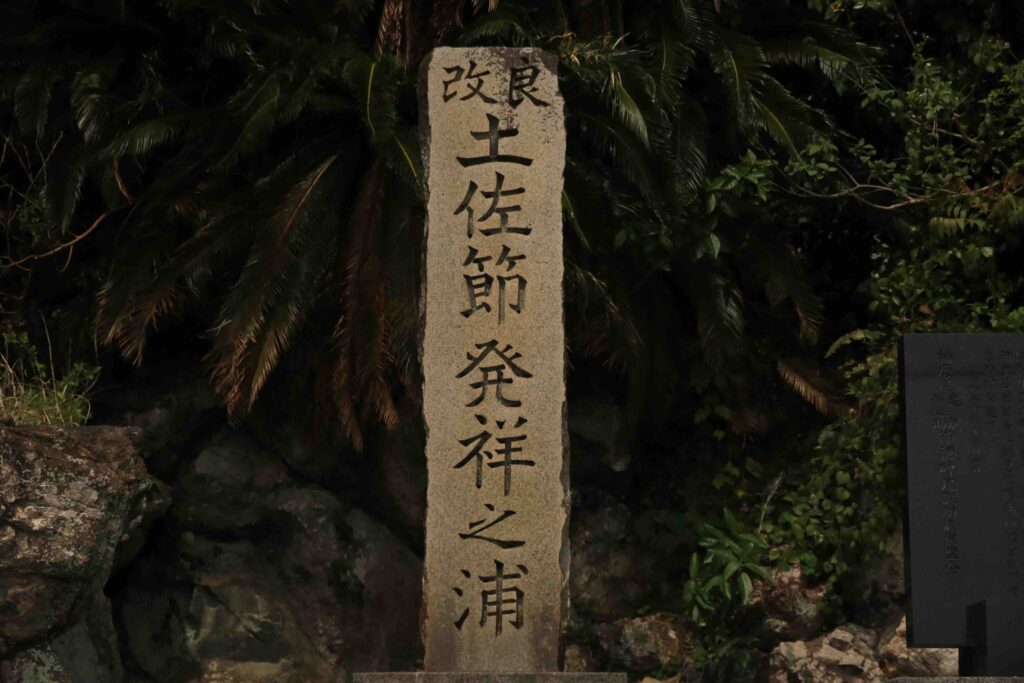
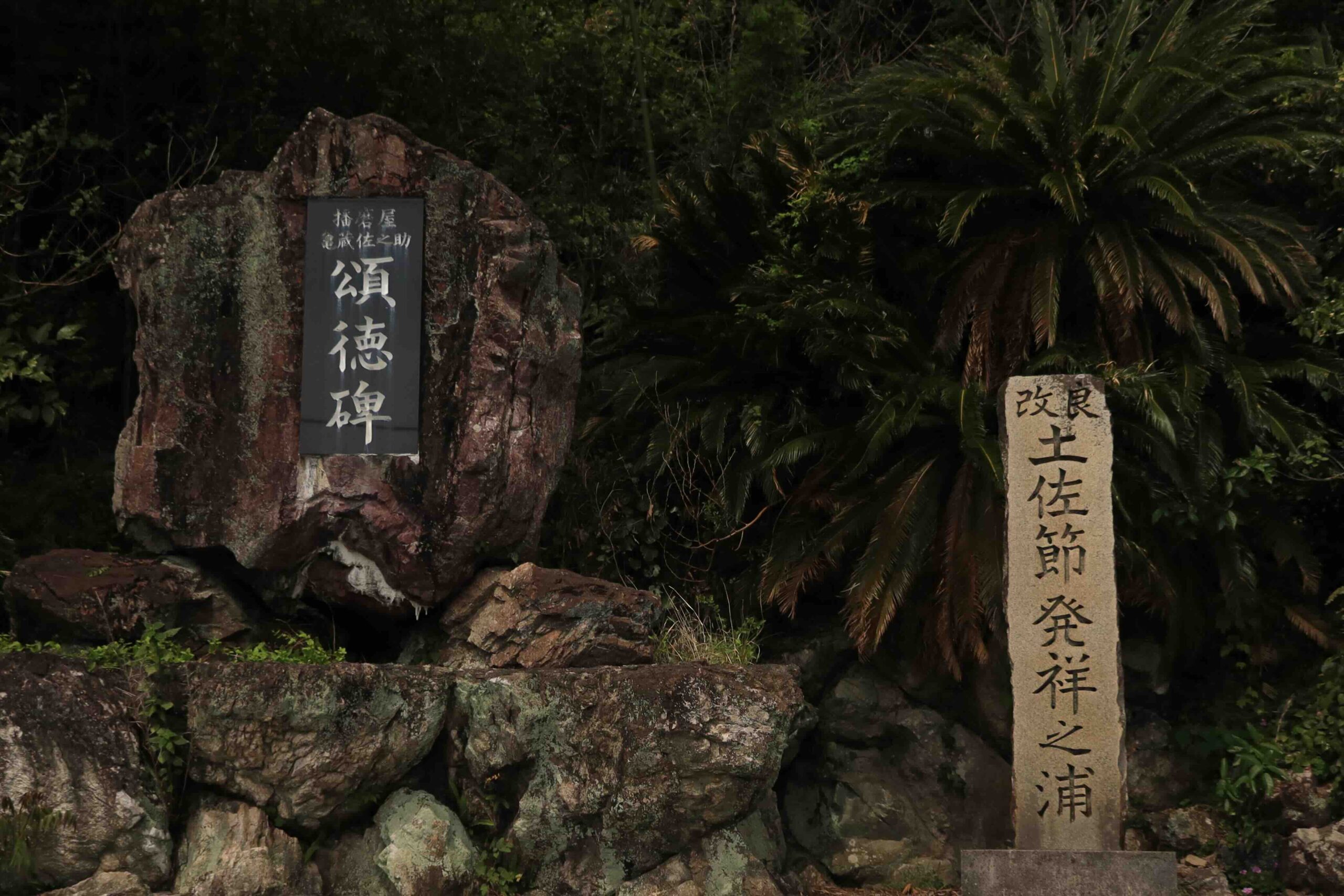
The first dried bonito was good, but the people of Usa made it far better. Over time they improved the method by adding careful smoking, called baikan, and then a special step of growing a helpful mold on the surface of the dried fish. This mold ripens the bonito, removes moisture, and deepens the flavor. The result was called improved Tosa bushi. This smoking and mold method is still the basis of the finest dried bonito made in Japan today. Because of this, Usa is honored as the birthplace of improved Tosa bushi, and a stone monument stands there to mark it.
A Monument to a Quiet Craft
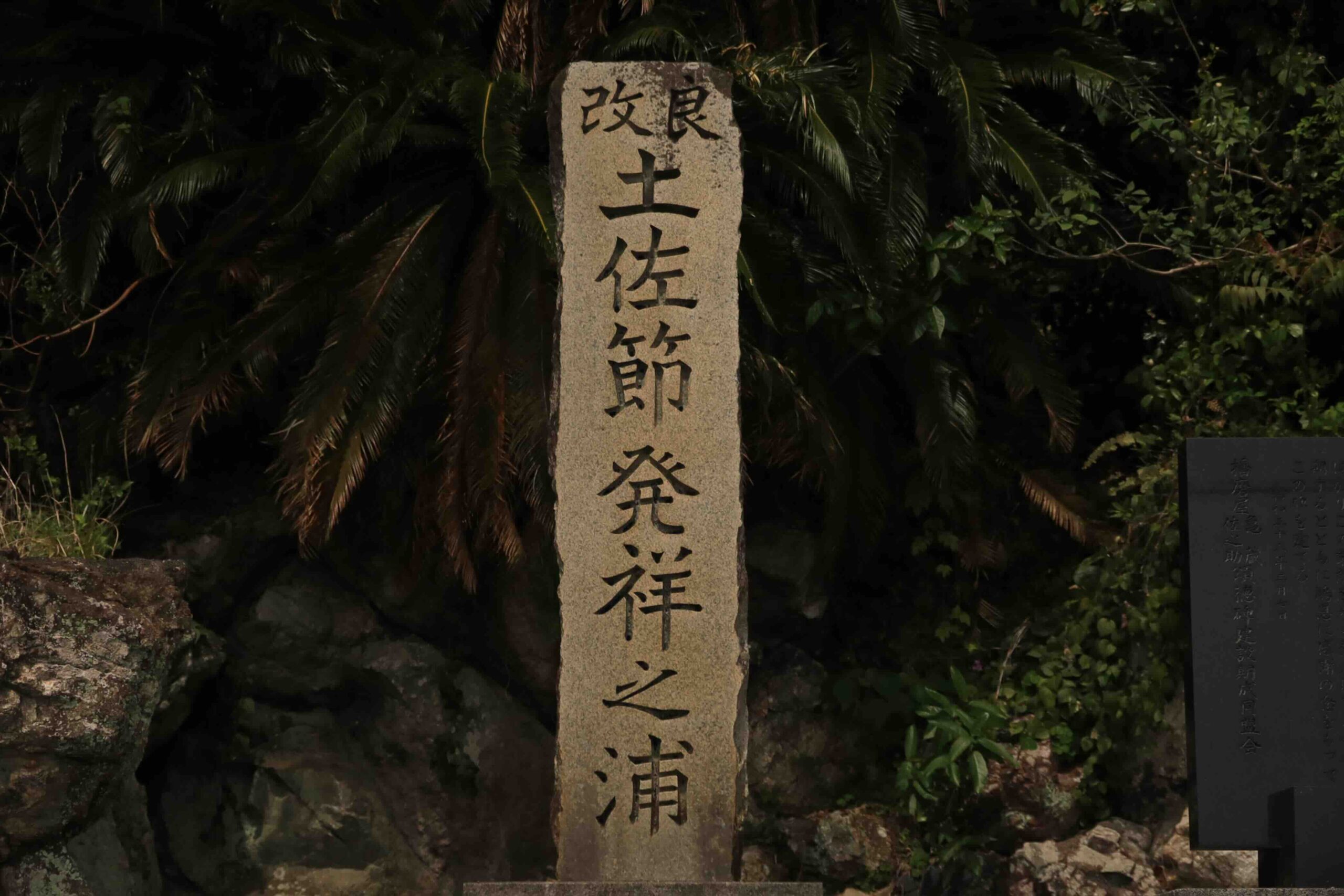
At the monument site you will find a tall marker that reads, in Japanese, the cove where improved Tosa bushi was born. Beside it stands a memorial stele that honors Kamekura, the man who first learned the craft. These are not grand tourist attractions. They are simple stones in a working fishing town. But for anyone who loves food, or who enjoys the quiet kind of history, standing here is special. You are at the very spot where a humble fishing village helped shape the taste of an entire country.
How Tosa bushi Is Made
Making dried bonito is slow and patient work. The fresh fish is cut and gently simmered. Then it is smoked over wood again and again, over many days, until it becomes hard and dark. For the highest grade, the bonito is then left to grow a fine mold, dried in the sun, and given mold again, a cycle that can repeat several times over months. The finished block, called honkarebushi, is so hard and dry that it keeps for a very long time. When it is shaved, it releases a deep, smoky, savory aroma that is the soul of Japanese dashi.
Usa, a Town of the Sea
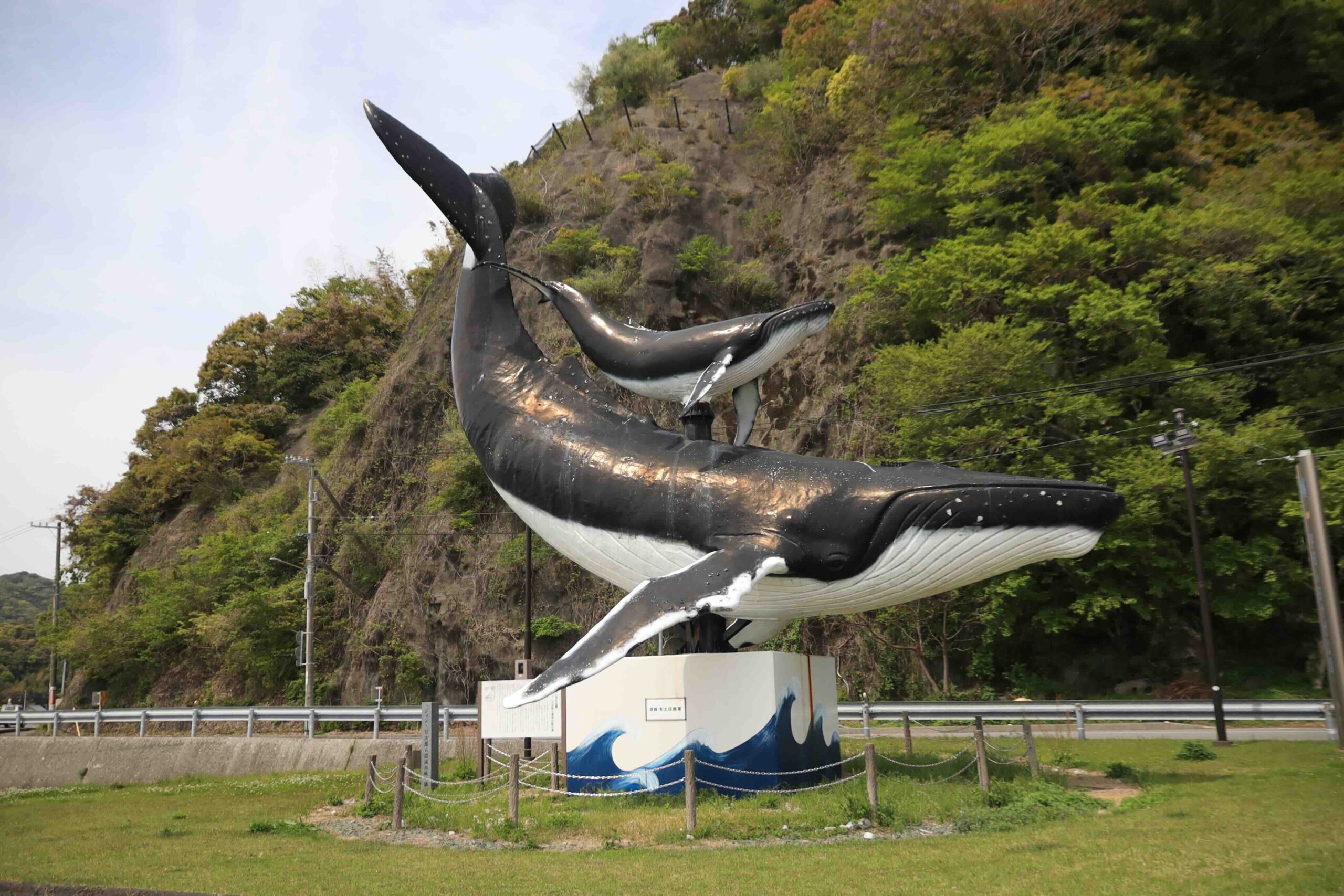
Usa is still a true fishing town. Boats come and go from the harbor, and the connection to bonito runs deep. The waters off Kochi have long been rich with bonito and with larger sea life too. Near the coast you can even find a whale monument, a reminder that the people here have always lived from the bounty of the Pacific. Walking through Usa, with the smell of the sea and the sound of the boats, you can feel how a place like this could give birth to a craft loved across Japan.
How to Taste This History
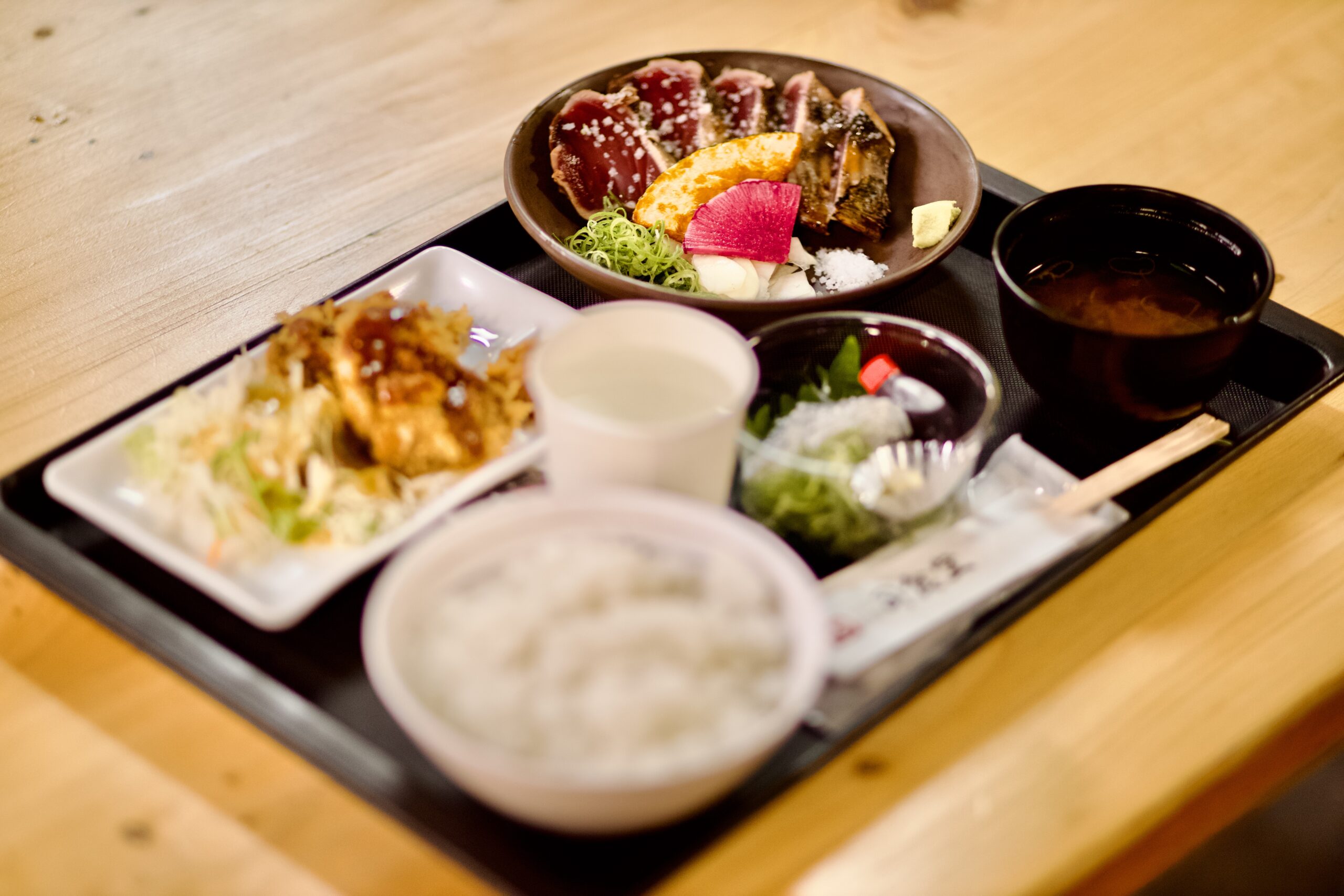
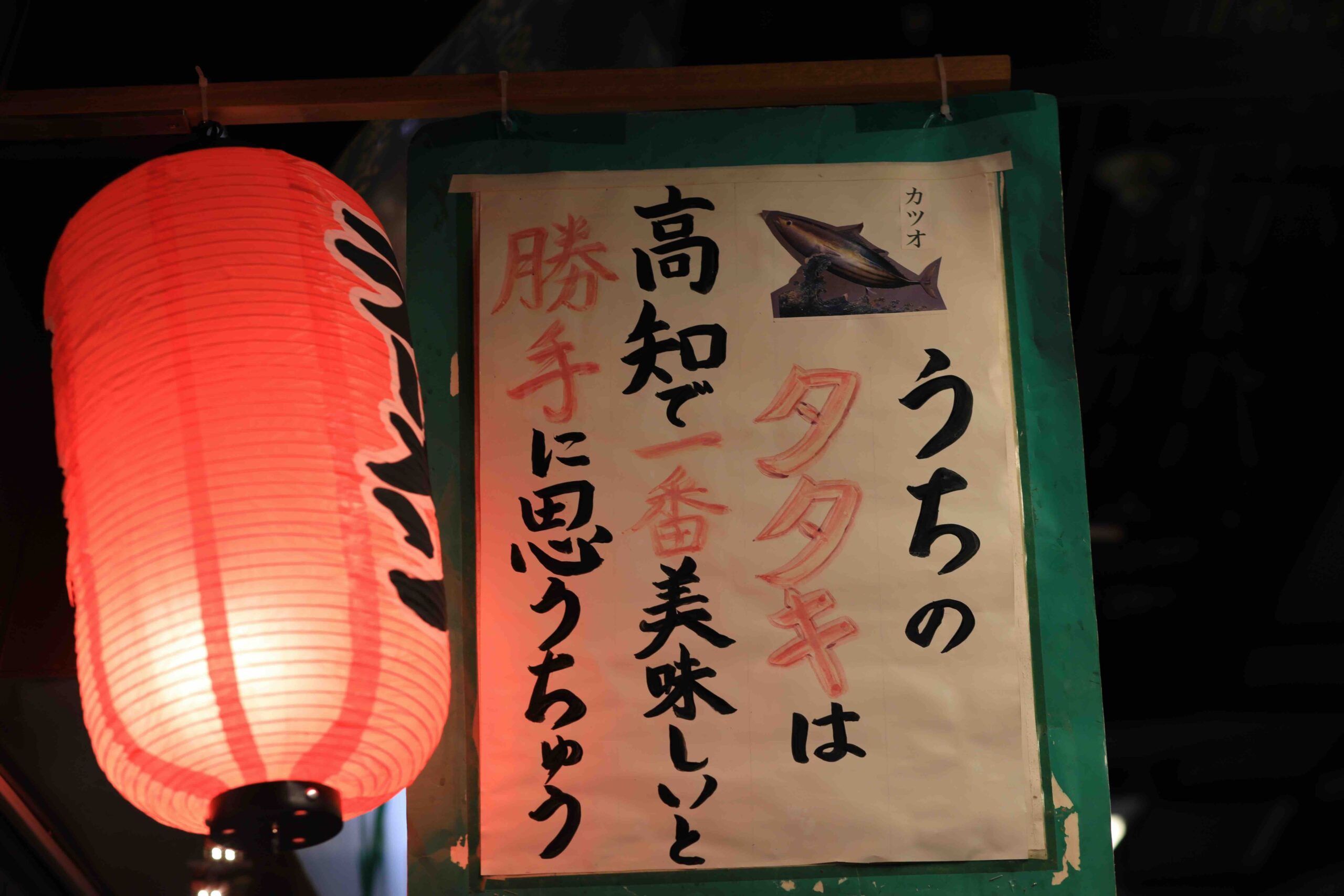
You do not need to eat a block of dried bonito to enjoy this story. The flavor of Tosa bushi is all around you in Kochi. It is in the dashi of a bowl of soup, in the flakes sprinkled over local dishes, and in the smoky edge of katsuo no tataki at Hirome Market. Some shops in Kochi sell beautiful blocks and bags of dried bonito flakes that make a light and easy souvenir. When you taste deep, savory flavor in Japanese food, there is a good chance that a craft born here in Usa is part of the reason.
Two Famous Foods From One Fish
It is interesting that the same fish gave Kochi two very different treasures. Katsuo no tataki is all about freshness, the bright taste of bonito seared over fire and eaten right away. Tosa bushi is the opposite. It is about patience, time, and preserving flavor for the future. One is fast and the other is slow, yet both come from the deep bond between the people of Kochi and the bonito of the Pacific. Tasting both on the same trip is a wonderful way to understand the food culture of this coast.
Perfect for Cruise Ship Passengers
Usa is on the coast about forty minutes from the Kochi cruise terminal, on the way toward the Yokonami coast and the Niyodo River. It makes a lovely stop for travelers who enjoy food culture and quiet, real places rather than crowds. I will pick you up directly from the cruise terminal, and transportation is included as part of the guided tour. If you would like, I can also bring you to Hirome Market in the city to taste katsuo no tataki, so you can connect the history of Tosa bushi to the food on your plate.
See the Bonito Smokehouse and Sake Tour →
Related Reading
Usa is also where the famous castaway John Manjiro set out to sea. You can read his story, and the wider story of Kochi and the ocean, in our series Tosa and the Sea.
Plan Your Day in Kochi
If you are arriving in Kochi by cruise ship, I would love to show you my hometown in person. Book directly on this website and get a 10% lower price than other tour sites, with no payment until your plan is confirmed and a schedule planned around your ship’s departure time.