
John Manjiro: The Castaway Boy Who Opened a Door to the World
Part 2 of the series Tosa and the Sea: how the people of Kochi helped open and change Japan.
In our first story, the sailor Nomura Chohei survived for years on the lonely island of Torishima. About fifty years later, a fourteen year old fisherman from Tosa was shipwrecked on the same island. His name was Manjiro, and the world he found after his rescue would change not only his own life but the future of Japan. Today we know him as John Manjiro.
A Poor Fisherman Boy From Tosa
Manjiro was born in 1827 in the small fishing village of Nakanohama, near Tosa Shimizu on the southern tip of Kochi. His family was poor, and after his father died, young Manjiro worked to help feed them. He had no schooling and could not read or write. In 1841, when he was just fourteen, he went out to sea with four local fishermen. A storm caught their small boat and carried them far from land, just as it had carried Chohei half a century before. After days adrift, they came ashore on Torishima, the same empty bird island.
Rescued by an American Ship
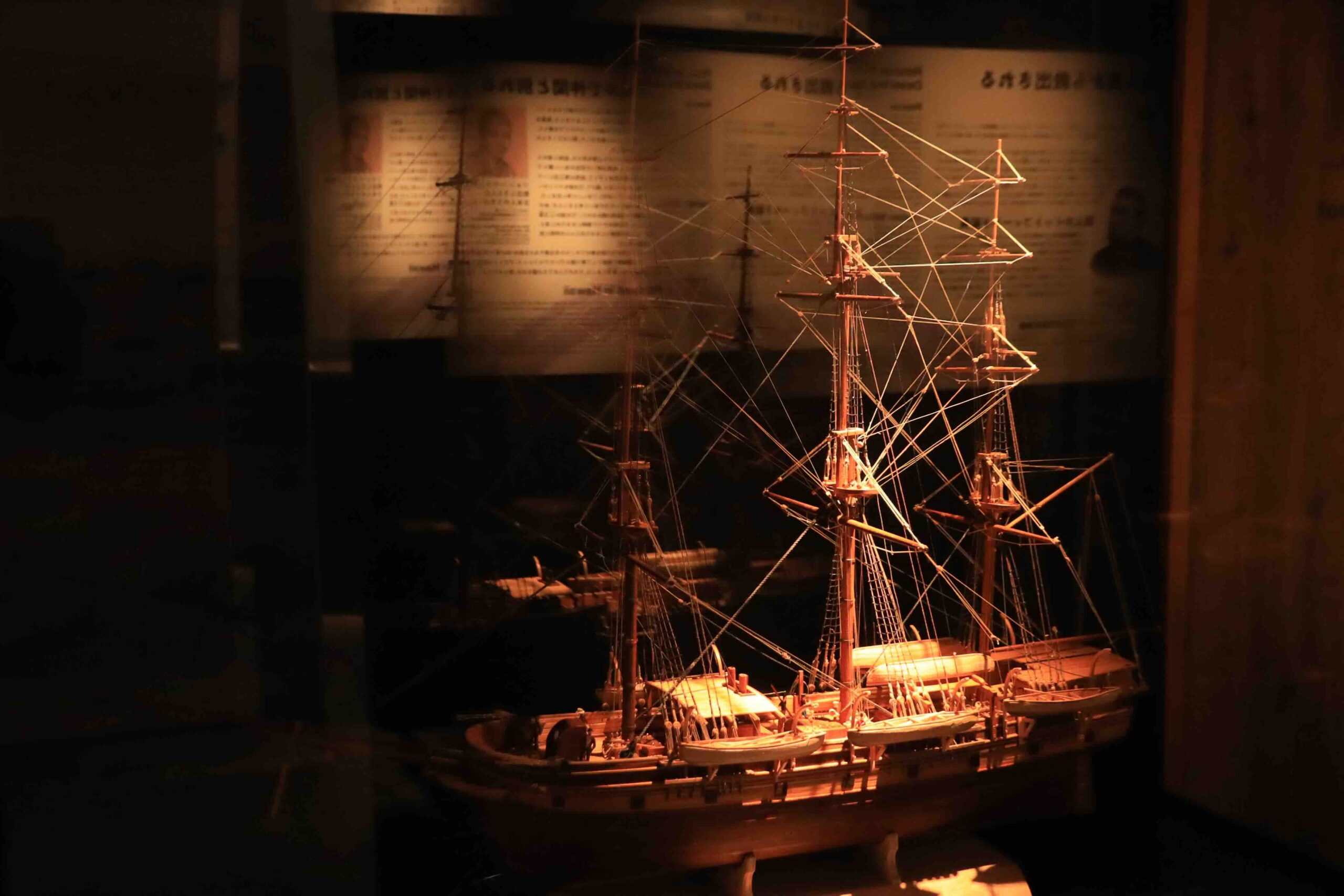
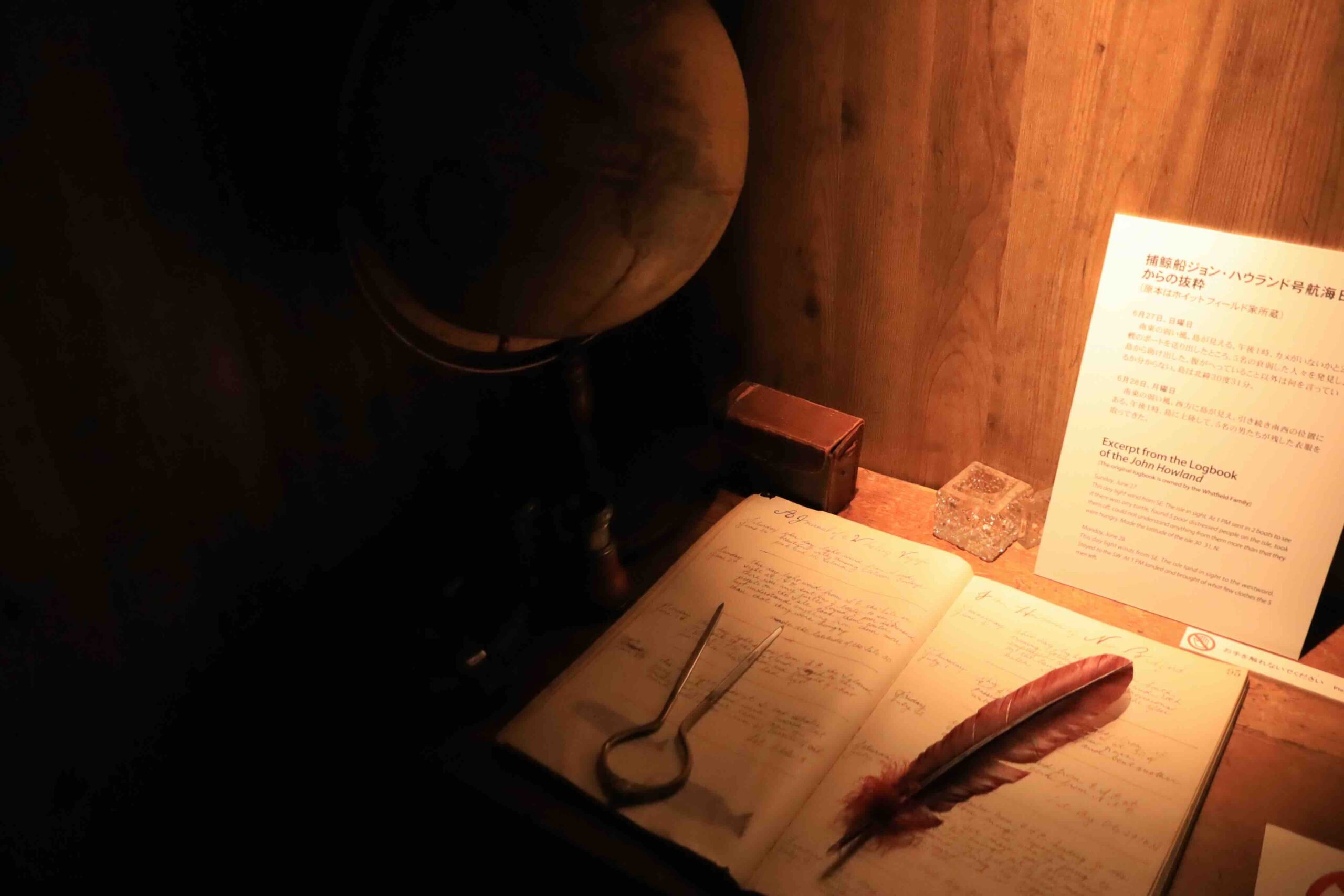
The five castaways survived on the island for about five months. Then something happened that had never happened to Chohei. An American whaling ship, the John Howland, came near the island, and its crew rescued them. The captain, William Whitfield, was a kind man. He saw that young Manjiro was bright and curious, and the two formed a strong bond. The other fishermen were later taken to Hawaii, but Manjiro chose to sail on with Captain Whitfield, all the way across the Pacific to the United States.
The First Japanese to Live in America
Captain Whitfield took Manjiro to his home town of Fairhaven, in Massachusetts. There Manjiro went to school, something that would have been impossible for a poor fisherman in Japan. He learned English, mathematics, navigation, and ship building. He became one of the best students in his class. At a time when Japan was closed to the outside world and almost no Japanese had ever seen the West, Manjiro was living an ordinary American life, going to school and learning skills that very few people in Japan understood.
The Long Way Home
As he grew up, Manjiro never forgot his mother and his home. To earn the money for the long journey back, he even joined the California gold rush for a time. Returning to Japan was dangerous, because the country was still closed and people who left were not supposed to come back. In 1851, after ten years away, Manjiro finally returned to Japan through the Ryukyu islands. He was questioned closely by the authorities, who could hardly believe his story.
The Man Who Helped Open Japan
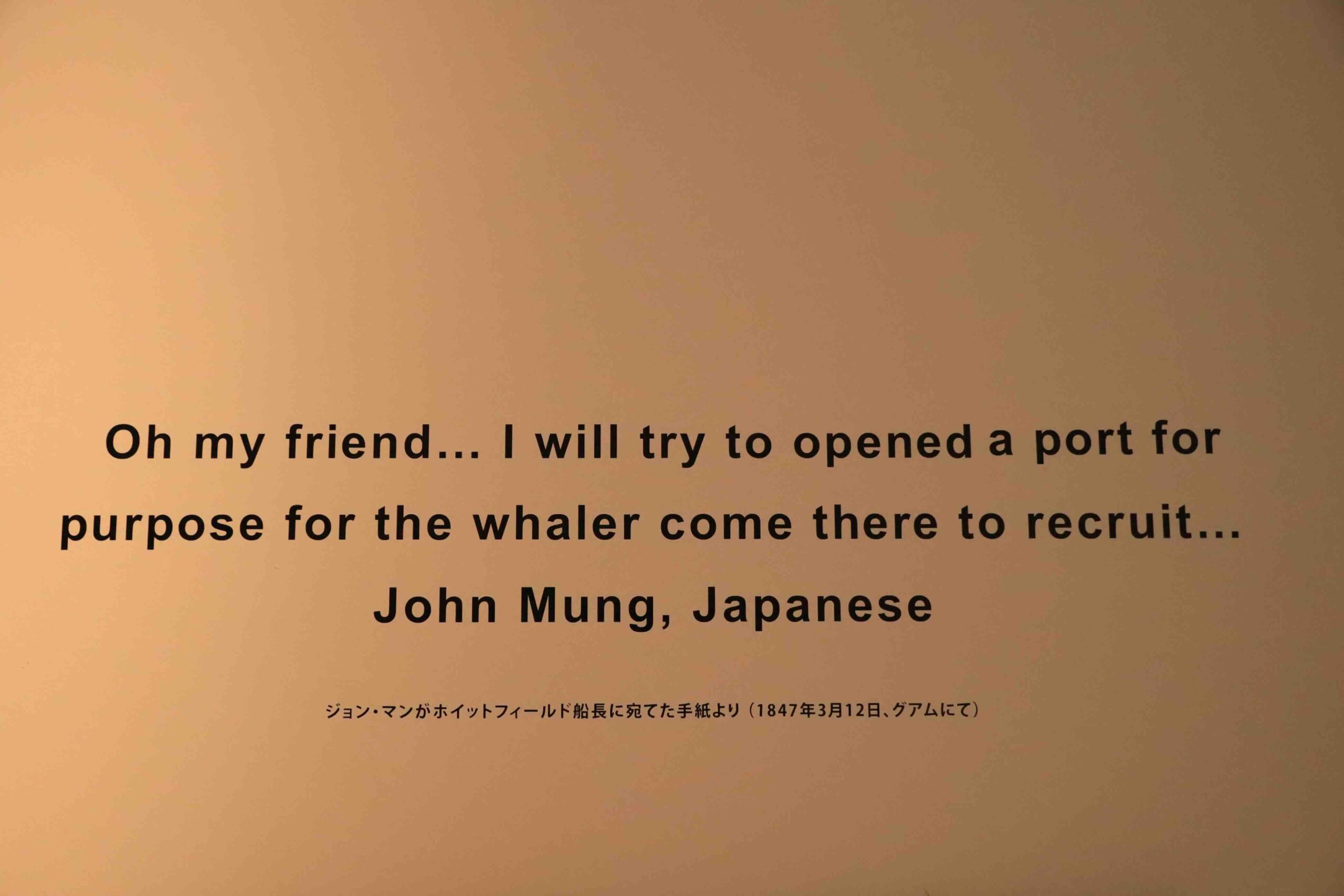
Manjiro came home with something Japan badly needed, real knowledge of the wider world. Just two years later, American ships under Commodore Perry arrived and forced Japan to open its doors. Suddenly a man who spoke English and understood the West was incredibly valuable. Manjiro was made a samurai, took the family name Nakahama, and helped his country deal with the foreigners. He worked as a translator, taught English and navigation, wrote an early English study book, and in 1860 he sailed back across the Pacific on a Japanese ship as part of an official mission. The poor fisherman boy had become one of the most important bridges between Japan and the world. He died in 1898.
Where to Feel His Story
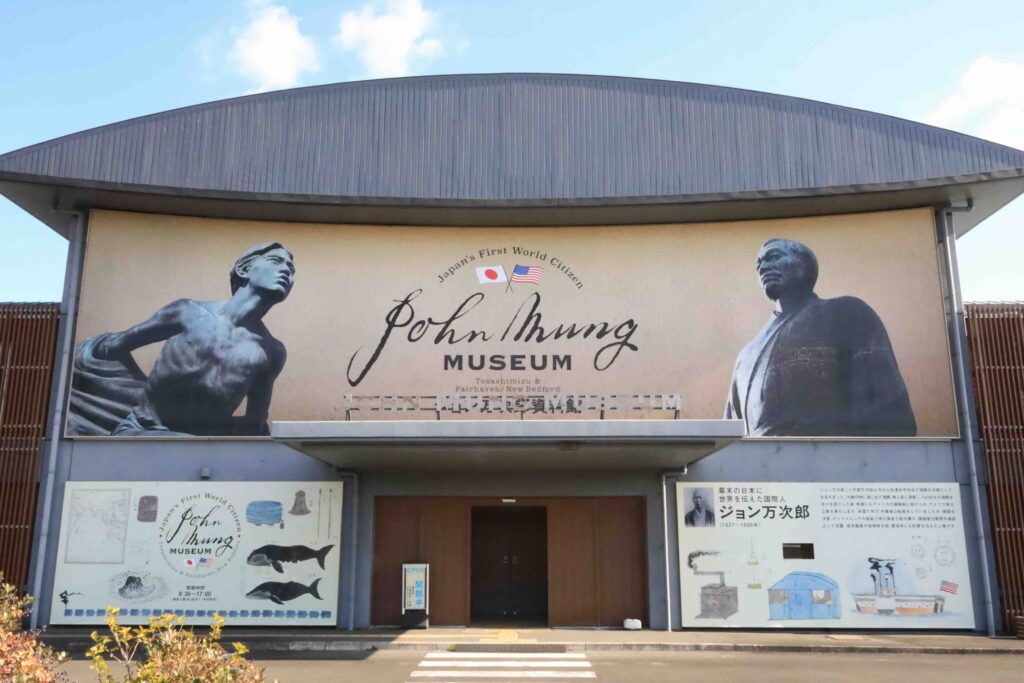
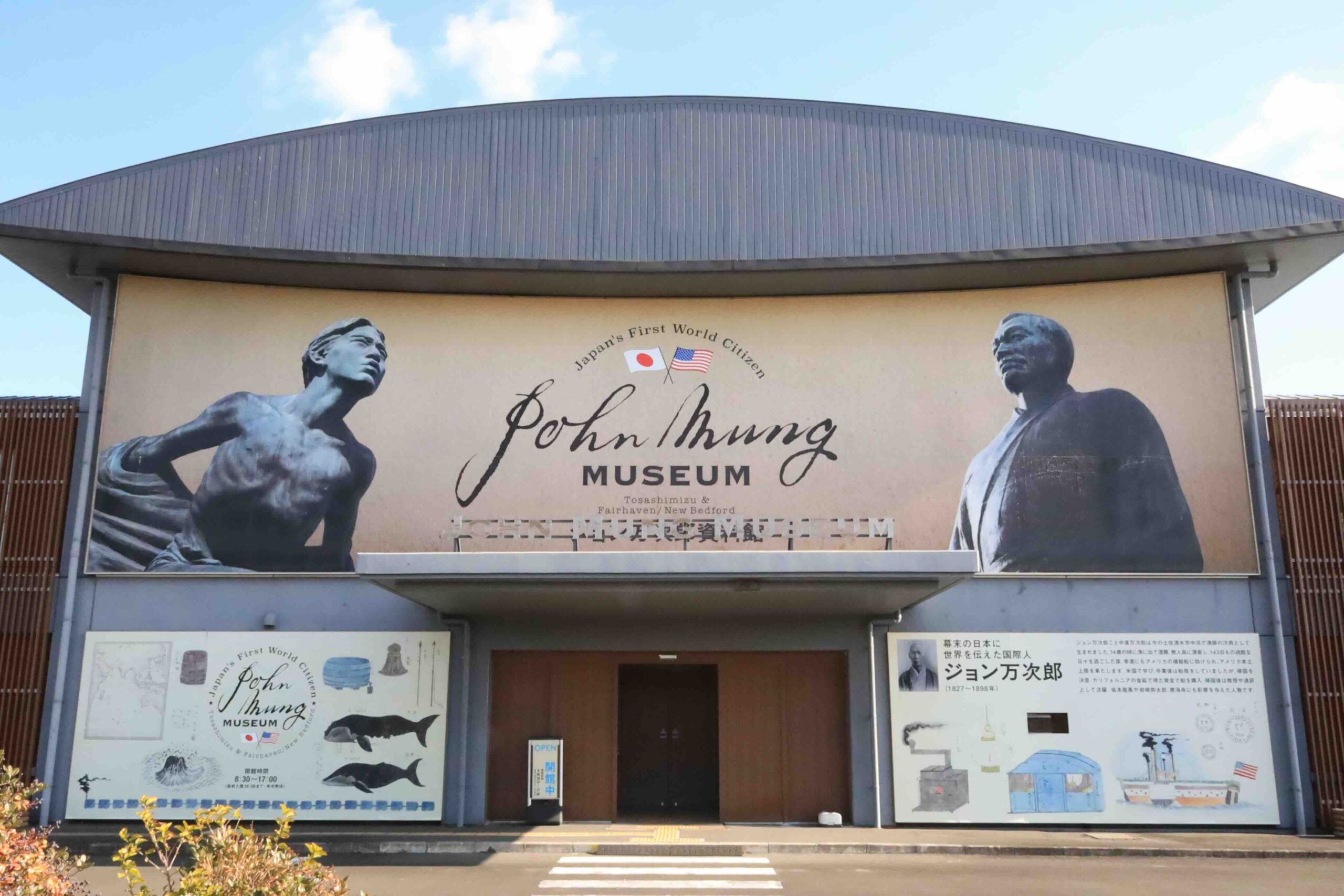
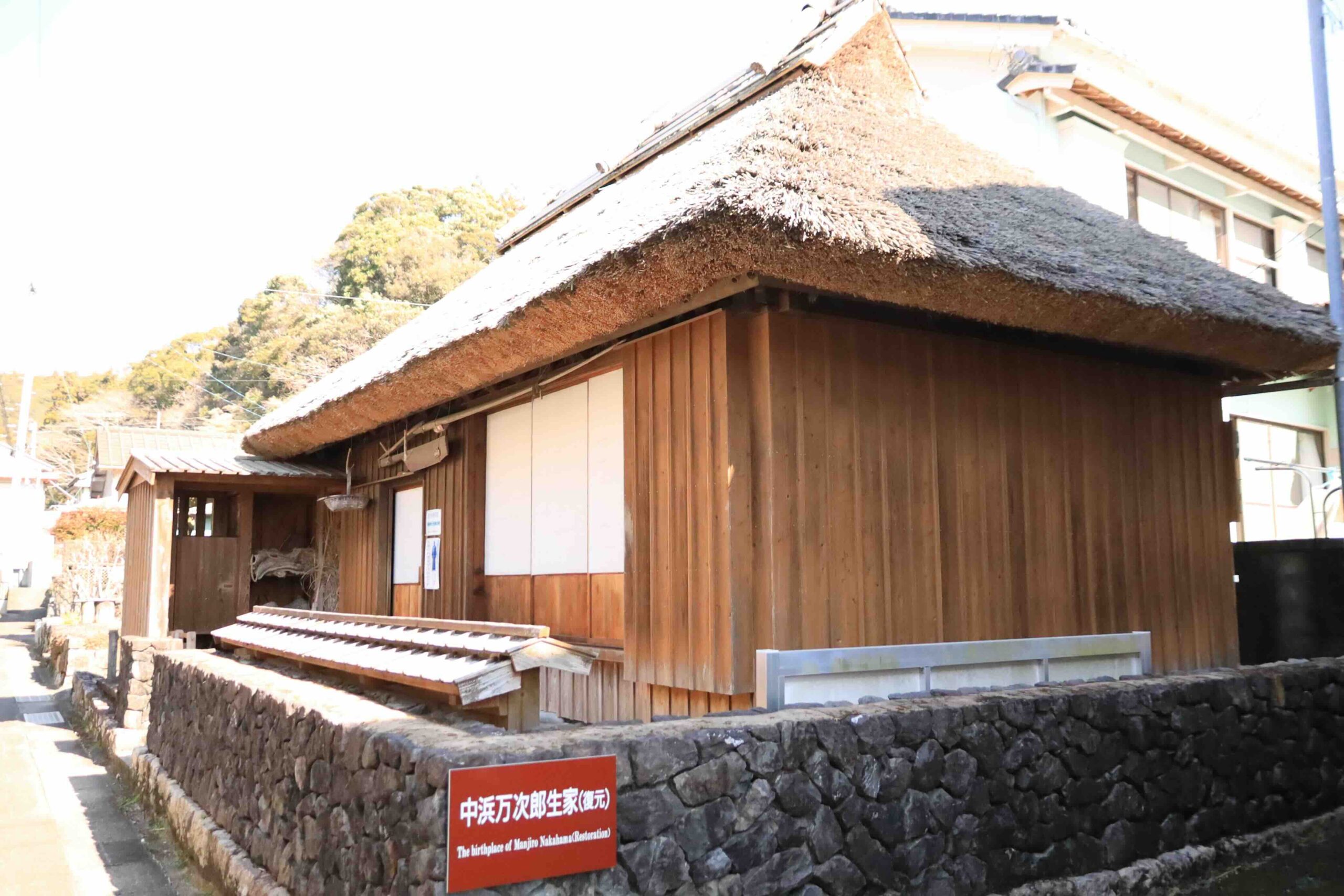
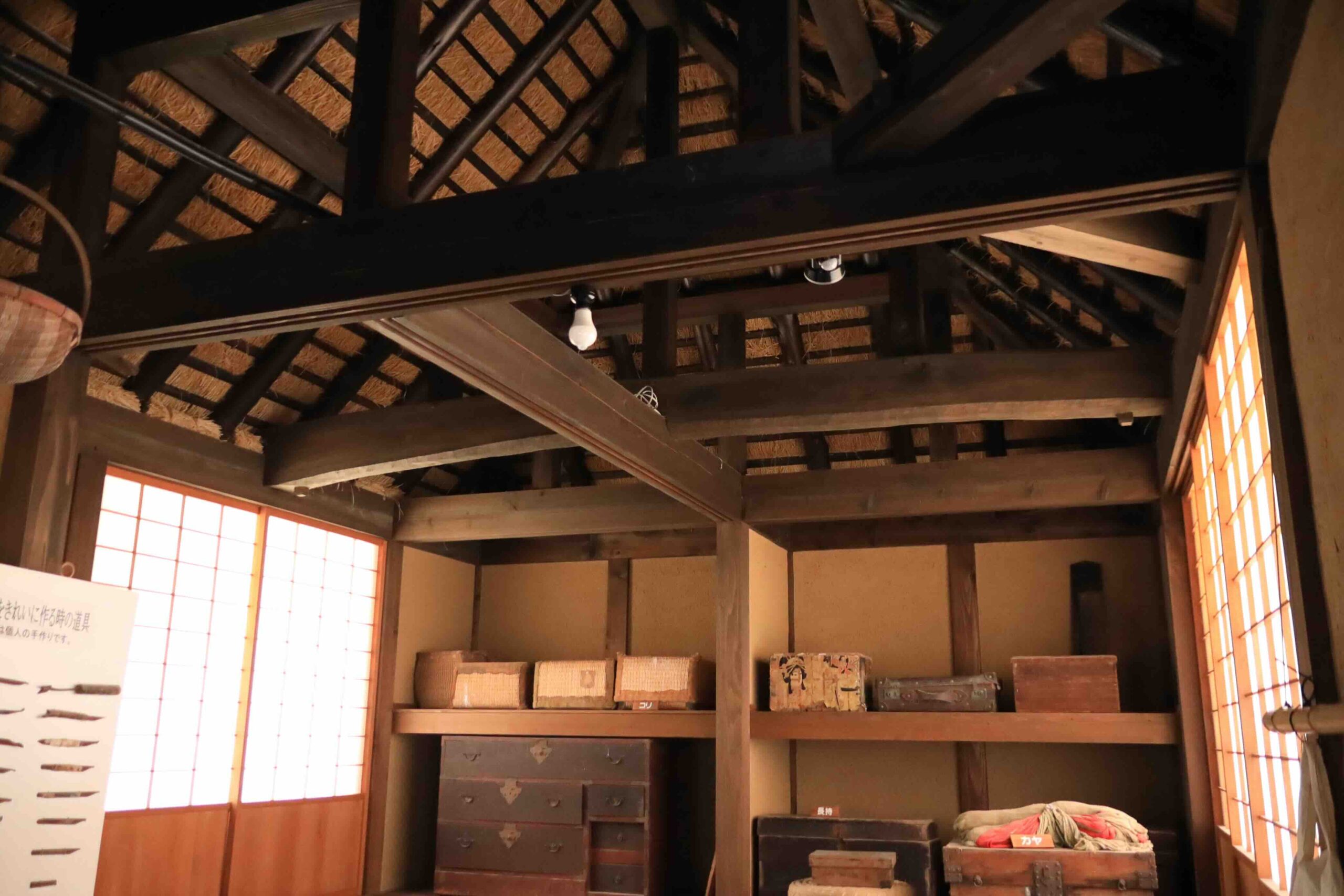
The story of John Manjiro is told at the John Mung Museum in Tosa Shimizu, a modern museum near where he was born. Nearby you can also visit a small reconstruction of his humble birthplace. Standing in that simple home, it is hard to believe that a boy from here crossed the ocean, lived in America, and came back to help change his country. His life is proof that one curious and brave person can make a difference.
A Friendship That Crossed the Ocean
One of the most moving parts of Manjiro’s story is his friendship with Captain Whitfield. A foreign sea captain took in a shipwrecked Japanese boy, treated him like family, and gave him an education. That kindness was never forgotten. Long after both men had died, their families kept the bond alive, and the city of Tosa Shimizu and the town of Fairhaven in America became sister cities. Even today, people from the two towns visit each other in memory of the captain and the fisherman boy. It is a reminder that Manjiro’s life was not only about big history. It was also about simple human kindness between two people from very different worlds, and that kindness helped carry new ideas back to Japan at just the right moment in time.
A Note for Cruise Passengers
Tosa Shimizu and the John Mung Museum are at the far southwest of Kochi, around two and a half to three hours by car from the Kochi cruise terminal. For most cruise visits this is too far for a single day in port, so the museum suits travelers staying in Kochi longer. If your time is short, you can still meet Manjiro in Kochi City, where his story is shown at the Sakamoto Ryoma Memorial Museum near Katsurahama. I am happy to plan a day that fits your time and your interests, with door to door service from the cruise terminal.
See the John Manjiro Shore Excursion →
The Full Series: Tosa and the Sea
This is part of a five part series about the people of Kochi, the old land of Tosa, who helped connect Japan to the world and change its future.
- Part 1. Nomura Chohei: The Tosa Sailor Who Survived a Desert Island
- Part 2. John Manjiro: The Castaway Boy Who Opened a Door to the World (you are here)
- Part 3. The Four Fishermen of Usa: The Companions of John Manjiro
- Part 4. Sakamoto Ryoma and Kawada Shoryo: How Knowledge of the World Reached Tosa
- Part 5. Iwasaki Yataro: The Tosa Boy Who Built Mitsubishi
- Part 6. Itagaki Taisuke: The Tosa Man Who Said Liberty Never Dies