
Sakamoto Ryoma and Kawada Shoryo: How Knowledge of the World Reached Tosa
Part 4 of the series Tosa and the Sea: how the people of Kochi helped open and change Japan.
So far our series has followed the sea: the castaway Chohei, the boy Manjiro, and the four fishermen of Usa. Now the story moves from the ocean to ideas. When Manjiro came home with knowledge of the wider world, that knowledge did not stay locked inside one man. It was written down by a Tosa painter named Kawada Shoryo, and through him it reached a young samurai who would help change Japan: Sakamoto Ryoma.
The Painter Who Listened to a Castaway
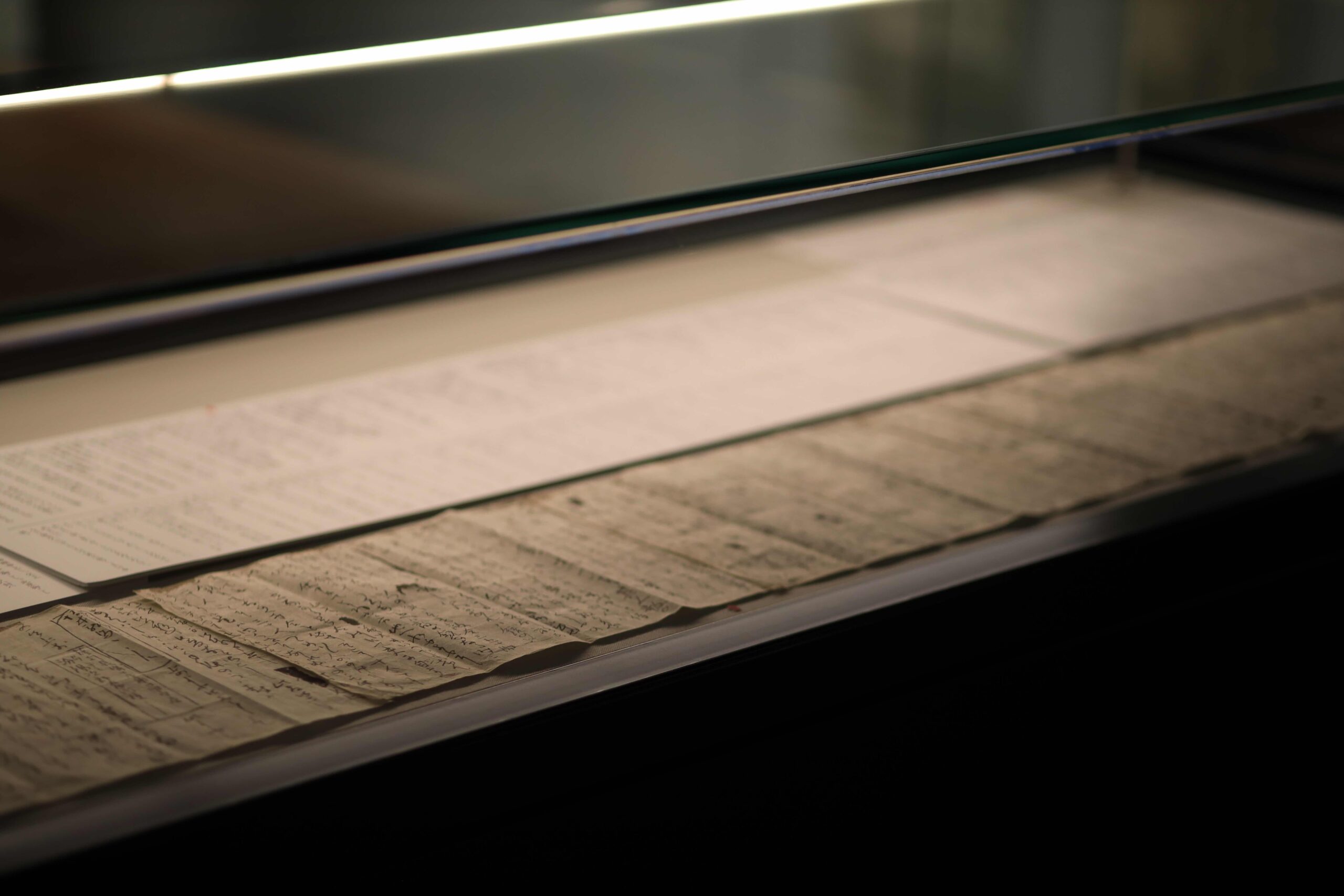
When John Manjiro returned to Japan in 1851, the Tosa domain needed to understand his strange and valuable story. They asked a local painter and scholar named Kawada Shoryo to host Manjiro and write down everything he had seen. Kawada listened carefully and recorded Manjiro’s account of America and the world in an illustrated work called Hyoson Kiryaku, finished in 1852. It described foreign ships, foreign customs, and ideas that almost no one in Japan had heard of. Kawada was not just copying words. As an artist and a thinker, he understood how important these ideas were.
A Young Samurai Comes to Learn
Kawada Shoryo also ran a small private school in Kochi. According to local tradition, a young Tosa samurai named Sakamoto Ryoma came to visit him in the early 1850s. At that time many young samurai believed Japan should simply drive out all foreigners. But it is said that Kawada taught Ryoma a different lesson: that Japan could not fight the world with old swords and closed doors. To stand as an equal among nations, Japan would need large ships and skilled people who understood the sea and the wider world. For Ryoma, this was a turning point in how he saw his country.
An Important Point About History
It is worth being honest about what we know. There is no firm historical record that Sakamoto Ryoma and John Manjiro ever met face to face. The link between them was indirect. It was Kawada Shoryo who gathered Manjiro’s knowledge and passed its spirit on to Ryoma and others. In other words, the painter was the bridge. This makes Kawada Shoryo a quiet but very important figure. Without people like him to record and share new ideas, the knowledge that castaways brought home might have been lost.
What Ryoma Did With These Ideas
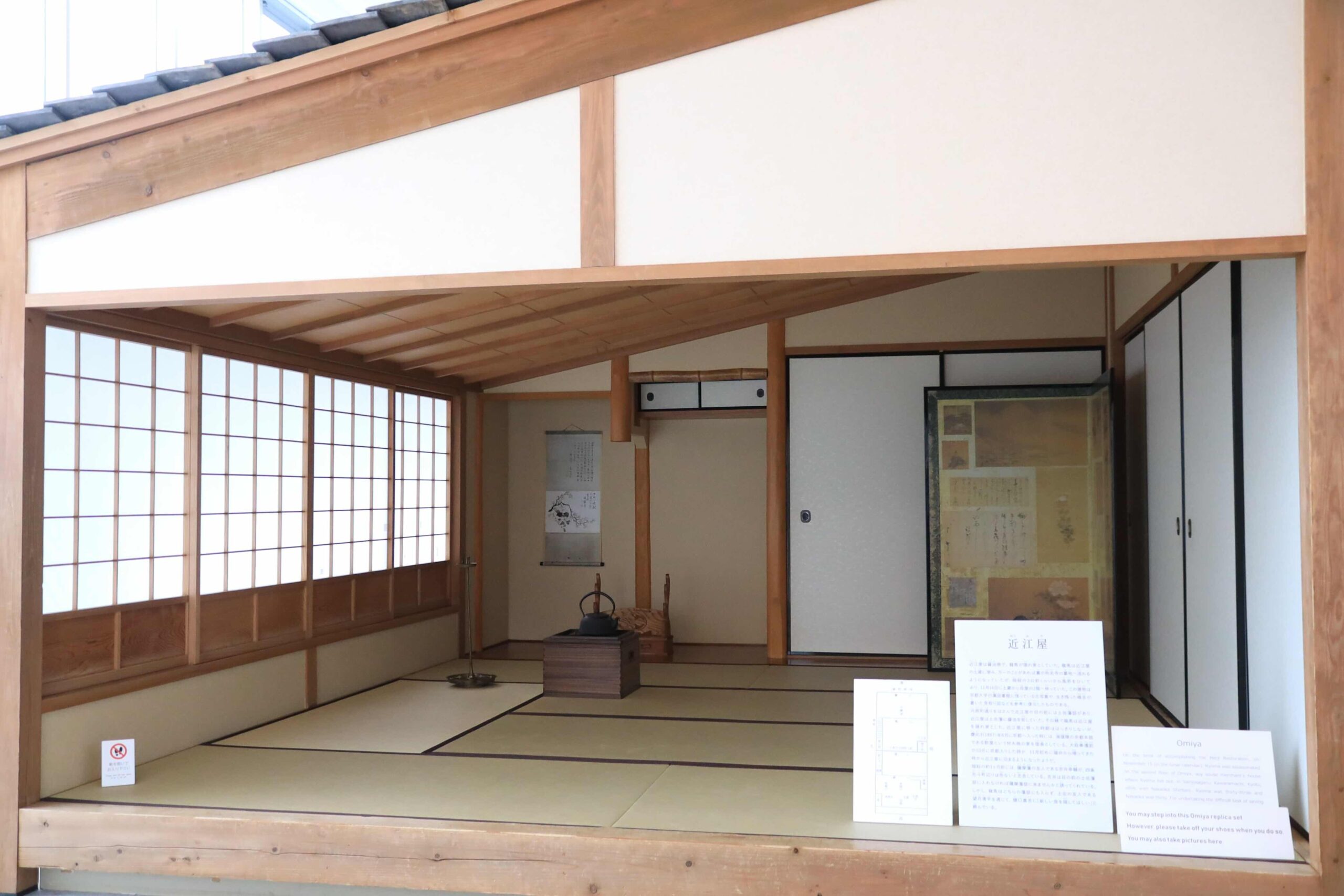
Ryoma took the idea of a Japan that could meet the world on equal terms and carried it much further. He left his home domain to work for change across the country. He helped two great rival domains, Satsuma and Choshu, to join hands against the old government. He started one of Japan’s first modern trading and shipping companies, putting into practice the very idea of ships and skilled crews that he had learned about as a young man. His work helped bring about the return of power to the Emperor in 1867. Sadly, Ryoma was killed in Kyoto that same year, at only 31, just before the new era he had worked for began.
Where to See Their Story
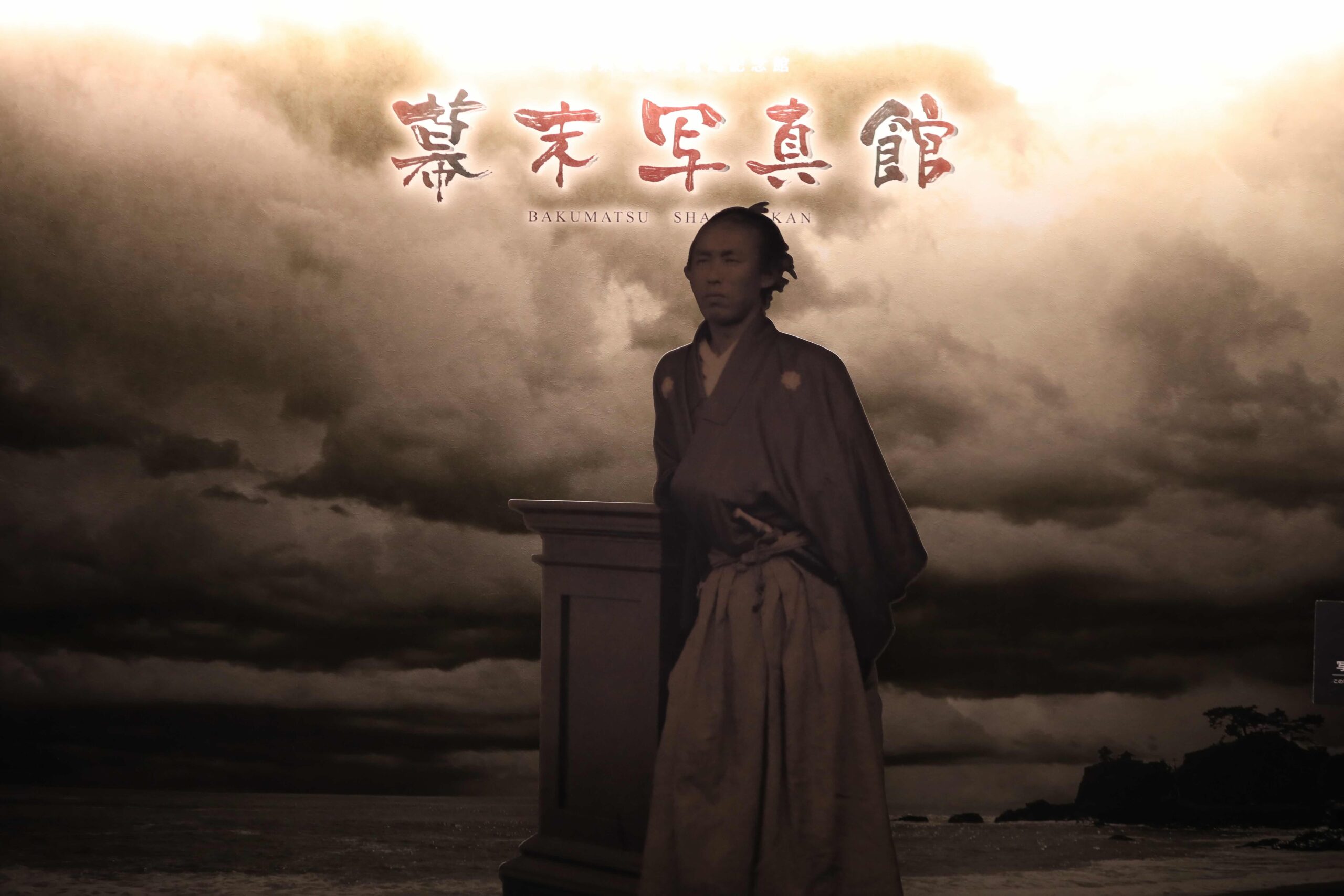
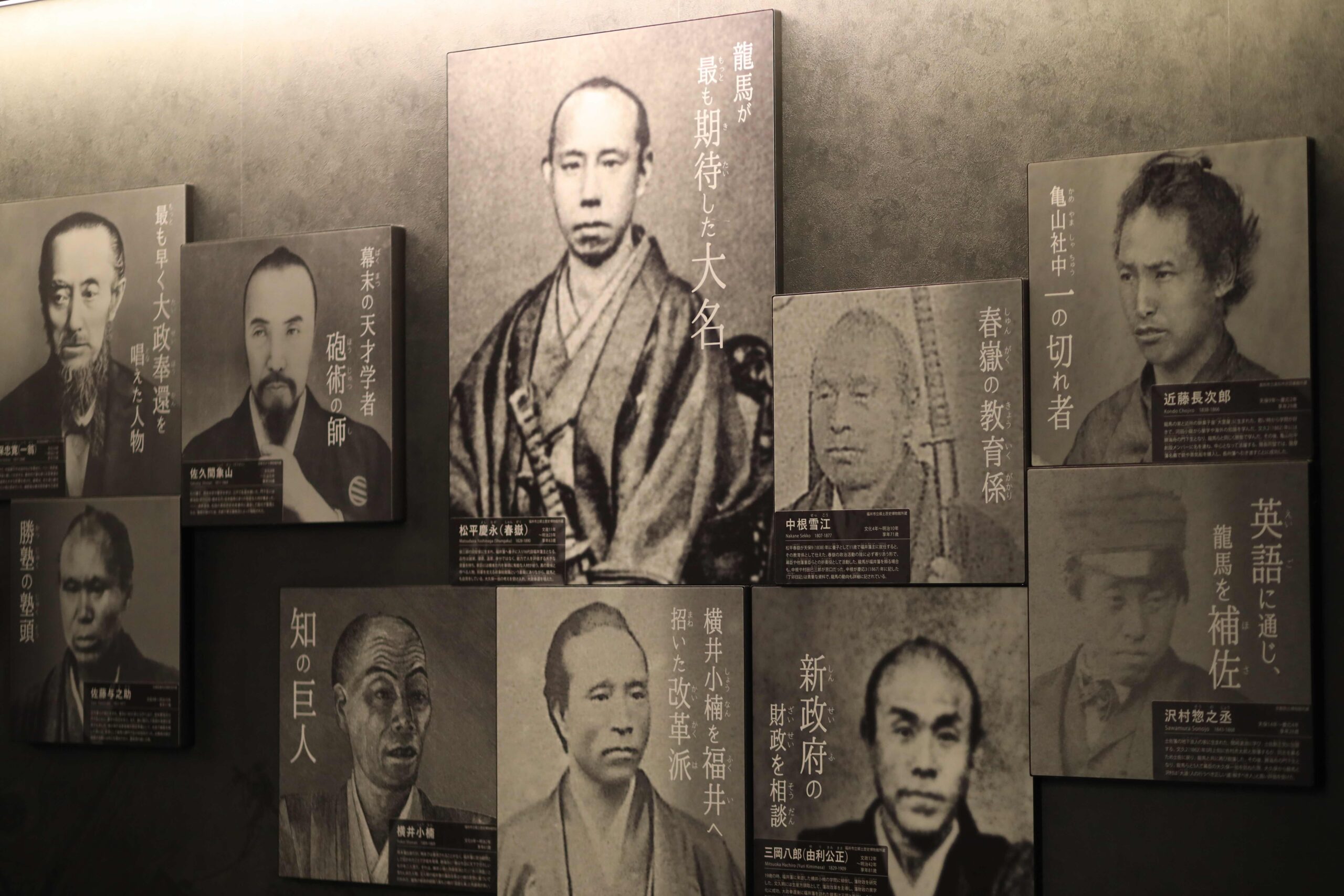
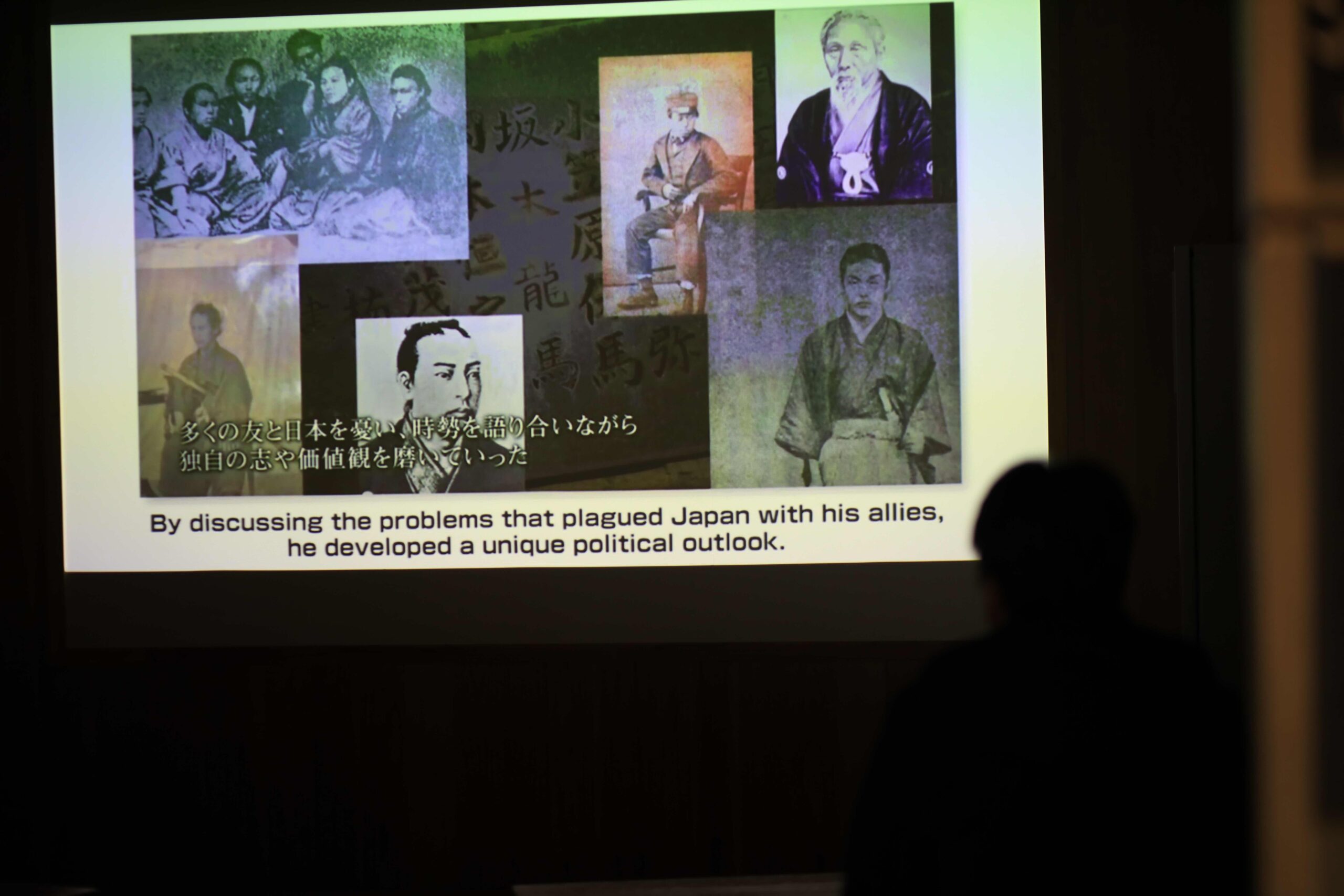
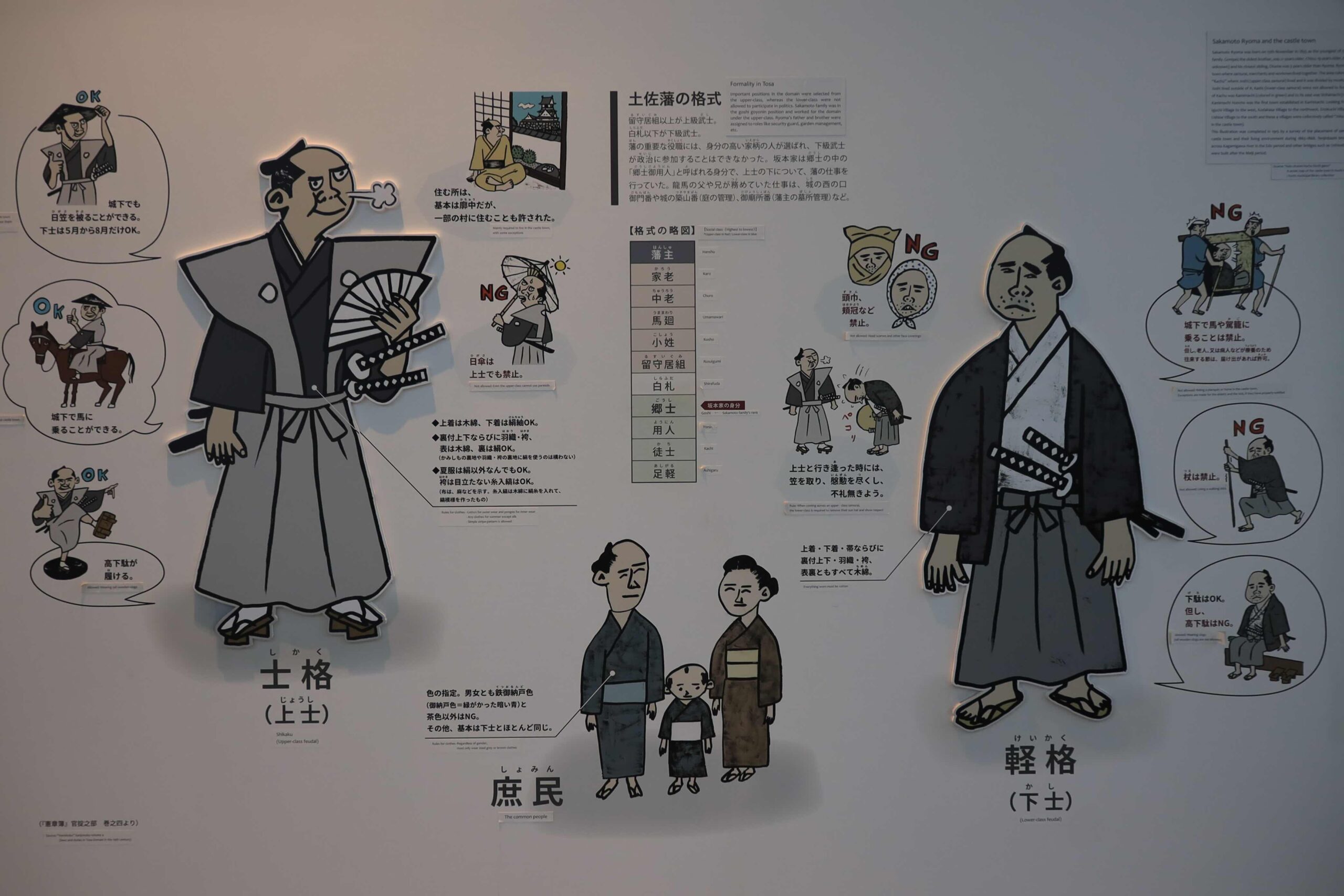
The Sakamoto Ryoma Memorial Museum stands on the headland above Katsurahama Beach, only a short drive from the Kochi cruise terminal. Fittingly, the museum also has a room about John Manjiro, so you can see how the two stories connect in one place. From the upper levels you look out over the same Pacific Ocean that carried Manjiro away and brought his knowledge home. It is a perfect place to feel how the sea, a castaway, a painter, and a young samurai are all part of one larger story.
Who Was Kawada Shoryo?
Kawada Shoryo is far less famous than Ryoma, but he deserves to be remembered. He was a skilled painter in the Tosa tradition, and also a curious and open minded scholar. In a closed country, he was one of the people willing to take foreign knowledge seriously instead of fearing it. By recording Manjiro’s story and teaching young people, he helped turn one castaway’s experience into ideas that could spread. Many great changes in history depend on quiet people like this, who listen, write things down, and pass knowledge on to the next person.
From One Story to a Nation
This is the heart of our series. A boy from a poor fishing village was carried across the ocean and came home with new eyes. A thoughtful painter captured what he had learned. A young samurai took those ideas and helped end an entire age of Japanese history. Each person needed the one before. The sea connected Japan to the world, and the people of Tosa helped carry that connection inland and forward in time. In our final part, we follow this spirit of change one step further, into the movement for freedom and people’s rights, led by another son of Tosa named Itagaki Taisuke.
Perfect for Cruise Ship Passengers
The Ryoma Memorial Museum and Katsurahama are only about a 10 to 15 minute drive from the Kochi cruise terminal, which makes this an easy and rewarding history stop in port. I will pick you up directly from the cruise terminal and bring you back to your ship with time to spare. Transportation is included as part of the guided tour, and I can tell these connected stories in simple English so they come to life.
Book the Kochi Highlights Tour →
The Full Series: Tosa and the Sea
This is part of a five part series about the people of Kochi, the old land of Tosa, who helped connect Japan to the world and change its future.
- Part 1. Nomura Chohei: The Tosa Sailor Who Survived a Desert Island
- Part 2. John Manjiro: The Castaway Boy Who Opened a Door to the World
- Part 3. The Four Fishermen of Usa: The Companions of John Manjiro
- Part 4. Sakamoto Ryoma and Kawada Shoryo: How Knowledge of the World Reached Tosa (you are here)
- Part 5. Iwasaki Yataro: The Tosa Boy Who Built Mitsubishi
- Part 6. Itagaki Taisuke: The Tosa Man Who Said Liberty Never Dies