
Nomura Chohei: The Tosa Sailor Who Survived a Desert Island
Part 1 of the series Tosa and the Sea: how the people of Kochi helped open and change Japan.
The people of Kochi have always lived with the sea. The warm Kuroshio current runs close to this coast, bringing fish, weather, and sometimes great danger. This five part series follows a chain of people from Kochi, the old land of Tosa, whose lives were shaped by that ocean and who helped change the future of Japan. The story begins with a sailor named Nomura Chohei, a man who survived something almost impossible.
A Sailor From Tosa
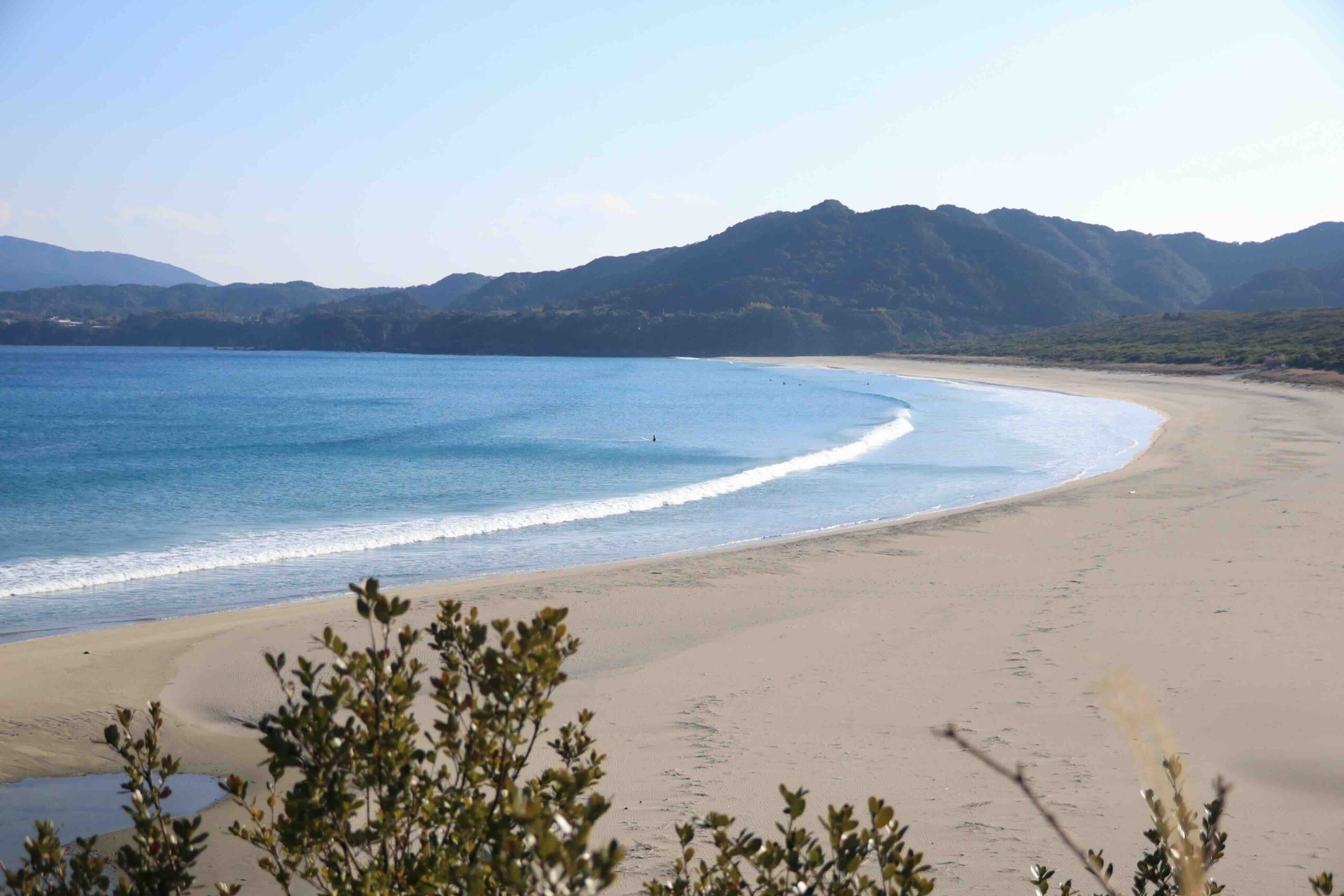
Nomura Chohei was born in 1762 in the village of Kishimoto, in what is now Konan City, a little east of Kochi City. He worked as a sailor, moving goods by boat along the coast. This was normal work in old Tosa, where the mountains come close to the sea and boats were often faster than roads. In early 1785, Chohei was sailing home after carrying a load of rice when a strong winter storm caught his small ship.
Lost on the Kuroshio Current
The storm broke the rudder and the mast, and the ship could no longer be steered. It was pushed out to sea and carried by the powerful Kuroshio current, far from land. After about twelve days adrift, Chohei and his companions washed up on Torishima, a small empty island far to the east in the Izu island chain. There was no village, no rescue, and no way home. Their long ordeal was only beginning.
Alone on a Desert Island
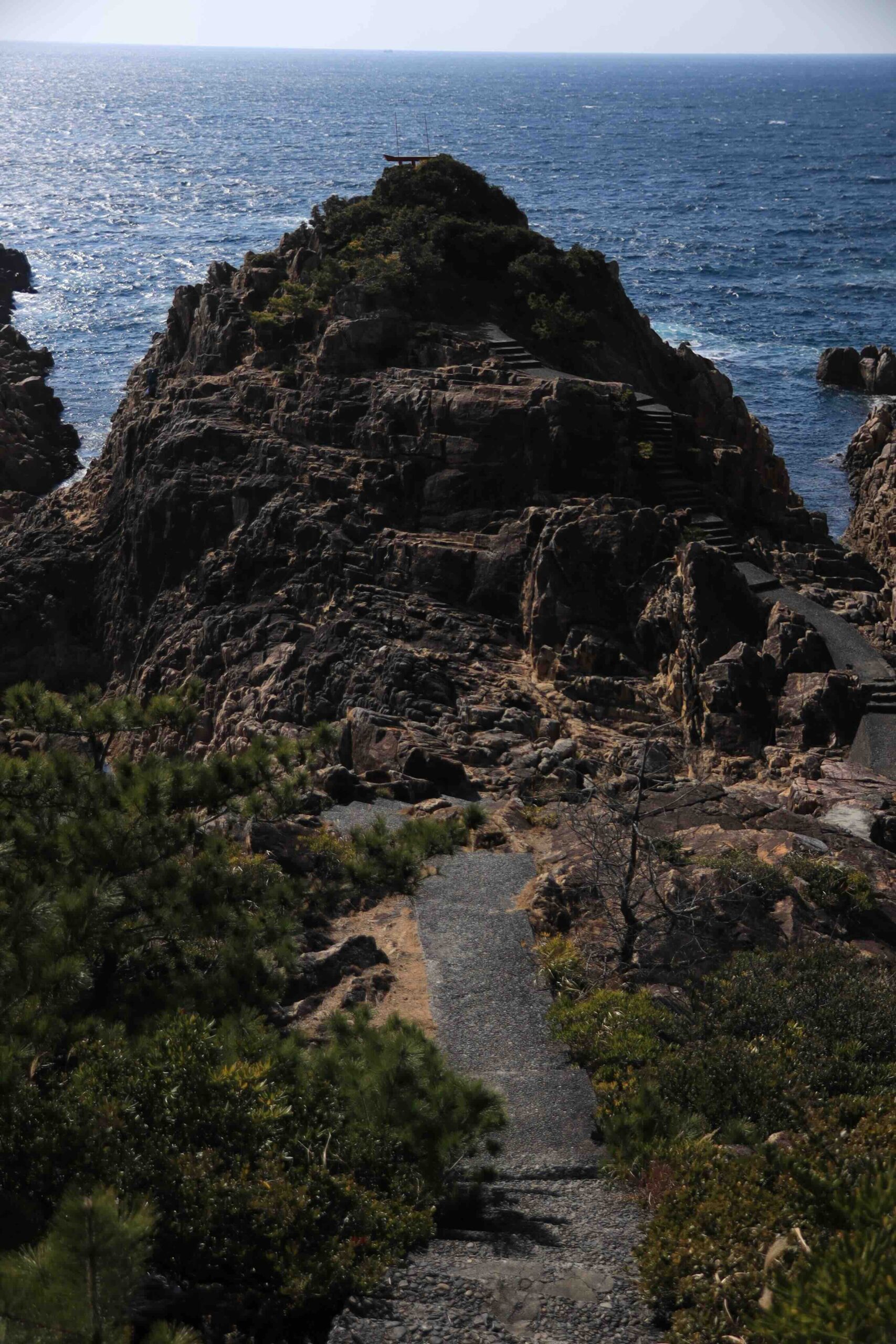
Within about two years, all of Chohei companions had died, and he was left completely alone. The island had almost no fresh water and no trees for firewood. What it did have was seabirds. Chohei survived mostly on the meat and eggs of the albatross that nested there. He had no way to make fire, so he ate the food raw. He collected rainwater in empty eggshells, and he dried bird meat to save for the months when the birds flew away. Day after day, year after year, he kept himself alive through patience and simple, careful work.
Building a Way Home
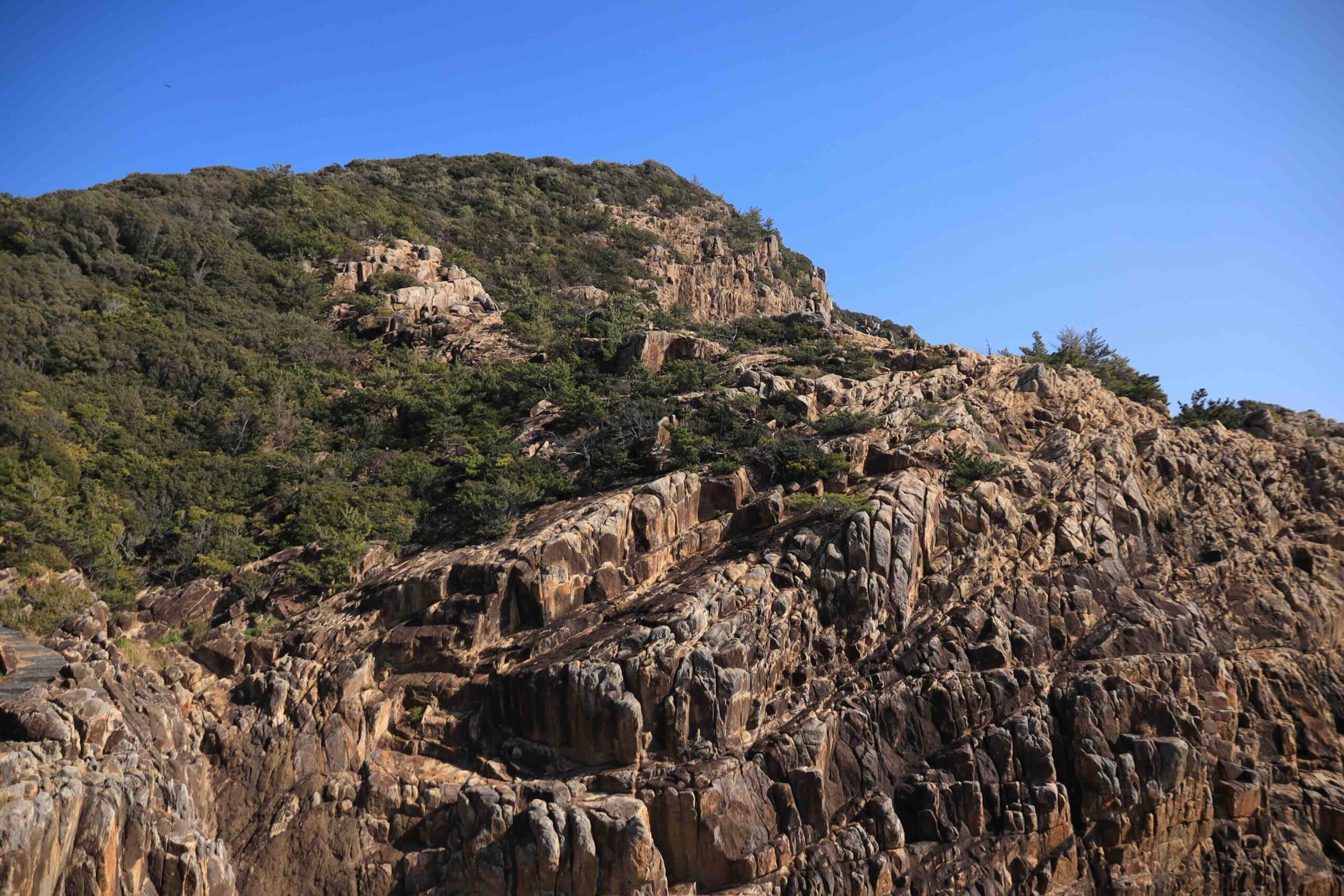
After some years, more castaways were washed onto the same island, and slowly a small group formed. Together they made a bold decision. Instead of waiting for a rescue that might never come, they would build their own boat and sail away. Using driftwood and broken pieces of wrecked ships, they built a small boat by hand. They even cut a path through the rocks so they could carry it down to the water. In 1797, the whole group escaped from the island together. It is said that Chohei left behind tools and written notes in a cave, so that any future castaway might have a better chance to survive.
A Long Awaited Return
When Chohei finally reached home, he had been gone for about twelve years. He had been away so long that his family had already given up hope and held a memorial service for him, believing he was dead. His return was like seeing someone come back from the dead. The Tosa domain honored him by granting him the family name Nomura. For the rest of his life he traveled and told his story, and people across the region knew him as Mujinto Chohei, which means Chohei of the Desert Island. Some called him the Japanese Robinson Crusoe. He died in 1821.
Why His Story Still Matters
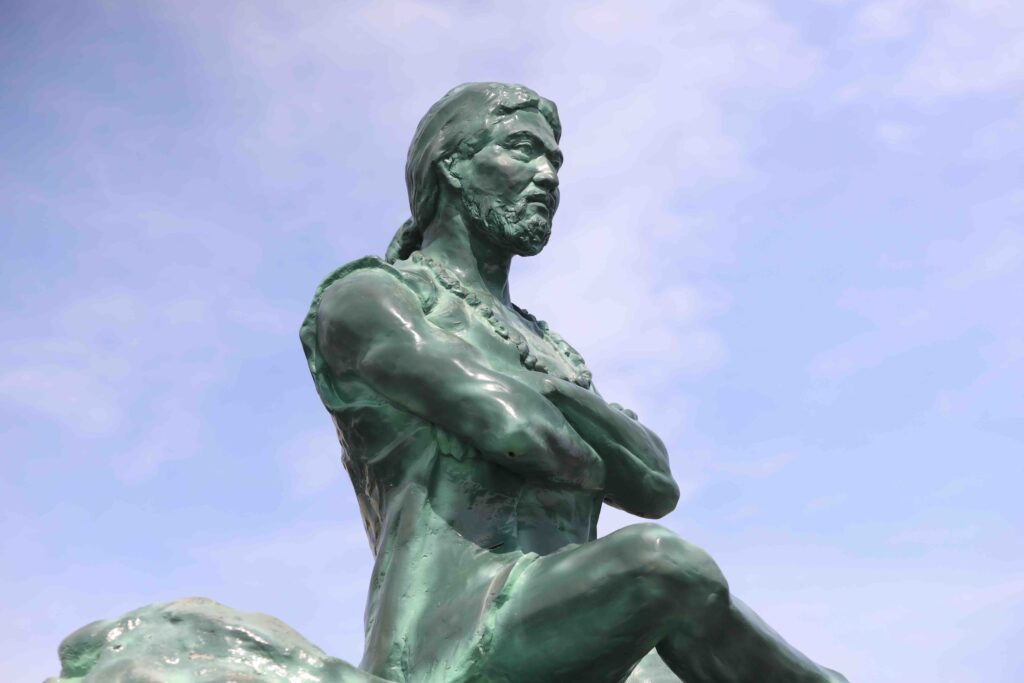
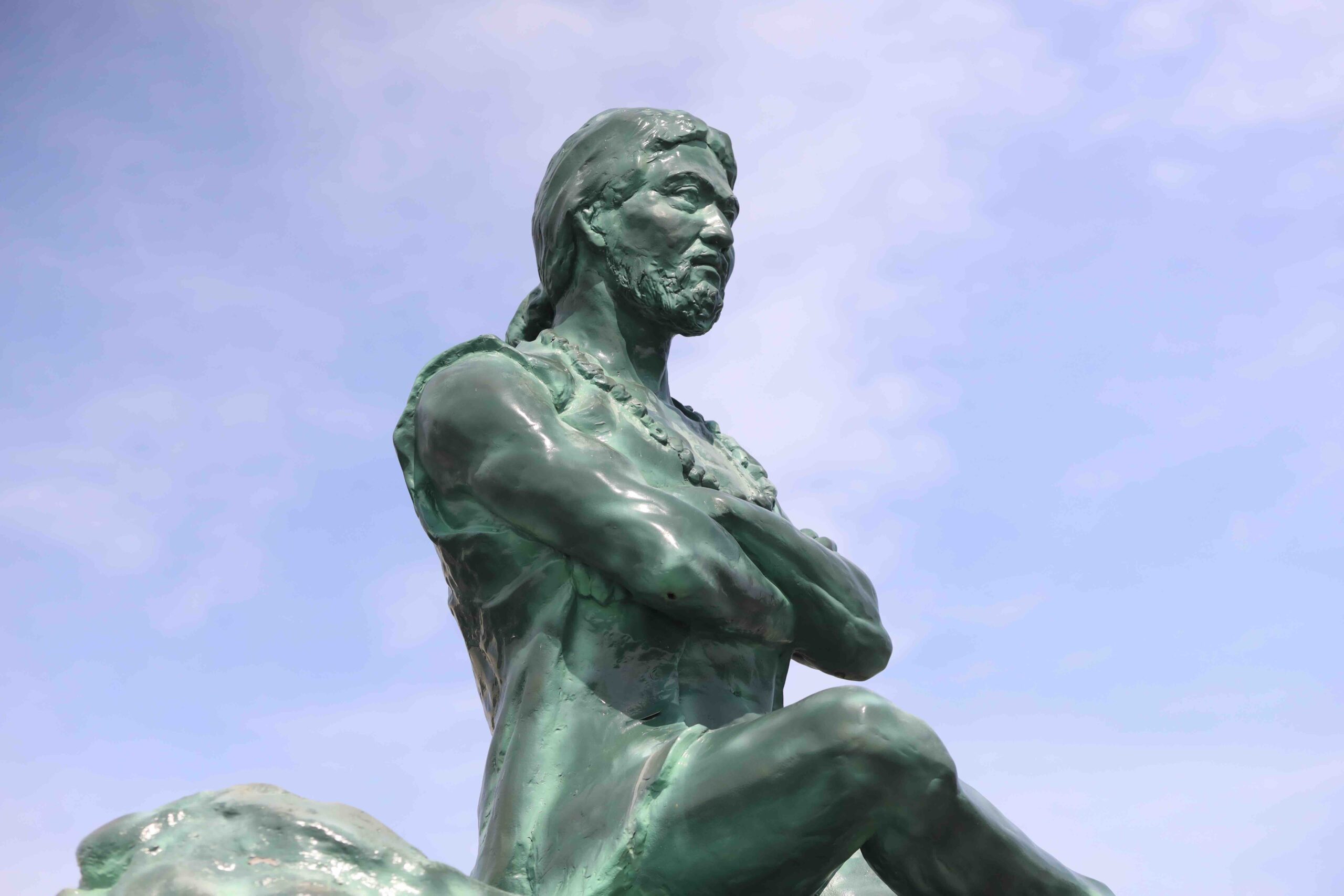
Chohei is remembered today not only because his story is amazing, but because of what it says about the people of Tosa. He faced the worst the ocean could give and answered it with calm courage and clever, patient effort. That same spirit, the readiness to face the unknown sea and to learn from it, would appear again in the next generation of Kochi people. In fact, the very island where Chohei was stranded, Torishima, would later become the place where a young Tosa fisherman named Manjiro was also shipwrecked. From that second wreck, an even larger story would grow. A statue of Chohei now stands in Konan City, near where his long journey began and ended.
The Island That Shaped Two Lives
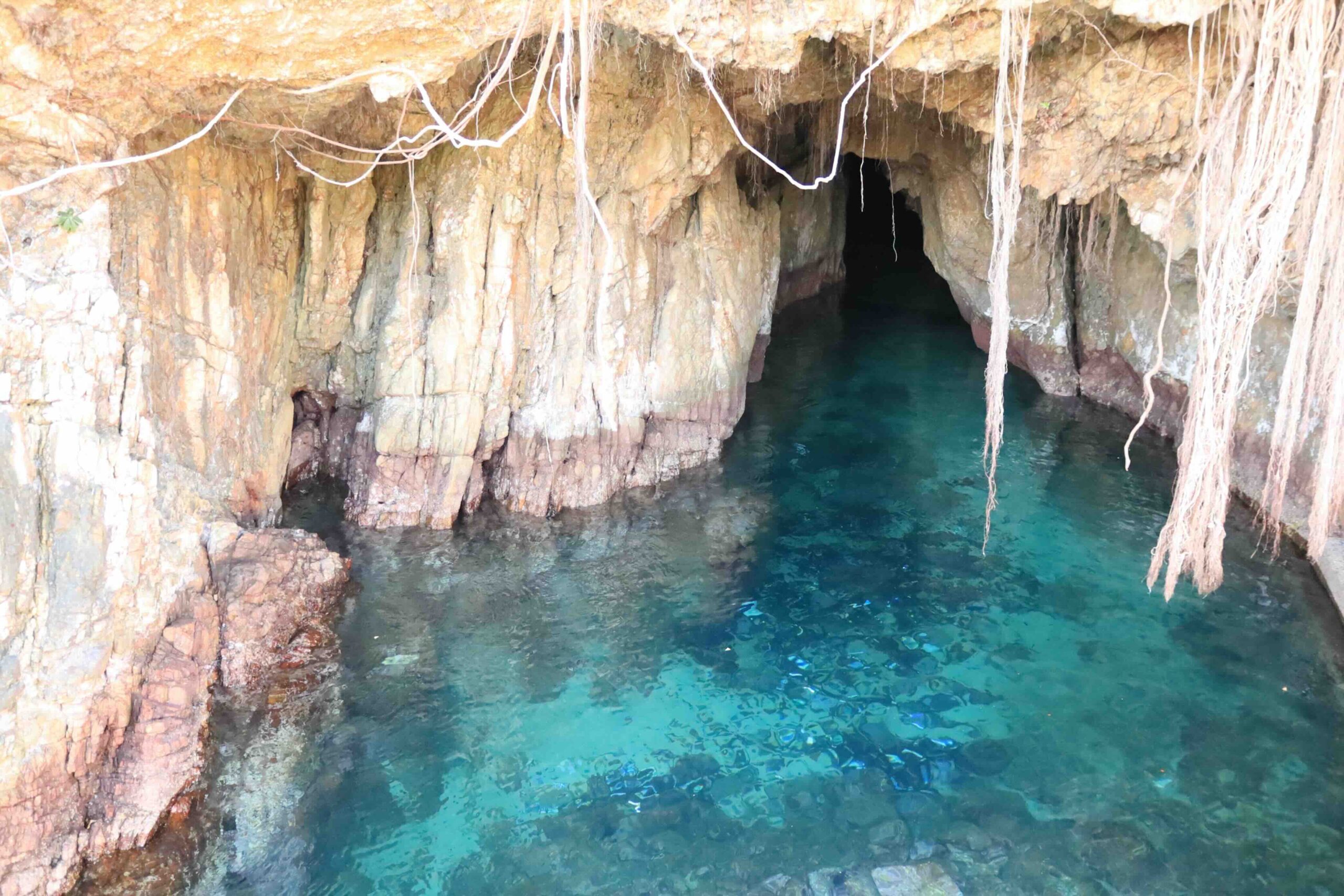
Torishima sits alone in the open Pacific, far from any other land. Its name means Bird Island, and for centuries it was known mostly for the huge numbers of seabirds that gathered there. For a castaway it was both a gift and a prison. The birds meant food, but the island had little water, no wood for fire, and no people to help. It is hard for us today to imagine the loneliness of living there for year after year, watching the empty sea for a sail that never came. The fact that Chohei not only survived but kept his mind clear enough to plan an escape is what makes his story so remarkable. The same lonely island would test another Tosa life half a century later, which is where our story turns next.
A Note for Cruise Passengers
The statue of Nomura Chohei stands in Konan City, a little east of Kochi City. It is a quiet local spot rather than a big attraction, and it works best as part of a history themed day for visitors who love a good true story. If your ship is in port for a full day and you enjoy history, I am happy to plan a route that brings these Tosa stories to life. I will pick you up from the Kochi cruise terminal, and transportation is included as part of the guided tour.
See the John Manjiro Shore Excursion →
The Full Series: Tosa and the Sea
This is part of a five part series about the people of Kochi, the old land of Tosa, who helped connect Japan to the world and change its future.
- Part 1. Nomura Chohei: The Tosa Sailor Who Survived a Desert Island (you are here)
- Part 2. John Manjiro: The Castaway Boy Who Opened a Door to the World
- Part 3. The Four Fishermen of Usa: The Companions of John Manjiro
- Part 4. Sakamoto Ryoma and Kawada Shoryo: How Knowledge of the World Reached Tosa
- Part 5. Iwasaki Yataro: The Tosa Boy Who Built Mitsubishi
- Part 6. Itagaki Taisuke: The Tosa Man Who Said Liberty Never Dies