
Itagaki Taisuke: The Tosa Man Who Said Liberty Never Dies
Part 6 of the series Tosa and the Sea: how the people of Kochi helped open and change Japan.
Our series began with the sea and the people of Tosa who were carried across it. It ends with an idea that grew from the same restless spirit: the idea that ordinary people should have a voice in how they are governed. The man at the center of this final story is Itagaki Taisuke, a samurai from Kochi who became one of the fathers of Japanese democracy.
A Samurai of Tosa
Itagaki Taisuke was born in Kochi in 1837, just one year after Sakamoto Ryoma. Like Ryoma, he grew up as a samurai of the Tosa domain in the years when the old order was breaking apart. He became a capable military leader and fought on the side of the Emperor in the wars that ended the rule of the shogun. When the new Meiji government was formed, Itagaki was given a high position. He had helped bring down the old system. The question now was what kind of country Japan would become.
Leaving Power for an Idea
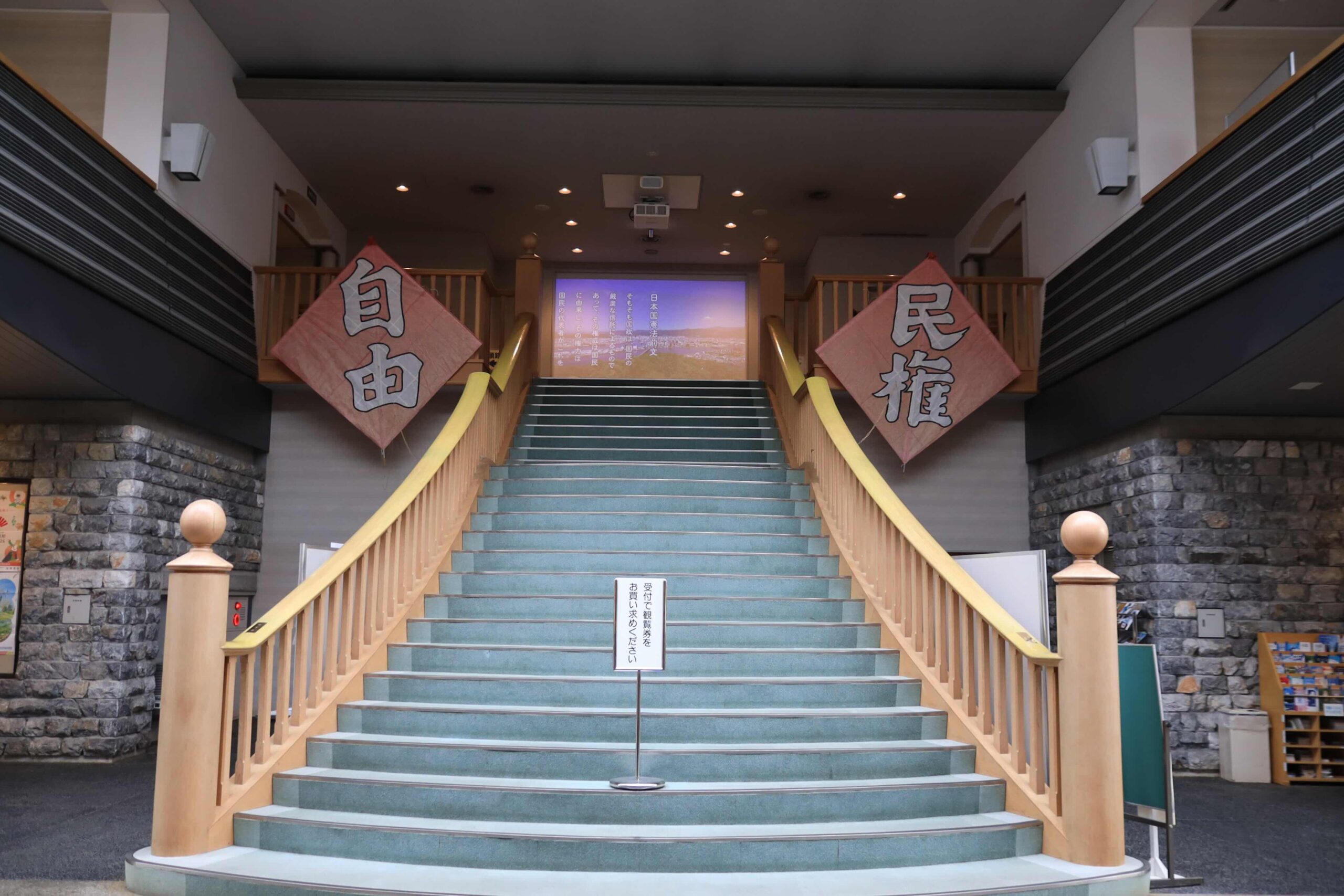
Many leaders who gain power want to keep it. Itagaki did something unusual. In 1873 he left the government after a major disagreement over policy. Instead of fading away, he began a new and bold campaign. He argued that Japan should not be ruled by a small group of officials alone. In 1874, he and others sent the government a famous petition calling for an elected assembly, where representatives chosen by the people could take part in government. This was the start of what became known as the Freedom and People’s Rights Movement.
Kochi, a Birthplace of Japanese Democracy
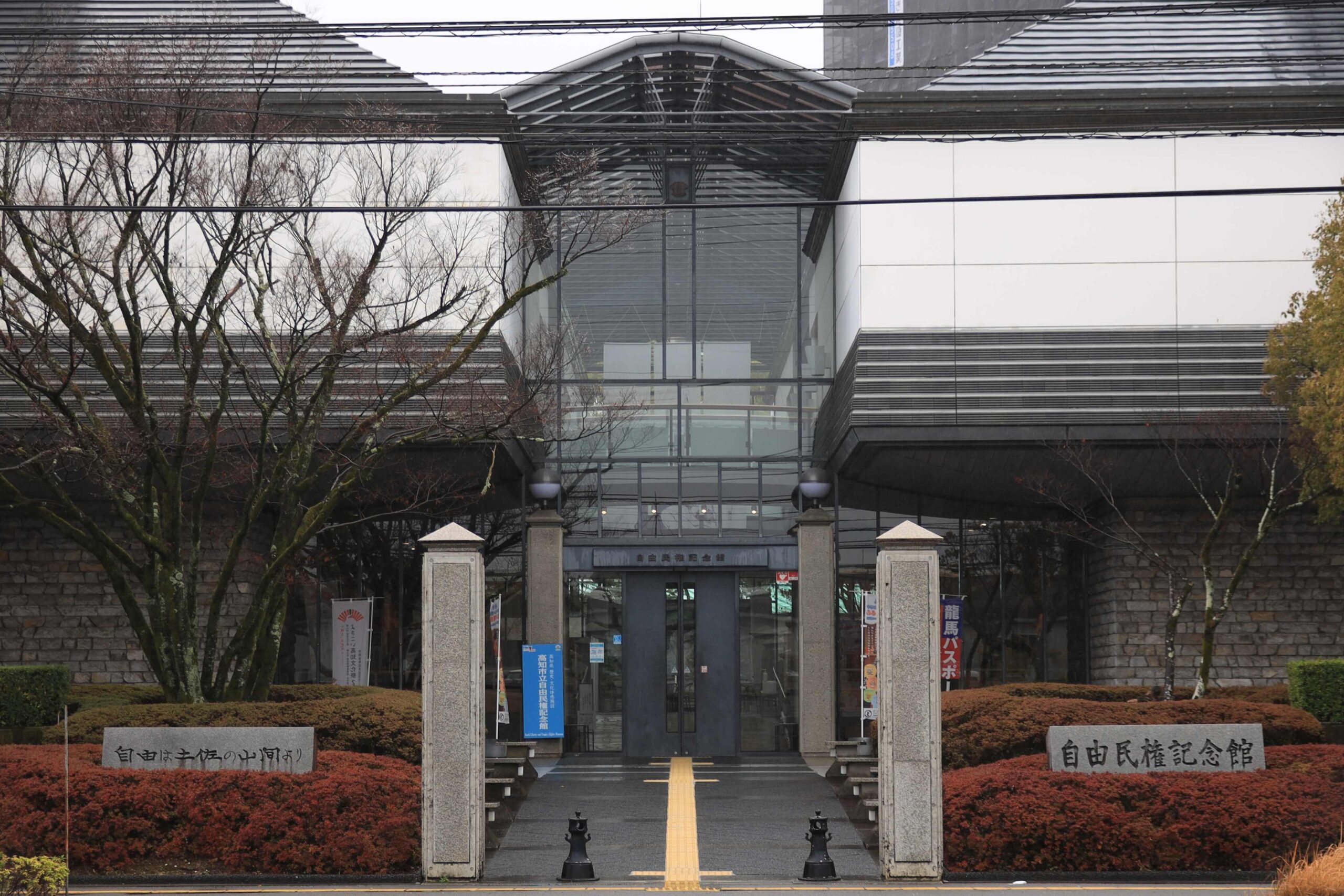
Itagaki built his movement from his home base in Kochi. He helped form political societies here, and in 1881 he founded the Jiyuto, or Liberal Party, often called Japan’s first true political party. Because so much of this activity started in Tosa, Kochi is remembered as one of the birthplaces of democracy in Japan. The ideas that Ryoma’s generation had opened up, about a Japan that could change and meet the modern world, were now growing into a movement about the rights of ordinary citizens.
Liberty Never Dies
In 1882, while giving a speech in Gifu, Itagaki was attacked and wounded by a man who opposed his ideas. According to the famous story, he cried out that even if Itagaki himself should die, liberty never would. Historians are not fully sure he said these exact words, but they became one of the most famous phrases in modern Japanese history, because they captured the spirit of his cause so well. Itagaki survived the attack and lived until 1919. He saw Japan gain a constitution in 1889 and its first national parliament in 1890, important steps toward the goals he had fought for.
The End of Our Journey
Look back over the whole series and you can see one thread running through it. A castaway survived the open sea. A fisherman boy crossed the world and came home with new knowledge. A painter wrote that knowledge down. A young samurai used it to help change the country. One son of Tosa built that new age of ships and trade into the great company we now call Mitsubishi. And finally, another son of Tosa turned that spirit of change into a movement for the rights of ordinary people. The sea connected Kochi to the world, and the people of Kochi helped carry that connection all the way into the shape of modern Japan.
A Spirit You Can Still Feel
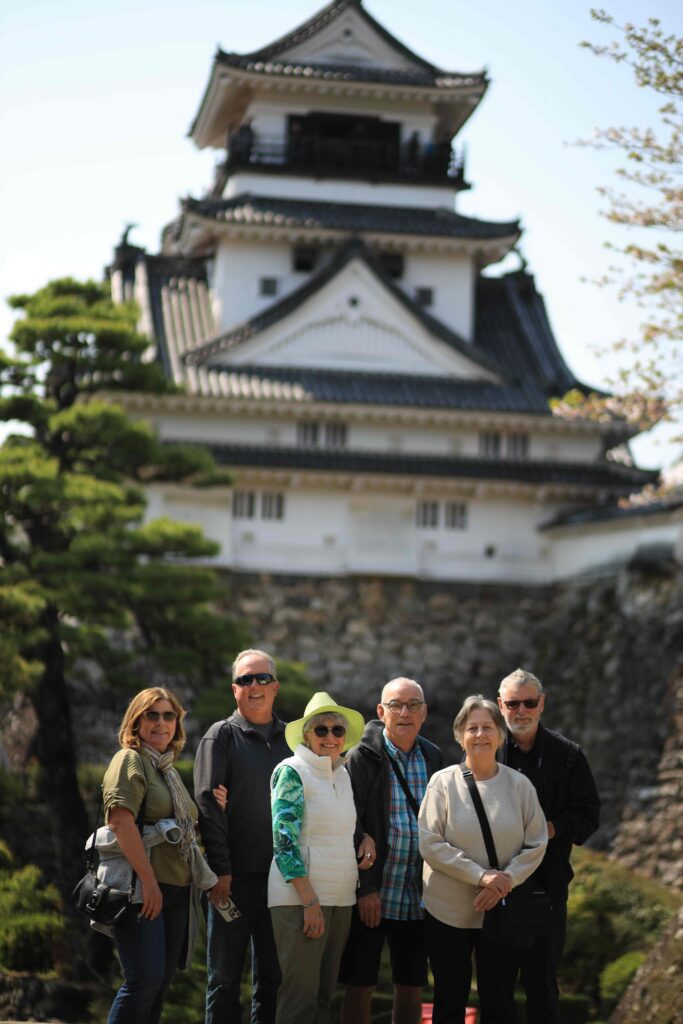
What makes Itagaki special is not only what he achieved, but the choice he made to give up power for a principle. He believed that a country becomes stronger when ordinary people are trusted with a voice, not weaker. That belief was not always welcome, and the movement he led faced hard times and government pressure. Yet the idea did not die. Step by step, Japan moved toward representative government, and Itagaki lived long enough to see real progress. Today, visitors in Kochi can stand before his statue at the castle and remember a man who put an idea above himself.
Bringing the Whole Series Together
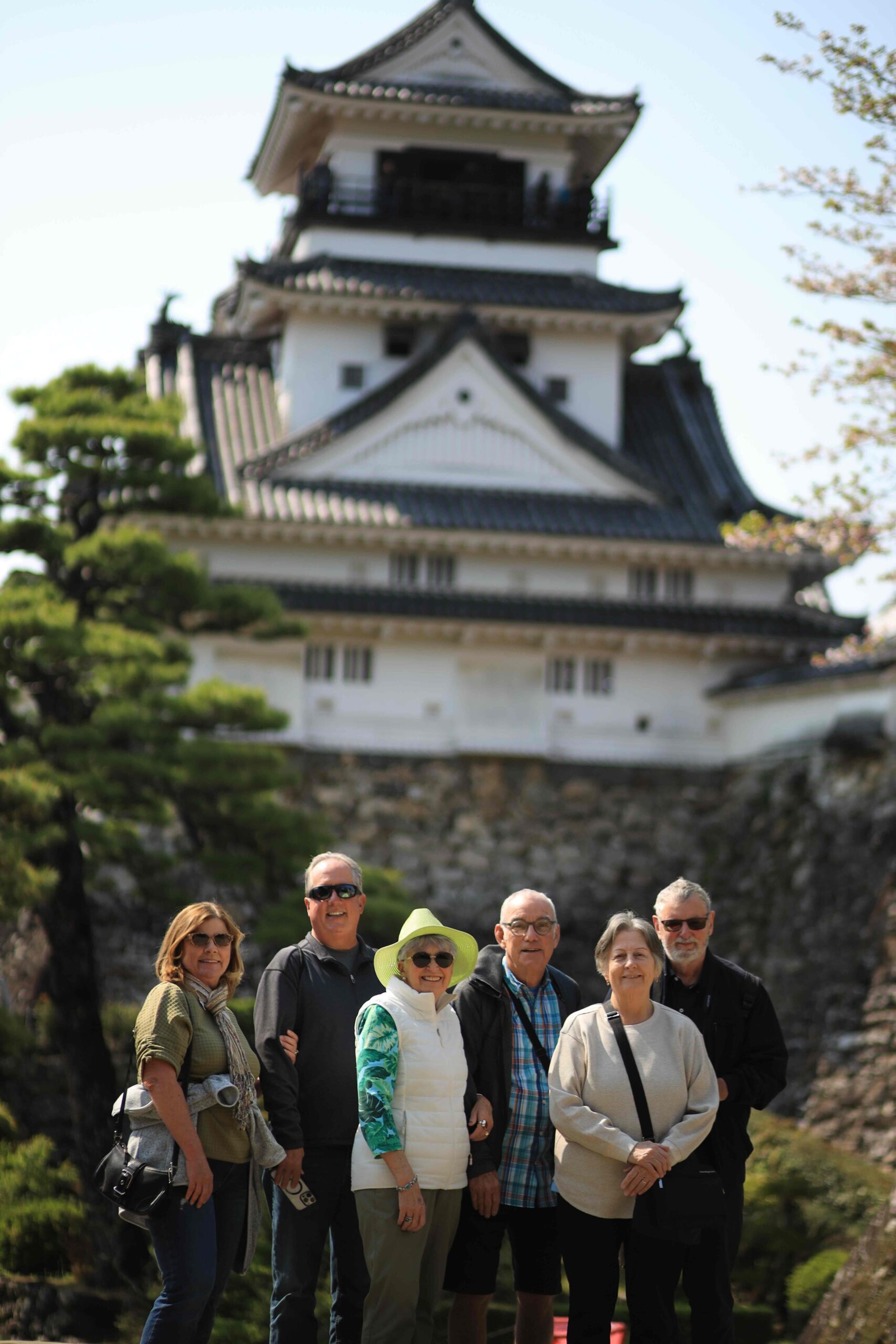
If you visit Kochi as a cruise passenger, you do not need to travel far to touch this history. Kochi Castle, Katsurahama Beach with its Ryoma statue and museum, and the city center are all close to the cruise terminal and can be seen comfortably in a day. Within a short distance you can stand where a samurai dreamed of a new Japan, look out at the ocean that carried a fisherman boy to America, and learn about the movement that gave ordinary people a voice. Five lives, one coast, and one long story about how a quiet corner of Japan helped shape the whole country. It is a story I love to share with my guests as we travel together through Kochi.
Perfect for Cruise Ship Passengers
The story of Itagaki Taisuke is easy to reach in port. A statue of him stands in the grounds of Kochi Castle, and the city also has a museum about the Freedom and People’s Rights Movement. Both are only a short drive from the Kochi cruise terminal. I will pick you up directly from the cruise terminal and bring you back to your ship with time to spare. Transportation is included as part of the guided tour, and I can connect these Kochi stories for you in simple English.
Book the Kochi Highlights Tour →
The Full Series: Tosa and the Sea
This is part of a five part series about the people of Kochi, the old land of Tosa, who helped connect Japan to the world and change its future.
- Part 1. Nomura Chohei: The Tosa Sailor Who Survived a Desert Island
- Part 2. John Manjiro: The Castaway Boy Who Opened a Door to the World
- Part 3. The Four Fishermen of Usa: The Companions of John Manjiro
- Part 4. Sakamoto Ryoma and Kawada Shoryo: How Knowledge of the World Reached Tosa
- Part 5. Iwasaki Yataro: The Tosa Boy Who Built Mitsubishi
- Part 6. Itagaki Taisuke: The Tosa Man Who Said Liberty Never Dies (you are here)